


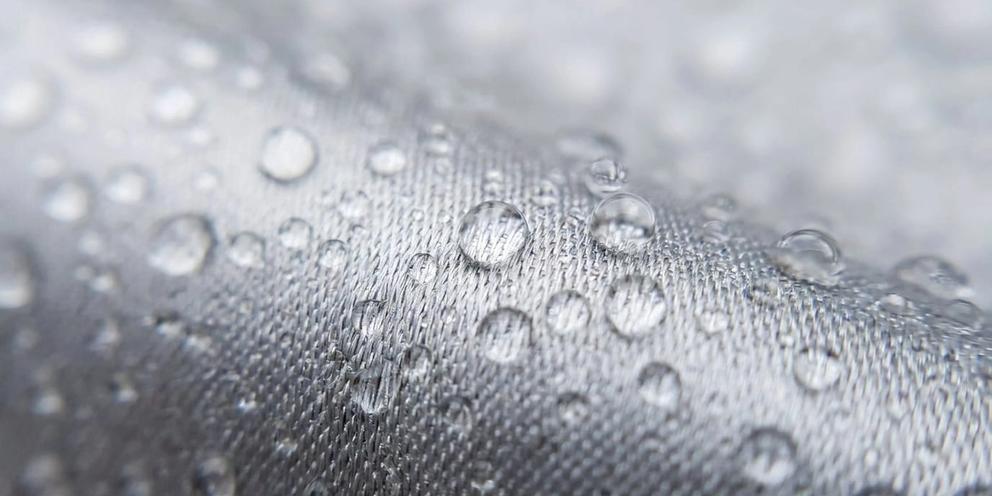
Best Cheap Car Cover: How to Get Real Protection Without Overpaying
Finding the Best Cheap Car Cover Without Sacrificing Protection
Let's define "cheap" up front, because it matters. We're not talking about the lowest sticker price you can find. We're talking about low cost relative to the protection you actually get. A $25 cover that shreds in six months isn't cheap. It's expensive, just spread out over time.
Here's what a bad cheap cover actually costs you. Thin material scuffs and scratches paint every time the wind kicks up. Poor anchoring lets the whole thing flap loose, and a flapping cover does more damage than no cover at all. Non-breathable fabric traps moisture underneath, and that moisture turns into mold, mildew, and clouded clear coat before you notice anything's wrong.
This guide compares the real budget cover types on the market, then hands you a checklist so you can shop smart no matter what price tier you land in. And here's the thing most people miss: cheap and custom-fit car covers aren't opposites. If you shop by material quality and fit accuracy instead of chasing the lowest number on the tag, you can land on the best cheap car cover for your situation without gambling on your paint job.
Budget Car Cover Options Compared by Price Tier
Budget covers generally fall into three buckets. Knowing the differences before you buy saves you a return shipment and a scratched hood.
Universal / Generic Fit
- Price range: $15 to $40
- Material: Usually thin polypropylene or a basic non-woven fabric
- Weatherproofing: Indoor-only or light outdoor at best
- Fit accuracy: Loose, with excess fabric at the front and rear
- Expected lifespan: Six months to a year with regular outdoor use
Semi-Custom Fit
- Price range: $40 to $90
- Material: Woven, often somewhat breathable fabric blends
- Weatherproofing: Light to moderate full outdoor use
- Fit accuracy: Close, sized by vehicle category (sedan, SUV, truck) rather than exact model
- Expected lifespan: One to three years depending on climate
Entry-Level Custom Fit
- Price range: $80 to $150
- Material: Breathable woven fabric built for your exact make and model
- Weatherproofing: Full outdoor rated in most cases
- Fit accuracy: High, matched to your vehicle's actual dimensions
- Expected lifespan: Three or more years with basic care
Universal covers look like the deal until you do the math. Replace one every year and you're spending more over three years than you'd have spent on a single semi-custom cover, plus you've lived with three separate periods of gaps at the mirrors and bumper letting rain and grit in.
For most budget-conscious buyers, semi-custom hits the sweet spot. You get a real jump in fit accuracy and outdoor car cover durability without paying custom-fit prices. And don't assume entry-level custom-fit is out of reach either. Some of these still land in affordable territory and noticeably outperform universal covers in wind resistance, mostly because the fabric actually stays where it's supposed to. If you're comparing waterproof car cover options at this tier, check the clearance collection before assuming full price is your only option, and read up on what actually makes a good car cover material before you commit to a fabric type.
Buyer Checklist: What to Verify Before You Buy a Budget Cover
Run through this before you check out. It takes five minutes and it's the difference between a cover that works and one you're returning next month.
- Sizing. Confirm the cover is built for your specific vehicle, not a listing that says "fits most sedans." Use a sizing guide if the listing is vague about dimensions.
- Breathability. Check the material's breathability rating. A cover that's fully waterproof but doesn't breathe traps condensation against your paint.
- UV resistance. If your vehicle sits outside even part-time, UV resistance isn't optional. Sun exposure fades paint and degrades cheap fabric fast.
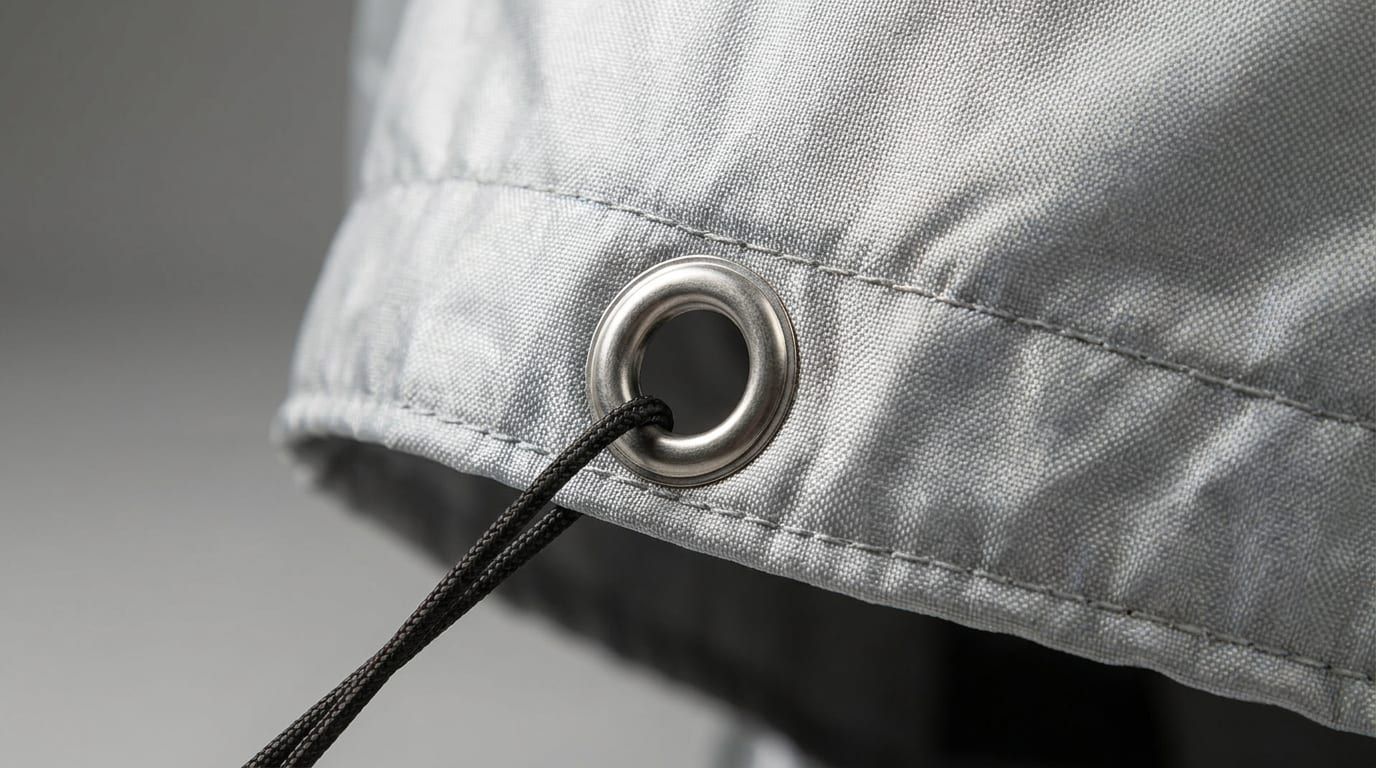
- Grommets and tie-downs. Look for reinforced grommets with tie-down points built in. If you're hunting for aftermarket straps to make a cover usable, that's a sign the cover wasn't built right.
- Return policy and warranty. Confirm both before buying. A budget cover with zero warranty backing it is a red flag, full stop. Compare against what a lifetime warranty on a car cover actually looks like so you know what you're missing.
- Storage rating. Read the listing closely for whether it's indoor-only, outdoor-light, or full outdoor-rated, and match that to where the car actually sits.
If a listing dodges any of these, that's information too. Use a proper fit and coverage finder instead of guessing from a photo.
Where Cheap Covers Cut Corners (Red Flags to Watch For)
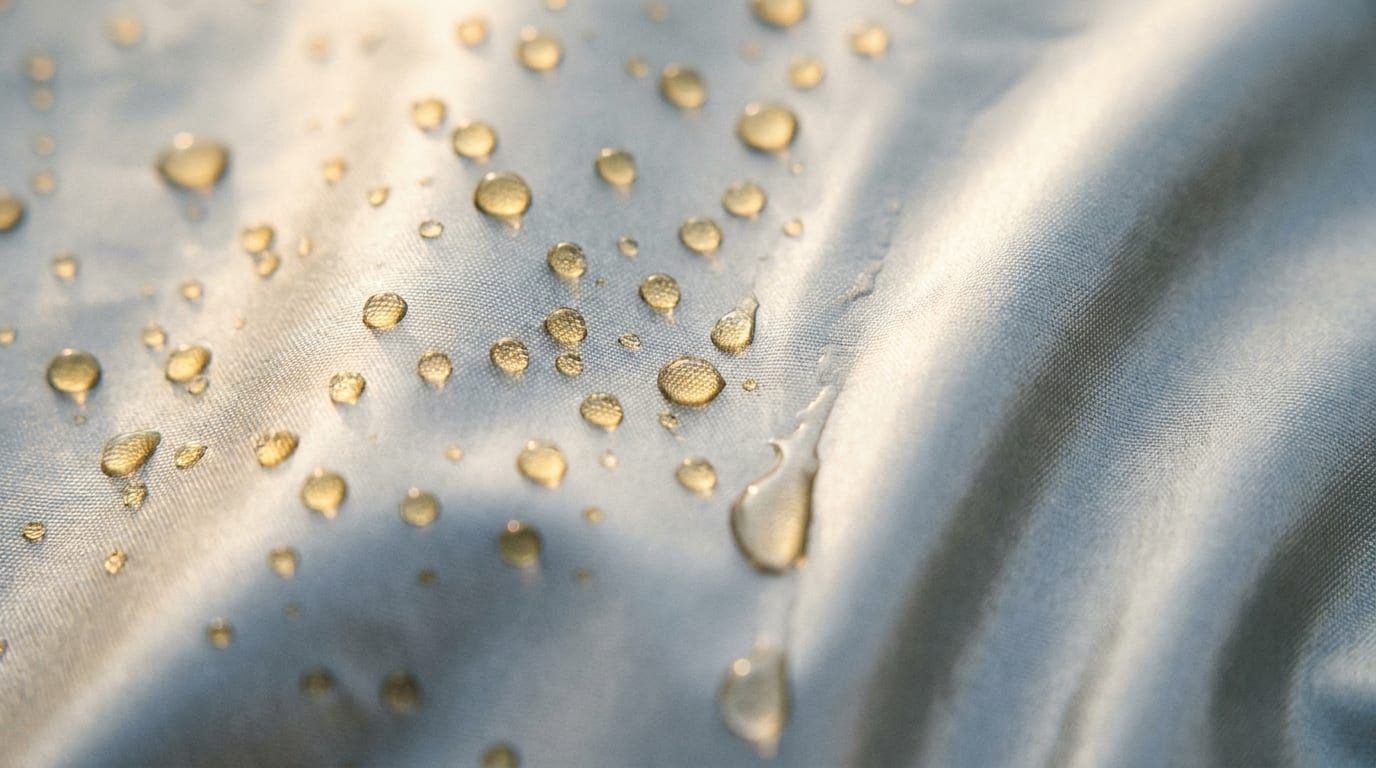
Most cheap covers fail in the same handful of ways. Once you know what to look for, they're easy to spot before you buy.
Thin, single-layer material is the biggest one. It tears at the seams within a season and bleaches out in direct sun, leaving you with a stiff, brittle shell that cracks when you fold it. Non-elastic hems are another. Without a snug hem, wind gets underneath the cover and flaps it against your paint like sandpaper on a low simmer, every gusty afternoon.
Missing or flimsy grommets push buyers into improvising with bungee cords and random straps, which never seals the fit the way a real tie-down point does. Vague sizing is its own category of problem: a cover labeled "universal fit" leaves gaps at the front and rear that let rain, dust, and small animals in.
Here's the one that surprises people most. A cover marketed as waterproof but not breathable can actually cause more damage than skipping the cover entirely. Water gets trapped, has nowhere to evaporate, and sits against your clear coat for days. If you've ever wondered whether a tarp beats a car cover in a pinch, the same logic applies here: sealed and non-breathable isn't the same as protective.
Getting the Most Life Out of a Budget Cover
A budget cover isn't automatically a short-lived one. How you treat it matters almost as much as what you bought.
Wash it on the schedule that matches its material. Grit and dust that build up on the fabric act like sandpaper against your paint every time the cover shifts. Our cover cleaning guide breaks down the right method by fabric type, and skipping it is the fastest way to shorten a cover's life regardless of price.
Fold it properly between uses instead of balling it up and shoving it in the trunk. Sharp creases weaken fabric fibers over time, and that's true even on premium materials. If your car lives outside, pair a budget cover with a cable lock or a separate strap kit. It adds real wind security that thin economy-grade tie-downs can't provide on their own.
And take the extra thirty seconds on installation. A cover thrown on in a rush shifts, catches on mirrors, and wears unevenly. One installed carefully, corner by corner, lasts noticeably longer than the same cover treated like an afterthought.
Is a cheap car cover actually worth it?
Yes, as long as it matches your storage conditions and actually fits your vehicle. Even a budget cover beats leaving the car exposed with nothing on it. The real question isn't "is a cheap cover worth it" in the abstract, it's whether this specific cheap cover matches how and where you park.
The threshold shifts depending on exposure. A car parked outdoors year-round in a harsh climate needs more from its cover than one that sits in a driveway most nights and only faces weather occasionally. Know why a cover matters in the first place before you decide how much to spend on one.
What's the minimum material quality to look for in a cheap car cover?
Look for breathable, water-resistant woven fabric. Skip anything that's thin plastic sheeting or tarp-style material, even if the price looks tempting.
Breathability matters more than raw waterproofing here. A fully sealed, non-breathable cover holds moisture against your paint and trim, and over months that does more damage than a lighter rain shower ever would with a breathable cover on top.
Choosing the Right Fit at the Right Price
Work the decision in order. Start with your storage conditions and figure out what weatherproofing level you actually need. Then match your price range to material quality and fit accuracy, not the other way around. A correctly sized, breathable cover in a lower price tier will protect your paint better than an oversized "premium" universal cover that doesn't actually fit your car.
The best cheap car cover isn't the cheapest one on the page. It's the one that's sized right, breathes right, and matches how your vehicle is actually stored. Get those three things lined up first, then compare prices.
If you're still narrowing things down, poke around our other car care guides before you buy. It's a lot cheaper to read for ten more minutes than to reorder a cover that doesn't fit.
Updated