Best Cover for a 5th Wheel Trailer: Fit, Venting & UV Protection Guide
Published
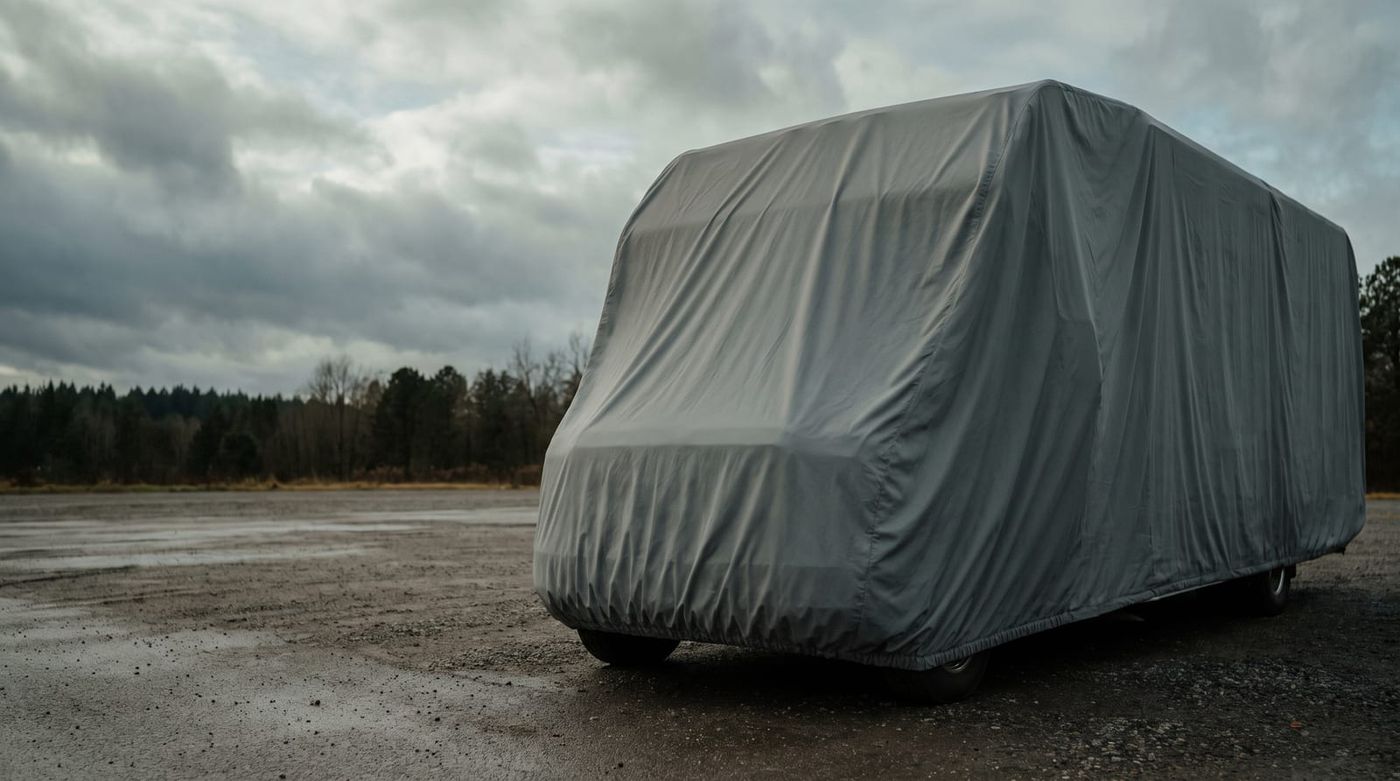
Fifth wheels sit in a weird spot in the RV world. They're bigger than a travel trailer, shaped differently up front, and usually parked outside for long stretches between trips. That combination is exactly why a generic "fits most RVs" cover tends to disappoint owners. If you're searching for the best cover for a 5th wheel trailer, the fit around that raised nose and the way the fabric handles moisture and sun matter a lot more than they do for a standard trailer or even a Class A motorhome. This guide walks through what actually changes the fit and performance equation for this specific trailer type.
Why a Fifth Wheel Needs a Different Cover Than a Travel Trailer or Class A
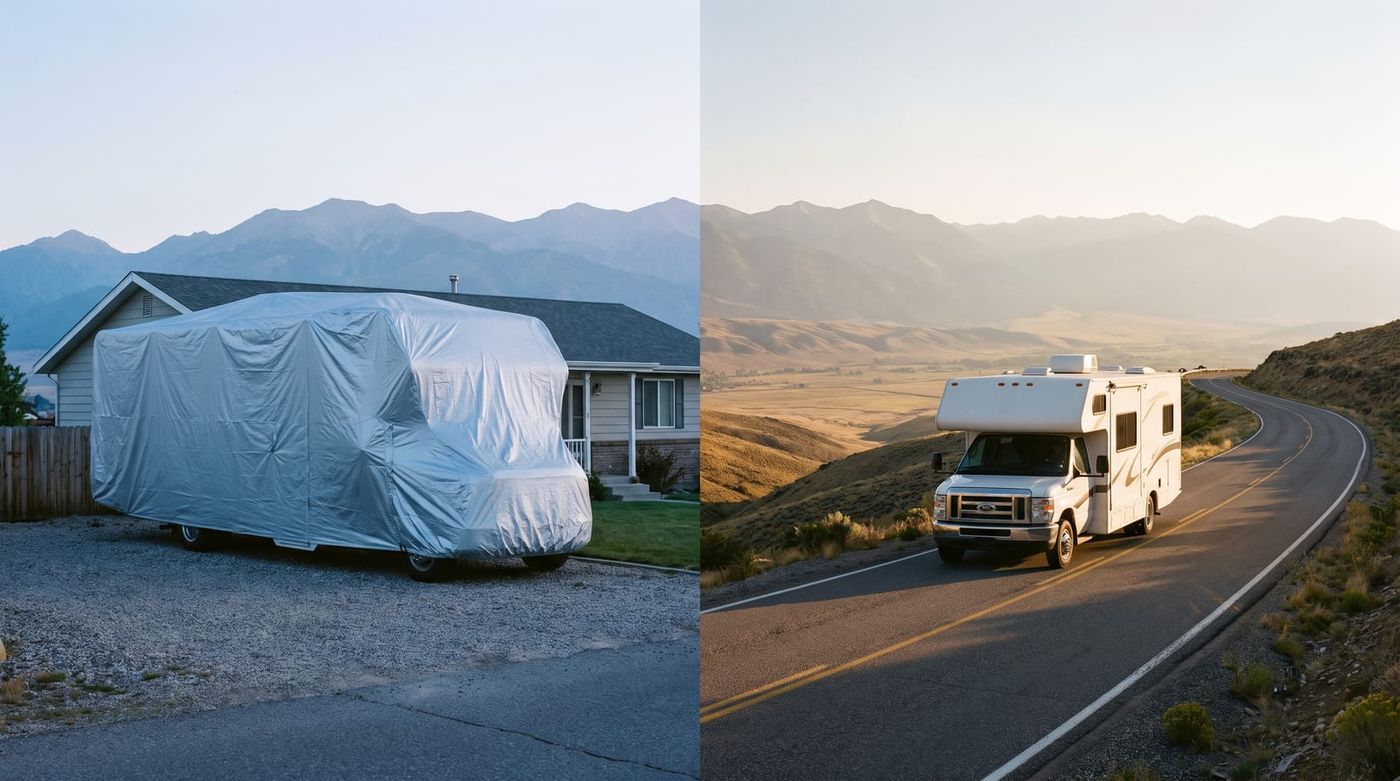
The front cap is the whole story here. A fifth wheel has a raised overhang that sits above the kingpin box, built to clear the bed of the tow truck. A travel trailer's nose is flat and low by comparison. That raised cap means a cover has to drape and shape itself differently right at the front, not just stretch over a flat panel.
Then there's height. Fifth wheels commonly run 12 to 13 feet tall at the front cap, sometimes more. On a Class A or a travel trailer, getting the height within a few inches barely matters. Here, it's the difference between a cover that seats properly and one that leaves daylight gaps right where rain and wind do the most damage.
This guide sticks to three things: fit, venting, and UV exposure. Not a general rundown of RV cover shopping. Because the single most common complaint fifth wheel owners post in reviews traces back to one thing: an undersized or universal cover gapping or chafing right at the nose seam.
Getting the Nose and Kingpin Fit Right
A cover cut for a straight-nosed trailer just doesn't have the extra fabric to wrap a raised front cap without pulling tight across the kingpin box. Pull it tight enough to close the gap at the roofline, and it rides up at the bottom, exposing the kingpin coupler. Leave slack to clear the kingpin, and you get a baggy fold at the nose that flaps in wind and wears through.
Before you buy, measure the overall length including the kingpin overhang, not just the box length of the trailer. Then measure height at the tallest point of the front cap, separately from the main roofline height. Those two numbers are the ones that actually separate a good fit from a bad one on this trailer class.
Check the product's fit notes against the fifth wheel trailer covers category specifically, not a generic RV sizing chart that lumps every trailer type together. A chart built around travel trailer covers sizing logic won't account for the nose contour, and that's exactly the measurement that trips people up.
Length, Height, and Slide-Out Measurements That Matter
Three numbers to grab before you shop: bumper-to-hitch length, roofline height at the front cap, and width including slide-outs in their retracted position. Skip any of these and you're guessing.
Slide-outs add bulk even when they're tucked in. A cover sized off the trailer's base width without accounting for retracted slide-out depth ends up bridging over that extra bulk instead of sitting flush against it. That gap sags, collects water, and flaps. Measure at the widest retracted point, not the narrowest.
Get the size wrong in either direction and you'll feel it within a season. Oversized covers flap in wind, and that constant movement abrades the fabric right where it rubs against trim and vents. Undersized covers do the opposite: they stretch, strain at the seams, and eventually tear or leave panels exposed. Neither failure mode is subtle once it starts. If you're unsure how to translate your trailer's spec sheet into actual cover dimensions, checking cover sizing guidance before ordering saves a return shipment later.
Venting and Condensation Control for Fifth Wheels
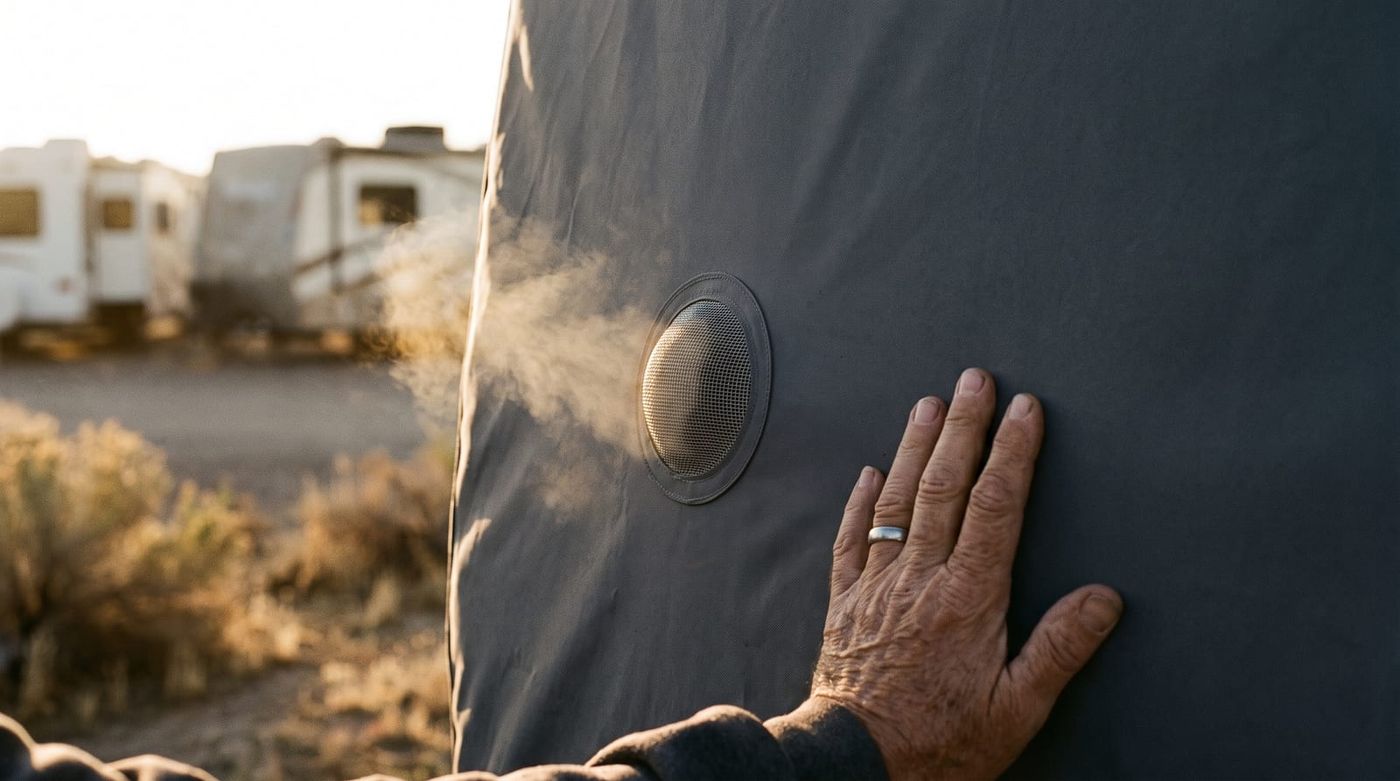
Bigger trailer, bigger problem. Fifth wheels have more interior volume and more roof surface than a small travel trailer, which means more air mass cycling through daily temperature swings. That cycling creates condensation, and condensation trapped under a cover has nowhere to go.
This is where fabric choice actually matters, not just marketing language. Look for breathable, multi-layer woven fabric that blocks rain from the outside while still letting interior moisture vent out. Solid vinyl or tarp-style material does the opposite: it seals moisture in against the roof and walls, which is worse than leaving the trailer uncovered in some cases. Reading up on how waterproof fabrics actually behave is worth five minutes if you've never shopped a breathable cover before.
Rooftop vents and AC shrouds need clearance too. A cover with no allowance for these will sit directly on top of them, crushing seals over time. And if you're storing the trailer for months under a non-breathable cover, don't be surprised to find mold or mildew staining around seams and roof seals when you pull it off in spring. That's a slow, quiet kind of damage, and it's avoidable.
UV Exposure: Protecting the Roof, Seams, and Seals
A fifth wheel's roof is a big, flat target for the sun, and these rigs often sit in storage for months at a stretch between trips. That's a lot of cumulative UV exposure compared to a car or a small trailer that moves weekly.
UV damage on an RV doesn't look dramatic at first. It shows up as chalking on the roof membrane, caulking and seam sealant going brittle and cracking, decals fading, gelcoat dulling. By the time it's visible, the sealant work is usually already overdue.
This is the section where it's worth spending a little more. A light-duty rain cover meant for short-term use isn't built for extended outdoor dwell time. You want fabric that's UV-treated or UV-stabilized and rated for season-long exposure, not a weekend tarp. Full roof-to-skirt coverage matters more here than it does on a travel trailer, since the roof is the single highest-damage surface on a fifth wheel. If you're new to outdoor storage in general, the guide to using a cover outdoors for weather and UV protection covers the basics that apply across vehicle types, fifth wheels included. For the fabric spec itself, waterproof cover materials is a good starting point for what "rated for extended exposure" actually means on a spec sheet.
Straps, Tie-Downs, and Wind Security
Tall and boxy catches more wind than low and sleek. A fifth wheel's profile means more surface area pushing against gusts than a travel trailer sitting lower to the ground, so strap and buckle quality isn't a minor detail here.
Check for built-in grommets or strap channels at three points: near the hitch, mid-body, and at the rear bumper. Without those anchor points, a cover balloons in gusts and works itself loose over a season, even if the fit was right on day one.
If you're storing in an open lot, or anywhere with regular coastal or high-plains wind, a gust strap or wind strap kit is worth adding on top of the cover's built-in tie-downs. And once you've got the right cover, installing it properly matters almost as much as the cover itself. A step-by-step RV cover installation guide walks through getting the fit and strap tension right the first time. A cover without secure tie-downs will shift and chafe against the gelcoat all season, which quietly undoes every bit of UV and weatherproofing benefit you paid for.
Matching Cover Thickness to Your Climate and Storage Situation
Not every fifth wheel needs the heaviest fabric on the shelf. It depends on where the trailer lives.
| Storage Situation | Fabric Weight Needed | Primary Concern |
|---|---|---|
| Indoor or covered storage | Light, breathable layer | Dust, minor moisture |
| Outdoor, uncovered, full-time | Heavy multi-layer fabric | UV stabilization, waterproofing |
| Winter climate, outdoor | Heavy, water-shedding fabric | Snow load, ice buildup |
| Sun-heavy region, year-round outdoor | Heavy, UV-stabilized fabric | Cumulative UV damage |
If the trailer sits under a carport most of the year, a lighter cover does the job fine since UV and rain exposure are minimal. Full-time outdoor storage is a different equation entirely: you need both waterproofing and UV stabilization built into the same fabric, not one or the other.
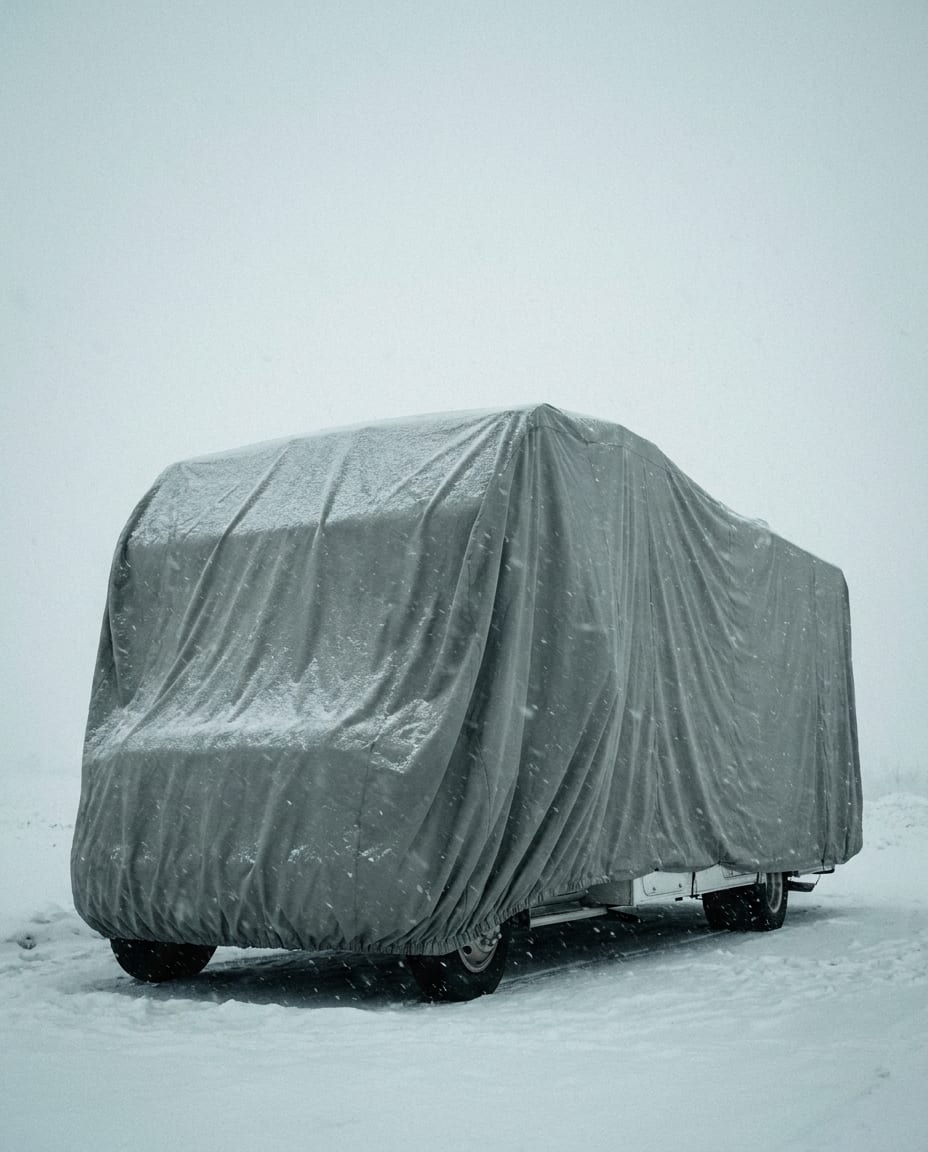
Climate shifts the priority, too. Snow load capacity and water shedding matter more if you're in a winter climate where the trailer sits buried half the season. UV resistance takes priority in sun-heavy regions where it's outside year-round. And frequency of use plays into this: a rig parked 10 months a year justifies spending more on a higher-tier fabric than one that only sits for a long weekend between outings. Other trailer types follow similar logic too, whether you're comparing against travel trailer covers or sizing up protection for a truck camper on the same property.
Finding the Right Fit for Your Fifth Wheel
Three things to check before you buy: get the kingpin-to-bumper measurement right including the front cap height, pick a breathable fabric that handles condensation instead of trapping it, and make sure the material is UV-stabilized for long roof exposure. Skip any one of those and you're back to the gapping, sagging, or chalking problems this whole guide exists to avoid.
Measure against your trailer's actual dimensions rather than trusting a "fits most" label. A fifth wheel's nose contour and height variation are exactly why generic sizing falls short so often.
If you want to browse options built specifically for this trailer class rather than general RV covers, it's worth taking a few minutes to compare fit specs side by side before you commit. And if you found this useful, our other RV and trailer guides cover similar ground for other setups, worth a look next time you're prepping for storage season.