Best Cover for a Truck Camper: Fit, Venting, and UV Protection Explained
Published
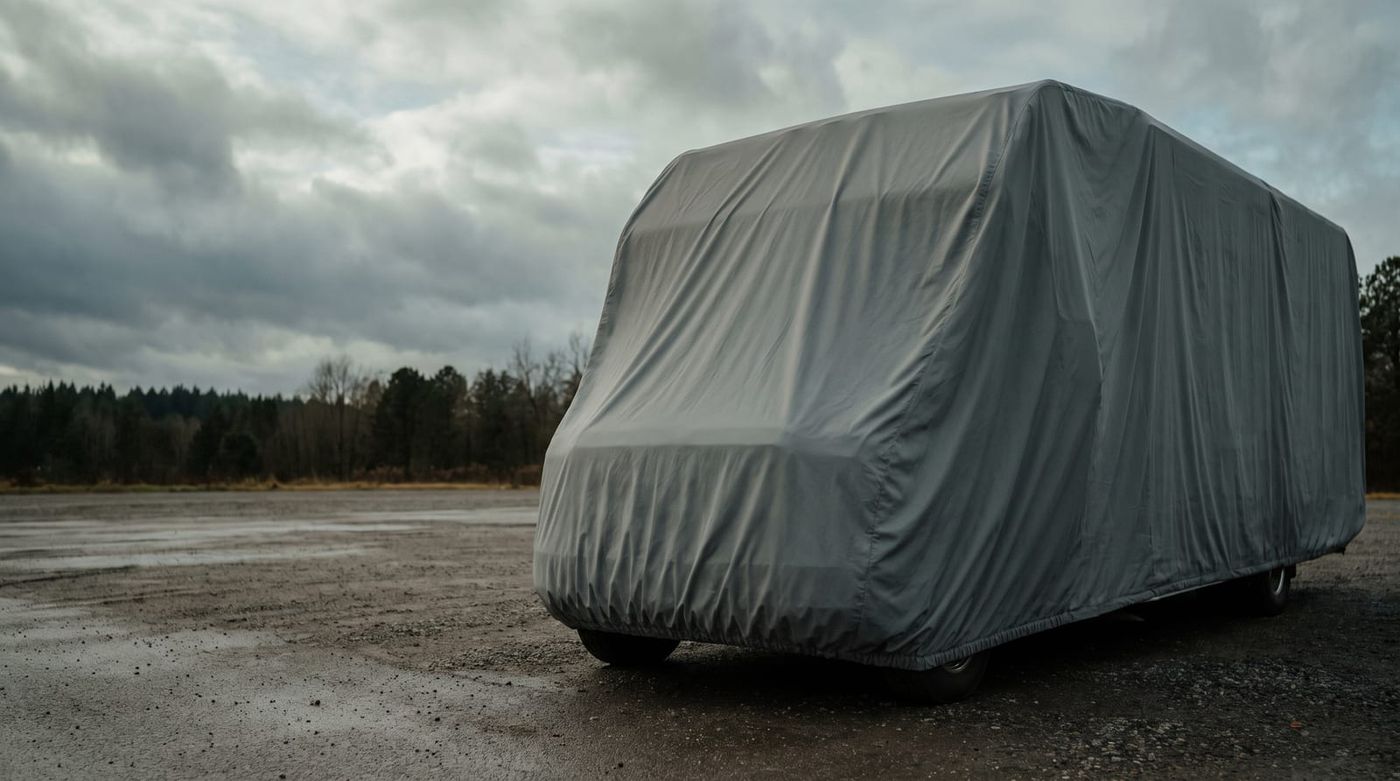
Truck campers get treated like an afterthought in most cover shopping guides, usually lumped in with travel trailers or fifth wheels. They're not the same animal. A cab-over camper sits in your truck bed with an overhang that juts past the cab, roof vents poking up, maybe an AC unit, maybe a generator door on the side. Throw a generic RV cover over that shape and you'll end up with a tarp that either doesn't reach or flaps around enough to do more harm than good. Finding the best cover for a truck camper means thinking through three things specifically: how it fits around that overhang, how it handles moisture from the inside out, and how it holds up against sun exposure on a mostly flat roof. This guide sticks to those three problems instead of rehashing generic RV cover advice that doesn't actually apply to your rig.
Why Truck Campers Need a Cover Built for Their Shape
A truck camper isn't a bed cap. It isn't a tonneau cover either, and it's not a travel trailer with wheels removed. It's a self-contained living unit that cantilevers out over the cab, with a roofline full of obstacles: vents, maybe an air conditioner, antennas, and often a generator compartment door on one side that needs to stay accessible even when the unit's covered up.
There's also a fit decision most people don't think about until it's too late: are you covering the camper alone, sitting on jack stands in the driveway, or covering it while it's still mounted in the truck bed? Those are two different shapes. A camper on stands has exposed sides all the way down. A camper in the bed has the truck's cab and tailgate as part of the silhouette, which changes the length and the way a cover needs to drape at each end.
This guide isn't a general "how to buy an RV cover" piece. It's specifically about getting the fit, the venting, and the UV protection right for this one RV class, because truck campers get shortchanged by covers designed for something else.
Getting the Fit Right: Measuring a Truck Camper for a Cover
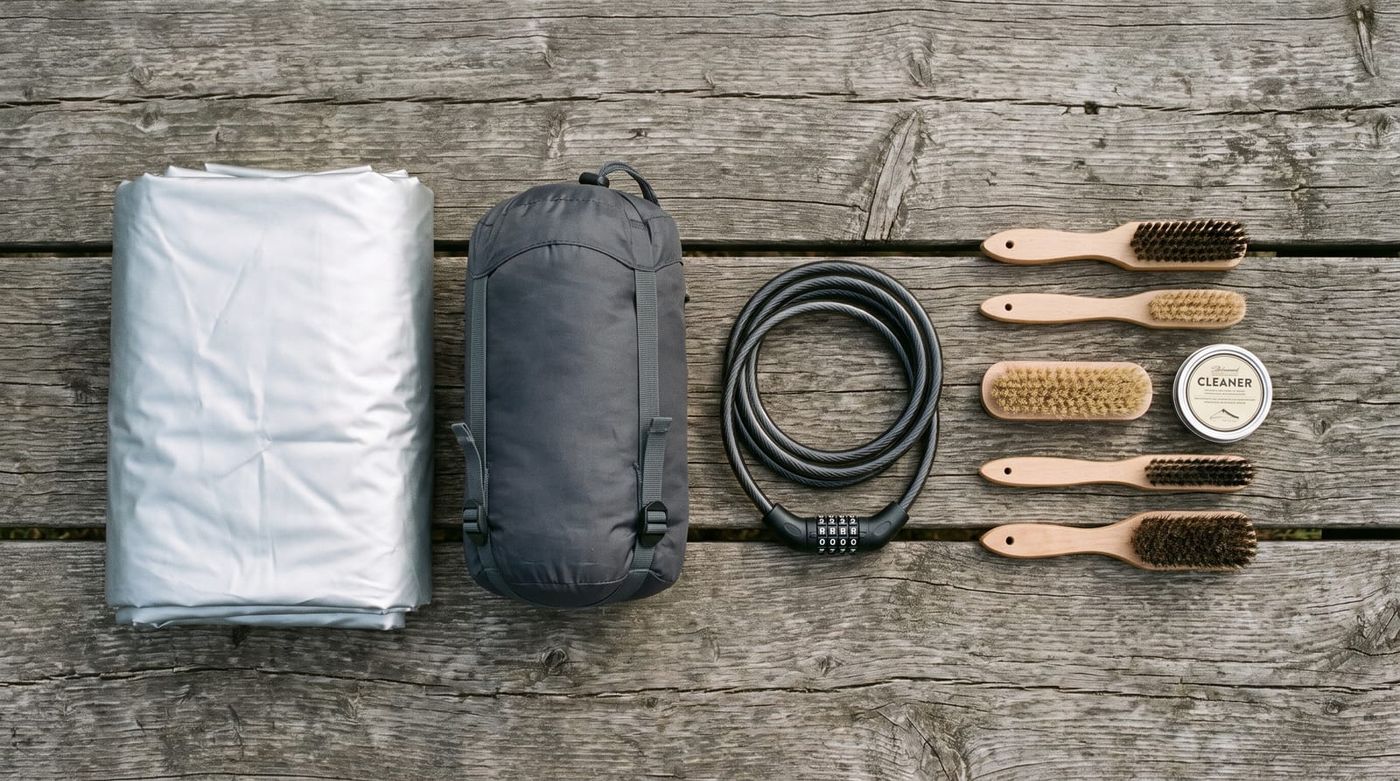
Start with length, and don't just measure the box of the camper. Include the cab-over overhang, the part that hangs out past the front of the truck bed when it's mounted. That overhang is usually the first place a cover fails, because it's the part that catches wind like a sail if the cover's too loose, or rips if it's pulled too tight trying to stretch over a shape it wasn't cut for.
Width comes next, measured at the widest point, usually where the camper body bulges past the wheel wells. Then height, and this is the one people skip: measure from the truck bed floor to the highest point on the roof, which is almost always the air conditioner housing or a roof vent cap, not the roof surface itself.
Get any of these wrong and you'll feel it immediately. A cover that's too small pulls taut across the overhang and the fabric takes the stress at the corners, which is exactly where fabric tears first. A cover that's too big does the opposite problem: it flaps in wind, and that flapping action works wind-driven rain right up under the hem, soaking the one area the cover was supposed to protect.
There's a wrinkle here worth mentioning. Truck bed length and camper overhang interact in ways that aren't obvious from spec sheets alone. A long camper on a short bed truck has a much bigger overhang than the same camper on a long bed. If you're not sure how your bed length affects the math, it's worth checking a pickup truck bed size guide before you measure, so you know which bed category you're actually working with.
Last thing on fit: cutouts. Side entry steps, the main door, and generator compartments all need either a flap, a zipper, or a cutout built into the cover design. Otherwise you're pulling the whole cover off every time you need to grab something from the generator bay, which gets old fast.
Venting Needs: Preventing Condensation and Mold Under the Cover
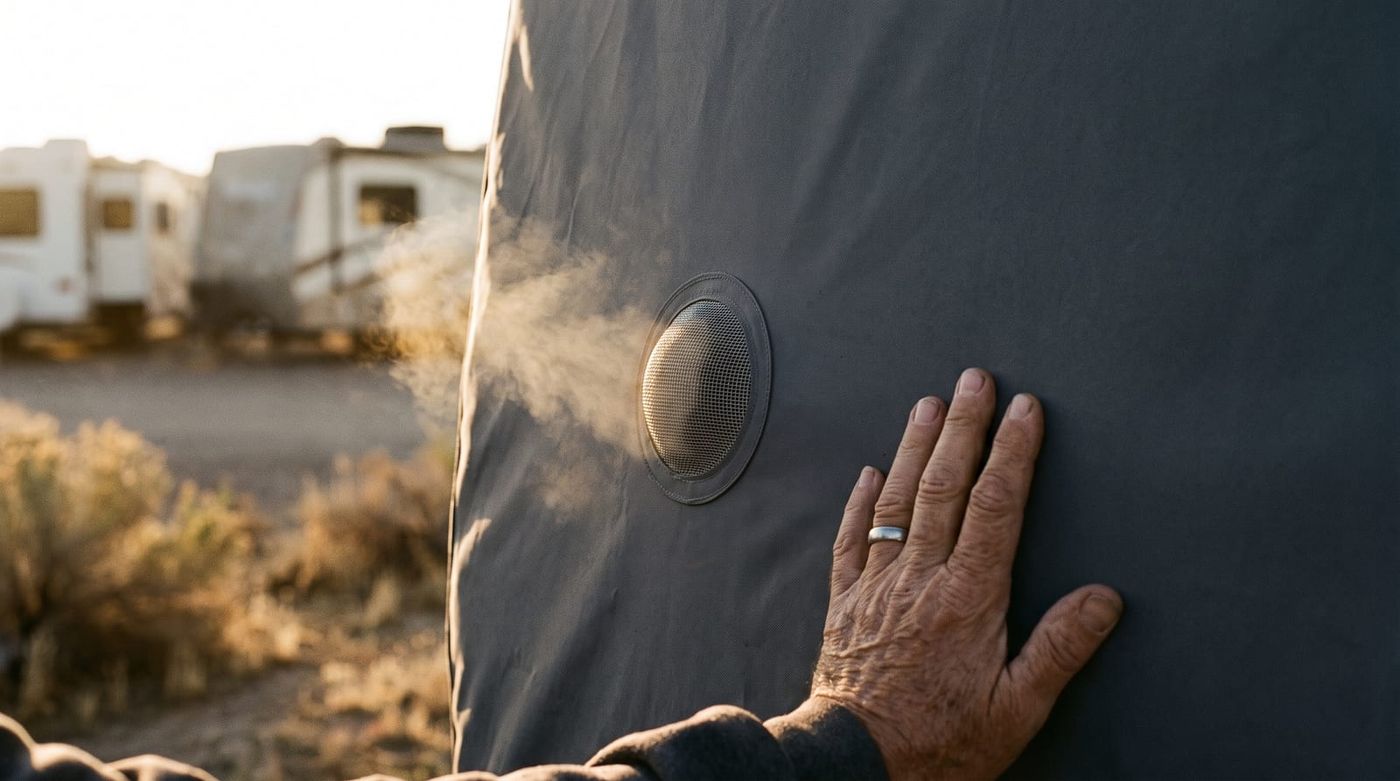
Truck campers don't get covered for a weekend and uncovered Monday morning. They sit for weeks, sometimes all winter, parked in a driveway or storage lot while the owner waits for the next trip. That's a long time for trapped moisture to sit against fiberglass and rubber seals, and moisture that can't escape becomes mold. It shows up on the exterior finish first, then works into roof seals where it's harder to catch.
This is where fabric construction actually matters, more than it does on a car cover. A car sitting under a cover for two weeks isn't building up the same humidity load as a camper with wood cabinetry, insulation, and interior air that needs somewhere to go. The best cover for a truck camper is breathable: it blocks rain from getting in but lets interior humidity work its way out instead of condensing on the underside of the fabric.
Roof vents and AC units need their own thought here too. A cover that just gets pulled down tight over an AC housing compresses onto the unit and traps a pocket of warm, damp air right around the seal, which is the opposite of what you want. Look for a cover design that's cut to allow clearance over rooftop accessories rather than stretching flat across them.
One habit worth building: air the camper out before you cover it for an extended stretch. Open the roof vent, run a fan through it for an hour, let any interior humidity clear before you seal it up. It's a small step that makes the cover's job easier.
UV Protection: Why Truck Camper Roofs and Seals Take the Most Damage
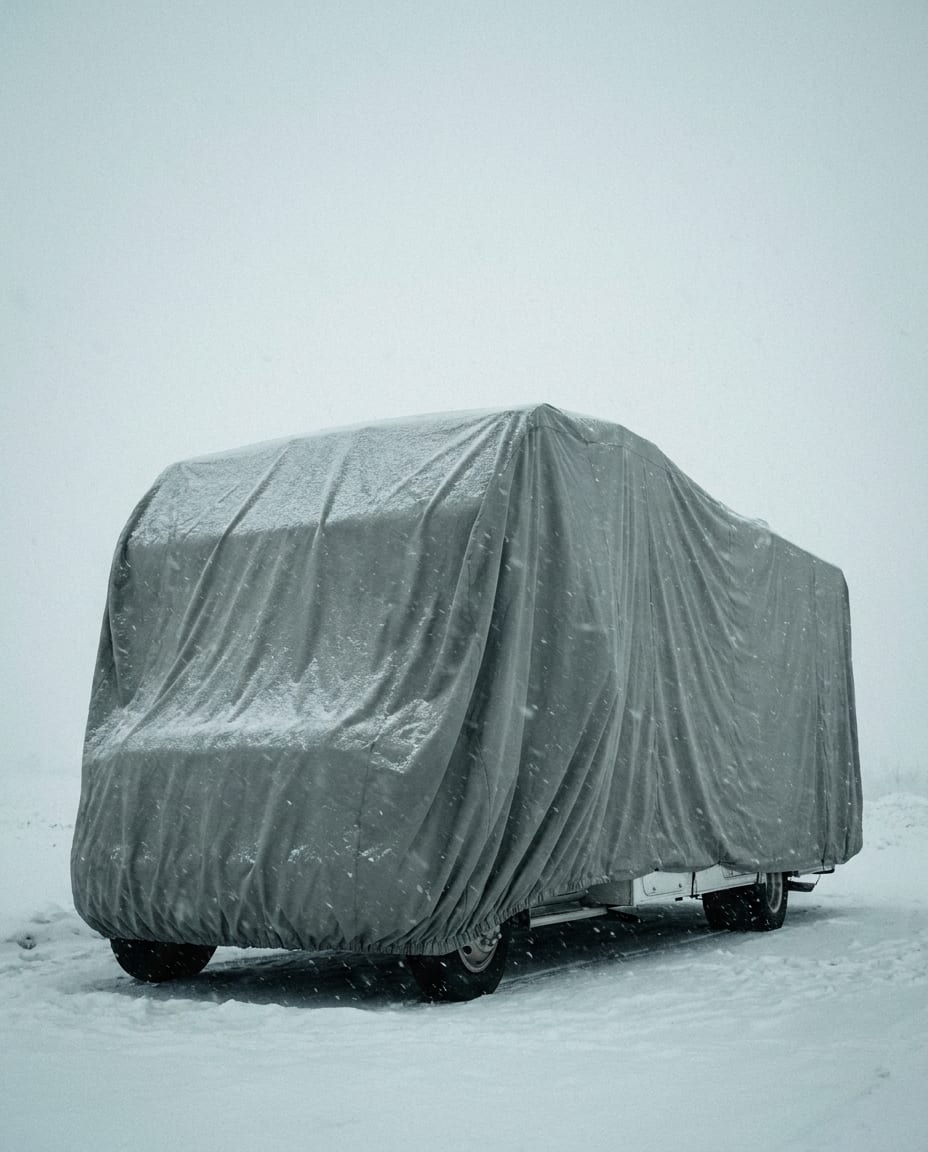
Most cars sit at an angle, so sun exposure is spread across the hood, roof, and trunk unevenly throughout the day. A truck camper roof is flat or close to it, which means it takes direct overhead sun for hours at a stretch, every clear day it's parked outside. That's a harsher environment than almost any sedan roof sees, and it shows: sealant around vents and skylights cracks faster, and fiberglass caps fade and chalk sooner than you'd expect.
Multi-layer, UV-resistant fabric slows that process down. It won't stop UV exposure entirely, nothing short of a garage does that, but a quality fabric keeps the surface underneath from baking the way it would uncovered.
Don't just think about the roof, either. Whichever side wall faces south or west during storage is absorbing serious sun for months at a time, so a cover that only shields the roof and leaves the sides exposed is solving half the problem. Full coverage matters more here than people assume when they're shopping by price alone.
Here's where the damage shows up first if you skip this: around roof vent gaskets and seam lines. Those are the weak points where UV breaks down sealant and lets water find its way in later. A properly fitted cover protects those seams continuously. A loose tarp thrown over the top, shifting with every gust, doesn't.
Other Features Worth Checking Before You Buy
A few things separate a cover that works from one that becomes a chore:
- Strap and buckle placement. You want tie-down points at bed level, not ones that require climbing up on the camper roof to secure. Wind straps anchored low keep the cover snug without turning setup into a ladder job.
- Reinforced stress points. Corners and the overhang edge take the most wind load, so double-stitched or reinforced panels in those spots last longer than uniform fabric all the way around.
- Waterproof vs. water-resistant. These aren't the same thing, and the difference matters based on where the camper lives. A unit parked outdoors year-round in rain and snow needs a genuinely waterproof cover, while one kept under a carport or open-sided shelter might do fine with water-resistant fabric.
- Access without full removal. If you're in and out of the camper on weekends even during storage season, look for a cover with a door flap or zippered access panel so you're not stripping the whole thing off and refitting it every time.
If you're unsure what size category your setup falls into, a quick look at sizing guidance for vehicle covers can save you a return shipment.
Common Mistakes When Covering a Truck Camper
The most common one: grabbing a standard RV or travel trailer cover because it's cheaper or more available, without checking that it accounts for the cab-over overhang shape at all. It won't. Those covers are cut for a rectangular box, not a shape that juts forward over a truck cab.
Second mistake, and this one's sneaky: measuring the camper's height off the ground instead of its height once mounted. A cover sized without the AC unit or roof vent in mind just won't clear those parts, and you'll find out the hard way when it won't zip or snap shut.
Third: covering a camper while it's still damp from a recent rain or a wash. Whatever moisture is on the surface when you cover it is moisture that's now trapped underneath with nowhere to go. Let it dry first, always.
Fourth: skipping the straps. A cover left loose, unsecured, just draped over the top, is going to catch wind and drag against the fiberglass finish every time a gust hits. Over a season of that, you'll see fine scratching and dulled gelcoat in the spots where the fabric kept rubbing. If you're setting up for the first time, RV cover installation guidance walks through strap placement so this doesn't happen.
Finding the Right Truck Camper Cover
Three things aren't negotiable here: a fit that accounts for the cab-over overhang, breathable venting that won't trap moisture against the roof seals, and UV-resistant fabric rated for months of outdoor storage, not just the occasional weekend. Skip any one of those and you're trading a cover problem for a maintenance problem down the road.
Before you buy anything, measure your specific camper, overhang included, against your truck's bed length and the mounted height over any rooftop accessories. That's the number that actually matters, not the camper's model spec sheet alone. From there, it's worth browsing truck camper cover options built around this shape specifically, rather than adapting something meant for a different class of RV, and a truck support pole installation can help keep the fit stable if your setup needs extra support at the overhang.
If you want more on getting outdoor coverage right generally, from wind to waterproofing, our guide to using a car cover outdoors covers a lot of the same principles that apply here. Worth a read before you commit to a size, and worth subscribing for more guides like this one as we publish them.