


Best Heavy Duty Car Cover: Comparison Table, Buyer Checklist & FAQs
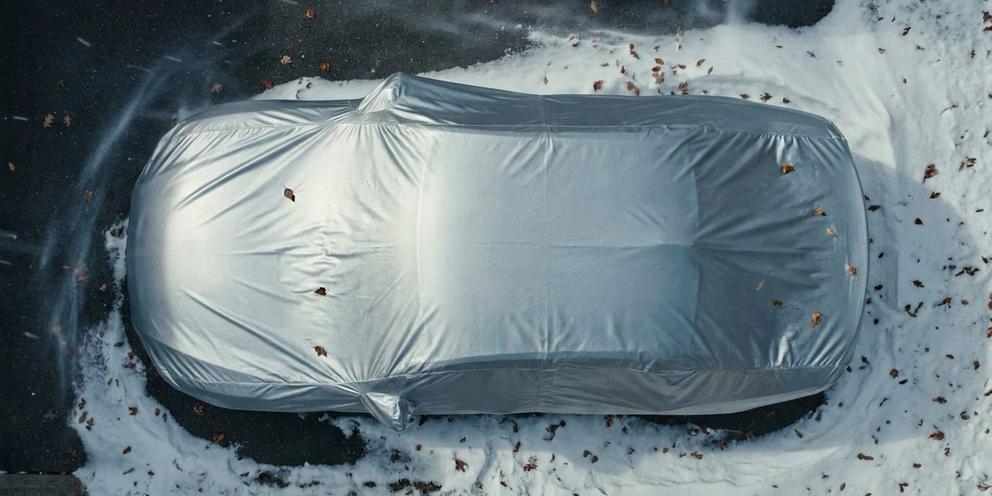
Shopping for a car cover and typing "heavy duty" into the search bar gets you a wall of options that all claim the same thing. Thick. Tough. Built to last. Most of that is copywriting, not spec sheets. The best heavy duty car cover for your driveway depends on your climate, how your vehicle sits outside, and whether the fabric actually matches what it claims on the label. This guide breaks down what heavy duty really means, compares the material and feature trade-offs side by side, and gives you a checklist so you're not guessing at the checkout page.
What "Heavy Duty" Actually Means in a Car Cover
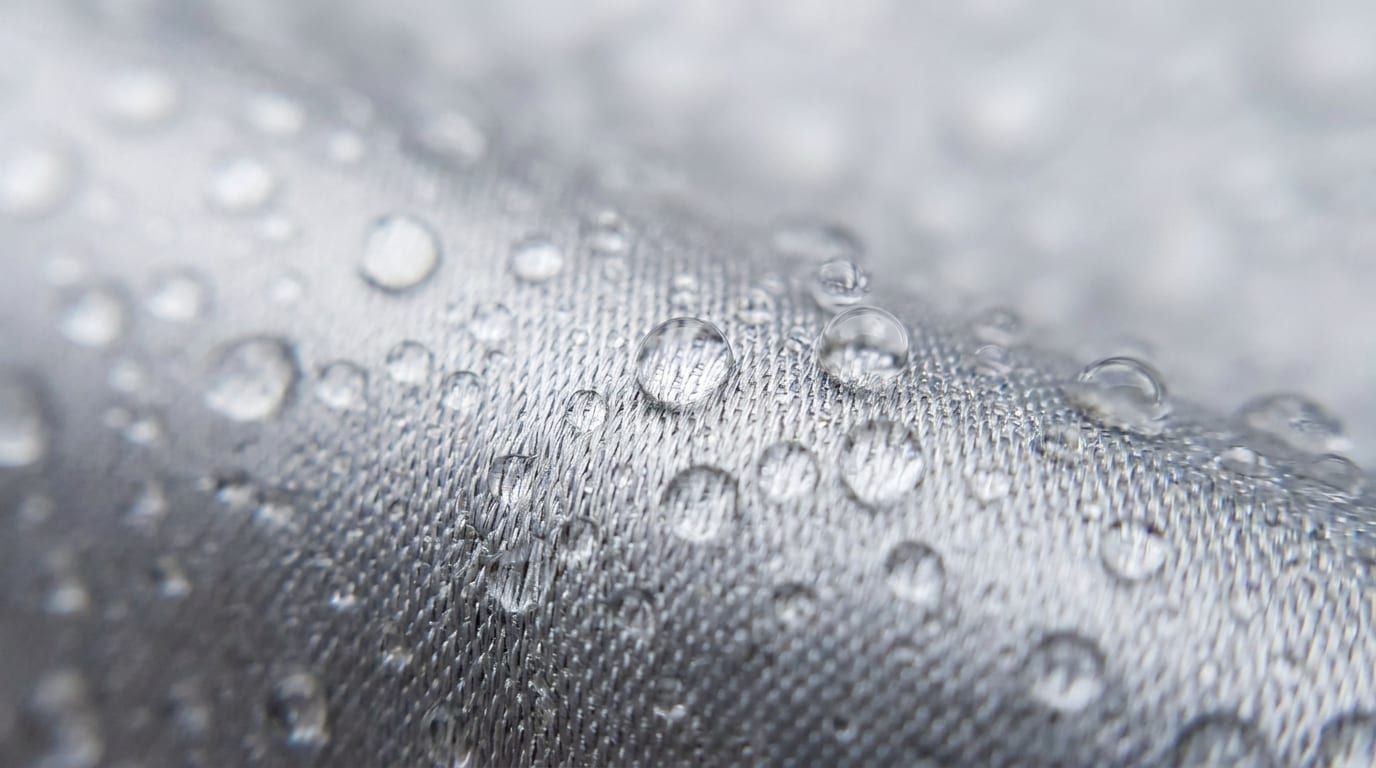
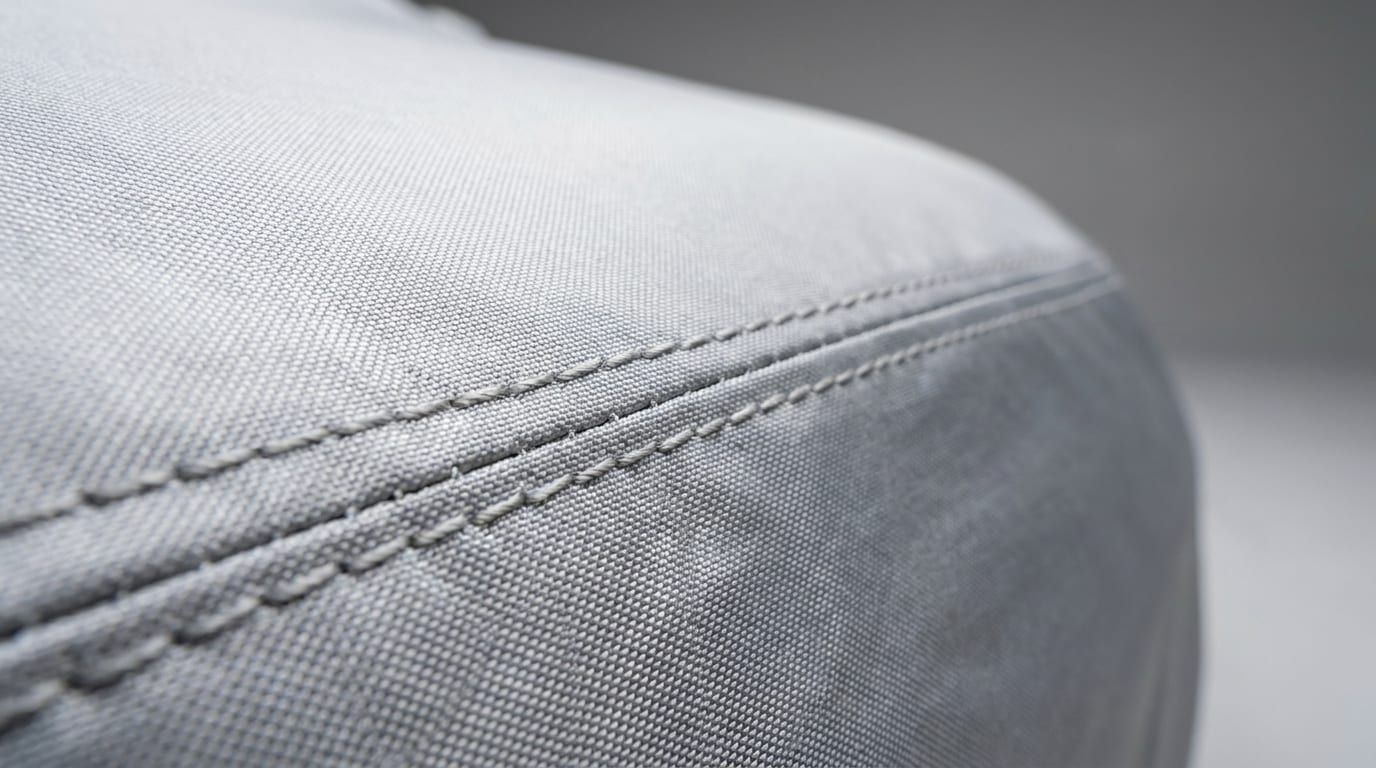
Here's the thing: "heavy duty" isn't a regulated term. It's marketing shorthand, and it means something different on every product page. The real measure is fabric weight, usually listed in ounces per square yard, combined with how many layers the material has and whether the seams are reinforced with double or triple stitching. A single layer of thick woven polyester and a multi-layer laminated fabric can both get called heavy duty, but they perform very differently outdoors.
There's also a split worth knowing before you shop: heavy duty outdoor covers are built to fight sun, rain, and wind over months of exposure, while lighter indoor or dust covers exist just to keep garage dust and the occasional scratch off the paint. Buying the wrong category is the single most common mistake people make here. If your car lives outside, you want something rated for outdoor car covers, not a soft indoor liner that'll shred in a windstorm.
And thicker isn't automatically better. A cover that blocks every drop of rain but doesn't breathe traps moisture underneath it, and that moisture sits against your paint and clear coat for hours. Mold and water spotting follow. Breathability matters just as much as raw fabric weight, which is why some of the best heavy duty car cover options on the market are multi-layer designs, not single sheets of dense material. For more on how different weaves and fabrics actually behave, our breakdown of car cover materials covers the specifics. The rest of this guide compares the main construction types and features, then hands you a checklist to match a cover to your actual storage conditions.
Heavy Duty Car Cover Comparison: Material, Protection Level, and Price
Single-Layer Heavy Woven Fabric
- Construction: One dense, tightly woven layer, often treated for water resistance
- Strength: Good tear resistance, decent UV blocking depending on treatment
- Weak point: Less insulation against condensation, can feel clammy in humid climates
- Typical price range: Budget tier, generally the least expensive heavy duty option
Multi-Layer Laminated Fabric with Fleece or Felt Lining
- Construction: Outer shell bonded to an inner soft layer that wicks moisture and prevents scratching
- Strength: Better balance of water resistance and breathability, softer against paint
- Weak point: Bulkier to fold and store, higher cost than single-layer
- Typical price range: Mid-range, where most genuinely "heavy duty outdoor" covers land
Custom-Fit Premium Heavy Duty Covers
- Construction: Multi-layer fabric cut to the exact contours of a specific make and model
- Strength: Minimal flapping, tightest seal against wind-driven rain and dust
- Weak point: Priciest tier, and fit is useless if you buy the wrong model year
- Typical price range: Premium, reflecting the tailored pattern work
Waterproof versus water-resistant is the trade-off that trips up the most buyers. Fully waterproof car covers block every bit of moisture from getting in, which sounds great until you realize they can also trap condensation underneath during temperature swings. Water-resistant, breathable weaves let some vapor escape while still shedding the majority of rain. If you park somewhere with heavy, sustained rain, waterproof might win. If you deal with humidity and temperature swings between day and night, breathable usually holds up better long-term.
UV resistance is its own category entirely. A cover with a UV-treated outer layer is rated to hold its color and fabric strength through years of direct sun. Untreated fabric fades, then weakens, then starts cracking at the seams, and that happens faster than most people expect in desert or high-altitude climates.
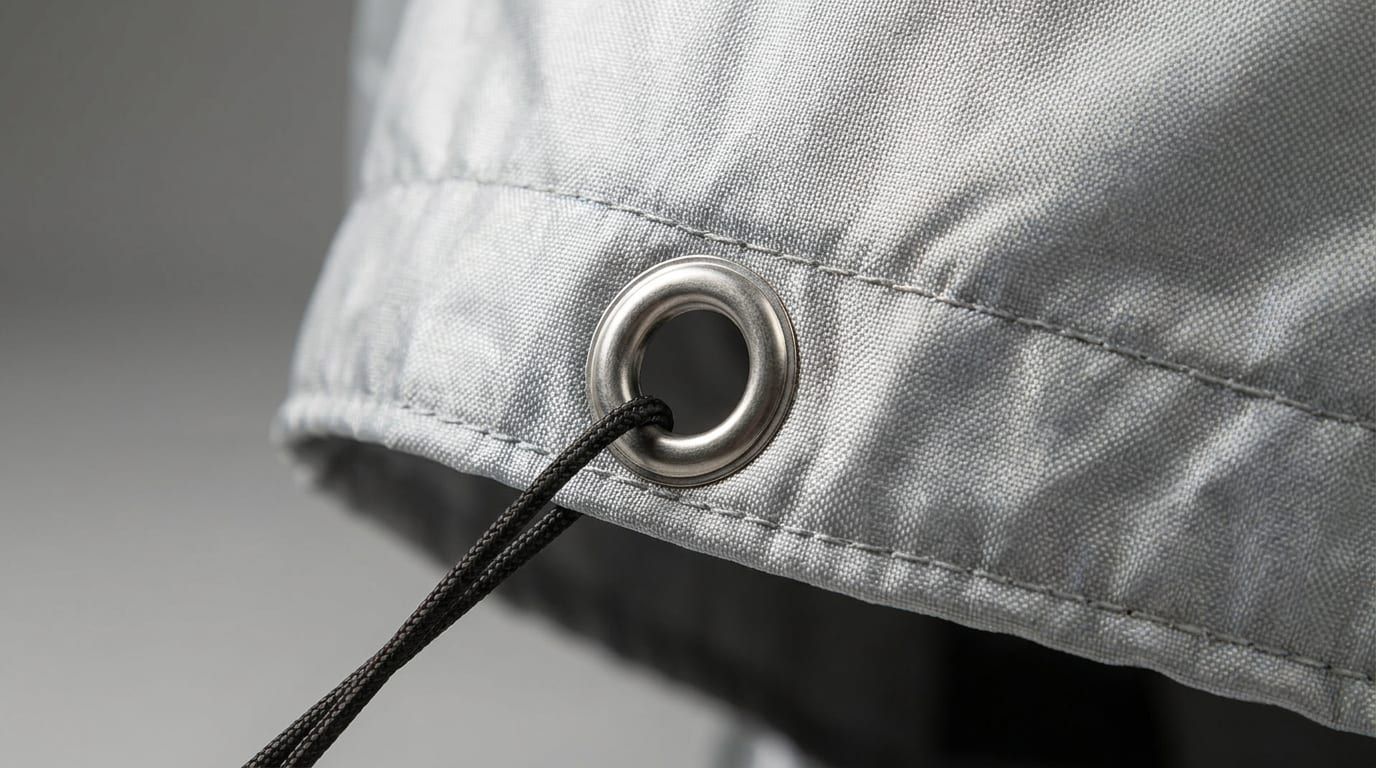
Wind and theft security come down to hardware, not fabric. Grommets at the base for tie-down straps, elastic hems that cinch tight, and loops that accept a cable lock all matter more in exposed parking than an extra layer of fabric thickness. A cover with none of that in a windy coastal lot is going to end up in your neighbor's yard eventually. Our guide to using a car cover outdoors walks through securing a cover properly against wind, rain, and sun exposure together, since those three risks rarely show up alone.
Climate also decides which construction wins. Heavy snow and ice regions want thicker, multi-layer fabric with enough structure to shed weight without sagging, and if hail is a real risk where you live, check specifically for hail-rated car covers rather than assuming "heavy duty" covers that too. Desert and high-UV regions want the UV-treated outer layer above almost everything else. Coastal and humid regions want breathability first, since trapped salt air and moisture will corrode more than they'll just discolor. There's no single best heavy duty car cover that wins in every one of those environments. There's a best one for yours.
Buyer Checklist: How to Choose the Right Heavy Duty Cover
Start with location, not fabric. Indoor or outdoor changes everything downstream, so nail that down before you compare a single spec sheet.
- Fit type: Universal covers are cheapest but flap more in wind, which causes friction wear over time. Semi-custom splits the difference. Custom-fit car covers hug the body closest and cause the least chafing against paint.
- Exact size match: Rounding up to "close enough" is how people end up with excess fabric dragging on the ground or a cover so tight it stresses the seams. Use a sizing guide by vehicle to confirm length and body style match before ordering.
- Securement hardware: If your vehicle sits somewhere windy, reinforced grommets and tie-down points aren't optional extras. Pair them with a proper gust strap installation so the cover stays put instead of flapping against the paint all night.
- Climate-specific rating: Match the cover's actual rated protection, not the category name, against your real risks: hail, snow load, sustained UV, or coastal humidity.
- What's actually included: A storage bag, cable lock, or care kit changes the real value of the purchase. Two covers priced the same aren't the same deal if one comes with nothing extra.
- Warranty terms: Heavy duty covers take more abuse than indoor ones simply because they're outside constantly. Check the warranty coverage before you buy, not after something rips.
None of these matter in isolation. A perfectly sized cover with no wind hardware still ends up torn. A well-secured cover in the wrong fabric for your climate still fails early. Run through the full list, not just the one or two points that feel most obvious.
Common Mistakes That Shorten a Heavy Duty Cover's Lifespan
Most heavy duty covers don't fail because the fabric was bad. They fail because of how they were used.
Wrong fit is the biggest one. Too loose, and the fabric flaps in wind, grinding against the clear coat like sandpaper over weeks. Too tight, and you're stressing seams every time you put it on or take it off. Both wear a cover out fast, and neither is the fabric's fault.
Skipping tie-downs is a close second. A cover rated for outdoor wind exposure still needs to actually be secured. Leaving it loose on a gusty day defeats the entire point of buying a heavy duty version in the first place.
Covering a wet car is another one people don't think about. Throwing a non-breathable cover over a vehicle that's still damp from rain or a wash traps that moisture directly against the paint. Let it dry first. It's a five-minute wait that saves you from water spotting or worse.
Dirty covers cause damage too, and it's sneaky because it happens slowly. Grit and dust sitting in the fabric grind into the paint every time wind moves the cover even slightly. A periodic cover cleaning isn't just about keeping the cover looking decent, it's protecting the paint underneath it.
And no, a tarp is not a substitute. It might feel like the cheaper fix, but hardware store tarps aren't built with automotive paint in mind and cause more scuffing than protection. If you're on the fence, this comparison of tarps versus purpose-built car covers lays out exactly why they're not interchangeable.
FAQs About Heavy Duty Car Covers
Is a heavy duty car cover worth it for daily outdoor parking?
Yes, if your vehicle sits outside most of the time. A heavy duty cover holds up to repeated sun, rain, and wind cycles in a way lightweight covers just aren't built for. Skimping here means replacing the cover more often, not saving money.
Can a heavy duty cover be used indoors?
It can, but it's usually overkill. Heavy duty outdoor fabric is built for weather resistance, not just dust, so a lighter breathable indoor cover is typically more practical and easier to handle in a garage.
How long should a heavy duty car cover last?
A well-maintained multi-layer heavy duty cover typically holds up for several years of regular outdoor use. That range shifts a lot based on climate severity and how consistently it's actually secured, which is why the checklist above matters as much as the initial purchase.
Does a heavy duty cover protect against hail?
Some do. Certain heavy duty covers add extra padding or thicker layers specifically rated for hail impact, but that's not a given across the whole category. Check the hail rating separately rather than assuming "heavy duty" covers it automatically.
What's the difference between waterproof and water-resistant heavy duty covers?
Waterproof covers block moisture completely but can trap condensation underneath. Water-resistant, breathable covers let some vapor escape while still shedding most rain. Neither is universally "better," it depends on your climate.
Finding the Right Heavy Duty Cover for Your Vehicle
The right pick comes down to three things: where the vehicle sits, what your climate actually throws at it, and whether the fit is accurate enough to stop wind chafing. Fabric thickness alone doesn't answer any of that.
Before you compare products, figure out your specific risk profile. Sun-baked driveway, snow load, salt air, constant wind, they all point toward different construction choices, and knowing yours up front saves you from buying twice. A fit finder tool can confirm the exact size and category match for your vehicle before you commit to anything.
If you're ready to start narrowing things down, it's worth browsing outdoor and waterproof cover options by vehicle type and comparing what's actually available for your make and model. And if you want more buying guides like this one before your next purchase, stick around and check out what else we've covered.
Updated