


Best Waterproof Car Cover for Your Toyota Sienna: Climate-by-Climate Protection Guide
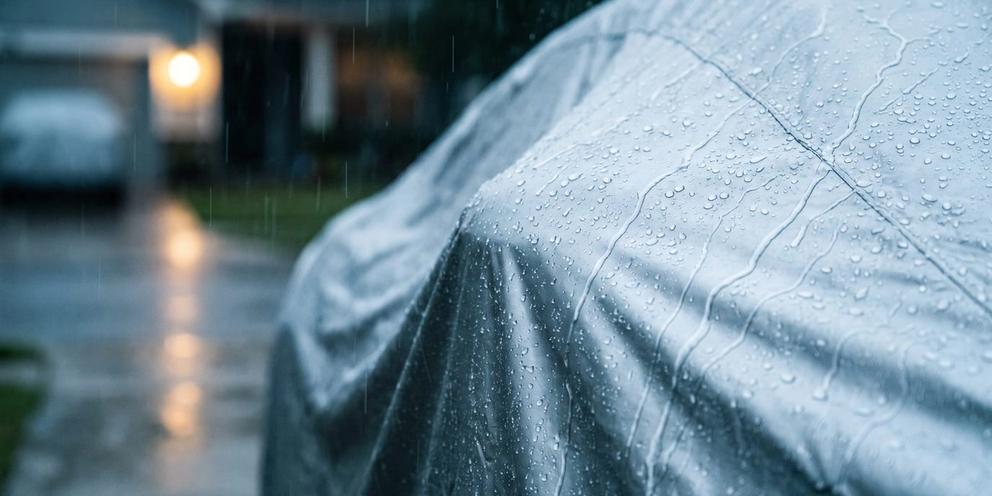
Leave a Toyota Sienna uncovered through one bad storm season and you'll see exactly where the water goes: pooling along the sliding door tracks, creeping into the roof rail channels, fogging up that enormous windshield from the inside. A cheap cover that just repels light drizzle won't cut it here. If you're shopping for a waterproof car cover for Toyota Sienna use, the climate you actually park in matters more than any single "best" product on a list.
Why Your Toyota Sienna Needs More Than a 'Water-Resistant' Cover
"Water-resistant" and "waterproof" get used interchangeably in cover listings, and that's a problem. Water-resistant fabric sheds a light mist or a few minutes of drizzle. Waterproof fabric holds up against sustained rain, resists soak-through at the seams, and won't let water sit and wick through if it pools in a low spot. For a minivan that spends real time parked outdoors, that difference decides whether your interior stays dry or you're mopping up a damp headliner in October.
The Sienna has a few spots that make this worse than average. The sliding door tracks collect water and grit even in good weather. Roof rails create channels where rain runs and lingers instead of sheeting straight off. That windshield is huge, so it's a big flat surface for water to test any weak point in the fabric. And the front bumper sits low enough that road spray and puddle splash hit it constantly.
So before you buy anything, think less about "does it rain where I live" and more about where the van actually sits: driveway, carport, open lot, near the coast, under a tree that drips for hours after a storm passes. That's the real starting point. The rest of this guide breaks down what to prioritize by climate, because a cover built for Arizona sun and one built for Michigan winters solve completely different problems.
What Actually Makes a Cover Waterproof: Materials and Construction
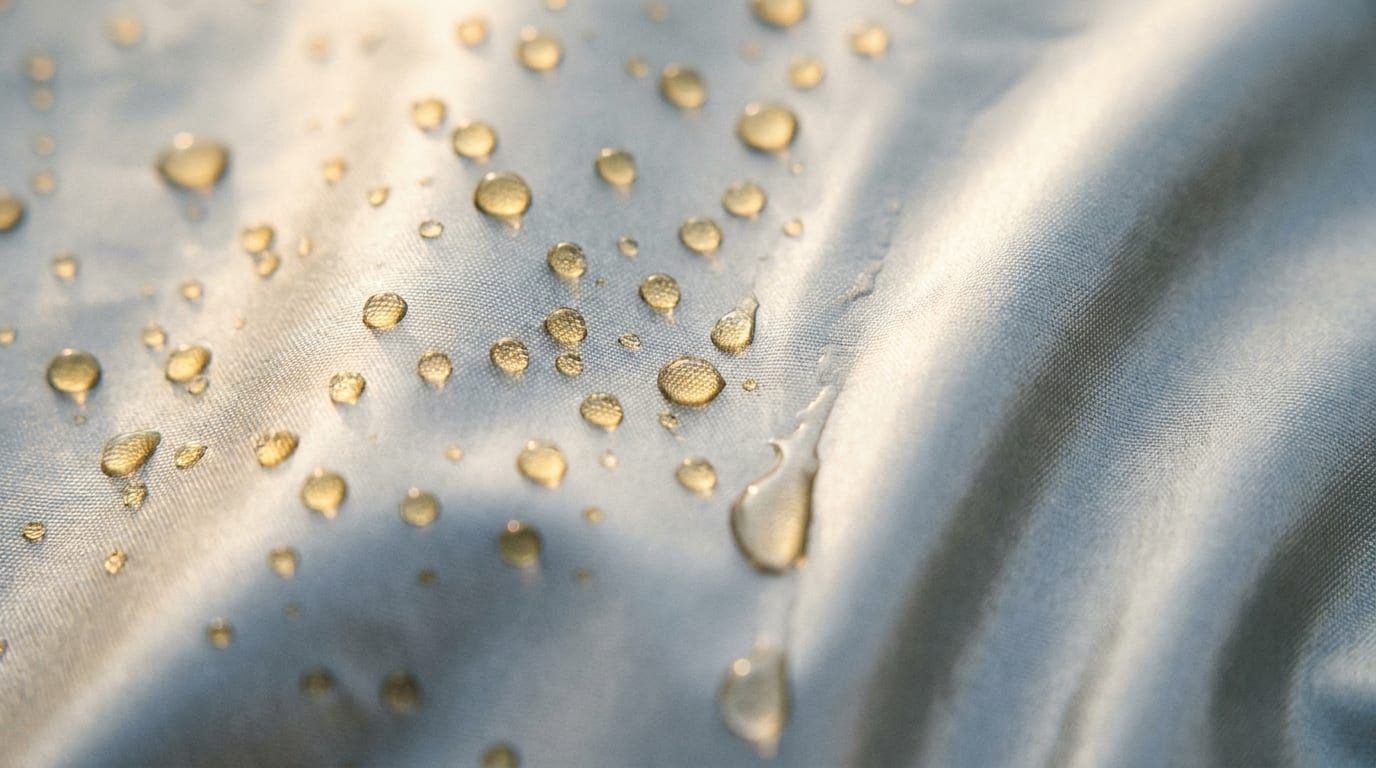
Most decent waterproof covers use layered construction: an outer shell that blocks water, a middle barrier layer, and a soft inner lining that protects the paint from rubbing against anything stiff. Single-layer covers almost always fail somewhere, usually right where the fabric flexes or bunches, because one layer doing every job means it's not doing any of them particularly well.
Fabric quality gets most of the attention, but seams are where cheap covers actually fail. A perfectly waterproof material sewn together with unsealed or poorly taped seams still lets water through, just slower. If you're comparing options, look specifically at how the seams are finished, not just the fabric spec sheet. Our breakdown of waterproof fabric types gets into which materials hold up and why some marketed as "waterproof" really aren't.
There's also a trade-off worth knowing before you buy: fully waterproof but non-breathable covers can trap condensation underneath. On a warm day after a cool night, moisture forms under the cover and just sits there against the paint. Sometimes that's worse than getting rained on directly. The better covers manage both, keeping rain out while still letting trapped moisture escape.
Last thing to check: grommets, reinforced stitching, and elastic hems. These aren't cosmetic details. They're what stops wind-driven water from working its way in at the edges, which is usually where owners notice leaks first.
Rainy and Humid Climates: What to Prioritize
If you're in the Pacific Northwest, the Gulf Coast, or anywhere with long humid stretches, sealed seams and a breathable-yet-waterproof outer layer should be at the top of your list. Mold and mildew build up fast under a cover that traps moisture, and once it's in the fabric, it's hard to fully get out.
Check the fit around the Sienna's sliding doors and side mirrors specifically. Those are the spots where wind-driven rain sneaks underneath a loose cover, even one made from genuinely good material. A snug fit there matters as much as the waterproof rating on the tag.
Humidity adds its own wrinkle. Leaving a cover on for weeks without airflow, in a damp climate, can trap moisture against the paint even with a technically breathable fabric. It's not a one-and-done purchase. Pull the cover off periodically, let both the van and the cover air out, and you'll avoid the slow damage that shows up as water spots or dulled clear coat months later. Our guide on using a car cover outdoors covers this routine in more detail.
Snow, Ice, and Freezing Climates
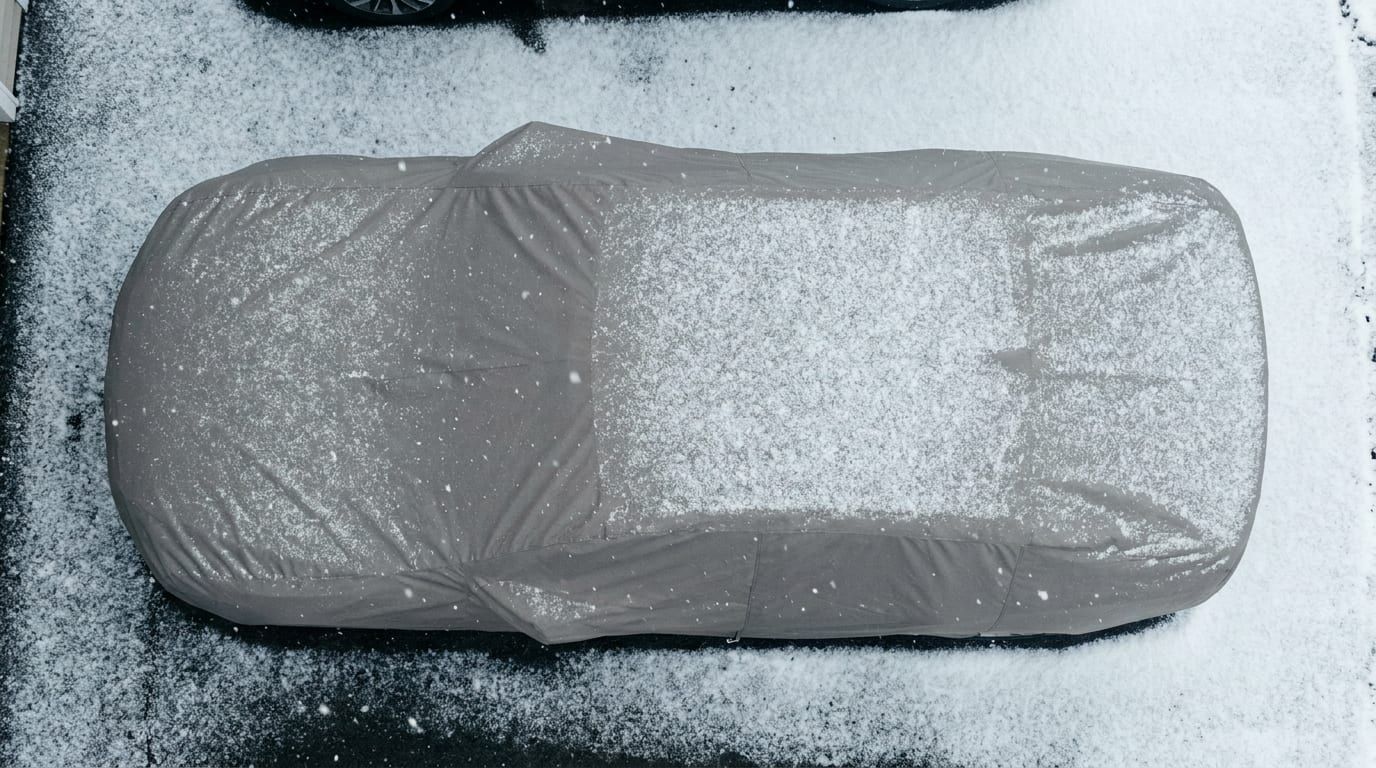
Waterproofing matters just as much in snow country as it does in the rain, maybe more. Melting snow sits against the cover fabric exactly like standing water, just slower and colder. If the material isn't truly waterproof, that slow melt finds its way in over hours, not minutes.
Cold climates also call for a heavier-duty cover, ideally multi-layer or insulated, that won't go stiff or crack when temperatures drop. A thin cover that's fine in October can turn brittle in January and tear at the folds.
Straps and cable locks matter more here too. Wind plus accumulated snow weight can pull a loosely secured cover right off, and once one corner lifts, the rest follows fast. If you haven't set up your straps yet, installing gust straps is worth doing before the first real snowfall, not after.
One more detail: a soft fleece-style inner lining helps prevent ice from scratching the paint during freeze-thaw cycles, when a frozen cover shifts slightly against the body. It's a small feature that saves you from fine scratches you won't notice until spring.
Hot, Sunny, and High-UV Climates
Waterproofing and UV resistance are two different jobs, and a cover can absolutely nail one while ignoring the other. A fully waterproof cover with no UV treatment will still let the sun bake your paint and dashboard right through the fabric over a summer.
If you're in the Southwest or Southeast, look for a reflective or UV-treated outer layer specifically, not just a waterproof rating. The Sienna's large glass area and dark interior trim heat up fast under direct sun, and a cover without UV protection barely slows that down.
Here's the trade-off nobody mentions enough: covers built for maximum waterproofing sometimes run hotter under direct sun because that same dense barrier layer that blocks rain also traps heat. Ventilation in the design helps offset this, so it's worth checking for vented panels if you're buying for a hot, sunny climate.
And don't assume waterproofing is optional just because you live somewhere dry most of the year. Summer thunderstorms in the desert Southwest and the Southeast can be intense and sudden, so the same seam quality that matters in year-round rain regions still applies here.
Coastal and Salt-Air Environments
Salt air is its own category of problem. Combined with moisture, it speeds up corrosion on exposed metal trim, door handles, and undercarriage components a lot faster than plain rain does. A cover alone won't stop all of that, but it slows exposure significantly on the surfaces it actually protects.
Coastal Sienna owners should look for fully sealed grommets and hardware that resist corrosion themselves, since cheap metal grommets rust and stain the fabric right where you need it strongest.
The cover needs upkeep too. Salt builds up in the fabric over time and degrades it faster than plain dirt would, so rinsing and drying the cover periodically keeps the waterproof coating performing the way it's supposed to. Our cover care guide walks through how to do this without damaging the coating itself.
Coastal wind patterns are usually stronger and more constant than inland, so wind straps and a properly sized fit matter more here too. A cover that flaps in steady coastal wind wears down at the edges fast, and that's usually where leaks start first.
Getting the Fit Right for a Toyota Sienna Specifically
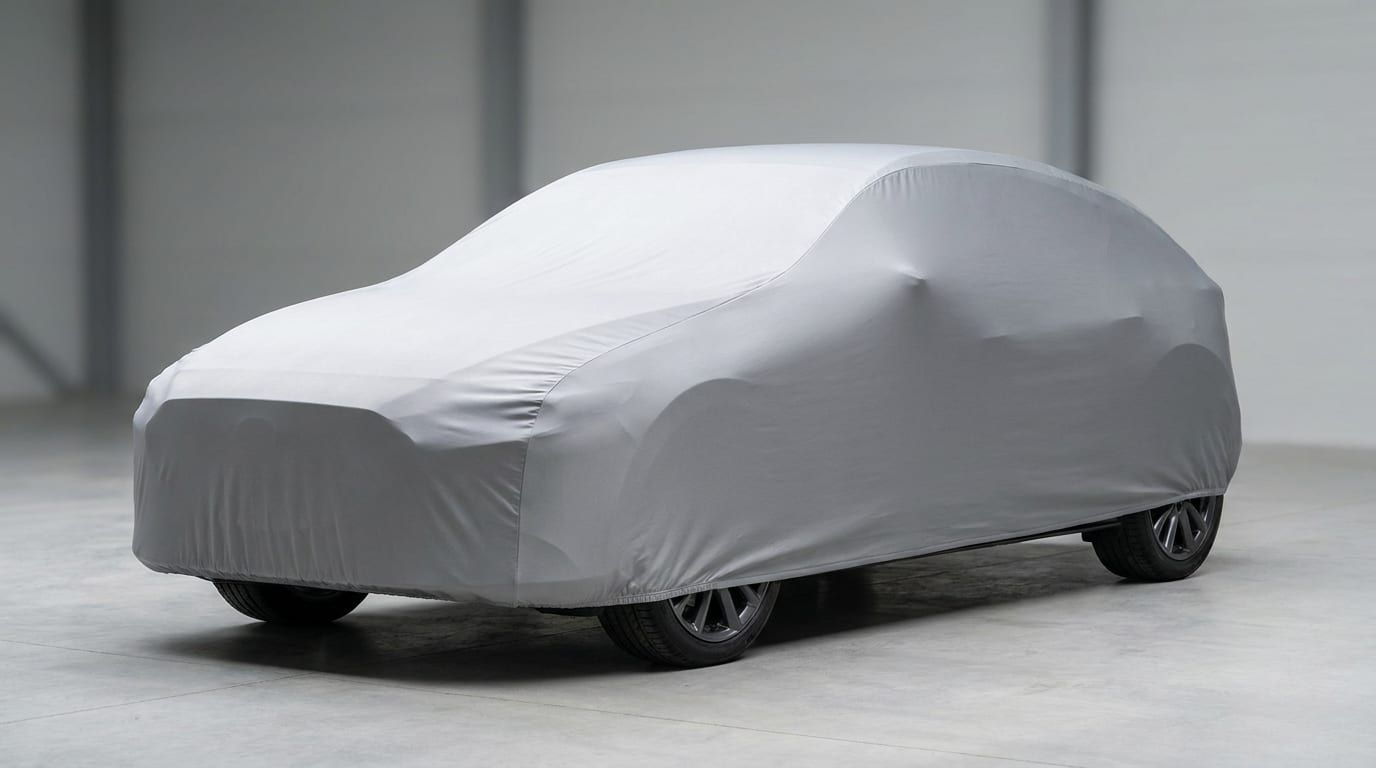
Here's the thing about fit: it matters more for waterproofing than the fabric itself does. A universal cover with excellent waterproof material still lets water in through the gaps it doesn't cover, because water doesn't care how good your fabric is if there's a two-inch gap at the bumper.
A minivan-specific cover built for the Toyota Sienna accounts for its actual dimensions: overall length, roof height with the roof rails factored in, and mirror pockets that match where the Sienna's mirrors actually sit. Generic covers guess at these. Model-specific ones don't have to.
Don't assume every Sienna generation fits the same cover, either. The body shape has changed enough across generations that a cover sized for an older model may not seal properly on a newer one. Check the exact trim and year against the sizing guide before you buy, and if you want the closest possible seal, a custom-fit cover is worth the extra step over a generic van cover.
A properly fitted cover also just holds up longer. Loose fabric flaps in wind, and that constant movement wears down waterproof coatings over time in exactly the way a snug fit doesn't.
Choosing and Maintaining Your Cover Going Forward
Match the cover to the harshest condition your Sienna actually deals with, not the average day. If you get four dry months and two brutal snow months, buy for the snow. The mild weather won't be what damages the fabric.
Routine cleaning keeps that waterproof coating doing its job across multiple seasons. Dirt and grime break down coatings faster than most owners expect, so a clean cover isn't just about looks.
Warranty coverage is worth checking too, especially on higher-cost multi-layer covers where you're paying for the construction quality described above. A lifetime warranty is a reasonable thing to look for before spending real money on a cover you expect to last years.
If you're still narrowing things down, browse waterproof car cover options built for vans and see what actually fits your Sienna's year and trim. And if you want more climate-specific car care advice like this, it's worth poking around the rest of our articles before your next storm season hits.
Updated