Can You Recommend a Good Car Cover for a Pickup Truck Parked in Heavy Pollen in Spring?
Published
The Short Answer: Best Car Cover for Pollen-Heavy Spring Parking
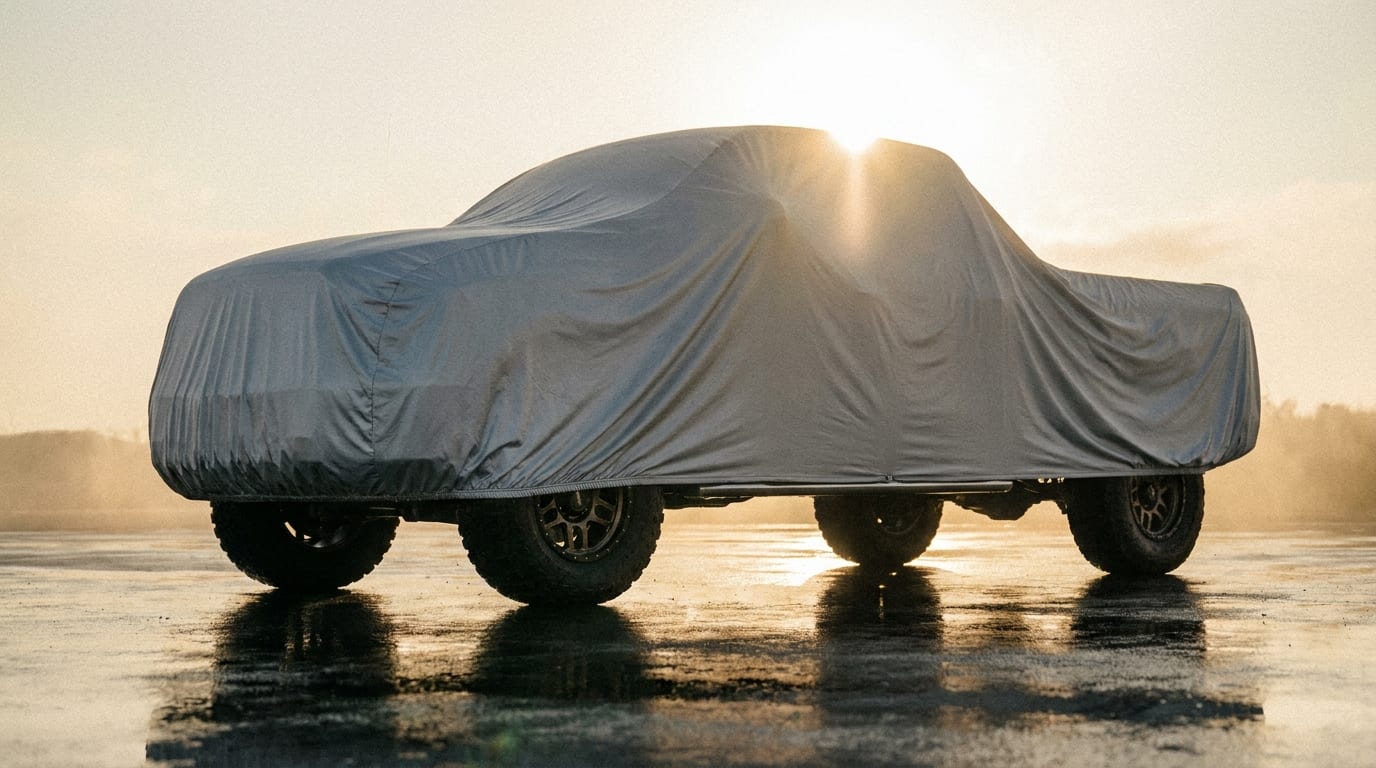
Can you recommend a good car cover for a pickup truck parked in a place with heavy pollen in spring? Yes: go with a custom-fit, breathable, water-resistant outdoor truck cover. It keeps pollen from working its way into the paint while still letting trapped moisture escape, which a sealed-up plastic tarp or an indoor-only cover simply can't do.
The fabric matters most here. It needs to be breathable, so pollen and morning dew don't combine into a sticky film sitting on your hood, and it needs to rinse clean fast, because pollen season means weekly cleanup, not seasonal cleanup. A snug, custom fit matters just as much as the fabric choice. Loose universal covers flap and shift, leaving gaps at the hood seam and windshield edge where wind-blown pollen settles in and just sits there.
This holds true no matter what kind of cab you're running. Regular cab, extended cab, crew cab, doesn't matter, as long as the custom-fit car cover you choose is actually sized to that specific configuration and bed length.
Comparison: Truck Cover Options for Pollen Season
Not all outdoor covers handle pollen the same way, and indoor covers aren't built for this job at all. Here's how the three main options stack up:
| Cover Type | Breathability | Pollen/Dust Resistance | Ease of Rinsing Clean | Best Use Case |
|---|---|---|---|---|
| Basic Outdoor Cover | Moderate | Decent | Easy, hose off | Mild pollen seasons, budget buyers |
| Premium Multi-Layer Outdoor Cover | High | Strong | Rinses clean, no staining | Heavy pollen zones, long outdoor exposure |
| Indoor/Satin Cover | Low | Not designed for this | Not meant for repeated rinsing | Garage storage only |
The takeaway is pretty straightforward: if you're dealing with a heavy pollen season, skip the basic option and go straight for a premium outdoor car cover built with multi-layer, breathable fabric. The indoor/satin style isn't even a contender here, it wasn't made for UV exposure or weekly hose-downs, and using one outdoors during pollen season will wear it out fast.
Why Pollen Is Uniquely Tough on Truck Covers
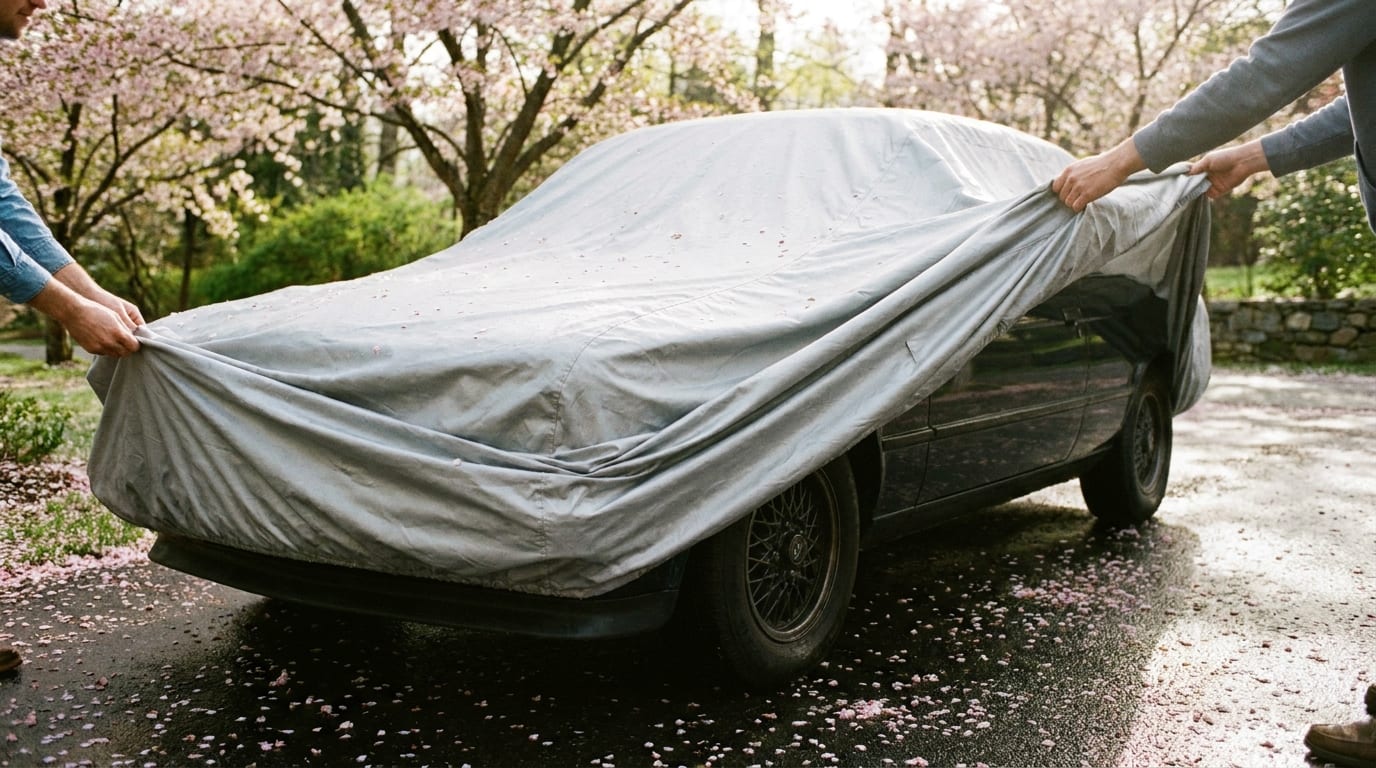
Pollen isn't like regular dust. It's a fine, almost powdery substance that works its way into the weave of a fabric, and once it mixes with morning dew or a light spring shower, it turns into a sticky residue that's genuinely harder to remove than dry grime. Wipe it when it's dry and it's manageable. Let it sit through a wet morning and it bonds to whatever surface it's touching.
Trucks have a lot of flat, horizontal real estate where this stuff loves to collect: the hood, the area over a bed cover, the tailgate. These are exactly the spots that catch the most direct pollen fall, and they're also the spots most exposed to standing moisture overnight.
Here's the real risk: a non-breathable cover traps that pollen-moisture mix right against the paint. Leave it there for a few days and you're looking at etching or staining, not just a dirty cover. And a cover with clogged or low-grade fabric pores loses its breathability a lot faster once pollen builds up in the weave. That's precisely why fabric quality matters more in a heavy-pollen climate than it does somewhere dry and dust-free. A so-so cover might get away with mediocre breathability in Arizona. It won't in Georgia in April.
Key Features to Prioritize in a Pollen-Season Truck Cover

A few features separate a cover that actually holds up through pollen season from one that just looks good on a product page:
- Breathable multi-layer fabric that blocks fine particles like pollen while still letting trapped humidity escape from underneath.
- UV-treated material. Spring sun combined with a layer of pollen residue speeds up fading on an uncovered hood more than most people expect.
- Custom-fit sizing by cab style and bed length, so there are no loose gaps along the edges where wind-driven pollen likes to pile up.
- Elastic hem and included straps to keep the cover locked down during gusty spring weather. A cover that shifts around just shakes loose pollen right back onto the truck.
- Machine-washable or easy-rinse fabric. Pollen-heavy regions usually call for weekly cleaning, not the once-a-month routine that works fine in milder climates.
If you want a deeper look at how water-resistance plays into all this, the waterproof car cover guide breaks down what "water-resistant" actually means on a spec sheet versus what it means in practice.
Fit and Sizing Considerations for Trucks
Bed length and cab configuration change the whole equation for what counts as a "custom fit" on a pickup. A regular cab with a long bed needs a different cut than a crew cab with a short bed, and treating those as interchangeable is where most fit problems start.
Don't guess a universal size. Measure your truck, or better yet, use a model-specific fit lookup built around your exact year, make, and configuration. Gaps are where pollen accumulates most, so the tighter and more accurate the fit, the less surface area pollen has to work with.
There's a bonus here too: a properly sized cover sheds spring rain more effectively, and that light rain actually helps rinse pollen off the fabric surface naturally between your cleaning sessions. It's a small assist, but it adds up over a season.
Mismatched sizing is honestly one of the most common reasons outdoor covers underperform in high-pollen regions. People buy a decent cover, size it wrong, and then blame the fabric when the real issue was fit from the start. If you're not sure where your truck lands, the truck bed size guide is worth a look before you order anything, and the sizing guide for car covers covers the general principles that apply across vehicle types.
Maintenance Tips for Pollen Season
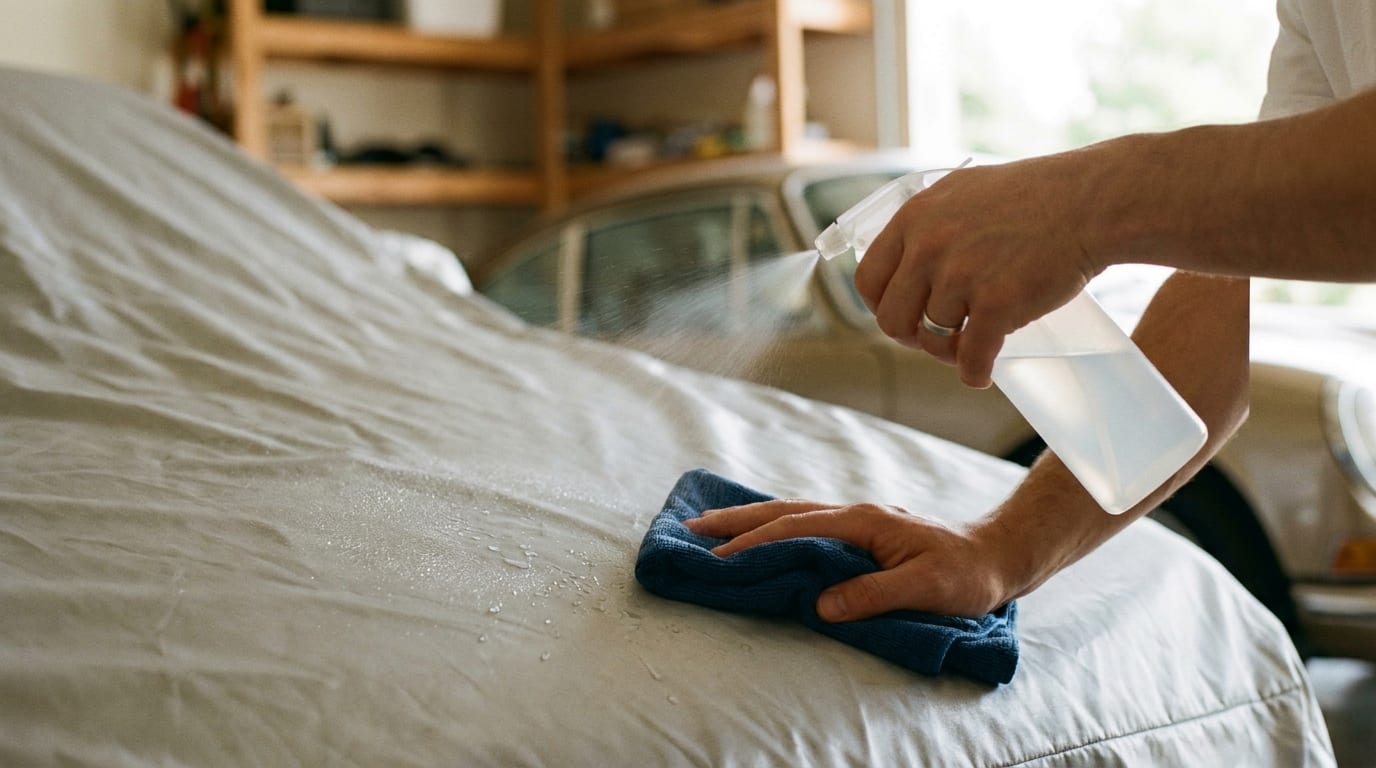
A good cover still needs a routine behind it. Shake off loose pollen before you pull the cover off each time, not after. Skip that step and you're dumping a layer of pollen straight onto your truck's paint, which defeats half the point of covering it in the first place.
During peak pollen weeks, rinse the cover with a garden hose weekly rather than waiting until you can visibly see buildup. By the time it's visible, it's already had time to work into the fabric.
Let the cover dry fully before you fold it up or store it. Trapped moisture mixed with leftover pollen residue is a good recipe for mildew, and that's a much bigger hassle than a few extra minutes of air-drying. For a full walkthrough on this, the cover care and cleaning guide covers the specifics on washing frequency and drying methods.
Regular cleaning isn't just about appearances, either. It preserves the fabric's breathability. Pollen buildup gradually clogs the weave, and a clogged cover stops doing the one thing it was bought to do.
Bottom Line and Next Steps
So, can you recommend a good car cover for a pickup truck parked in a place with heavy pollen in spring? Yes, and the answer doesn't really change based on truck model: a custom-fit, breathable, water-resistant outdoor cover is the right call. It handles the fine powder, sheds the moisture that turns pollen sticky, and holds up to the weekly rinsing this season demands.
Before you buy, confirm your exact bed length and cab style. That one step is what separates a true custom fit from a cover that looks right on paper but leaves gaps in practice. It's also worth checking that whatever you choose comes with solid warranty coverage, since you're going to be using this cover hard for months, not just storing it in a closet.
If you're ready to look at options, browse through the truck cover lineup and find the exact fit for your cab and bed configuration. And if you're still weighing features or just want more seasonal care tips, stick around the blog, there's more here worth reading before you commit to a cover.