
Can You Recommend a Good Car Cover for a Sports Car in a Hailstorm-Prone Area?
Published
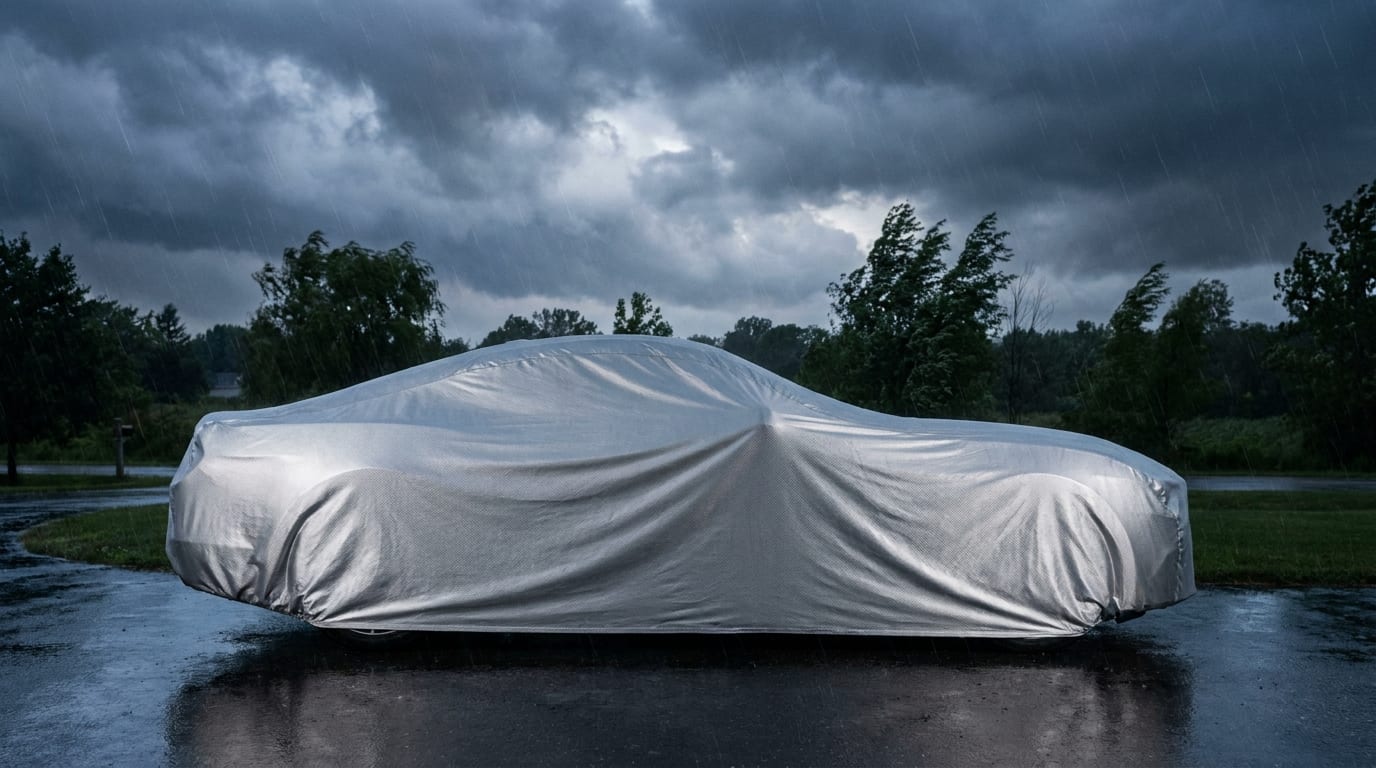
The Quick Answer: Best Car Cover for Hail-Prone Areas
Can you recommend a good car cover for a sports car parked in an area with frequent hailstorms? Yes: go with a dedicated hail-rated cover that has a thick padded inner layer, a weatherproof outer shell, and a true custom or semi-custom fit for your exact model. A loose universal cover does almost nothing in a hailstorm. It just sits a few inches off the paint, giving hail a clear runway straight to the body.
This isn't about pushing one specific product. It's a framework for what to look for, and we've built out the full buying guide at hail car covers if you want to go deep on one page. Below, we'll get into why sports cars take more punishment in hail than trucks and SUVs, which features actually stop dents, how the main cover types stack up side by side, and what to look for on specific models like the 944, Corvette, or Mustang GT.
Why Sports Cars Need More Than a Basic Cover in Hail

Low ground clearance. Front splitters. Thin, high-gloss clear coats meant to look good, not absorb impact. All of that adds up to a car that shows hail damage worse than a truck bed or SUV roof would. A pickup can take a dimple and nobody notices from ten feet away. A sports car's hood or quarter panel turns into a golf ball texture that's visible from across the parking lot.
There's also the garage math. Most households with a sports car and a daily driver park the daily inside and leave the sports car out, because that's the one they're not driving to work in the rain. Which is backwards from a hail-protection standpoint: the car most worth protecting ends up outside most often, exactly where exposure is highest.
Dent damage doesn't hit every car equally, either. A high-mileage commuter with hail dings barely moves the needle on value. A low-mileage performance car or future collector piece takes a real hit on resale, and paintless dent repair after a bad storm isn't cheap, especially when it's covering a whole body's worth of dimples instead of one or two. Storms like the ones covered in the 22 worst hailstorms in US history aren't rare freak events in a lot of the country, they're a predictable seasonal risk. Spending on a cover upfront is cheaper than spending on repair after.
What Actually Stops Hail Damage: The Features That Matter

Padding thickness is the whole ballgame. A single-ply fabric cover, the kind sold mostly for dust and UV protection, won't do anything against golf-ball-sized hail. It might take the edge off pea-sized stuff. Against anything bigger, it's basically not there. You need a quilted or foam-padded inner layer with real thickness to absorb and spread the impact before it reaches the panel.
Padding alone isn't the full answer, though. You also want a multi-layer weatherproof outer shell paired with a soft fleece or foam lining underneath. The outer shell handles the impact and sheds water, and the inner lining keeps grit and dust from getting trapped against the paint and scratching it every time the wind moves the cover.
Fit matters just as much as padding, and this is the part people underestimate. A loose universal cover flaps around in wind gusts, and gusts almost always show up ahead of a hailstorm. A flapping cover exposes panel edges at weird angles right when the hail starts falling, which defeats the purpose. A custom-fit car cover sits tight against the body, so there's less movement and less chance of hail sneaking under a lifted edge.
Last piece: how it's secured. Elastic hems, grommets, and strap or cable anchor points are what keep a cover on the car instead of in the neighbor's yard. Check our hail car covers guide for the specific combination of these features to look for before you buy.
Comparing Cover Types for Hail Protection
Not all covers are built for the same job. Here's how the main categories stack up when hail is the threat you're planning for.
| Cover Type | Hail Impact Padding | Fit Precision | Waterproofing | Wind/Storm Security | Best For |
|---|---|---|---|---|---|
| Universal Outdoor Cover | None or thin | Loose, universal | Basic water-resistant | Minimal straps | Fair-weather daily drivers |
| Waterproof Multi-Layer Cover | Light | Semi-custom | Fully waterproof | Grommets | Mixed climates |
| Dedicated Padded Hail Cover | Thick foam or quilted | Semi-custom | Fully waterproof | Grommets and straps | Known hail zones |
| Custom-Fit Premium Cover | Thick foam with custom contouring | True custom-to-vehicle | Fully waterproof | Grommets, straps, cable lock compatible | Sports and collector cars stored outdoors long-term |
A couple of honest observations here. The universal cover isn't a bad product, it's just built for a different job: keeping dust and sap off a car that's never going to see a hailstorm. If your region gets storms a few times a season, a plain waterproof car cover is a step up but still leaves the padding question unanswered. For a sports car that lives outdoors in hail country, the dedicated padded hail cover or the custom-fit premium option are really the only two worth considering. The custom-fit version earns its price mainly through fit and anchor points, not padding alone.
Matching the Cover to Your Sports Car
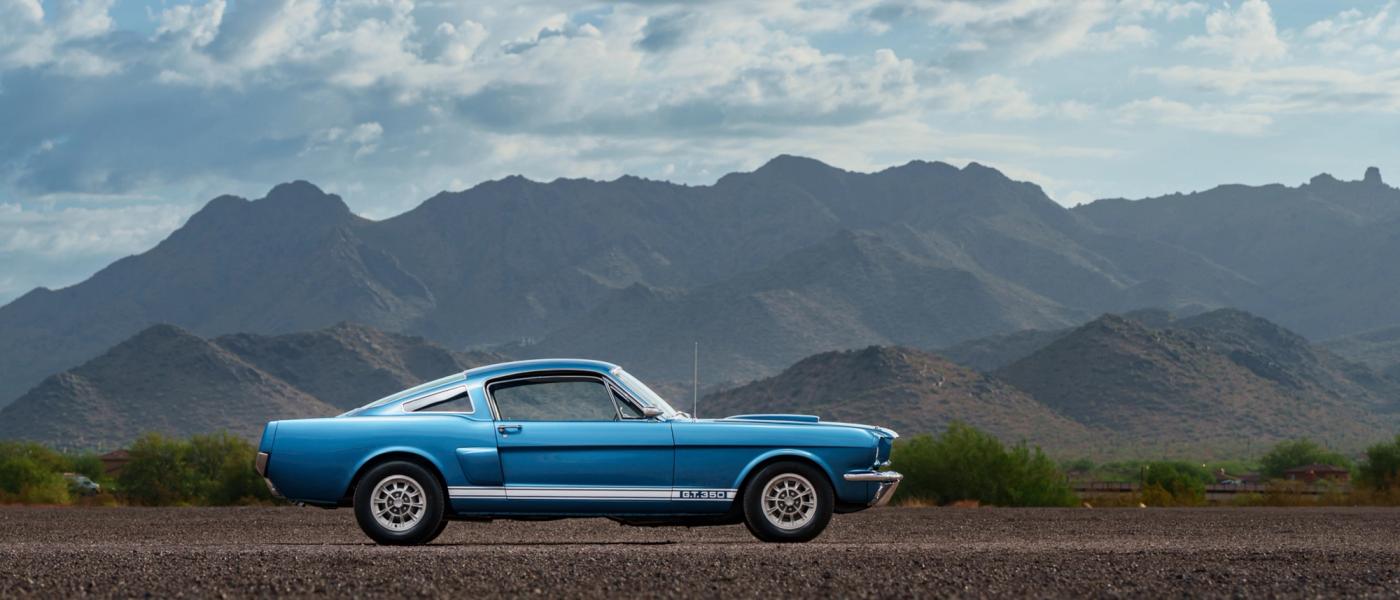
Not every sports car has the same problem areas, so "sports car cover" isn't one universal spec sheet.
If you've got a Porsche, including an older classic like the 944, the front splitter is the thing to watch. A cover cut without that clearance in mind will bunch up at the nose or ride up off the splitter in wind, which is exactly the loose-fit problem we covered above.
Corvette owners should look for mirror pockets built into the pattern and check whether an antenna patch option is available. The Corvette's low, wide stance means a generic shape often rides high at the mirrors and leaves gaps right where hail would otherwise glance off cleanly. If you're shopping Chevy-specific options, the Chevrolet cover page is the place to start.
Mustang GT owners are in a slightly different spot: this is a car that's commonly a daily driver and a sports car at once, which means it's parked outside far more often than a garage-kept weekend car. That's reason enough to skip the basic cover and go straight for the hail-rated padded option, especially in Plains or Midwest hail corridors. See the Ford cover page for Mustang-specific fits.
And generally: spoilers, splitters, and wide-body kits vary enough within the "sports car" category that you should never assume a size based on the base trim. Run your exact configuration through sizing guidance for your vehicle before you buy, not after it doesn't fit.
Installing and Securing Your Cover Before a Storm Hits
A great cover badly secured is still a bad outcome. High wind usually shows up before hail does, so get your gust straps installed or your cable lock set before the storm, not when you see it on the radar twenty minutes out.
After the storm passes, don't just leave the cover on and forget it. Clear off debris and standing water fairly soon after, because moisture trapped between the cover and the paint can cause its own scratching problem over time, especially if there's grit mixed in. Our cover cleaning guide covers the quick version of this.
Worth doing after any serious hail event: check the cover itself for small punctures or worn spots. Hail can beat up the cover even when it does its job protecting the car underneath, and a weakened cover won't perform the same way next time. If it needs replacing, know what's actually covered under your cover warranty before you buy a new one out of pocket.
Final Recommendation and Next Steps
So, can you recommend a good car cover for a sports car parked in an area with frequent hailstorms? Same answer as the top: padded, multi-layer, custom-fit. That combination is the single highest-leverage purchase you can make if your car lives outside in hail country, more useful than a garage queen's worth of detailing products.
If you're not sure which option matches your exact year, make, and model, don't guess. Run it through find your car cover or the cover finder tool and let it narrow things down for you.
Hail season has a way of sneaking up before people get around to buying protection. Worth browsing hail-rated covers now, while the skies are calm, rather than after the first storm leaves its mark on the hood.






