


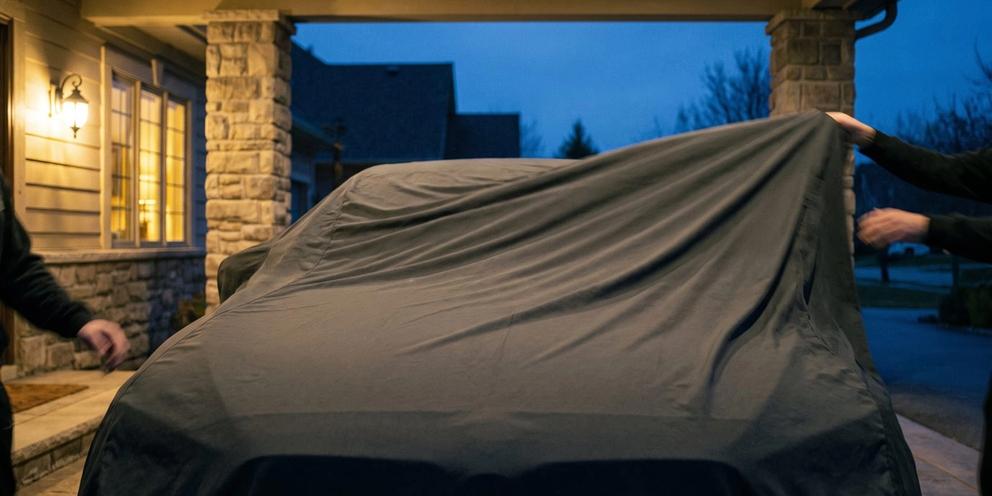
Can You Repair a Torn Car Cover? Here's What Actually Works
Torn car cover? First question is always whether it's worth fixing or worth trashing. Here's the short version: yes, you can repair a torn car cover in most cases where the damage is a small tear, a pinhole, or a split seam, using a fabric patch, seam sealant, or a simple needle-and-thread fix. Large rips, sun-rotted fabric, or blown-out grommets are a different story. At that point you're usually better off replacing the cover than chasing the damage.
Think of the rest of this as a decision tree. Small and isolated damage, patch it. Seam failure with the fabric still intact, restitch it. Widespread wear, brittle material, or a cover that no longer fits snugly, replace it. And one honest note before you get out the sewing kit: any repair on an outdoor cover is a stopgap. Sun, wind, and moisture keep working on the fabric around your fix, so don't expect a patched cover to perform like new for years. If your cover lives outside full time, it's worth reading through our guide to using a car cover outdoors so you know what conditions you're actually repairing against.
What Causes Car Cover Tears in the First Place?
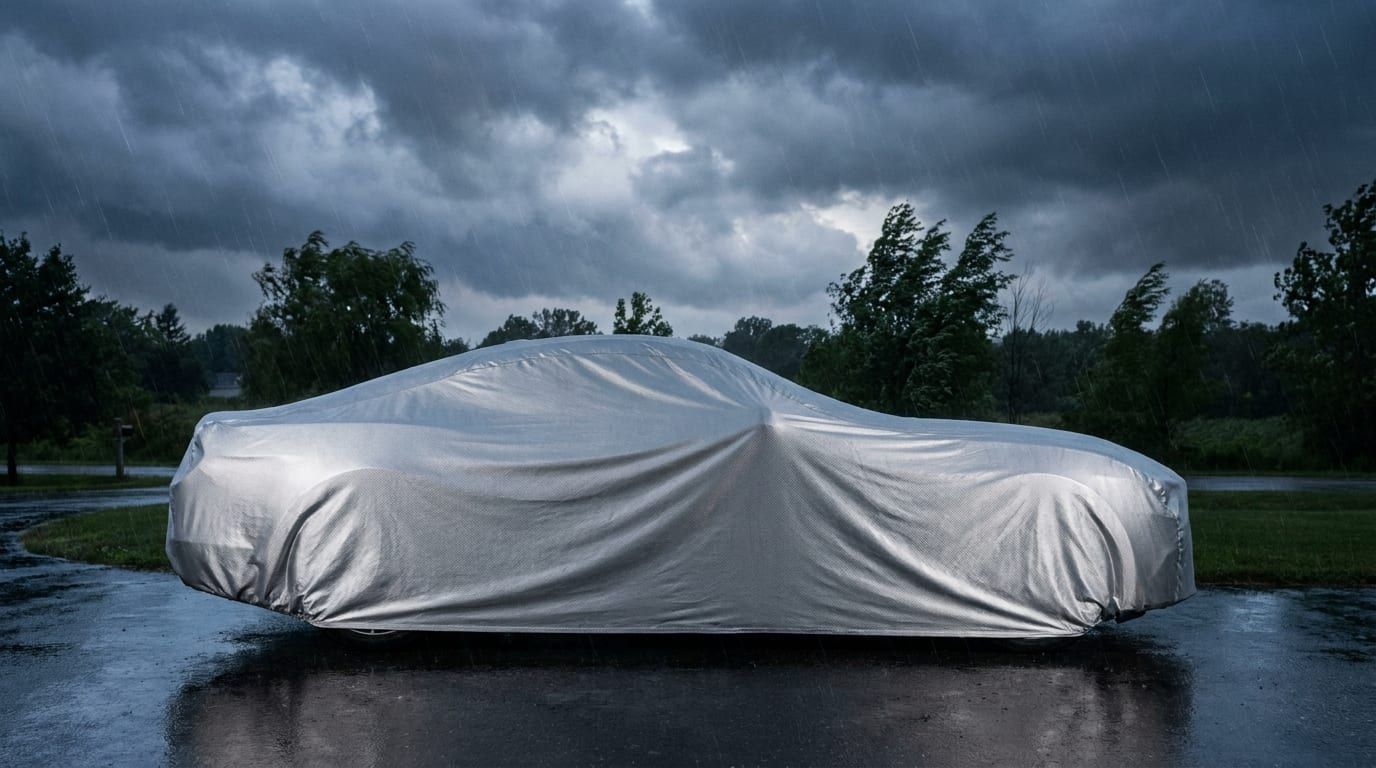
Most tears trace back to one thing: a cover that's loose enough to move. Wind gets under a baggy cover and whips it against side mirrors, antennas, or sharp trim edges, and that repeated friction wears a hole faster than you'd think. It doesn't take a storm, either. A breezy afternoon, day after day, does plenty of damage on its own.
Rough handling during install and removal is another big one. Yanking a cover on and off without care puts stress right at the seams and grommets, which is exactly where you'll see the first splits. Careless installation. Small tug here, a snag there. Eventually something gives.
Then there's age. UV exposure breaks down fabric fibers over time, and a cover that's been sitting outside for a few seasons gets brittle. Once that happens, even light contact, a branch brushing the hood or a curious cat hopping up for a nap, can tear it. If you're dealing with the second, our guide on protecting a cover from cats and animal scratches covers what actually helps. Sloppy installation habits make this worse too, so it's worth checking our simple guide to easy installation if you're putting the cover on and off daily.
Can You Patch a Small Tear or Hole Yourself?
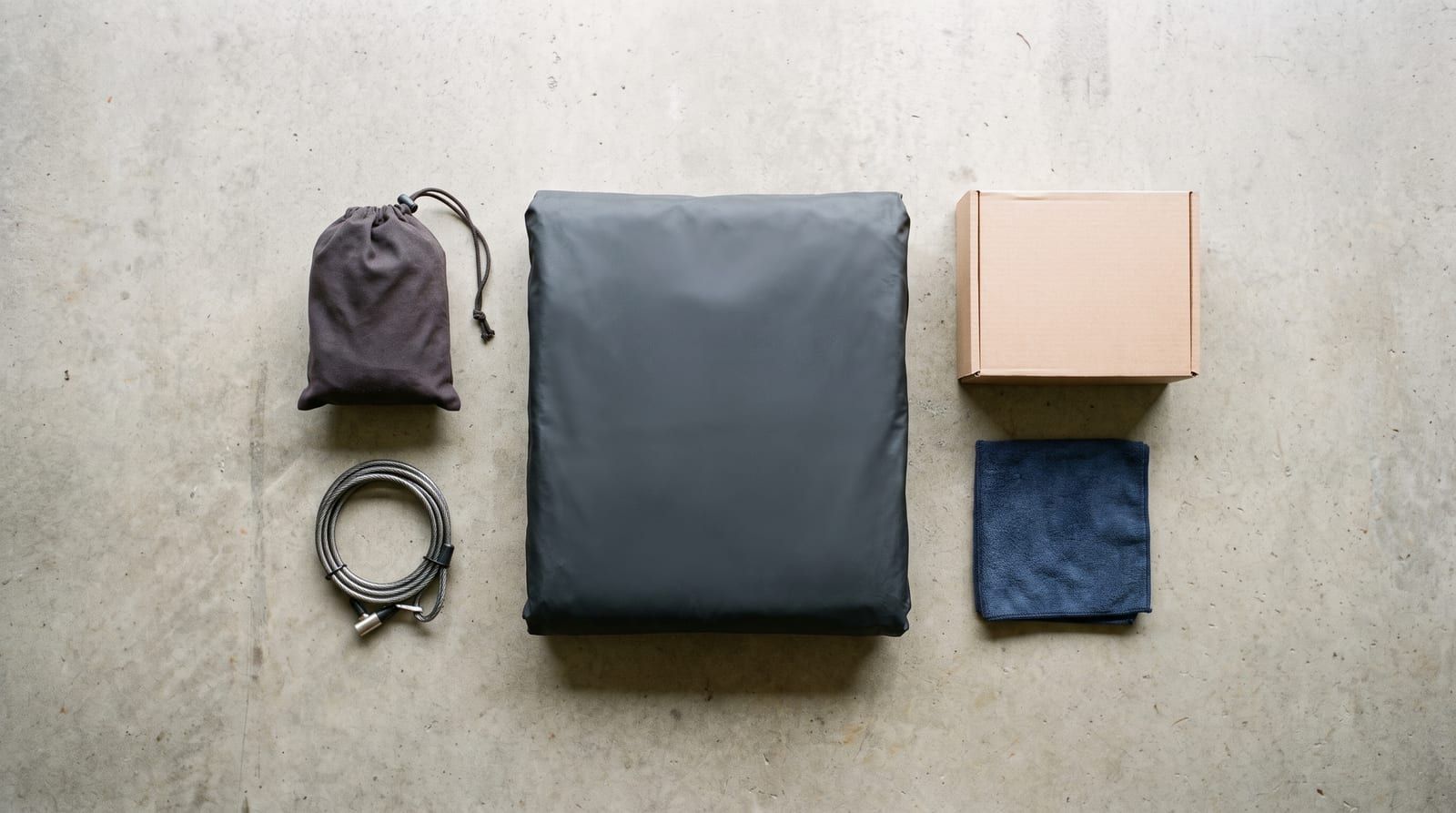
Yes, and this is the easiest category of damage to deal with. Pinholes and tears a few inches long or shorter are usually fixable with an outdoor-fabric repair patch or an adhesive patch matched to your cover's material. Match matters here. A patch made for vinyl won't bond the same way on a woven polyester cover.
Clean the area first. Dirt and oxidized fabric coating keep adhesive from grabbing. Let it dry completely, then apply the patch from the inside of the cover so the adhesive side faces out and the patch itself doesn't rub against your paint. Press firmly, hold for the time the product instructions call for, and don't rush it back onto the car while it's still curing.
One opinion here: skip the rigid patches for anything woven or breathable. Flexible fabric glue moves with the material as it flexes in the wind. Rigid tape or stiff patches crack at the edges within a season and peel right off. If you're not sure what your cover is made of, our breakdown of car cover materials will help you pick the right patch type instead of guessing.
What's the Best Way to Repair a Torn Seam?
Seams are actually the better news. A split seam usually means the thread failed, not the fabric itself, so you're not patching a hole, you're just putting the pieces back together.
Grab a heavy-duty needle and polyester or nylon thread. Skip cotton. It rots outdoors and you'll be back here in a month. Restitch along the original seam line, and back-stitch at both ends so the new stitching doesn't just rip open again the first time the wind catches the cover.
Once it's sewn, run a bead of seam sealant or a strip of seam tape over the repair. This adds a water-resistant layer over the needle holes, which otherwise become tiny entry points for rain. If your cover was rated for wet weather to begin with, it's worth understanding what actually makes a waterproof car cover waterproof in the first place, since a seam repair that isn't sealed defeats a lot of that protection.
Grommet and cord issues at the hem are their own, easier fix. You don't need to touch the fabric at all, just reinforce or swap the grommet. Most of the time that's a five-minute job, not a repair project.
Can You Repair a Torn Car Cover with Tape or Glue?
Duct tape feels like a fix. It isn't. Give it a few days of rain, heat, or direct sun and the adhesive lets go, usually leaving a sticky residue behind and the tear wide open again. General-purpose glue has the same problem outdoors.
If you're going the tape or glue route, use products actually made for outdoor fabric or tarp repair. That kind of adhesive is built to flex and to resist UV breakdown, so it holds for longer than anything off a hardware store shelf meant for indoor use. Worth noting that a lot of the material logic here overlaps with tarps themselves, which we get into in tarp versus car cover if you want the fuller comparison.
Even the good stuff should be treated as temporary. Tape and glue buy you time until you can do a proper patch or stitch repair, not a permanent close.
When Should You Replace Instead of Repair a Torn Cover?
Sometimes the tear isn't really the problem. It's a symptom. If you're finding multiple tears, or the fabric feels chalky and brittle to the touch, or a single rip runs longer than several inches, that's the material telling you it's failing across the board, not just at one spot. Patching one hole on a cover like that just means the next one shows up somewhere else next week.
Fit matters too. If a repair leaves the cover baggier or misshapen so it no longer sits snugly on the vehicle, it's not doing its job anymore. Wind gets underneath, moisture gets in, UV rays hit exposed panels of paint. A cover that doesn't fit is barely better than no cover.
Before you write off a damaged cover as bad luck, check if it's actually a manufacturing defect rather than wear and tear. That distinction matters for coverage, and it's worth reading through our lifetime warranty details and the general warranty policy to see what qualifies. Genuine wear from years of sun and wind won't be covered, but a defect that showed up early might be.
When it's time to actually replace, look for reinforced seams and grommets built into the cover from the start. That's the failure point you just fixed, so buying a cover that's already reinforced there keeps you from doing this same repair again in a year.
How Can You Prevent Future Tears?
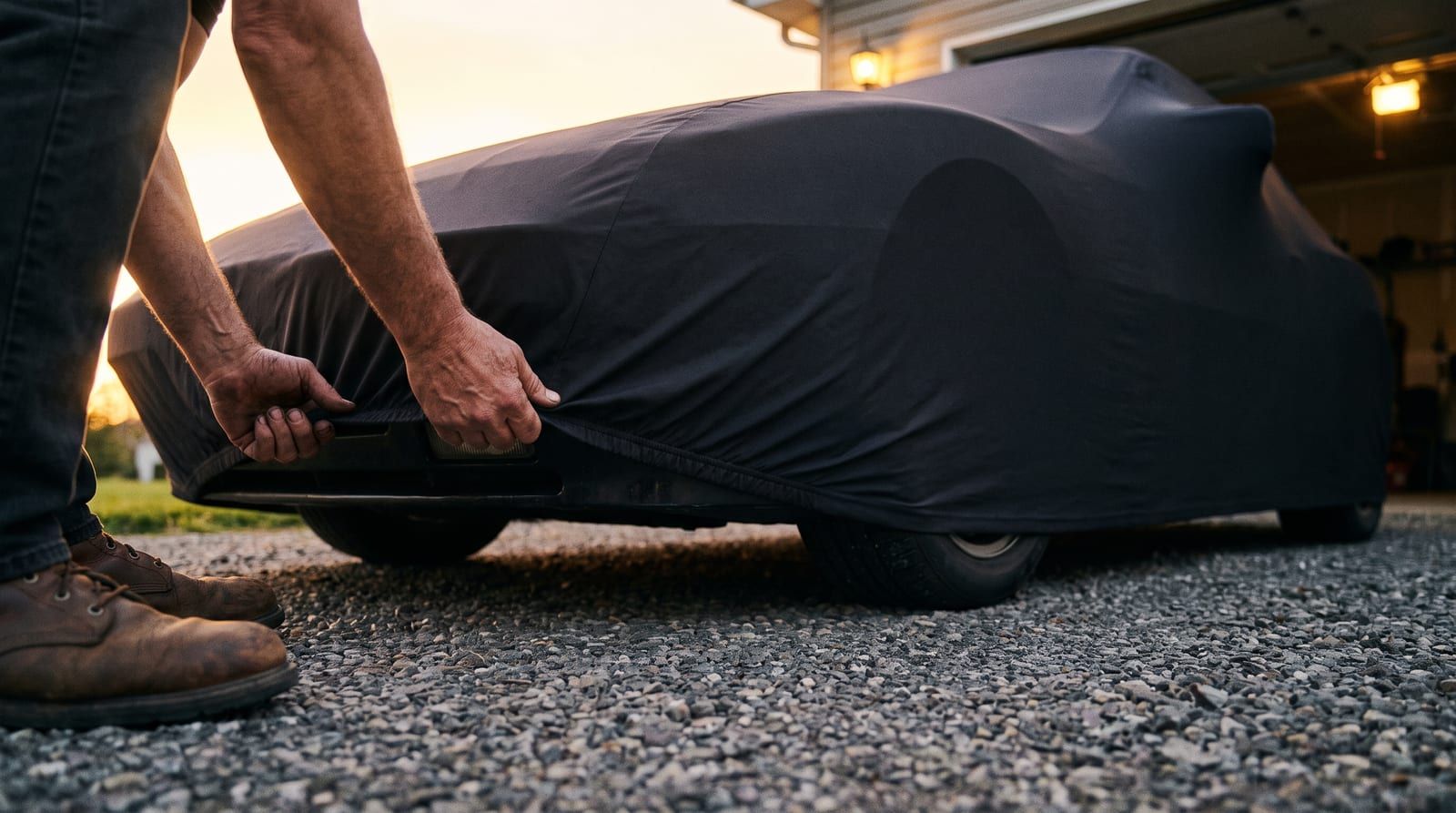
Most tears are preventable, honestly. A snug-fitting cover paired with gust straps stops the wind-whipping that causes the majority of rips against mirrors and trim. If you haven't installed straps yet, our gust strap installation guide walks through it in a few minutes.
Store the cover in its bag between uses instead of wadding it into a corner of the garage. Folding it the same way every time creates crease lines, and those creases are where fabric weakens first. Keep it clean, too. Dirt and grit act like sandpaper against the fabric every time you pull the cover on or off, so a quick wash on a normal basis, per our cover cleaning guide, keeps that abrasion from adding up.
If pets or wildlife are the culprit, a thicker or scratch-resistant fabric is worth the upgrade. We cover the specifics in our guide to protecting covers from cats and animal scratches, but the short version is that a lightweight cover just won't hold up to claws the way a heavier weave will.
Keep a Cover That Actually Holds Up
So, can you repair a torn car cover? For small tears, pinholes, and split seams, yes, and it's usually worth the twenty minutes it takes. Once you're looking at brittle fabric or damage spread across multiple spots, repair stops making sense and replacement takes over.
If you're shopping for the replacement, look for one built with reinforced seams and tougher fabric from the start, it's the easiest way to avoid having this same conversation again next year. And if you want more on keeping whatever cover you land on in good shape long term, our care guide is worth a bookmark, and subscribing to future posts here isn't a bad idea either.
Updated