Car Bras, Bumper Covers, and Hood Protectors: Do You Need Front-End Protection?
Published
Why Front-End Damage Happens in the First Place
Drive the highway for an hour and your front bumper takes a beating you never even notice. Rock chips kick up from the car ahead. Gravel from the shoulder pings off your hood. Bugs splatter across the leading edge and, left too long in the sun, the acid in their bodies etches right into clear coat. Add in bird droppings and gravel driveways, and the front end of your car is basically a magnet for everything the road throws at it.
There's a reason it's always the front that looks beat up first. The bumper, hood, and front fenders face forward into wind, debris, and direct UV exposure in a way the roof and trunk never do. The rest of the car just doesn't take that kind of abuse.
That's why an entire category of accessories exists just for this one problem: the car bra, bumper covers, hood protectors. All of them are partial, front-end-only fixes. None of them is a substitute for a full car cover, and understanding that difference is the point of this whole article.
What Is a Car Bra, Exactly?
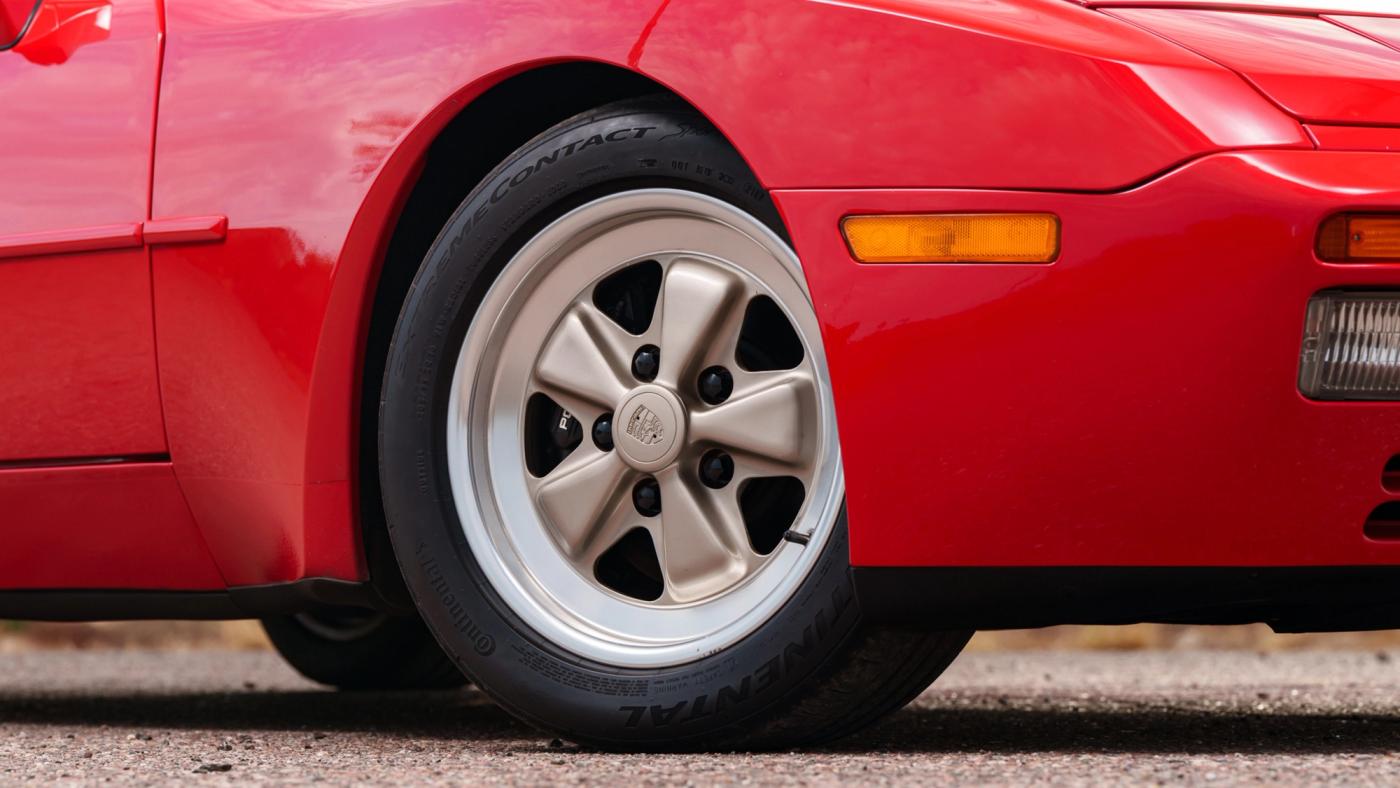
A car bra is a form-fitted panel, usually vinyl or a leather-look material, that straps or clips over the front of the hood, part of the bumper, and sometimes the leading edge of the fenders. Think of it as armor for the one spot your paint takes the most direct hits.
Done right, it works. A car bra genuinely does a good job stopping rock chips and bug splatter from reaching the clear coat on the leading edge of the hood. That's its whole job, and it's decent at it.
But there's a catch, and it's one a lot of first-time buyers don't find out until later. If grit or sand gets trapped underneath a bra, it can grind against the paint every time the car hits a bump, leaving swirl marks or even discoloration over time. Water pools under there too, especially after rain, which isn't great for paint sitting under vinyl for days. And you can't just leave it on through a car wash. You have to pull it off, clean under it, and put it back, which is one more chore most people forget about until the damage is already done.
Worth saying plainly: a car bra is a cosmetic, paint-protection accessory. It's not weatherproofing and it's not a theft deterrent, whatever older marketing may have implied.
Bumper Covers and Front Bumper Covers: What They Actually Do
Here's where terminology gets messy. In body-shop and OEM language, a "bumper cover" usually means the plastic fascia itself, the molded piece bolted to your bumper structure that gets replaced after a fender-bender. That's not what we're talking about here.
The aftermarket version, often sold as a "front bumper cover" or "bumper guard," is a different animal from a car bra entirely. These are typically rigid or semi-rigid pieces, made of foam, rubber, or hard shell plastic, designed to absorb low-speed impact: curb taps, parking-lot bumps, the kind of contact that would otherwise leave a crack or a scuff on the fascia.
So the split is simple: a car bra guards against chips and splatter at speed. A bumper cover/guard guards against impact and scrapes at a near-stop. They're solving different problems, and neither one does the other's job well.
Fitment matters a lot more here than with a universal bra, too. A bumper cover that doesn't match your vehicle's exact fascia shape ends up looking bulky, and worse, can trap moisture between the cover and the plastic underneath it. Not ideal for a part of the car that's already dealing with road spray.
Hood Protectors (Bug Deflectors): A Different Kind of Front-End Guard
A hood protector, sometimes called a bug deflector, is a rigid shield that mounts at the leading edge of the hood and angles upward slightly to redirect airflow up and over the windshield instead of straight across the paint.
It's genuinely useful if you spend a lot of time on the highway or you're regularly following trucks and trailers that kick up debris. The angled shape does what a flat car bra can't: it physically deflects bugs and small gravel before they ever touch the hood, rather than just absorbing the hit.
The tradeoff is visibility and permanence. A hood protector sits up and out, so it's obviously an aftermarket part, not something blended into the body line. Some mount with clips that come off cleanly, others require drilling mounting holes into the hood edge, which is a bigger commitment than a bra you can remove in five minutes. And it only covers that one leading strip of the hood. Fenders, the rest of the bumper, none of that gets any help from a hood protector.
Car Fenders: The Overlooked Front-End Area
Fenders take their own kind of beating, and it's different from what the hood deals with. Wheel-well spray kicks dirt and road salt up and over the fender lip. Curbs get clipped in tight parking spots. Debris from the lane next to you comes in sideways, not head-on, so it catches the fender before it ever reaches the hood.
Here's the gap nobody talks about: most car bras stop at the hood and maybe the bumper. Most hood protectors only cover the leading hood edge. Neither one extends down to the fenders, which means that whole panel is left exposed even on a car that's otherwise "protected."
Fender-specific guards do exist, but they're a narrow niche. Nowhere near as common as bras or hood deflectors, and not something most retailers stock in the variety you'd find for hoods or bumpers. If fender chips and scratches are your actual complaint, this is the one area where the aftermarket hasn't caught up.
How These Compare to a Full Car Cover

This is the distinction that actually matters when you're deciding what to buy. A car bra, bumper cover, and hood protector are all always-on, partial accessories. They stay mounted to the vehicle and protect one specific zone from one specific type of damage. A full car cover is the opposite: removable, covers the entire vehicle, and is meant to go on when the car is parked or stored, not while you're driving.
None of the front-end accessories do anything for the roof, trunk, windows, or the rest of your paint. Sun and UV exposure bake the clear coat over the whole car, not just the hood. Rain, snow, tree sap, and bird droppings land anywhere they feel like, and a car bra won't stop a single drop of any of it from hitting your roof or trunk lid.
They're not either/or, though. Plenty of owners run both: a hood protector or car bra for daily highway debris, and a custom-fit car cover for when the car's parked overnight or sitting for a few days. It's a reasonable setup if you're dealing with both problems.
The maintenance side is worth weighing too. A car cover has to be put on and taken off, which is an extra step at the end of every drive. A car bra or hood protector just stays there, no daily routine required, but you pay for that convenience with the washing hassle and trapped-dirt risk we already covered.
So Which One Do You Actually Need?
Honestly, it comes down to what your car actually deals with day to day.
Heavy highway driver worried about rock chips and bug splatter? A car bra or hood protector earns its keep. Spend most of your time navigating tight parking lots and curbs? A bumper cover or guard is built for exactly that kind of low-speed contact. Park outside long-term, or store the car for weeks at a stretch? None of the front-end accessories above will help with that, and that's where an outdoor car cover earns its keep, handling UV, rain, and debris across the entire vehicle instead of one panel.
These products aren't competing with each other. A car bra solves a hood problem. A cover solves a whole-vehicle problem. Use the one that matches what's actually hitting your car, or use both if you need to.
If you're trying to figure out which cover actually fits your vehicle, the cover finder tool is a quick way to narrow it down. And if full-vehicle protection is what you're actually after rather than just front-end chips, it's worth a few extra minutes reading through what a cover does for the parts of the car nothing else touches.