Do Car Covers Work on Cars With Big Spoilers? Direct Answer + Fit Tips
Published
Yes, Car Covers Work With Big Spoilers, With the Right Fit
Short answer: yes. Do car covers work on cars with big spoilers? They do, as long as the cover is patterned or sized to actually clear the wing instead of just getting stretched over it. A tall spoiler doesn't make a car "un-coverable." It just narrows your margin for error.
The real question isn't whether a cover can physically go over a car with a big wing. It can. The real question is whether it'll sit right once it's on, no rubbing at the spoiler's edge, no gap where wind gets under the fabric, no sag that lets water pool at the trunk line. That's a fit problem, not a feasibility problem.
This is where generic "universal fit" covers tend to struggle. They're built around average dimensions for a class of car, so a six-inch ducktail or a towering GT wing throws off the shape they were drawn for. Trim-specific and custom-fit covers, on the other hand, are patterned with those contours already baked in. If you're shopping for a car with a serious spoiler, that distinction matters more than almost anything else on the spec sheet.
Why Big Spoilers Change the Fit Equation
A base-model sedan has a smooth, predictable roofline that slopes into a trunk. Add a tall wing, a ducktail spoiler, or a wide-body kit, and you've introduced height and width the original cover pattern never accounted for. The fabric has to go somewhere, and if the pattern doesn't allow for it, "somewhere" usually means stretched tight across the highest point of the spoiler.
That's where chafing starts. Wind moves a cover constantly, even when it looks still from across the garage. Every gust rubs fabric against whatever it's resting on, and a spoiler edge is usually sharper and harder than the rounded sheet metal everywhere else on the car. One contact point can wear through a cover faster than years of use on flat panels would.
There's a second issue that's easy to miss: water pooling. If the cover doesn't drape cleanly past the spoiler and instead gets hung up on it, you get a low spot right near the trunk seam. Water collects there instead of running off. Over a season, that trapped moisture is a recipe for spotting, and eventually mildew, in exactly the spot you're least likely to check.
Custom-Fit vs. Universal Covers for Spoiler Cars
Custom-fit covers are patterned to the exact make, model, and often the exact trim, which means known factory spoiler contours are already part of the design. The cover clears the wing because it was built to, not because you managed to wrestle it into place.
Universal and semi-custom covers work differently. They lean on elastic hems and generic sizing to fit a range of vehicles "close enough." That's fine for a car with no spoiler or a small factory lip. It gets shakier once you're dealing with anything aftermarket or oversized, where slack, sag, and gaps around the wing become the norm rather than the exception.
If your car came with a factory spoiler as part of a performance trim, think STI, Type R, GT-style wings, it's worth leaning toward a custom-fit car cover built for that specific trim rather than assuming the standard cover for your model will do the job. The patterning difference is the whole reason custom-fit exists.
Real-World Example: Mustang GT and Camaro-Style Spoilers
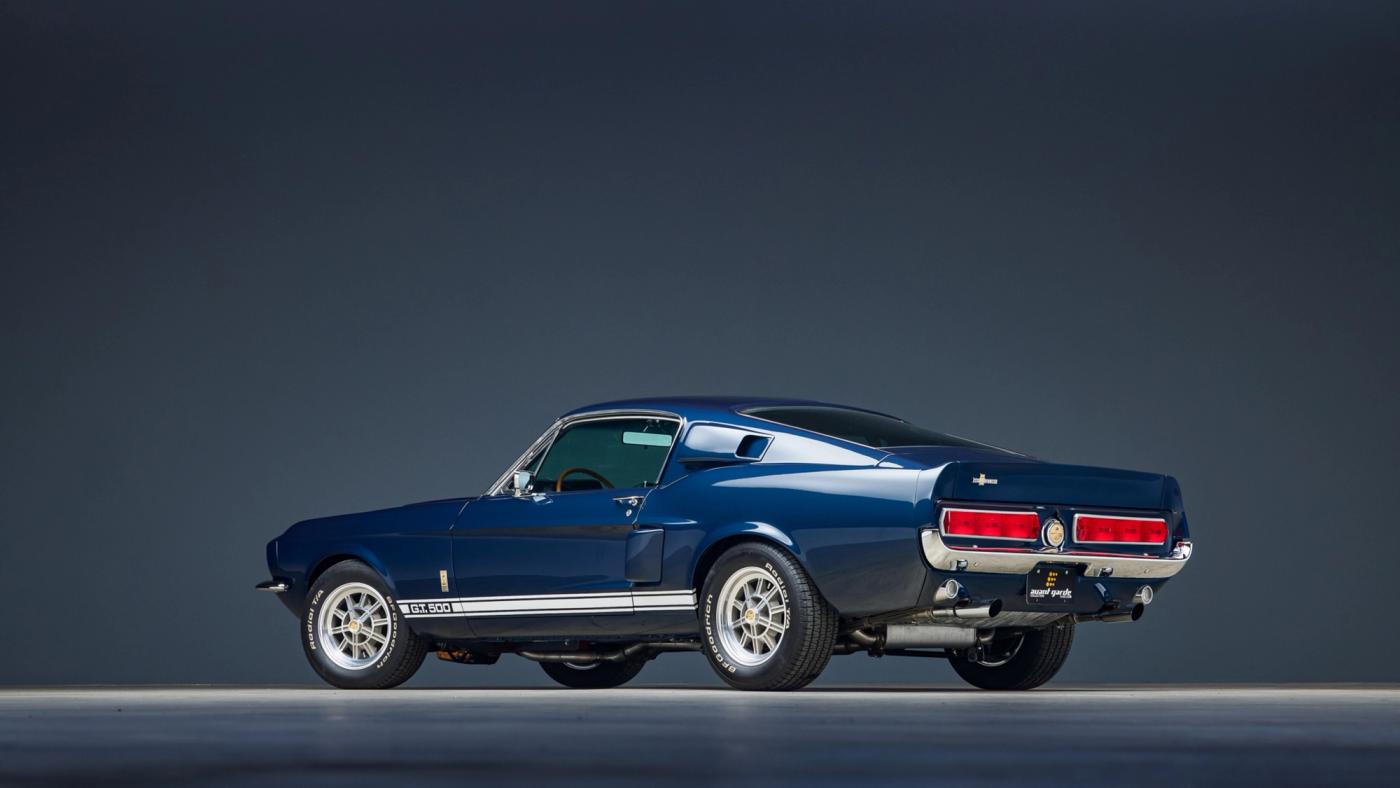
The Mustang is a good example of how trim changes the equation. GT trims often come with a rear spoiler that isn't on the base EcoBoost model, even though it's technically the same generation and body. That means two cars with the identical model year can need two different cover cuts. If you're not sure what the "GT" badge actually changes on your car, this breakdown of what GT means on a Mustang is worth a look before you buy a cover. Ford's broader cover lineup is here if you want to compare trims side by side.
Camaro SS and ZL1 trims make the same point from a different angle. Those spoilers are tall, wide, and not subtle, built for genuine aero performance rather than styling. A cover marketed as "fits most Camaros" is almost never accounting for that hardware. Check the Camaro-specific cover options by trim before assuming a listing applies to your car.
The takeaway across both examples: match the cover to the trim, not just the model and year. "Fits most" claims fall apart fastest on performance variants, and that's exactly where spoilers tend to live.
Fit Tips for Covers With Aftermarket or Oversized Spoilers
If you've added an aftermarket wing, or your factory spoiler runs bigger than what the manufacturer designed around, a few practical steps go a long way:
- Measure spoiler height and width before you order, and check that against the cover manufacturer's listed clearance specs. Don't eyeball it.
- Look for covers with reinforced or extra fabric panels at the rear. That extra material is there specifically to handle non-stock shapes.
- Add soft padding or a protective sleeve anywhere the fabric sits directly against a sharp spoiler edge. It's a small step that prevents the single-point wear that kills covers early.
- Favor straps and grommets designed to route around the spoiler, not pull across it. A strap pulling tight over a wing creates a stress point that'll fatigue the fabric faster than normal wear.
Vehicles with body kits, roof racks, or other add-ons have their own known quirks, and the fit modifications guide covers accommodations worth knowing about before you buy.
Installing and Securing the Cover Without Damaging the Spoiler
Technique matters almost as much as the cover itself. Drape it front to back, easing the fabric over the spoiler as you go rather than yanking it taut across the wing. Pulling a cover tight over a spoiler might look snug for a day, but it's the fastest way to stretch and eventually tear the fabric right at that contact point.
Once it's on, check the rear seam. It should sit snug, not stretched. A cover that's visibly straining to clear the spoiler is going to lose its shape well before one that was sized correctly in the first place.
Give it a few uses, then go back and recheck your tension points, cable, elastic hem, straps. Spoiler contact wears differently than flat body panels do, so a strap that felt right on day one can loosen or shift after a week of wind. For the full walkthrough, the installation guide covers technique step by step, including how to handle trickier body shapes.
Bottom Line: Check Spoiler Fit Before You Buy
So, do car covers work on cars with big spoilers? Yes, but fit precision carries a lot more weight here than it would on a plain sedan with a flat trunk lid. The cover isn't the variable. The pattern is.
Before you buy, confirm vehicle- and trim-specific fit rather than betting on a universal cover to clear a large wing. It's a five-minute check that saves you from returning a cover that chafes at the spoiler edge after one windy week.
If you're not sure where your car lands, run it through the cover fit finder or browse car cover options built around specific trims to confirm compatibility with your exact spoiler setup. And if you want the extra peace of mind, a properly fitted cover from a reputable source is backed by a lifetime warranty, so a manufacturing defect isn't something you're stuck covering yourself. Worth bookmarking the blog too, there's more fit-specific advice like this coming as new trims and body kits roll out.