What Car Cover Is Best for a Car With a Sunroof? (Leak-Prevention Guide)
Published

Why Sunroofs Make Leak Prevention Trickier
Sunroofs leak. That's true even before you put a cover anywhere near one. The drain channels that run along the edges of a sunroof are designed to carry water away from the seal, but they clog with leaves, pollen, and grit more often than most owners realize. Add a cover that doesn't fit right, and you've created a second problem on top of the first: trapped moisture sitting directly over an already-vulnerable seal.
A cover that isn't waterproof, or one that bunches up over the roofline instead of sitting flush, can actually make things worse than no cover at all. Water pools in the dip around the sunroof, sits there, and works its way into seams that were fine a year ago. So the real question isn't just "does this cover block rain." It's what car cover is best for a car with a sunroof specifically, since the roofline is where most of the risk concentrates. That's what this guide walks through: the exact features, fit choices, and materials that keep water out instead of holding it in place.
Where Water Actually Gets In Around a Sunroof
There are really two failure points here, and they get confused with each other constantly.
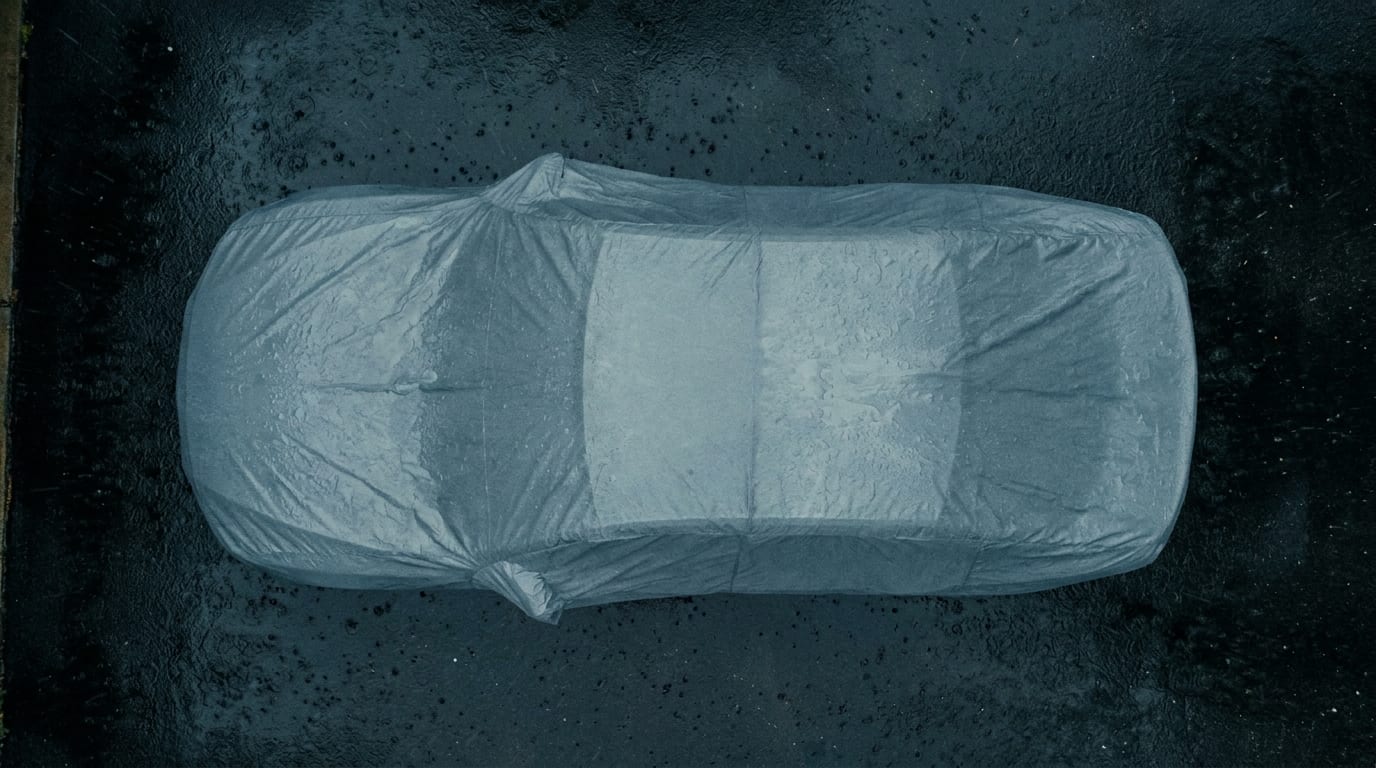
The first is physical pooling. If a cover doesn't sit flush against the roofline, water collects right in that gap, sitting directly above the sunroof seal and antenna mount for hours after a storm passes. Gravity does the rest. The second is condensation. Warm air trapped under a cover that can't breathe turns to moisture on the inside of the fabric, drips down, and settles into the same low points. People open up their cover after a humid night, find water around the sunroof trim, and assume the cover failed. Most of the time it's not a leak at all. It's trapped condensation from a fabric that wasn't built to vent.
Wind-driven rain complicates things further. A loose universal cover can flap just enough during a storm for water to get pushed sideways under the roof panel, even if the fabric itself is rated waterproof. The fabric isn't the problem in that case. The fit is. This is worth sitting with for a second, because it changes what you should be shopping for: a cover that's "100% waterproof" on the label but loose at the roofline can still let water in, while a slightly less aggressive fabric that fits tight and seals well will often keep a sunroof drier.
The Cover Features That Actually Prevent Leaks
A few specific features separate covers that protect a sunroof from ones that just sit on top of it.
Seam construction matters most. Look for seam-sealed or heat-taped seams specifically along the roofline, not just at the hem down near the tires. Roofline seams see the most direct rain exposure and the most UV stress, so a cover that only reinforces its bottom edge is leaving the part that matters most unprotected.
Fit matters just as much. A cover with a roof panel cut close to the factory contours leaves nowhere for water to collect near the sunroof or antenna base. A baggy, generic roof shape creates a shallow basin right where you don't want one.
Then there's tension. An elastic hem combined with adjustable straps and grommets keeps the whole cover cinched against wind lift, which is the actual cause of most roofline gaps. A cover that was snug on day one but loosens over a few weeks of wind exposure will start pooling water in exactly the spot you're trying to protect. Good gust strap installation makes a bigger difference here than people expect.
Finally, breathability. A multi-layer fabric that blocks rain from the outside while letting interior moisture escape is what prevents the condensation problem described above. Waterproofing without breathability just traps the moisture instead of keeping it out. You want both working together, not one covering for the other's weakness.
Custom-Fit vs. Universal Covers for Sunroof Vehicles
This is where most leak complaints actually trace back to.
A custom-fit car cover is built to your exact roofline, including the sunroof contour, so there's no gap for water to pool in and no loose fabric for wind to lift. It follows the car's actual shape instead of approximating it. Universal covers, built to fit a broad size range like "mid-size sedan," almost always leave extra material around the roof. That slack is where the problems start: billowing in wind, pooling after rain, and seams that sit slightly off from where the sunroof actually is.
That doesn't mean universal covers are useless. For a mild climate, a garage-adjacent parking spot, or short-term use while you're deciding on something more permanent, a universal cover can do the job. Just expect to check and retighten the straps more often, because a loose universal fit over a roof panel is exactly the setup that lets wind-driven rain sneak in.
Before buying anything, it's worth confirming your vehicle's exact cover size and shape rather than guessing from a generic category label. Five minutes of checking saves you from discovering the mismatch the first time it rains.
Material Matters: Waterproof vs. Water-Resistant Fabrics
These two terms get used interchangeably in product listings, and they shouldn't be.
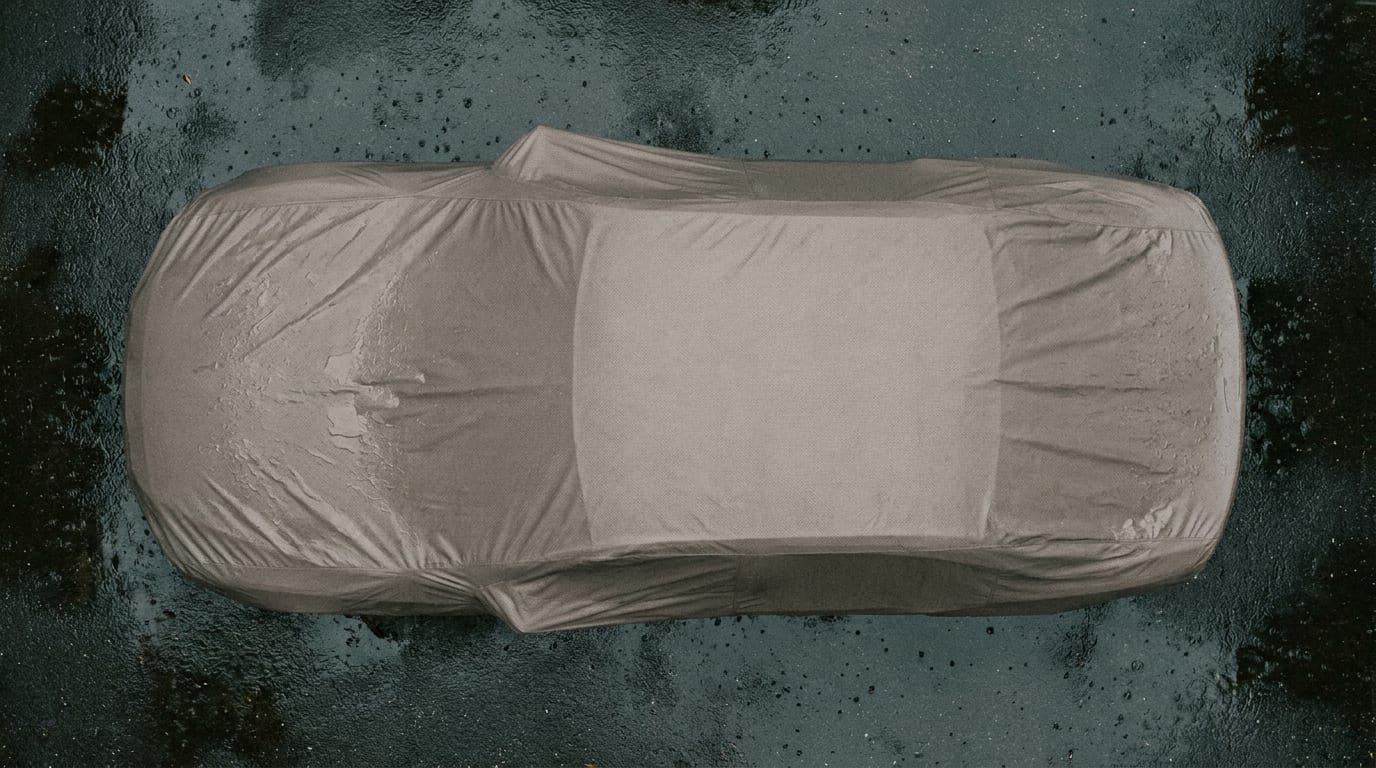
Water-resistant fabric handles light rain, morning dew, and dust. It'll shrug off a passing drizzle but isn't built to stand up to a sustained downpour or hours of standing water, which matters a lot for a car with a sunroof since the roofline is already a weak point. Fully waterproof car covers, built for genuine outdoor and all-weather use, are a different category entirely. They're designed to keep water out under direct, sustained exposure, which is exactly the condition that exposes a sunroof seal's weaknesses.
If your car lives outside full-time, a water-resistant cover is gambling on the weather cooperating. A fully waterproof outdoor cover doesn't ask that of you.
But waterproofing alone isn't the whole story. Breathability rating matters just as much, maybe more for sunroof vehicles specifically. A cover that's waterproof but doesn't breathe will trap condensation right at the sunroof seal, the same seal that's already prone to water intrusion on its own. For more on how these fabrics differ in construction, see this breakdown of waterproof fabric types, and for climate-specific advice on managing rain, wind, and UV together, this guide to outdoor car cover use is worth a read before you buy.
Installing and Maintaining Your Cover to Keep Water Out
Even the right cover fails if it's put on wrong.
Start by centering the cover over the roofline before you secure any straps. If it's pulled to one side even slightly, the seam sits unevenly near the sunroof, and that's where pooling starts. Following a proper cover installation process the first few times until it becomes automatic is worth the extra five minutes.
Straps loosen. Fabric settles over the first few uses, so check and retighten your gust straps after the first week of regular use, then periodically after that. A strap that was snug at install can go slack over a roof panel within a couple of weeks, especially somewhere windy, and that slack is exactly what lets water work its way in near the sunroof.
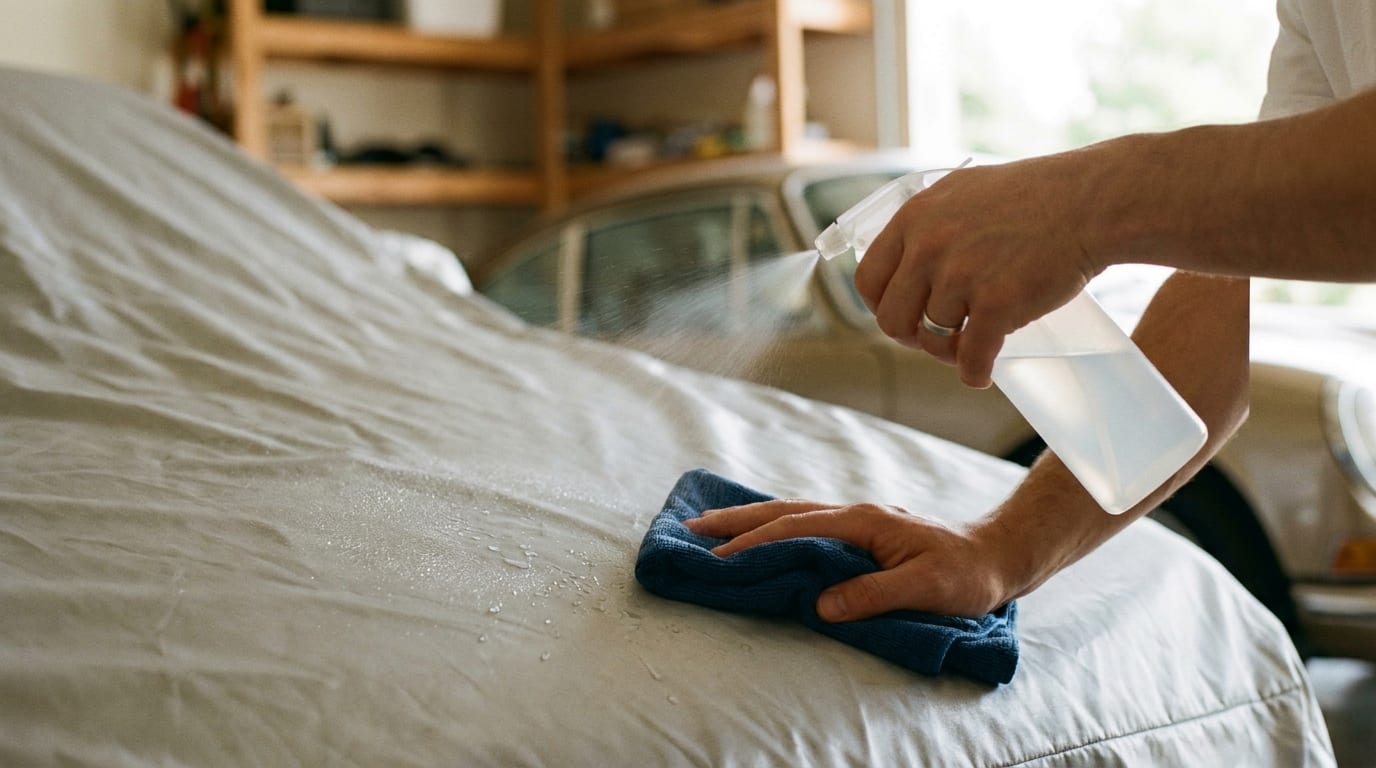
Dirt matters more than people think, too. Grime buildup degrades seam coatings and breaks down elastic over time, which weakens the exact features that are keeping water out. A regular cleaning routine protects your investment and keeps those roofline seams doing their job for years instead of one season.
Final Take: Matching the Cover to Your Sunroof's Risk Level
If your car sits outside daily, year-round, go with a custom-fit, seam-sealed, breathable waterproof cover. It's the combination that actually addresses both failure points: pooling at a mismatched roofline and condensation from a fabric that can't vent. If your car spends most of its time in a garage and only sees a cover occasionally, a lighter water-resistant option is a reasonable call, and you won't be paying for weather protection you don't need.
Either way, fit and strap tension do as much work as the fabric itself. The best waterproof material in the world won't help if it's billowing three inches above your roofline every time the wind picks up.
If you're still narrowing down options, it's worth taking a minute to find the right cover for your specific vehicle before buying, since the sunroof contour is one detail that's easy to overlook on a generic size chart. And if you want more guides like this one as you figure out the right setup for your car, keep an eye on future posts covering cover care, fit, and storage.