Are Car Covers Recyclable or Eco-Friendly? Quick Answer
Short answer: no, not in the way you'd hope. Most car covers are made from blended synthetic fabrics, think polyester, polypropylene, and PVC coatings fused together, and that blend is exactly what your curbside recycling bin can't process. So if you're asking are car covers recyclable or eco friendly in the straightforward "toss it in the bin" sense, the answer is mostly no.
But the eco-friendly question deserves more nuance than a yes/no. A cover's real environmental footprint has less to do with what the raw material is and more to do with how long it lasts and what happens to it when it's done. A thin, bargain-bin cover that disintegrates after one summer and ends up in a landfill does more environmental damage over time than a well-built cover that protects your paint for eight years.
Here's the thing people miss: a cover that prevents paint damage, cuts down on chemical washes, and delays the need for a repaint is doing more real-world environmental good than a cover with a "green" label that falls apart in a season. Durability is the eco-feature nobody markets, but it's the one that actually matters.
What Car Covers Are Actually Made Of

Walk through the material list and you'll see why recycling gets complicated fast. Outdoor covers typically rely on polyester or polyester blends, woven for strength, then layered with polypropylene (often in spunbond or meltblown form) for breathability and water resistance. Many also carry a PVC or vinyl backing to seal out rain. Indoor-only covers skip most of that: they're usually a simpler cotton or flannel blend, or a soft microfiber, built for dust and light scratches rather than weather.
That difference in construction matters more than people realize. A single-material fabric, like a plain cotton sheet, is relatively straightforward to recycle because there's only one fiber type to sort. A multi-layer composite fabric, the kind used in most waterproof car covers, is a different story. Those layers are bonded together under heat or adhesive to keep water out and UV rays from breaking the fabric down, and that bonding is permanent. Recycling facilities sort by fiber type, and they have no practical way to peel a PVC-backed polyester laminate back into its separate components. Once those layers are fused, they stay fused, which is good for weatherproofing and bad for recyclability.
Why Most Car Covers Aren't Curbside Recyclable
This isn't a car cover problem specifically, it's a textile problem. Most municipal recycling programs don't take fabric of any kind, technical or otherwise. Clothes, towels, old bedsheets, none of it goes in the blue bin in most cities. Car covers just happen to be a more extreme case because of what they're built to do.
Textile recycling, where it exists, requires sorting by fiber type before anything can be reprocessed. A cover engineered to block UV rays and shed rain needs that laminated, multi-layer construction, which is precisely what makes sorting impossible at scale. You'd need to physically separate the polyester shell from the PVC coating from the mesh lining, and that's not something a typical materials recovery facility is set up to do.
Then there's the hardware. Grommets, elastic hems, cable loops, buckles, sometimes even tension straps built into the hem, all of it is metal or hard plastic, and all of it has to come out before the fabric itself could even be considered for recycling. Most people aren't going to sit down with scissors and pliers to strip a cover down to raw fabric before tossing it out. Realistically, it goes in the trash whole.
Are There Sustainable or Eco-Friendly Car Cover Materials?
The broader textile industry has been shifting toward recycled polyester, often called rPET, made by melting down plastic bottles and respinning the fiber. Some cover manufacturers across the market have started incorporating rPET blends into their lineups, and it's a real step in the right direction.
Worth being skeptical here, though. "Eco-friendly" on a label doesn't tell you much by itself. Ask what percentage of the fabric is actually recycled content, whether there's a third-party certification behind the claim, and whether the coating or lining is included in that figure or excluded from it. A cover that's 20% recycled polyester with a virgin PVC backing is a different product than one that's genuinely built around recycled materials throughout. Read the fine print instead of the marketing copy.
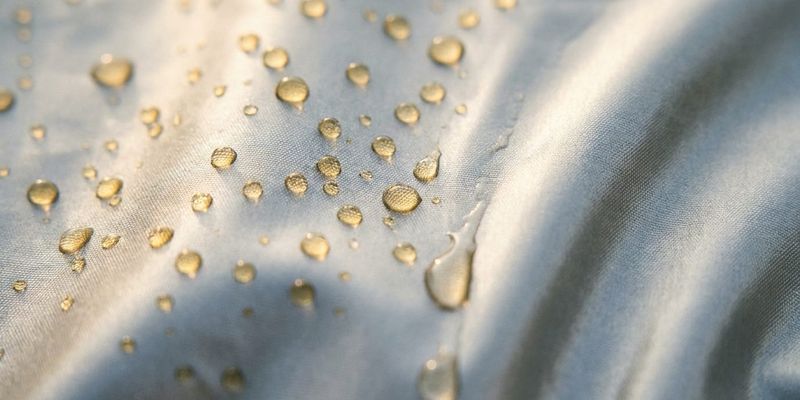
Honestly, though, material sourcing is only half the equation, and arguably the less important half. A cover that resists UV breakdown, shrugs off mildew, and doesn't tear at the seams after a season needs replacing far less often. That single factor, how long the thing lasts before it's garbage, probably does more for total textile waste than whatever percentage of recycled fiber went into it. You can learn more about what actually makes a fabric weatherproof in our breakdown of waterproof fabrics used in cover construction.
The Real Environmental Trade-Off: Durability vs. Disposability

Picture two owners. One buys a thin, generic cover for $30. It fits loosely, flaps in the wind, and by the second winter the seams are shredded and the fabric's gone brittle from sun exposure. It gets thrown out. Repeat that every year or two, and you've sent three or four covers to a landfill in the time it takes most people to replace a mattress.
The other owner buys a heavier-duty, properly fitted cover once. It costs more upfront, but it holds up season after season because the fabric was built to take UV and moisture abuse without breaking down. One purchase, years of use, one disposal event instead of four.
Care matters here too. Covers that get cleaned the right way, with the right technique and without harsh detergents that strip waterproof coatings, simply last longer. Skipping that step, or balling up a wet cover and stuffing it in the trunk, is one of the fastest ways to shorten a cover's life regardless of how good the material was to begin with.
Fit plays a bigger role in this than most people assume, too. A universal cover that's too big will shift and rub against the paint in the wind, wearing down both the cover and the clear coat underneath. A custom-fit car cover sits snug, doesn't flap, and distributes wear evenly, which means less material fatigue over time and a longer usable life before it needs replacing at all.
How to Dispose of an Old Car Cover Responsibly
When a cover is finally done, don't just assume the trash is the only option. Some retailers and a handful of municipalities run textile drop-off bins that accept mixed fabrics even when curbside pickup won't. Worth a quick search for your area before you toss it.
Repurposing is usually the better move anyway. A worn cover still has plenty of life left as a dust cover for patio furniture, a drop cloth for garage projects, or padding under equipment you're storing. The waterproofing might be shot for automotive use, but it's still a big sheet of durable fabric.
If the cover's still in decent shape, just the wrong size or no longer needed, consider donating it. Local car clubs often have members looking for a cover for a project car or a backup vehicle, and online marketplaces make it easy to hand off something usable instead of adding it to a landfill.
Choosing a Cover That Minimizes Waste Over Time
The single biggest decision you'll make on this front happens before you even buy: getting the size and fit right the first time. A cover that's returned, exchanged, or replaced because it didn't fit right is wasted material and wasted shipping, twice over. Use a proper sizing guide before you order instead of guessing.
After that, it's care. How you clean it, how you store it between uses, whether you fold it properly or just wad it up, all of that determines whether you get three seasons out of a cover or eight. That's the real lever you control, more than any material choice on the label.
If you're shopping around, it's worth browsing CarCovers' full lineup and matching a cover to how and where you actually park. A cover built to last isn't just better for your car, it's the more honest answer to whether car covers are recyclable or eco friendly in any way that counts. Stick around the blog for more guides on keeping your gear going longer instead of replacing it more often.