Is It Better to Buy a Car Cover In Store or Online? A Direct Pros/Cons Comparison
Published
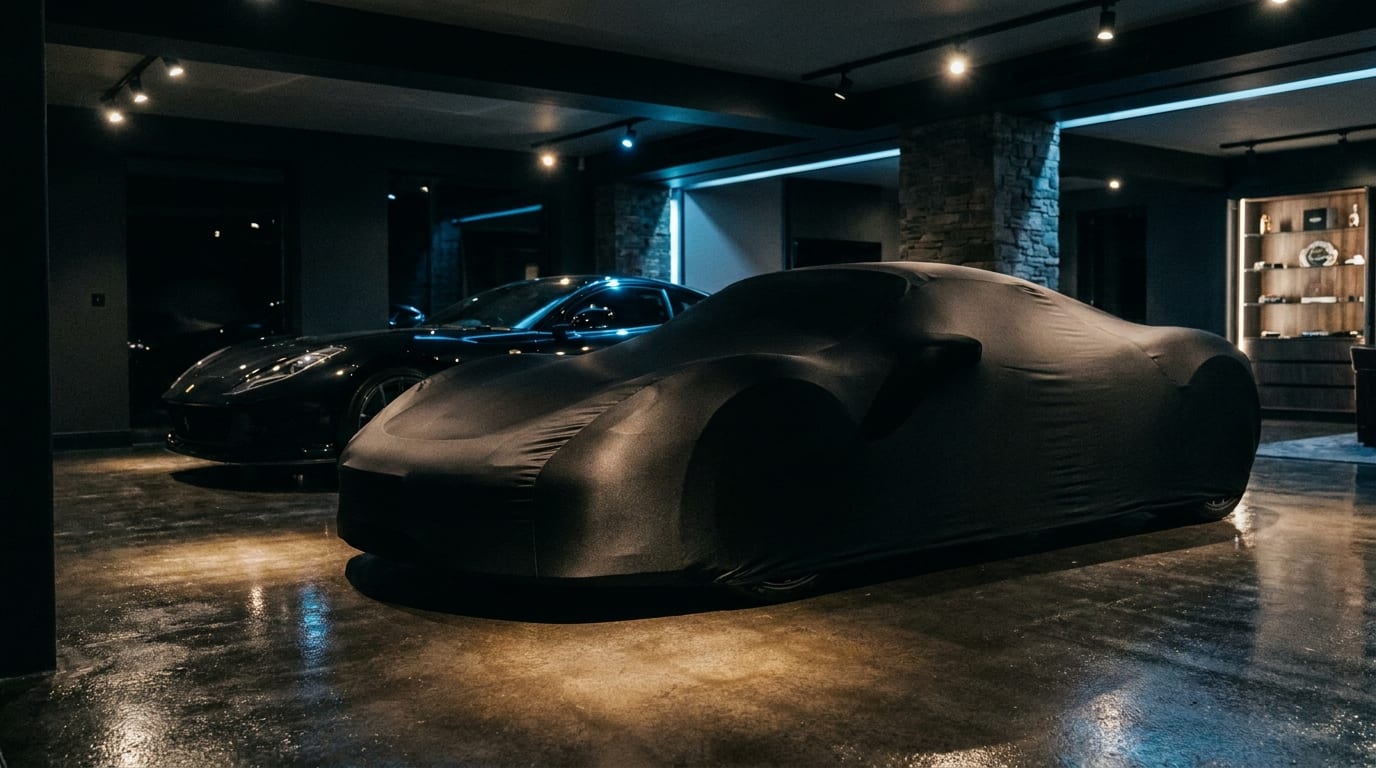
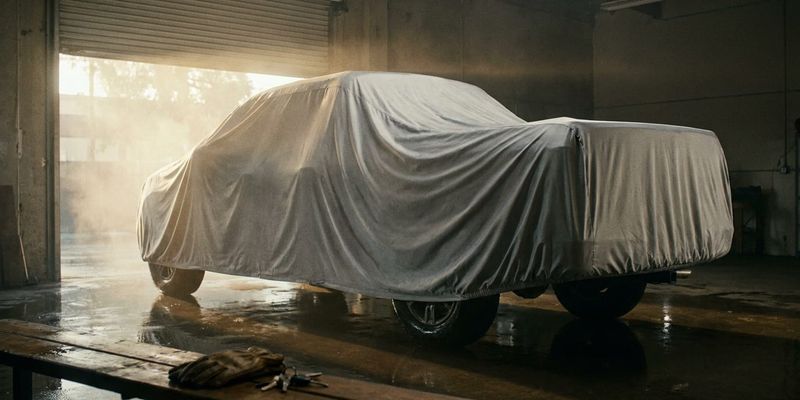
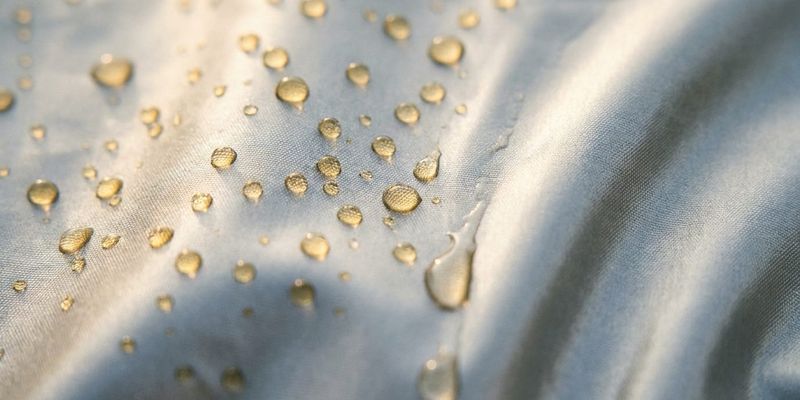
A car cover seems like a low-stakes purchase. Grab one, throw it on, done. But the wrong size or the wrong material does real damage: trapped moisture breeds mold and water spots, a loose fit lets wind rip the cover off mid-storm, and the cheapest universal shell might not even survive a season of UV exposure. So is it better to buy a car cover in store or online? The honest answer depends on what you're protecting against and how much precision you actually need.
Most people don't think about it this way. They buy wherever's closest, or wherever shows up first in search results, without weighing fit accuracy, return flexibility, or price against each other. That's fine if you get lucky. But if you've got a specific vehicle shape, a harsh climate, or a cover that's going to live outside for months at a time, the channel you buy from changes the outcome, not just how fast you get the thing home. Below is a direct comparison across the factors that actually matter: fit, selection, price, guidance, and what happens if you need to send it back.
Buying a Car Cover In Store: Pros and Cons
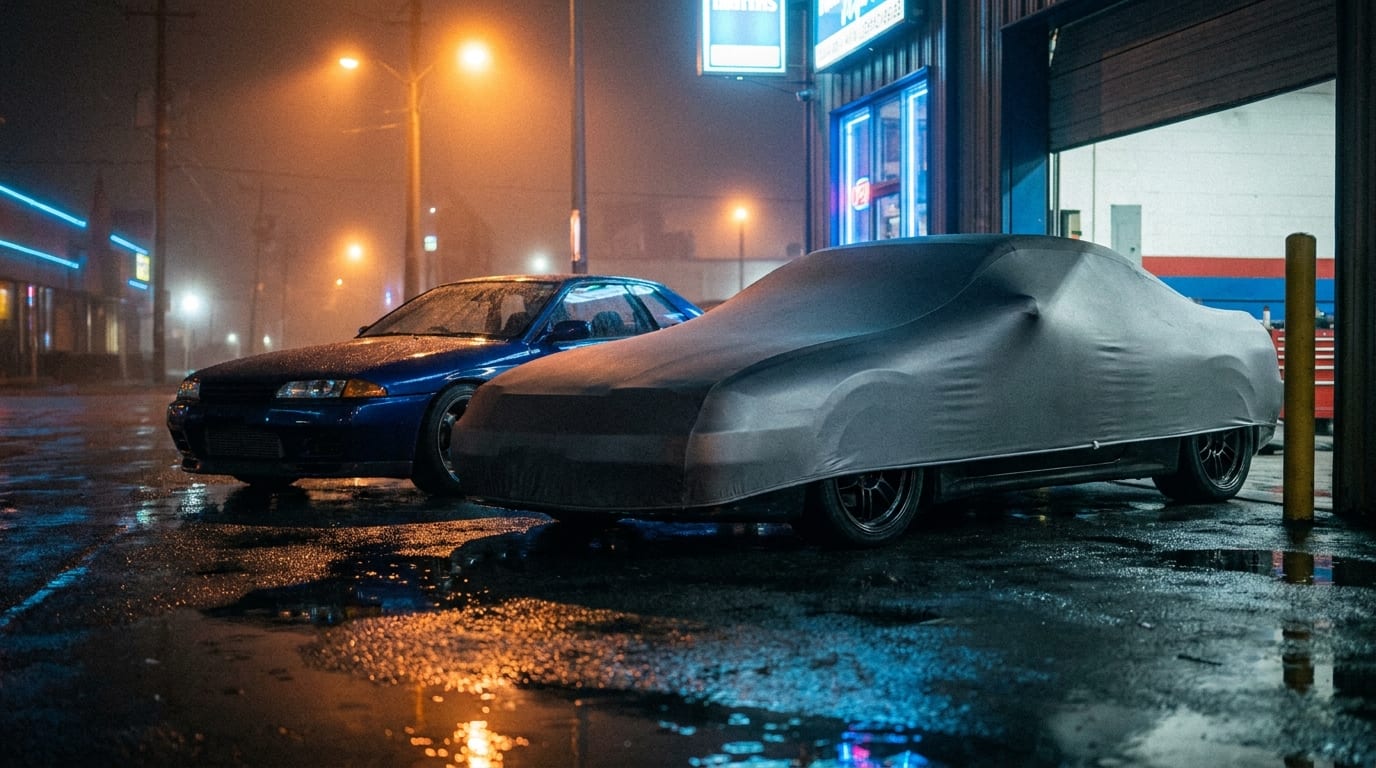
The appeal of a physical store is obvious: you walk in, you walk out with a cover, and you're covered (literally) before dinner. If a hailstorm's rolling in tonight, that same-day turnaround is worth something no website can match. You can also run your hand over the fabric, feel the thickness, and get a rough sense of how it'll hold up before you commit.
Past that, the case thins out fast. Most auto parts stores and big box retailers carry a handful of universal sizes, think small/medium/large/XL ranges built to loosely fit a broad category of vehicle, not your specific make and model. That's a compromise by design. A universal "full-size sedan" cover might fit a Camry fine and sit awkwardly loose on a Charger.
Staff knowledge is another gap. Ask a store associate whether you need a breathable indoor cover or a waterproof outdoor one for coastal humidity, and you'll usually get a shrug or a guess. They're not trained on regional climate tradeoffs (hail-prone states, high-UV deserts, humid coastlines all call for different materials), and they're selling what's on the shelf, not what's actually right for your car.
And if the fit's wrong? You're driving back, receipt in hand, hoping the right size happens to be in stock. There's no guarantee it is.
Buying a Car Cover Online: Pros and Cons
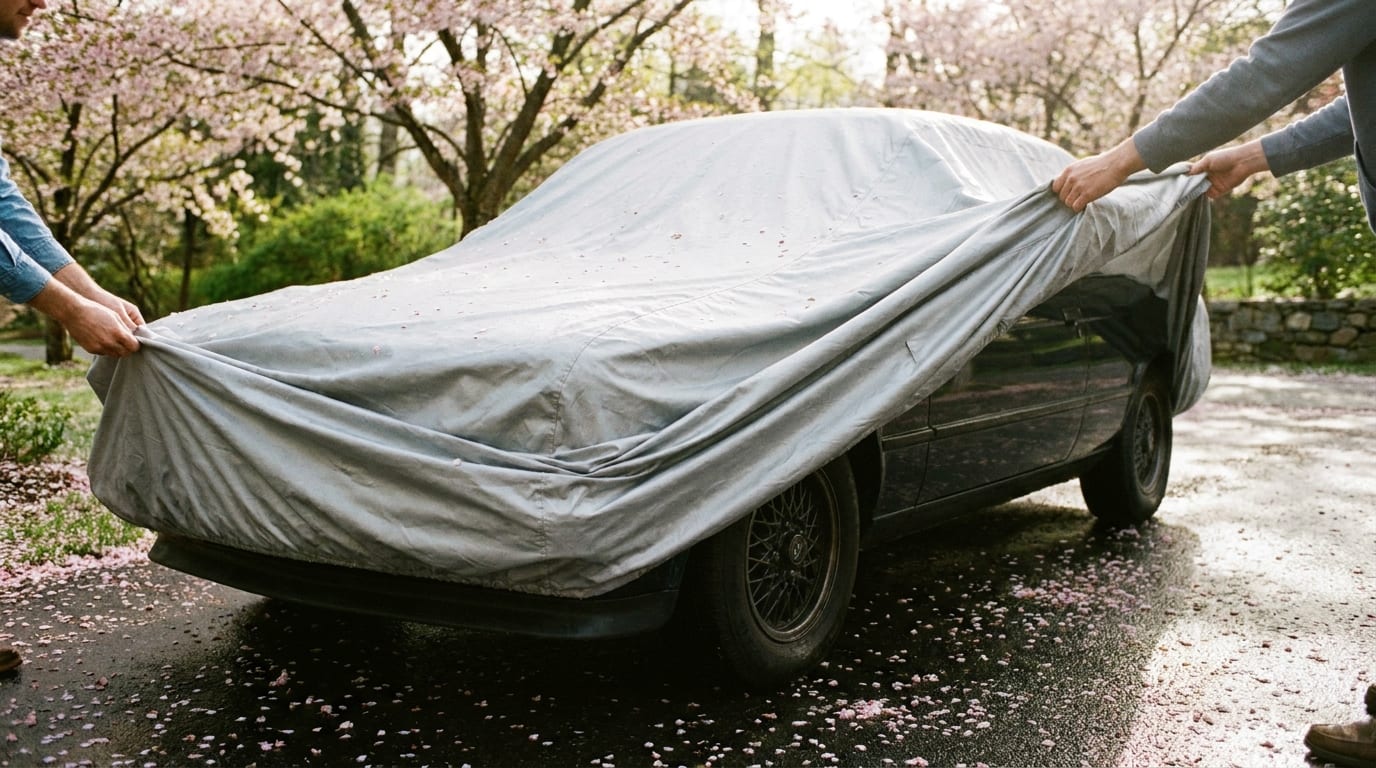
Online shopping flips the script on fit. Instead of picking from a loose size range, you can order a custom-fit car cover built to your exact year, make, and model. That alone solves the biggest problem with in-store buying.
Sizing tools close the rest of the gap. Guides like what size car cover fits my vehicle and a cover finder by vehicle let you confirm the right fit before you pay, not after. Selection is wider too: indoor, outdoor, waterproof, and hail-rated materials, all in one place, instead of whatever five SKUs happened to make it onto a store shelf.
The tradeoffs are real, though. No same-day pickup, obviously, so if a storm's hitting tonight, online ordering doesn't help you. And you can't physically touch the material before it arrives, which means descriptions and customer reviews carry more weight than they would in a store aisle. Read them.
This is where a tool like CarCovers' cover finder earns its keep. Instead of guessing between a "mid-size SUV" and a "large SUV" bucket, you plug in your vehicle and get a cover built to match it, closing the exact gap that makes universal in-store sizing unreliable in the first place.
Side-by-Side: In Store vs. Online Across the Factors That Matter
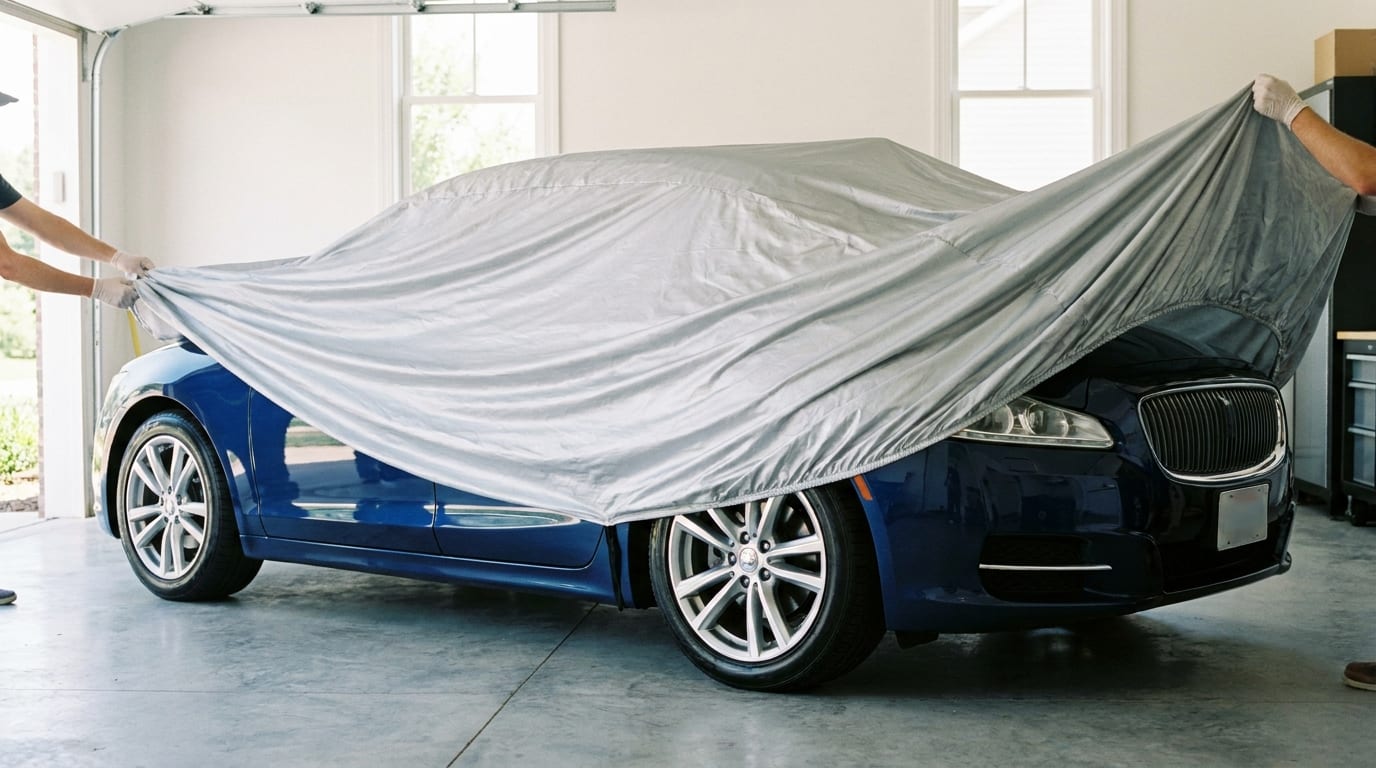
Here's how the two paths stack up when you put them next to each other.
| Factor | In Store | Online |
|---|---|---|
| Fit accuracy | Universal S/M/L/XL ranges | Custom-fit by exact year/make/model |
| Selection | Typically 5 to 10 SKUs on shelf | Full range: indoor, outdoor, waterproof, hail |
| Price transparency | Sticker price, hard to compare | Tiers and features comparable before paying |
| Speed | Same-day | Shipping window, see [shipping policy](/shipping-policy) |
| Returns/exchanges | Depends on local stock | Defined policies, see [return policy](/return-policy) and [no-hassle guarantee](/no-hassle-guarantee) |
| Warranty | Varies, often unclear | Backed coverage, see [lifetime warranty](/lifetime-warranty-on-car-covers) and [warranty terms](/warranty) |
The pattern's pretty clear once it's laid out like this: in-store wins exactly one category, speed, and online wins or ties everywhere else. Warranty coverage is probably the most overlooked line in that table. A lot of buyers assume a cover bought off a shelf carries the same backing as one bought direct, but that's not something you should assume, it's something you should check before you buy.
When In-Store Still Makes Sense
There are real scenarios where walking into a store is the smarter move. An emergency weather event is the obvious one: a hailstorm warning two hours out, a sudden hard freeze overnight, something where waiting on a shipping window just isn't an option. In that moment, a universal cover that's "close enough" beats a perfect cover that arrives Thursday.
It also makes sense if your vehicle is a genuinely common size, a standard mid-size sedan or compact SUV, where a universal range is likely to fit reasonably well anyway.
Even then, know the tradeoff you're making. A universal cover sacrifices precision for availability. It'll probably do the job in an emergency. It's not the long-term answer.
When Online Is the Better Choice
For most buyers, most of the time, online wins. If you want a cover built for your exact vehicle instead of a generic size bucket, there's no in-store equivalent to that.
It's also the better route if you're weighing material types against each other, say, deciding between indoor dust protection and full outdoor waterproofing. Browsing the full vehicle covers lineup side by side lets you compare specs in a way a store shelf just doesn't support.
And if you care more about what happens after the purchase, solid returns, real warranty backing, than about having the cover in your hands tonight, online is built for that. In-store mostly isn't.
How to Decide: A Quick Checklist
Run through these before you buy:
- Do you need the cover today, or can you wait a few days for the right fit?
- Is your vehicle a common size, or does it need custom measurements to fit properly?
- What's the primary threat: sun and UV, rain, snow, hail, or just indoor dust? That alone narrows your material choice.
- Does the retailer back the purchase with a real warranty and an easy return path if the fit's off?
If you answered "wait a few days," "custom," and "yes to warranty," online's your answer. If you answered "today" and "common size," a store run will probably do the job.
Bottom Line and Next Step
So, is it better to buy a car cover in store or online? In store wins if you need something today. Online wins almost everywhere else: better fit, wider selection, and actual purchase protection if something's wrong.
For most vehicles, in most climates, the fit is what determines whether a cover actually works, not how fast you got it home. Run your plate or vehicle details through CarCovers' cover finder and see custom-fit and universal options side by side before you decide. Worth a look even if you end up buying somewhere else.
Getting the fit right matters more over a year of use than getting it five minutes faster today.