Quick Answer: Cover vs. Cocoon in One Paragraph
Here's the short version: a car cover is a fitted fabric layer you drape over your vehicle, open at the bottom, meant for regular use whether that's daily parking outside or a few months tucked in the garage. A car cocoon (also called a car bag or car capsule) is a different animal entirely. It wraps the entire vehicle, underside included, and usually seals shut with a zipper. So what is the difference between a car cover and a car cocoon, really? One is for a car you still use. The other is for a car you're putting away. Everything below unpacks that line, but if you only read one paragraph, that's it.
What Is a Car Cover?
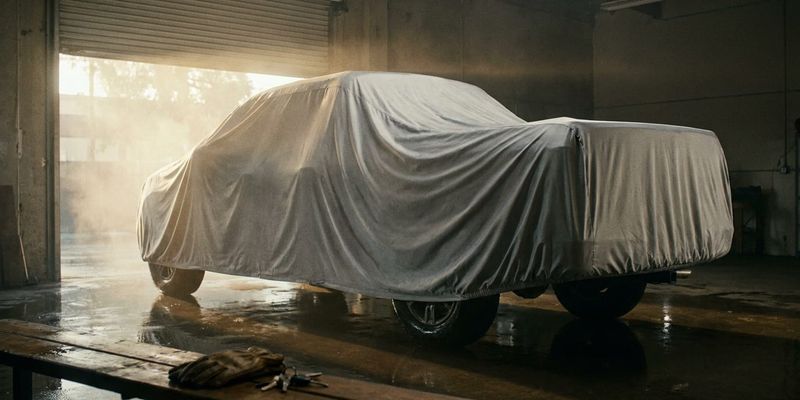
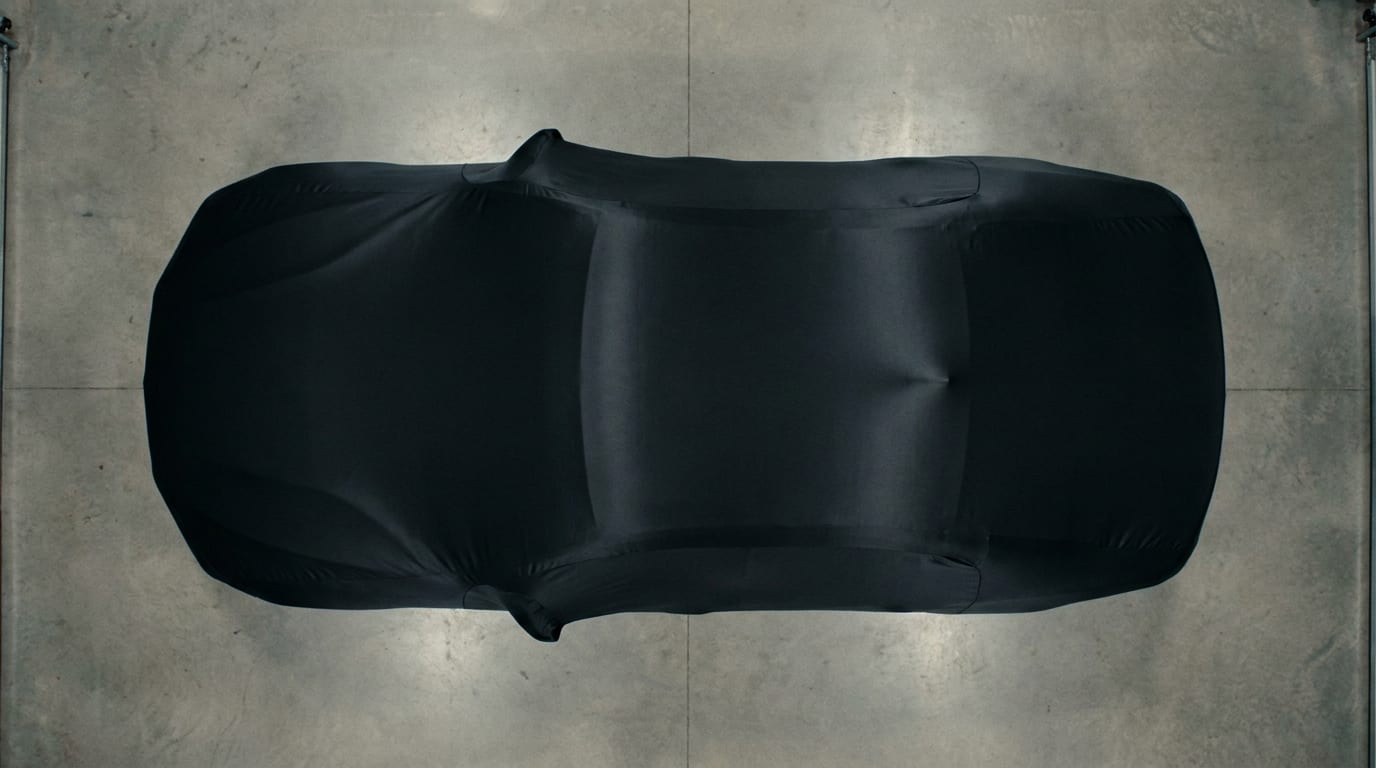
A car cover is fabric shaped to your vehicle's contours, built from single or multi-layer materials like polyester or polypropylene blends, and held in place with elastic hems, straps, or a cable lock running underneath. It sits over the top and sides. The bottom stays open, which is the point. Air moves through, moisture escapes, and the car can breathe.
Most owners use a cover because they still drive the thing. Maybe it's parked outside every night and needs protection from UV rays, tree sap, bird droppings, and light rain. Maybe it lives in a garage during the off-season and just needs a dust barrier. Either way, covers are built around on/off use. You throw it on in two minutes, pull it off just as fast, and repeat that routine for years without the fabric falling apart.
Fit matters here more than people expect. A custom-fit cover is cut to your exact make and model, which keeps it from flapping in the wind or sagging into panels. Universal and semi-custom covers fit a broader size range and cost less, but you trade precision for price. The fabric itself matters too. Not every "waterproof" cover actually sheds water the way the label implies, and it's worth knowing what separates real waterproof fabrics from fabrics that are just water-resistant before you buy one for a car parked outside year-round.
What Is a Car Cocoon?
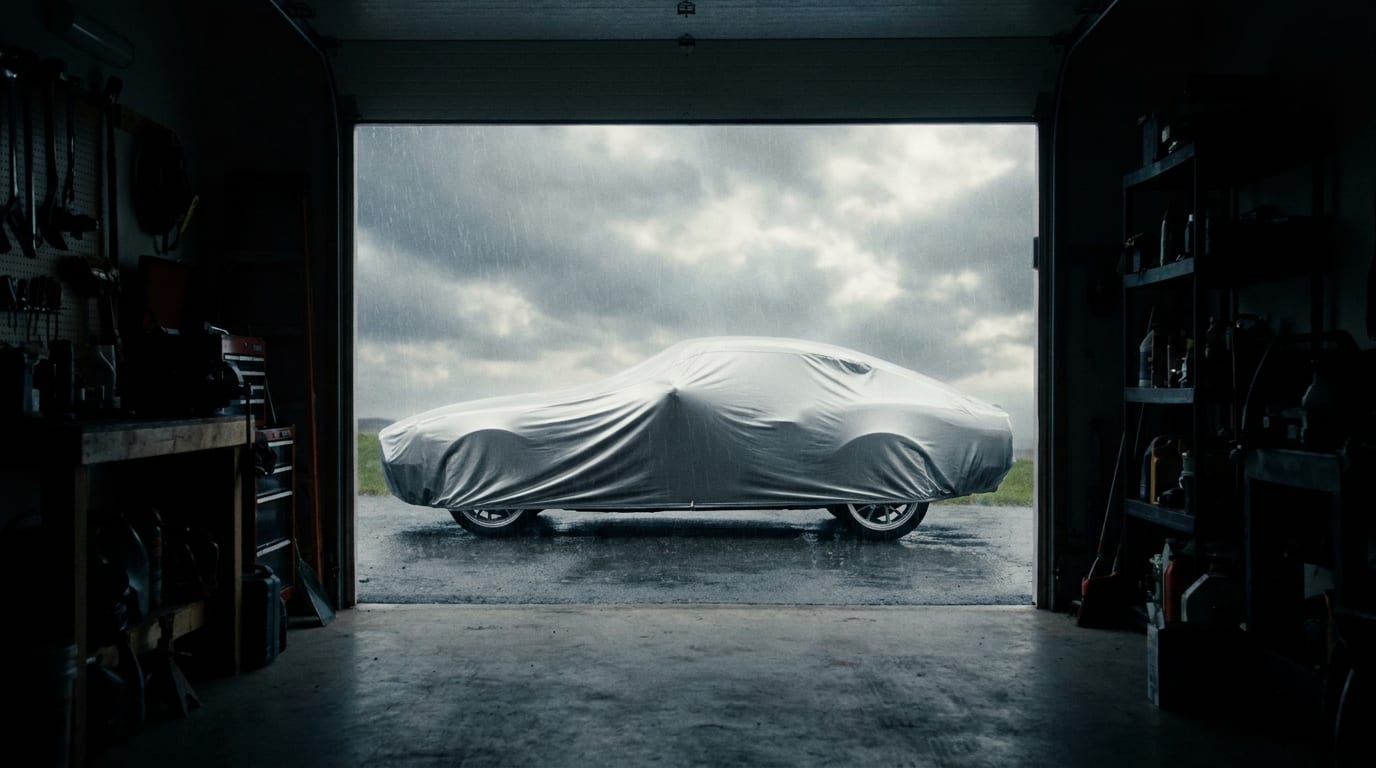
A cocoon isn't fabric draped over a shape. It's a sealed bag that wraps completely around the vehicle, top, sides, and underneath, usually zipped or clipped shut to create a near-airtight enclosure. Think of it less like a tarp and more like vacuum storage for a mattress, except the mattress is a Corvette.
Because the cocoon seals the car off from outside air, moisture becomes the enemy inside that bag instead of outside it. That's why most cocoon systems include desiccant packs or a low-level air circulation fan running off a small pump, something to keep humidity from building up and causing condensation, mold, or corrosion on the very car the thing is supposed to protect. Without that active humidity control, a sealed bag can actually do more harm than a loose cover would.
The use case is narrow and specific: classic cars, collector vehicles, or anything getting stored for months without being started or moved. This isn't a weekend tool. A cocoon takes real time and effort to install and remove, it's bulky, and it makes zero sense for a car you drive even occasionally. If you're pulling it out every other week, you've bought the wrong product.
Side-by-Side: Key Differences
Laying both options next to each other makes the split pretty obvious.
| Factor | Car Cover | Car Cocoon |
|---|---|---|
| Coverage | Top and sides, open underneath | Entire vehicle, including underside |
| Best use case | Daily driving, seasonal outdoor or garage storage | Long-term storage, months at a time, untouched |
| Moisture control | Breathable fabric lets moisture escape | Sealed bag, needs desiccant or fan to manage humidity |
| Ease of use | On/off in minutes, built for repeat use | Slow to install, not meant for frequent removal |
| Cost | Lower, widely accessible | Higher, due to sealed construction and added hardware |
| Portability | Folds compact, travels easily | Bulky, usually stays in one storage spot |
The moisture row is the one people underestimate. A breathable cover left on through a damp week is forgiving because air still moves underneath it. Routine cleaning also keeps that breathability working the way it's supposed to, so if you've had a cover on for a while, it's worth running through a cover cleaning guide before storing it again. A cocoon gives you none of that margin for error. Seal moisture inside a sealed bag and you've built a greenhouse for rust.
Which One Does Your Vehicle Actually Need?

This is really the whole question behind what is the difference between a car cover and a car cocoon: one assumes you'll touch the car again soon, the other assumes you won't.
Simple rule: if you drive the car regularly, or you're storing it for a few weeks at most, get a cover. If you're parking a classic for the winter, mothballing a seasonal vehicle, or leaving something untouched for several months or longer, the cocoon's extra cost starts to make sense.
Most readers land in the first category. You've got a daily driver, maybe a weekend car you still take out, and a well-fitted cover handles the actual threats, sun, sap, dust, light weather, without the expense or hassle of a sealed storage system. It's worth reading why a car cover matters in the first place if you're still on the fence about needing one at all.
Climate changes the math slightly. In humid or coastal regions, trapped moisture is a bigger risk either way, so breathability and ventilation matter more than they would in a dry climate. That's true whether you're choosing an outdoor cover built to handle weather exposure or deciding whether a cocoon's fan system is enough to keep up with the air around it.
Choosing the Right Car Cover for Your Situation

Once you've settled on a cover over a cocoon, the next decision is where the car actually lives. A vehicle parked in a garage doesn't need the same protection as one sitting in a driveway through a Midwest winter. For garage-kept cars, an indoor car cover uses softer, dust-focused fabric since it's not fighting UV or rain. For anything parked outside, this guide to outdoor cover use walks through wind straps, UV exposure, and water resistance in more detail.
If you're dealing with real rain, snow, or coastal humidity but don't need a full cocoon setup, a waterproof cover is usually the right middle ground. And no matter which fabric or style you pick, fit still does most of the work. A loose, universal cover rubs against paint and lets water pool in the gaps. A custom-fit cover eliminates most of that friction and the trapped moisture that comes with it.
If you're still deciding between a quick indoor layer and something more serious, browse the indoor and outdoor cover lineup before you spend cocoon-level money on a car that just needs a good, breathable fit. For most owners, that's where the decision actually ends.