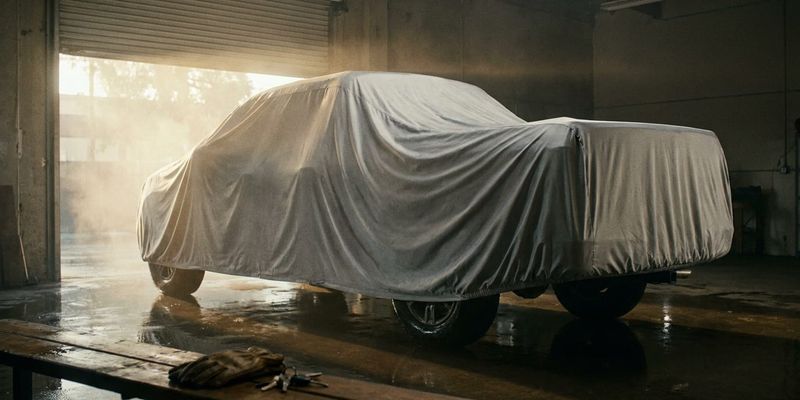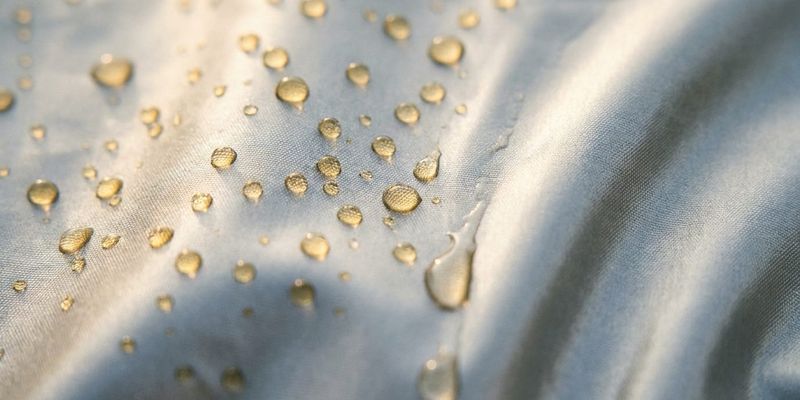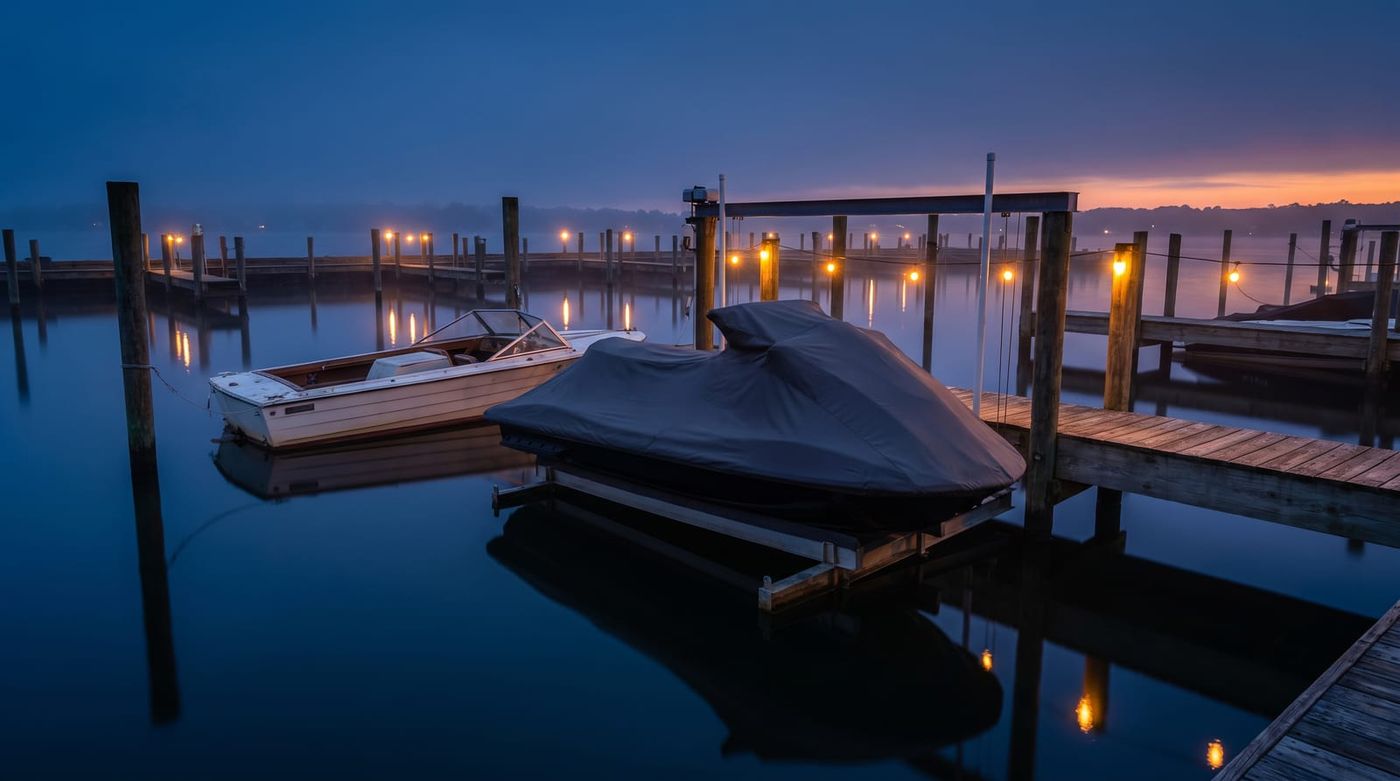
Quick Answer: Can You Use a Car Cover on a Boat on a Trailer?
No. If someone's asking whether a car cover can be used on a boat trailer because they've got a sedan cover sitting in the garage and a boat sitting outside, the honest answer is that it's not a good long-term fix, even though nothing's physically stopping you from draping it over the hull. A car cover is cut to the silhouette of a sedan, SUV, or truck. A boat has a curved hull, a raised bow, a motor hanging off the back. Those are two different shapes, and fabric patterned for one doesn't become fabric patterned for the other just because you own it and it's handy.
There's a nuance worth stating plainly: if it starts raining unexpectedly and you toss a car cover over part of the boat for a few hours, that's fine. Nobody's hull is getting ruined by one afternoon under the wrong tarp. The problem shows up when "in a pinch" turns into "this is just how I store it." That's where the mismatch starts costing you money.
The rest of this covers why the fit actually fails, what tends to happen if you push through and use a car cover anyway, and what to buy instead, whether that's a boat, a jet ski, or something else entirely riding on that trailer.
Why Car Covers Aren't Designed for Boat Hulls
Start with shape. A car cover's panels are sewn to hug a roofline, slope down a windshield, wrap a hood and trunk. That pattern assumes a relatively low, continuous, boxy-ish form. A boat doesn't offer that. You've got a bow that rises sharply, gunwales that curve outward, a flat transom at the back. None of that lines up with seams built for a Camry.
Then there's everything a boat has that a car doesn't. Outboard motors sticking off the stern. Bimini tops folded down but still bulky. Rod holders, windshields, sometimes a tower. A car cover has zero allowance for any of it, because it was never asked to account for it. You end up stretching fabric over shapes it wasn't cut for and hoping for the best.
Drainage is another piece people miss. Boat covers are engineered with a taut slope and actual drain points or grommets so rain runs off instead of pooling in a low spot. Car covers don't need that geometry, because a car's roof already sheds water on its own, and the cover just rides flush against the body. Put a car cover over a boat and you lose that flush fit, which means you lose the water management too.
Last, the attachment hardware doesn't match either. Elastic hems and tie-down straps on a car cover are sized for a bumper and a tire well. A boat on a trailer needs straps that cinch to the trailer frame or hook around the gunwale, not loop around a wheel that isn't there. If you're used to thinking about waterproof car covers in terms of seam sealing and material grade, the same logic applies to marine covers, just with different attachment points entirely.
What Happens If You Force a Car Cover Onto a Boat Anyway

Here's where it stops being harmless. A car cover draped loosely over a hull doesn't seal anything. Moisture gets trapped underneath in the gaps where the fabric can't follow the curve, and that trapped moisture doesn't evaporate the way it would in open air. Give it a few weeks and you're looking at mold and mildew on upholstery, carpeting, sometimes even the gelcoat itself.
Wind makes it worse. A fabric panel that can't be cinched tight around a hull shape just flaps. Drive down the highway with a boat under a loosely fitted car cover and that flapping turns into tearing, or into the fabric rubbing a groove into the finish over sixty miles. Neither outcome is subtle once you see it.
And the parts that don't get covered at all, the bow, the stern, the motor, still sit exposed to full sun and rain the whole time. So you've traded "no cover" for "partial cover with trapped moisture underneath it," which in a lot of cases is worse than leaving the boat uncovered. At least open air dries out. A half-fitted cover just holds the damp in one place and lets the sun hit everything else unchecked.
The Better Alternative: A Purpose-Built Watercraft Cover
The fix isn't complicated: use a cover built for the actual shape sitting on the trailer. A proper watercraft cover runs bow to stern, has cutouts for the motor, and uses mooring-style straps that cinch down to the trailer or trailer guides instead of improvising around a bumper that doesn't exist.
For jet skis and other personal watercraft, CarCovers' jet ski covers are built around that hull shape and trailer setup specifically, so you get the drainage geometry and strap placement that a car cover simply can't replicate. For a full-size boat hull, the same principle holds: a marine-specific cover from a boating specialist is the right tool, not a car cover adapted after the fact.
Worth saying: the underlying material science doesn't change much between vehicle types. Breathable, UV-rated fabric and a snug, wind-resistant fit matter whether you're covering a sedan or a center console. That's the same ground covered in this guide to using a car cover outdoors, and it's a decent way to understand what "good" looks like in a cover before you shop, even if the specific product ends up being marine-rated rather than automotive.
What a Car Cover on a Trailer IS Good For
None of this means a car cover is useless on a trailer. It means it's useless on a boat trailer. If you're hauling an actual car, a motorcycle, an ATV or UTV, or a golf cart, a properly fitted cover from the matching category does its job just fine, both in transit and parked in storage afterward.
That's a simple matching exercise: car covers for cars, motorcycle covers for bikes, UTV and ATV covers for off-road rigs, golf cart covers for, well, golf carts. Each of those is patterned to the vehicle it's named for, the same way a boat cover is patterned to a hull.
One thing that's easy to underestimate: highway trailering puts more wind load on a cover than a stationary driveway ever will. A cover that sits fine in your yard can start lifting and flapping at 65 mph if it isn't anchored right. That's why reinforced grommets and tie-down points matter more for trailered vehicles, and installing gust straps is the detail most people skip until they've already lost a cover on the interstate. Waterproofing matters just as much in motion as it does sitting still, too, since a cover that's merely water-resistant at a standstill can get soaked through in a sustained highway downpour. Waterproof car covers breaks down what to actually look for in material and seam sealing before you buy.
Seasonal Storage Tips for Trailered Watercraft
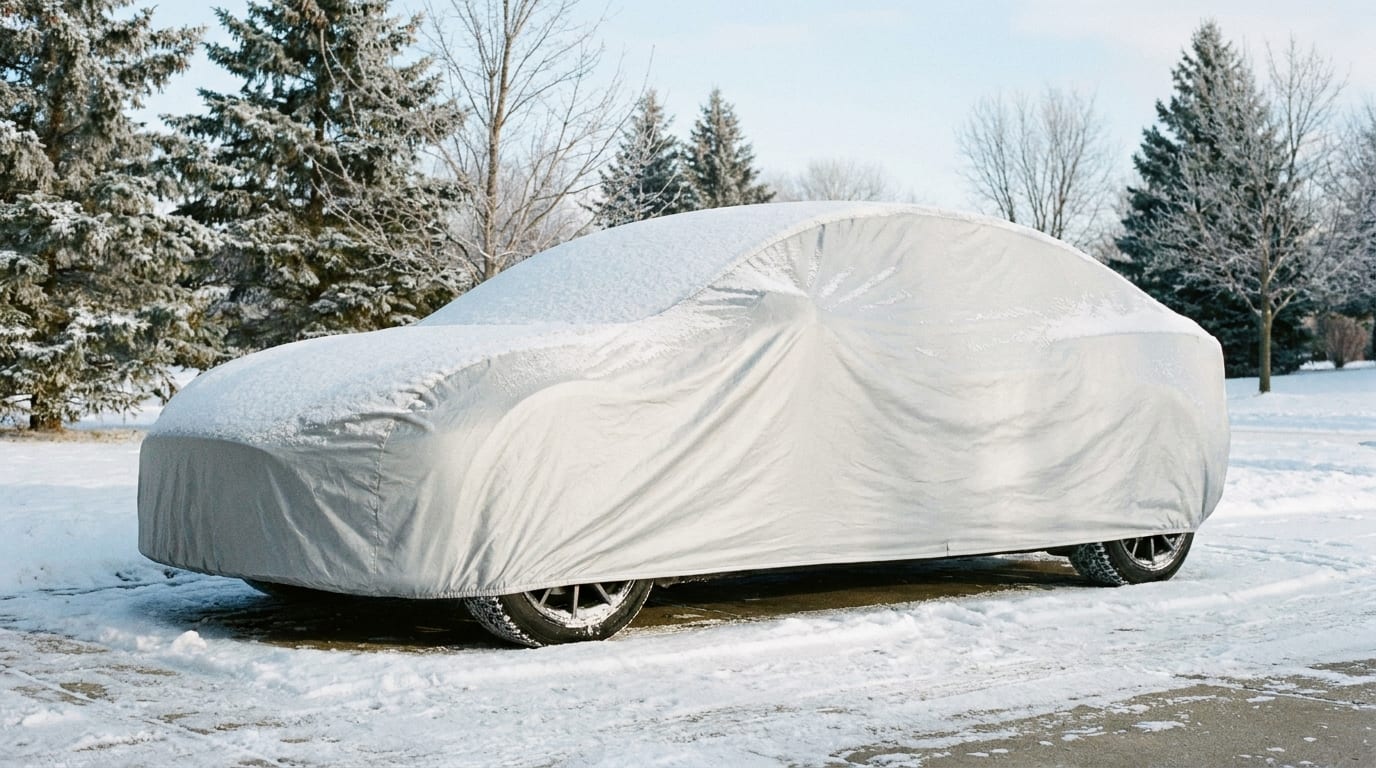
Before any cover goes on, rinse the hull and let it dry completely. This is the step people rush, and it's the one that causes the most damage down the line. Trapped water under a cover, car or marine, is what starts the mildew clock. Dry first, cover second, every time.
If you're tucking a jet ski or other personal watercraft away for winter, there's a fuller prep checklist worth running through beyond just the cover, covering fuel stabilization, battery care, and flushing the engine. How to de-winterize a jet ski walks through the reverse process, which doubles as a good reference for what "properly stored" looks like going in.
If you're still working out trailer and tow vehicle pairing for a personal watercraft, knowing the actual weight you're hauling matters more than people assume going in. How much does a Waverunner weigh is useful background for matching trailer capacity to the craft before you even get to the cover question.
And wherever you land on a cover, secure it at the trailer's actual tie-down points, not by looping straps around the boat itself. Attaching straps to the hull or gunwale instead of the trailer frame puts stress on parts of the boat that weren't built to anchor a cover, and that's how you end up with cracked fittings instead of a properly stored boat.
Bottom Line: Match the Cover to What's Actually on the Trailer
So, can a car cover be used on a boat trailer. Not as a real solution. A car cover isn't built for a hull's curves, drainage needs, or motor cutouts, and forcing the fit tends to cause more damage than it prevents. Use a marine-specific cover for a full boat hull, or CarCovers' jet ski covers if it's a personal watercraft on that trailer.
If it's anything else back there, car, truck, motorcycle, ATV, golf cart, a properly sized cover from the matching category page handles it the way it's supposed to.
Not sure which cover actually fits what you're hauling? The cover finder tool or the find the right car cover guide will narrow it down fast, and it's worth a few minutes before you buy anything, whether that's for next weekend's trip or a cover you'll be relying on all winter. Worth bookmarking either way if you've got more than one vehicle on your hands.