


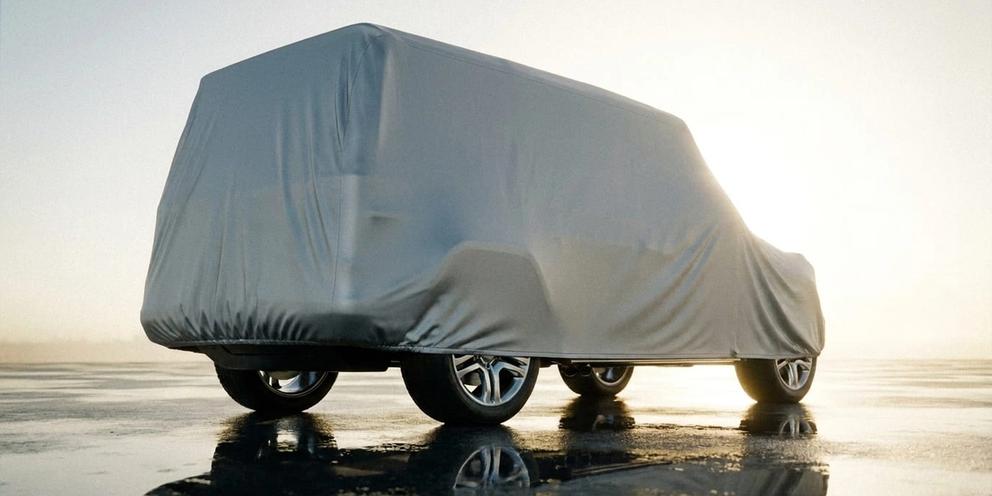
Car Cover for a Dodge Durango: Custom-Fit Sizing Guide by Generation
Picking a car cover for a Dodge Durango sounds simple until you actually measure the thing. Chrysler has redesigned this SUV four times since 1998, and the body has grown, shrunk, and grown again with each generation. A cover that fits a 2008 Durango will bunch up at the mirrors and gap at the bumper on a 2022 model. If you want a car cover for a Dodge Durango that actually stays put in wind and keeps water out, you need to match your exact model year to the right custom-fit pattern, not grab whatever "SUV size L" universal cover shows up first in search results.
Why Your Dodge Durango Needs a Custom-Fit Cover, Not a Universal One
The Durango isn't one shape. It's four different shapes wearing the same badge. The 2004-2009 second generation is a wide, long-wheelbase truck-based SUV. The 2011-2013 restyle sits taller with a different mirror position. The 2014-2020 facelift added SRT and R/T variants with flared wheel arches and, on some trims, a rear spoiler. And the current 2021-and-later generation is the biggest one yet, with roof rails standard on most trims. A universal cover is cut to an average, and averages don't account for any of that.
What that means in practice: a loose universal cover flaps around at highway-adjacent parking spots, lets rain pool in the hood seam instead of running off, and wears through at the mirrors and rooflines where it rubs. A cover patterned to the Durango's factory dimensions sits close to the body, so wind has nothing to grab and water sheds the way it's supposed to.
This article exists to solve one problem: telling you exactly which Durango generation you own, and which cover size code matches it, before you check out. The table below does the matching. No guesswork.
Dodge Durango Cover Fit & Size Chart by Generation
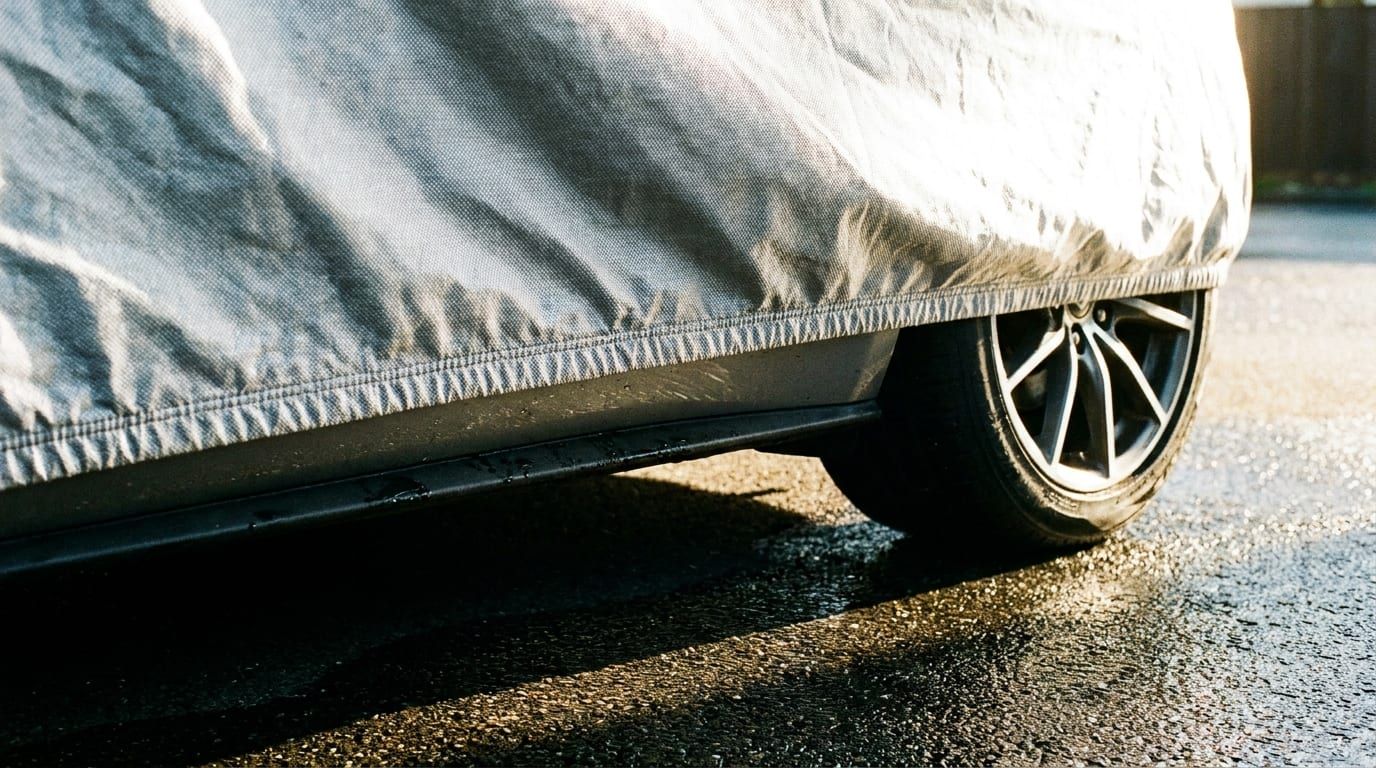
Here's how the four Durango generations break down, and what each one needs from a cover.
1st Gen (1998-2003)
- Body style: Two-row SUV, shorter overall length than later Durangos
- Key fit notes: Roofline has no panoramic sunroof hump to work around, so the pattern is more straightforward front to back
- Recommended cover type: Standard SUV custom-fit pattern sized to the shorter body
2nd Gen (2004-2009)
- Body style: Wider stance, standard roof rails, three-row option
- Key fit notes: Longer wheelbase than the 1st gen means a noticeably larger pattern is needed, and roof rails require enough clearance in the roof panel so the cover doesn't stretch tight over them
- Recommended cover type: Custom pattern built for the extended wheelbase and rail clearance
3rd Gen (2011-2013)
- Body style: Restyled front fascia, taller roofline
- Key fit notes: Mirrors sit in a different position than the 2004-2009 trucks, so a 2nd gen cover will pull tight or gap at the mirror pockets
- Recommended cover type: Generation-specific pattern matched to the taller roof and revised mirror placement
3rd Gen facelift (2014-2020)
- Body style: Includes SRT and R/T performance trims
- Key fit notes: Larger wheel arches and, on some trims, a rear spoiler change how the rear hem sits, so the cover needs extra room built into the back panel
- Recommended cover type: Facelift-specific pattern that accounts for the wider arches and spoiler clearance
4th Gen (2021-present)
- Body style: Largest footprint in the model's history
- Key fit notes: Roof rails standard on most trims and a longer rear overhang than any prior generation
- Recommended cover type: Newest pattern, sized specifically for the current body
Before you buy, confirm your exact model year and trim at checkout. SRT Hellcat models in particular can have different mirror and spoiler clearances than the standard trim in the same model year, and that's the kind of detail a size chart alone won't catch. If you're not sure which bucket your Durango falls into, the Dodge SUV cover page lists the exact fitments by year, and the general vehicle size guide walks through how to double-check measurements against your VIN.
Which CarCovers Material Tier Fits Your Durango's Storage Conditions
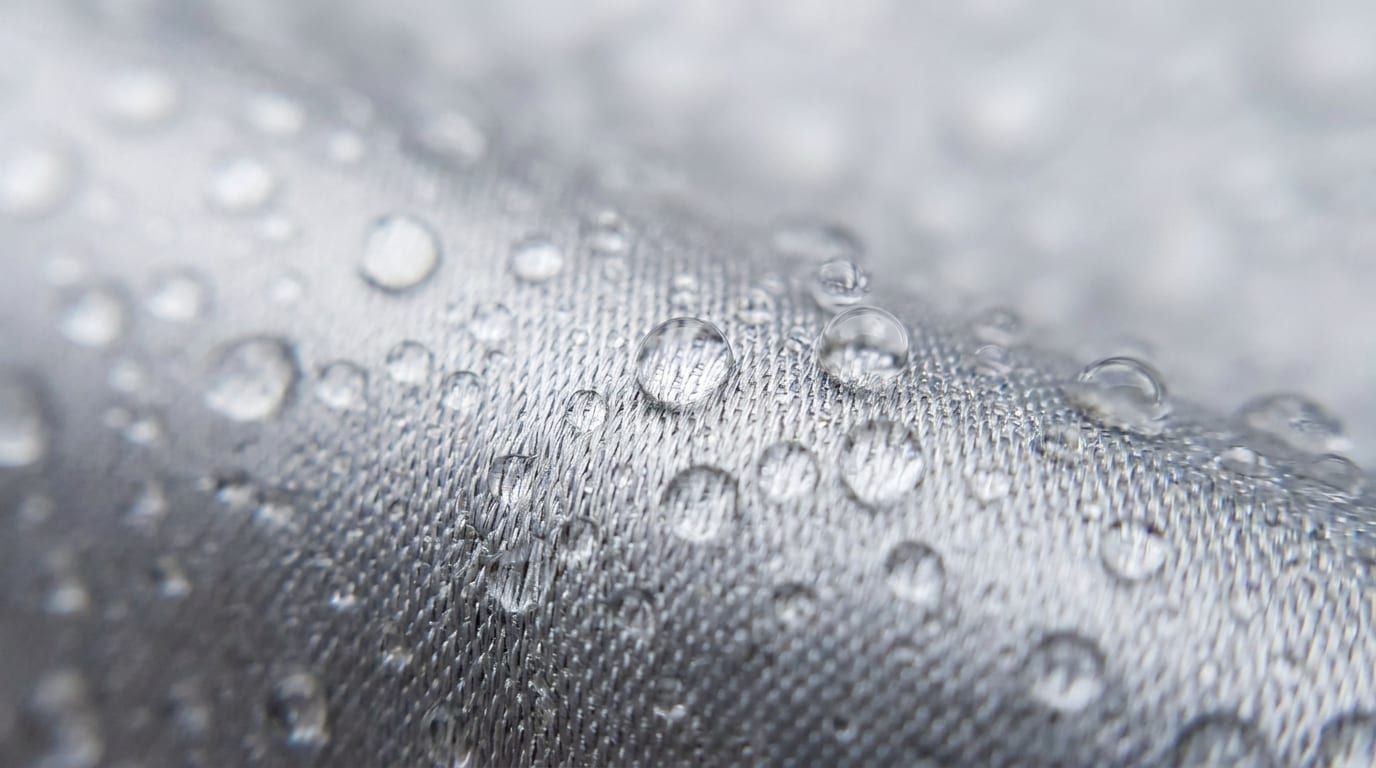
Fit is half the equation. Material is the other half, and it depends entirely on where your Durango sleeps at night.
If you park under a carport or in a driveway that mostly stays dry, a basic water-resistant outdoor cover handles light rain and dust without overpaying for weather protection you don't need. If your Durango sits outside through daily rain or snow, step up to a mid-weight all-weather tier built to handle sustained wet conditions. And if you're in a region with intense sun, a premium waterproof and UV-treated cover is worth it. UV exposure fades paint and dries out rubber trim faster than most owners expect, and the Durango's flat hood and roof panels take the brunt of it.
For owners who garage the Durango and just want protection from dust, scratches, and the occasional shop cat walking across the hood, an indoor cover with a breathable, soft-lining material is the better call. It's lighter, cheaper, and not built to fight weather it'll never see.
Street parkers have a different problem: theft and vandalism, not just weather. Look for reinforced grommets that let you run a cable and lock through the cover, so it can't be lifted off the vehicle while you're not watching.
If paint protection is your main concern over pure weatherproofing, a soft interior lining (sometimes marketed as fleece-lined or FleeceGuard-style) adds a layer of cushion against the SUV's sheet metal, which matters more on a Durango with a fresh clear coat than most people think.
The simple rule: covered parking calls for the lighter indoor tier, exposed driveway or long-term outdoor storage calls for the heavier waterproof tier.
Outdoor vs. Waterproof vs. Indoor: Matching Cover Type to How You Store the Durango
These three categories get lumped together a lot, but they solve different problems. An outdoor all-weather cover is built for wind, sun, and light rain, which covers most driveway situations. A fully waterproof cover is the step up for heavy rain, snow accumulation, or a Durango that's parked outside for weeks at a time without moving. The difference shows up at the seams: waterproof covers are sealed to keep water from wicking through at the stitching, where all-weather covers rely more on the fabric's coating.
Indoor covers are the cheaper, better option if your Durango never sees rain in the first place. There's no reason to pay for waterproofing you'll never use.
One thing a lot of Durango owners in the Midwest and Plains overlook: hail. If you're in a hail-prone area and the SUV lives outside, a hail-rated cover with extra padding over the roof and hood is worth the upgrade, especially on a vehicle with a roofline as flat and exposed as the Durango's.
Before you settle on a tier, check your actual storage plan against these guides rather than picking based on price alone. A cover that's underbuilt for your climate wears out fast, and a cover that's overbuilt for a garage-kept SUV is just extra weight and cost for no benefit.
Installing and Caring for Your Durango Cover
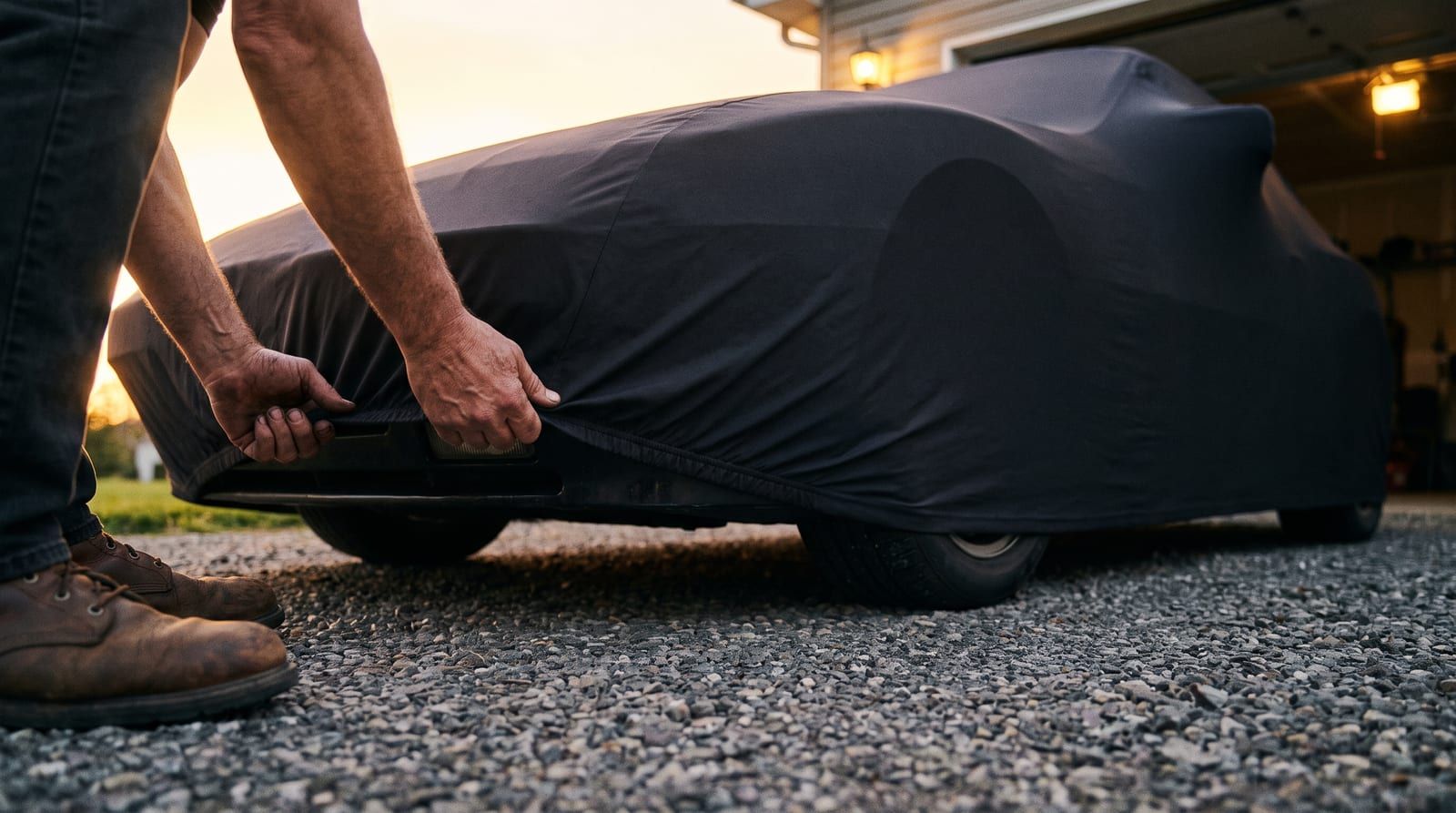
Installation is straightforward once you've got the right size, but the sequence matters. Start at the front, draping the cover over the hood and windshield first, then work it back toward the tailgate. Once it's positioned, tuck and secure the elastic hem under the rocker panels so wind can't get underneath and lift it. Finish by running the cable and lock through the front bumper access point if your cover has one, cinching it enough to keep the whole thing anchored.
If you're in a windy region, don't skip the gust straps. The Durango's roofline is tall enough that a strong crosswind can catch the cover like a sail if it's not strapped down, and a shifted cover is how mirror pockets tear and paint gets scuffed.
Care is simple. Shake off leaves and debris before folding the cover up, don't machine-wash a waterproof tier since it can strip the coating, and let it air dry fully before stuffing it back in the storage bag. A damp cover folded up too soon grows mildew fast.
None of this is complicated, but skipping it does two things: it shortens the cover's lifespan, and it can complicate a warranty claim if the damage traces back to improper use. The full installation walkthrough covers the process step by step if you want more detail before your cover arrives.
Warranty, Shipping, and Returns on Your Dodge Durango Cover
Custom-fit covers come with a lifetime warranty that covers manufacturing defects, things like faulty stitching or hardware failure. It doesn't cover damage from misuse, so a cover that's been dragged across gravel or left unsecured through a windstorm isn't a warranty case.
Custom-fit orders qualify for free shipping, and because these are patterned to your specific Durango generation, they're built to order rather than pulled off a shelf.
If the size code you picked doesn't match your exact Durango trim once it arrives, the return policy gives you a window to send it back. That's worth knowing going in: ordering the wrong size online is a real risk with any custom-fit product, and having a return path removes most of the downside.
Get the Right Cover for Your Dodge Durango
The path here is short. Confirm which generation your Durango falls into using the chart above, pick a material tier that matches how and where you park it, then check the warranty and shipping terms so you know what you're covered for. That's it. Fit and tier are the two decisions that actually matter, and everything else is preference.
If you want to browse before committing, it's worth subscribing to our articles or poking around a few more of our fit guides while your Durango's exact size code is still fresh in your head. Once you've got your generation and trim confirmed, go ahead and lock in the custom-fit cover built for it.
Updated