Car Cover for a Vehicle with a Trailer Hitch: Getting the Fit Right
Published
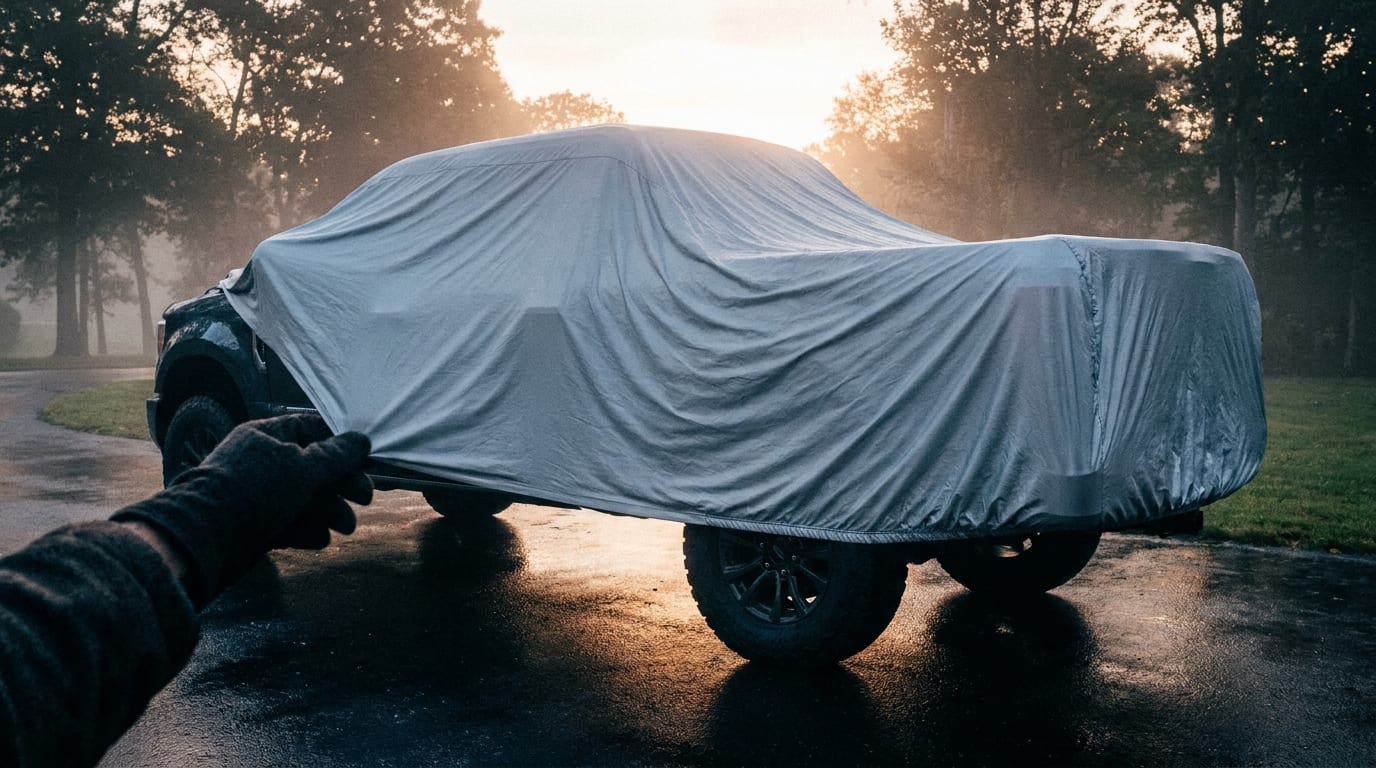
A trailer hitch is one of those add-ons that seems minor until you're standing in your driveway trying to stretch fabric over it. Most car covers are cut to match stock bumper dimensions, so the second you bolt on a receiver, a ball mount, or a tow hook, you've changed the shape the cover has to work with. Finding the right car cover for a vehicle with a trailer hitch isn't complicated once you know what's actually causing the fit problem, and what to do about it.
Why a Trailer Hitch Changes How a Cover Fits
Cover patterns are built around a vehicle's stock rear end: bumper width, bumper depth, ground clearance, that's the geometry they're designed to hug. A hitch receiver sticks out below and behind that line. So does a ball mount. So does a tow hook. None of that extra metal was part of the original measurements, which means the cover has to compensate somehow, and usually not gracefully.
Two things tend to happen. Either the rear hem catches on the hitch and bunches up around it, leaving loose fabric that flaps in the wind, or the panel gets pulled tight trying to clear the obstruction and that tension drags the whole cover off-center. Neither is good. A bunched hem invites water pooling and chafing. A stretched panel puts stress on seams that weren't built to take it.
This isn't just a truck problem, either. SUVs and vans with towing packages run into the same clearance issue, and so do a surprising number of sedans and crossovers that came with a factory hitch for bike racks or small trailers. Anywhere there's a hitch, there's a fit problem waiting to happen.
The rest of this covers what each type of hitch hardware actually does to a cover's fit, which cover styles handle it best, and the real options for solving it: picking the right size to start, modifying the cover itself, or just changing how you install it.
Hitch, Ball Mount, and Tow Hook: What Each One Does to the Fit
Not all hitch hardware causes the same amount of trouble, so it helps to separate the pieces.
The receiver tube itself is a rectangular protrusion mounted low on the rear bumper. On its own, it's often not the worst offender, it just adds a hard edge that can tent the fabric slightly or create a snag point if the cover's hem catches the lip as you pull it down.
The ball mount is usually the real culprit. Left installed, it adds height and width well beyond what the receiver tube alone takes up, and it's shaped in a way that fabric doesn't want to slide over smoothly. If you've ever covered a vehicle and found a weird peak or a torn spot right at the rear, there's a good chance a ball mount was sitting in there the whole time.
Tow hooks, common on the front and rear of trucks and SUVs, are smaller but not harmless. They're often sharper-edged than a hitch receiver, and the repeated friction of a cover sliding against one spot, pickup after pickup, will wear a thin patch into the fabric over months of use.
The simplest fix available to almost everyone: if your ball mount comes out, take it out before covering the vehicle. It takes seconds, and it removes the single biggest cause of cover damage around a hitch. Save modification for hardware that's permanently installed, like a fixed receiver tube or a tow hook that isn't coming off.
Universal, Semi-Custom, or Custom-Fit: Which Handles a Hitch Best
The cover category you start with determines how much extra work you'll need to do later.
Universal covers are the cheapest option, and it shows around the rear end. They're built to a size range rather than an actual body shape, so there's no attempt at matching your bumper contour, let alone accounting for a hitch. They can work in a pinch, but they're also the least predictable choice if a receiver or tow hook is in play.
Semi-custom covers are shaped to a vehicle's general body style (think "full-size pickup, short bed" rather than a universal one-size-fits-many). This is the sweet spot for most hitch-equipped trucks and SUVs: closer fit than universal, more reasonable price than full custom. If you're shopping truck covers or SUV covers for a vehicle that tows, semi-custom is usually the starting point worth looking at first.
Custom-fit covers are pattern-matched to your exact year, make, and model. They give you the most accurate rear-end shape of the three, which matters a lot when you're trying to fit a cover around existing hardware. Even then, a custom-fit cover may still need a small modification if the hitch is permanently installed, because the pattern is based on the vehicle as it left the factory, not as it sits with aftermarket hardware attached. You can browse custom-fit car covers to see what's available for your specific vehicle.
The rule of thumb: the more precise your starting fit, the smaller the modification you'll need to make later. Start close, and you're trimming a slit. Start with universal, and you might be re-engineering half the rear panel.
Modifying a Cover for Hitch Clearance
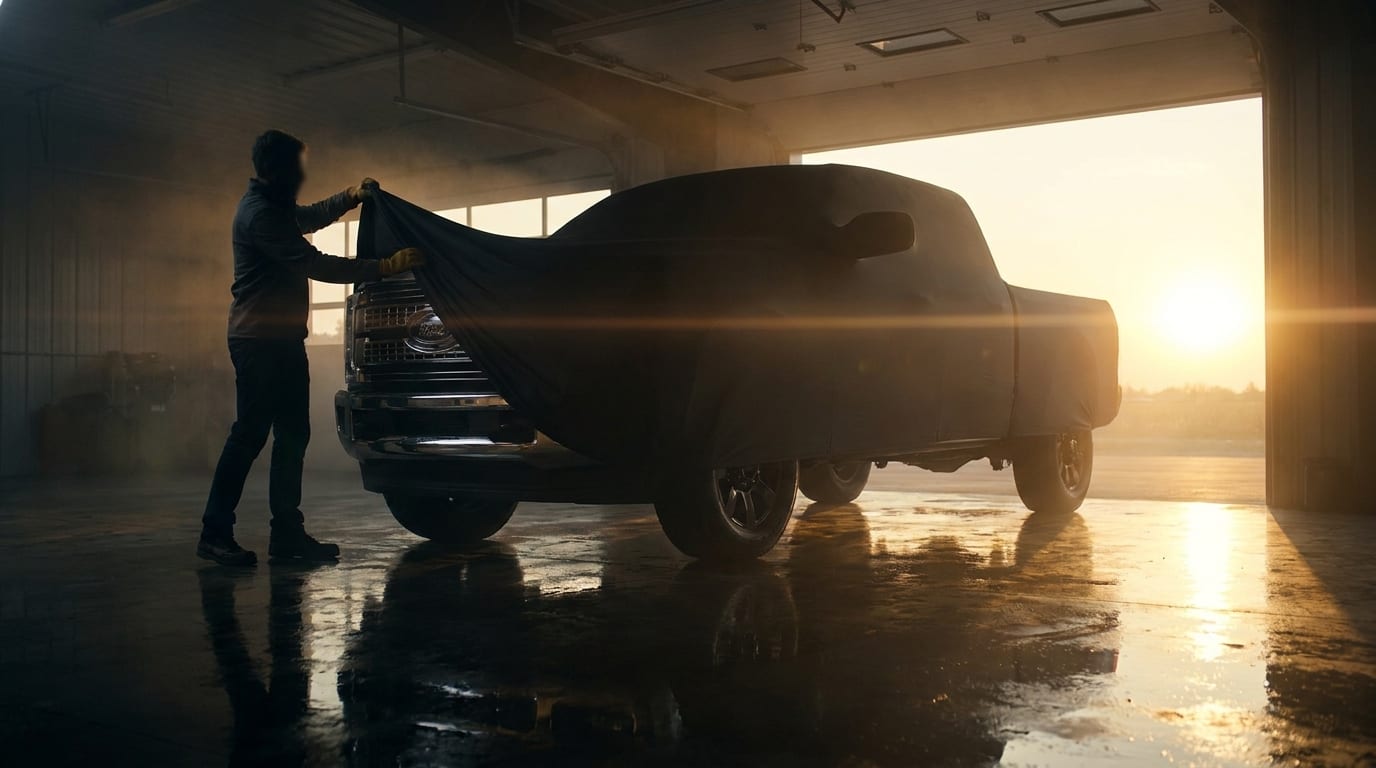
For hitches that aren't going anywhere, a little modification goes a long way. There are three common approaches.
A slit or grommet cut right at the hitch location is the simplest. It lets the receiver poke through instead of fighting the fabric for space. A reinforced patch around that opening is the better version of the same idea, it adds a bound edge so the fabric doesn't fray at the cut. The most involved option is a custom-cut rear panel, where the shape around the hitch is built into the cover itself rather than added after the fact.
Why does reinforcement matter so much? Because an unfinished slit is basically an invitation for wind to work it open. Covers move in the wind more than people expect, even when strapped down, and a raw edge will fray, then tear, then turn into a hole that lets water in. A bound edge or patch holds up to that movement instead of surrendering to it.
Some cover makers will do this modification at the factory when you order, which is worth asking about instead of grabbing scissors yourself. A factory modification is cut to spec and reinforced properly from the start. If you're set on a DIY cut, at minimum seal or bind the edge afterward so it doesn't unravel.
If you need this done right, fit modifications covers how to get a cover adjusted for hitches, tow hooks, antennas, and other add-ons that stock patterns don't account for.
Installing the Cover Around a Hitch Without Damaging It
Good installation habits solve a lot of problems that a different cover size never would.
Start with the easy win: if the ball mount comes out, take it out every single time before you cover the vehicle. It's a thirty-second job that eliminates most of the snagging and stretching issues people run into.
For a fixed receiver tube that can't be removed, work the rear hem around it gradually. Ease the fabric over the opening rather than yanking it taut and forcing one section to absorb all the tension. Pulling hard at a single point is exactly what causes a stress tear six months down the road.
Watch for warning signs after you've got the cover on: visible stress lines radiating from one spot, a gap opening up somewhere else in the cover because fabric got pulled toward the hitch, or wear marks appearing after just a few uses. Any of those means the fit is too tight around the hitch, and it's worth revisiting whether a modification or a different size is overdue.
The step-by-step installation guide covers the general technique that applies here too, and the broader installation guides library has more if you're dealing with straps, poles, or locks alongside the hitch issue.
Choosing a Cover for Trucks and SUVs That Tow
Trucks and SUVs are the vehicles most likely to have a hitch bolted on, so they're also where this fit question comes up the most. Bed length and body style both affect which size and shape you should be looking at, hitch aside.
If you're sizing a truck cover, it's worth checking bed length first since that alone changes which size category fits, hitch or no hitch. The pickup truck bed size guide is a useful reference before you get into hitch-specific adjustments.
SUVs face a version of the same overhang problem, just at the rear bumper instead of a truck bed. A rear-mounted hitch on an SUV pushes the cover's clearance needs out past the stock bumper line in the same way a truck's receiver does, so the same modification or installation logic applies there too.
Getting the Right Fit: Next Steps
Here's the short version. Pick a semi-custom or custom-fit cover built for your vehicle, pull the ball mount if it's removable, and request a fit modification for anything that stays bolted on. That sequence handles nearly every hitch-related fit problem before it starts.
A cover that's properly modified for a hitch protects the paint and the fabric both. A cover that isn't just trades one problem for another, fraying at the hitch instead of guarding against the weather it was bought for.
If you're still narrowing down options, it's worth browsing a few vehicle-specific choices and subscribing for more guides like this one before you commit to a cover. Getting the fit right the first time beats discovering a snag point the hard way.