Car Cover for a Lowered Car: A Fit Guide for Stance and Wide-Body Builds
Published

Why Lowered and Wide-Body Cars Need a Different Kind of Cover
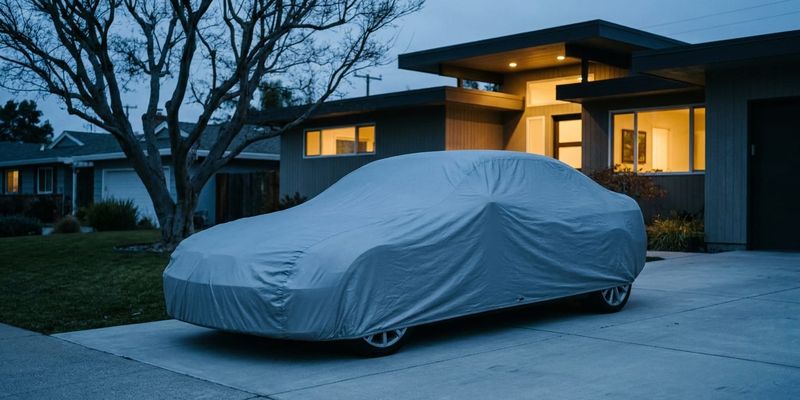
Drop a car two inches on coilovers, bolt on a widebody kit, or run air suspension down at "slammed" height, and you've basically built a different vehicle than the one in the factory spec sheet. The wheelbase is the same, sure. But ground clearance, fender width, and the shape of the lower body have all changed enough that a cover built for the stock version of your car doesn't actually match the car sitting in your driveway.
Owners who've been through this already know the two complaints that keep coming up. First, the cover drags at the lowest point, usually the front lip or rocker panels, because there's extra fabric with nowhere to go but down. Second, the fit either pulls tight across flared fenders or gaps around them, since the cover was never cut for the extra width. Neither problem is really about cover quality. It's about matching the cover to the car's actual dimensions right now, not the dimensions it rolled off the line with.
That's what this guide is for. If you're shopping for a car cover for a lowered car, the goal isn't just finding one that technically fits your make and model. It's finding one that accounts for how far you've dropped it and how far the body has been pushed out.
How a Standard Car Cover Fails on a Lowered Vehicle
Ground clearance is the big one. A cover sized for stock ride height carries extra fabric in its hem allowance, fabric that assumes several more inches of air under the rocker panels than your car actually has. On a lowered car, that slack doesn't just sit there looking loose. It pools at the lowest point, drags on the pavement when wind moves it, and picks up grit that then gets ground into your paint or wrap every time the fabric shifts.
Wind makes it worse. Loose material at a lowered bumper lip or rocker panel catches air more easily than fabric that's cinched snug against the body. Instead of sitting flat, it billows, and once wind gets under one edge, the whole cover can start working itself loose overnight. That's a bigger deal on a lowered car than a stock one, simply because there's more unsupported fabric for the wind to grab.
Then there's the slower damage: chafing. Excess material rubbing against a lowered splitter, a side skirt, or an exhaust tip every time a gust moves it will wear through a cover's lining faster than normal use ever would. You might not notice until you spot thin patches or fraying right at the point where the fabric meets a body panel that wasn't there on the stock car.
Custom-Fit vs. Universal Covers for Modified Cars
Universal and semi-custom covers are cheaper, and for a stock car they're often fine. They're cut generously so one cover can stretch across a range of trims and model years. That generosity is exactly the problem on a modified car: all that extra sizing becomes slack, and slack is what drags and flaps.
A custom-fit car cover built to your vehicle's actual year, make, and model profile sits closer to the body by design. Less slack means less fabric hanging at the bottom, less material to catch wind, and fewer contact points rubbing against aero parts. For a stock car, that's a nice-to-have. For a lowered or widebody car, it's the difference between a cover that works and one you're constantly adjusting.
If your modifications are significant, big drop, full widebody kit, aggressive splitter, don't trust the stock spec sheet at all. Get a tape measure out. Check your actual ride height and width with the car sitting the way it normally sits (lower on coilovers, aired out if you're on bags), and use those numbers when you're comparing cover options. The fit modifications resources are built for exactly this kind of situation, where the factory dimensions on file don't match the car in front of you.
Fitting Around Flares, Splitters, and Wide-Body Kits
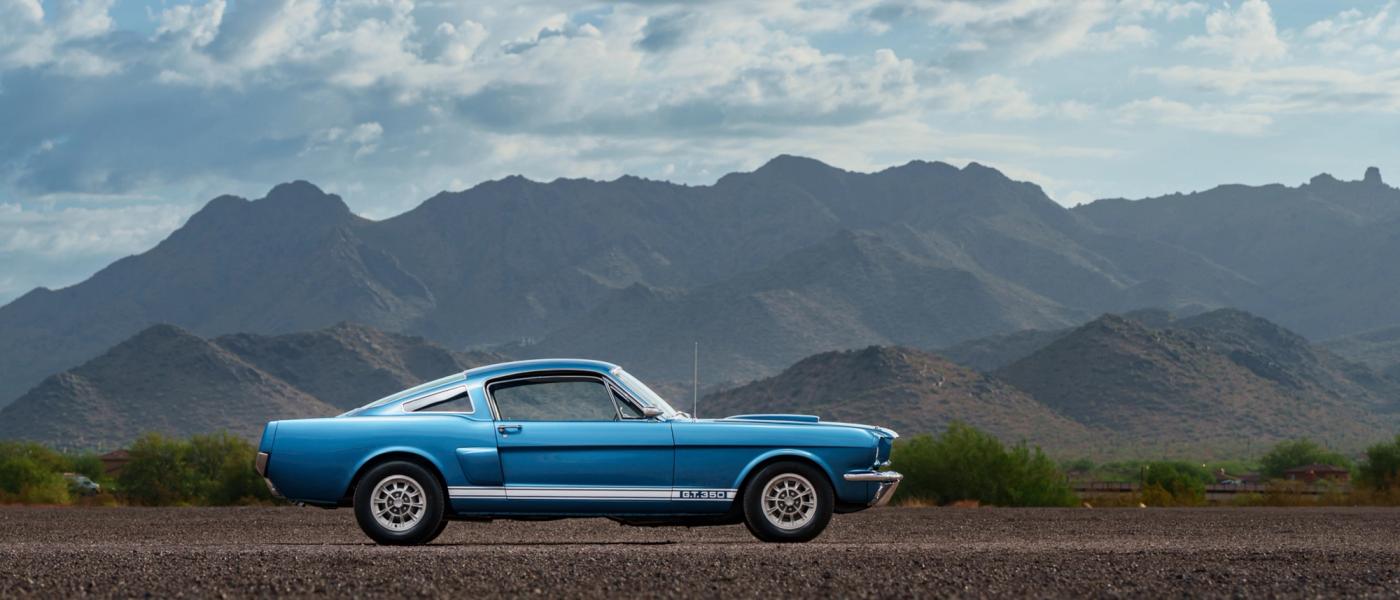
Width is the first thing to check. A widebody kit that pushes the fenders out past the factory bodyline needs a cover with real width allowance there, not just a snug stock cut. If the cover's too narrow at the fenders, you'll either stretch it thin (not great for the fabric or your paint) or leave the lower edge riding up off the ground, which defeats the point of covering the car.
Front splitters and rear diffusers are the second snag point, literally. These parts stick out further than stock bumpers and sit lower too, so check whether the cover's front and rear hem gives you enough clearance to drape over them during installation without catching an edge or a mounting bolt. A cover that was fine on a stock bumper can bunch up awkwardly around an aggressive front lip.
Side skirts deserve the same attention as ground clearance up front. If your skirts sit lower than stock, which they almost always do on a lowered car, the sides of the cover face the same dragging risk as the front and rear. It's easy to focus all your fit-checking on the obvious lowest point and forget the sides have dropped too.
Material and Feature Checklist for Lowered Cars

Because a properly fitted cover on a modified car sits closer to the body at more points, the lining matters more than it would on a loose stock-fit cover. Look for a soft inner lining specifically at the contact areas: fenders, splitter, skirts. That's where repeated contact with cheap, scratchy lining will slowly dull paint or wear marks into a vinyl wrap.
Waterproofing versus breathability is the next call, and it depends on where the car lives. If it's stored outdoors, prioritize waterproofing at the lower panels specifically. Lowered cars sit closer to road spray and standing water, so pooling at the hem is more likely than it would be on a car with stock ride height. Garage-kept cars have more flexibility to prioritize breathability over waterproofing, since you're mainly managing dust rather than weather.
Last, check the hardware. Grommets, straps, and cable lock loops are placed assuming stock proportions, and once ride height or width changes, those anchor points may not line up where they used to. Adjustable or relocatable strap positions let you actually use the securing hardware instead of working around it. It's a small spec sheet detail that matters a lot in practice.
Installation Tips to Avoid Drag and Lift
Don't pull a cover tight from one end and work your way around. On a lowered or widebody car, that tends to bunch fabric up against the first low-hanging part it meets, usually the splitter or a skirt, and then stretch unevenly from there. Drape it loosely first, then seat it panel by panel, easing it around flares and aero parts rather than forcing it.
Once it's positioned, tension matters as much as fit. A properly set cable lock or gust strap setup keeps fabric snug at the rocker panels, which is exactly where loose material invites wind underneath. If you've had a cover shift or lift before, the installation guide and the tips on keeping a cover from blowing away are both worth a look before you assume the cover itself is the problem.
If you're daily driving a lowered car and storing it outside, check the hemline after the first handful of uses. Any dragging or wear shows up early, usually as a slightly frayed edge or a dirt line that's heavier in one spot. Catching that in week one is a lot cheaper than replacing a cover in month three.
Finding the Right Fit for Your Build
Boil it down and it's simple: match the cover to your car's current dimensions, not the ones in the owner's manual. Ride height and width are the two numbers that actually change once you've lowered a car or widened it with a flare kit, and they're the two numbers a stock-fit cover never accounts for.
If you're not sure where your build lands, the sizing guide and cover finder tool are good starting points, and tuner-focused resources like the best tuner cars roundup or your local car club are worth a look too, since other owners running similar builds have usually already solved this same fit problem.
A car cover for a lowered car doesn't have to be a guessing game. Measure your car as it sits today, check the fit details that actually apply to your build, and the rest falls into place. If you want more on protecting a modified daily or weekend car, stick around and explore the rest of our guides, there's more here worth reading before you buy.