Indoor Car Cover for Ford Expedition: Fit, Sizing, and What to Look For
Published
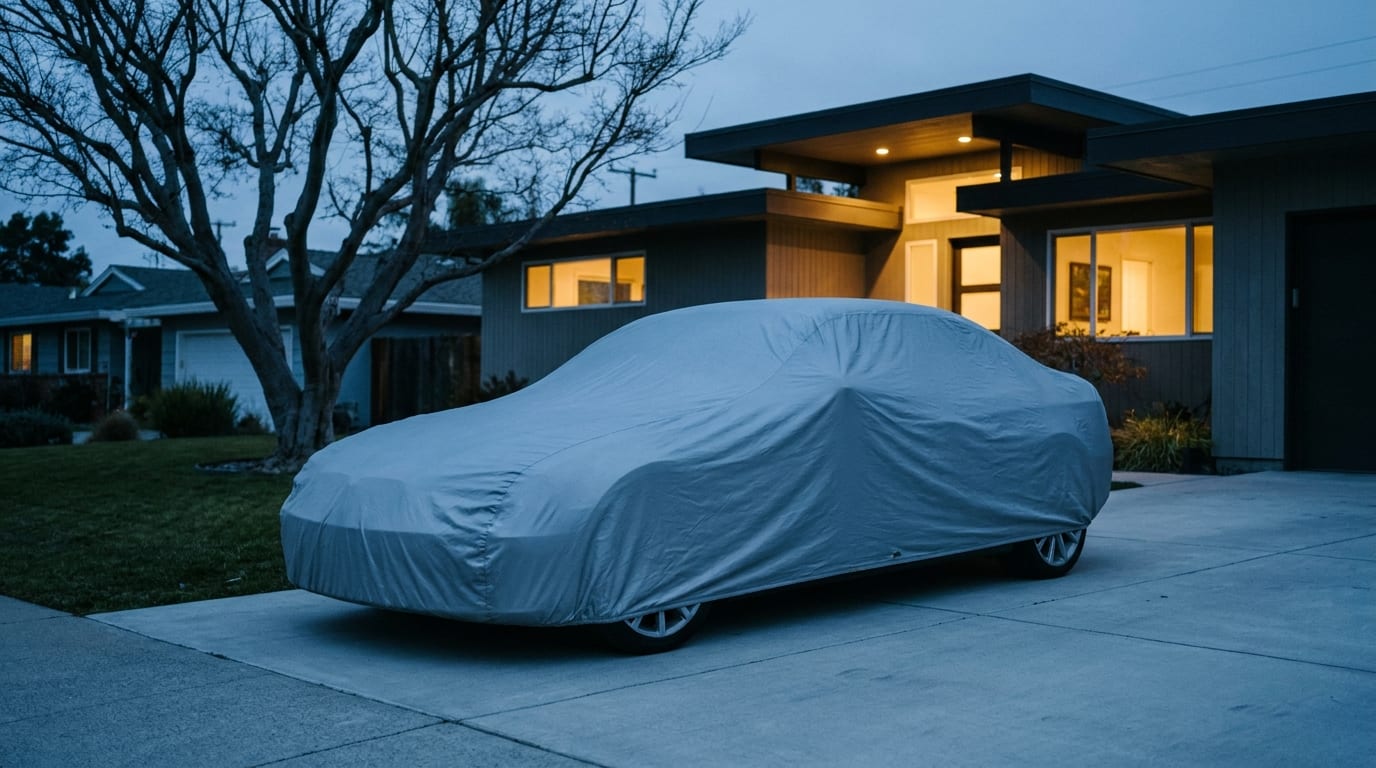
Your Expedition might live in the garage every night of its life and still pick up a fine layer of dust, pollen, and grime that works its way into the clear coat. Garages aren't sealed rooms. Windows open, doors swing, and whatever's floating in the air eventually settles on the car parked inside. An indoor car cover for Ford Expedition owners is the simplest way to stop that slow buildup before it turns into swirl marks.
A three-row SUV like the Expedition spends a lot of its life parked, not driven. Garages and carports are tight spaces, and tight spaces mean bikes leaning against fenders, kids' sports gear sliding across the hood, and tools getting set down a little too close to the paint. Indoor covers exist for exactly this kind of low-grade daily risk. They're built lighter and softer than outdoor covers because they don't have to fight rain, UV rays, or wind, they just need to keep dust and incidental contact off the finish.
This article isn't going to point you toward one specific cover. Instead, we'll walk through how fit and sizing actually work for a vehicle this size, what features matter indoors versus outdoors, and how to land on the right size without guessing.
Why Indoor Protection Matters for a Ford Expedition
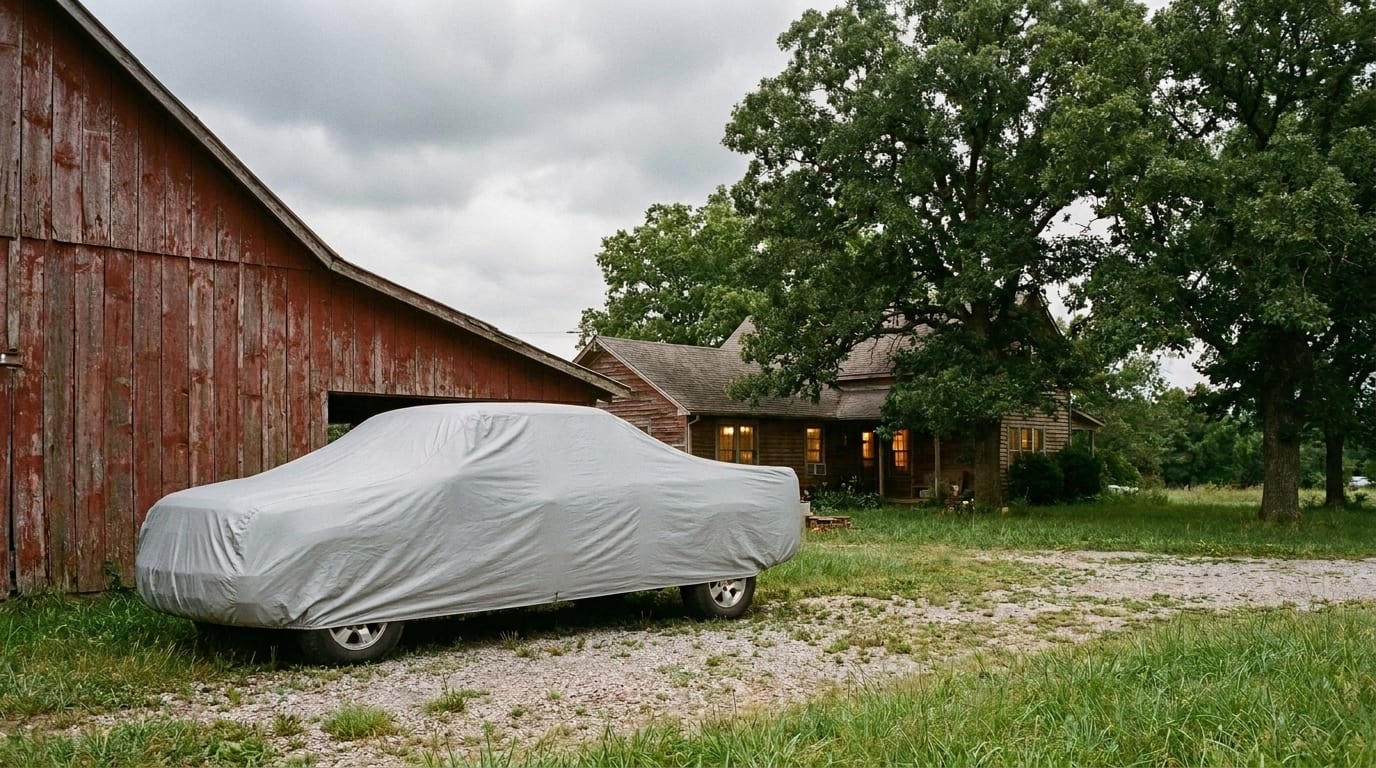
Think about what actually touches your Expedition in a typical week. A narrow garage bay means door dings every time someone climbs out of the car next to it. Dark paint colors show dust in a way lighter colors just don't. If a dog or cat has run of the garage, you're also looking at claw marks on a hood or roof that's within jumping height.
The Expedition's size works against it here. Tall roofline, long body, wide stance, more surface area sitting exposed in a space that was probably designed for a smaller vehicle decades ago. Every inch of that bodywork is a target when storage space is tight.
Indoor covers aren't just for daily-driven vehicles parked at home, either. A lot of owners use them for seasonal storage: a second vehicle that only comes out in summer, an Expedition kept at a vacation property, or a rig that sits most of the year while a smaller daily driver handles the commute. In all of these cases, the cover's job is less about weather and more about what's living or moving around it. If pets or wildlife share the storage space, it's worth reading through the animal scratch protection guide before you buy, since claws do more damage to unprotected paint than most people expect.
Getting the Fit Right for a Full-Size SUV Like the Expedition
Fit matters more indoors than most people assume. A cover that's too loose will shift every time a breeze from the garage door catches it, and that shifting is what causes scuffing, not the cover material itself. Too tight, and you're stressing seams, stretching mirror pockets, and risking tears at the roofline.
For an SUV the size of the Expedition, three dimensions decide whether a cover actually fits: overall length, roofline height, and where the mirror cutouts sit. Get any one of those wrong and you'll either have fabric pooling at the bumpers or a cover that can't seat properly over the mirrors at all.
Here's where it gets specific to this vehicle: the Expedition comes in a standard wheelbase and a longer MAX (formerly EL) version, and those two aren't interchangeable when it comes to cover length. Body dimensions have also shifted across model years as Ford has redesigned the platform. A cover sized for a 2015 Expedition isn't guaranteed to fit a 2022 model cleanly, even though both say "Expedition" on the back.
So skip the logic of "it's a Ford, any full-size SUV cover will do." That's the single most common fit mistake we see, and it's an easy one to avoid by just checking year and trim before you buy.
Material and Feature Checklist for Indoor Covers
Indoor covers are judged on a different scale than outdoor ones. You're not looking for waterproofing or UV blocking here, you're looking for softness and breathability. A few things worth checking before you commit to one:
- Soft, non-abrasive inner lining. This is the part that actually touches your paint, so it needs to be gentle enough not to create micro-scratches during install and removal.
- Breathable fabric. Trapped moisture under a cover causes more problems than dust ever would. A breathable indoor cover lets whatever humidity is in the garage air pass through instead of sitting against the clear coat.
- Snug, stretch-friendly fit. You want the cover seated close to the body without straps or grommets doing the work. Elastic hems and cinch points help it stay put on something as large as an Expedition, where fabric has a lot of surface area to shift around on.
The tradeoff to keep in mind: indoor covers prioritize softness and dust protection over weatherproofing, because they're not supposed to see rain or sun exposure in the first place. If there's any chance your Expedition spends time outdoors too, that's a different product category entirely. For the full breakdown of fabric types and when an indoor cover makes more sense than an outdoor one, the indoor car cover buying guide covers it in more depth than we have room for here.
Finding Your Exact Size: Size Guide and Coverfinder
This is the part people skip, and it's the part that causes the most returns.
Start with the size guide to understand how length, height, and trim level translate into size categories. It won't give you an exact answer for your specific Expedition, but it'll explain why those categories exist and why "full-size SUV" isn't specific enough on its own.
For the exact answer, use the coverfinder tool. Enter your year, make, model, and trim, and it surfaces the sizes actually built for that configuration, standard wheelbase or MAX, older body style or current one. It's faster than cross-referencing spec sheets yourself, and it removes the guesswork that leads to a cover that almost fits.
If you're still exploring options before narrowing things down, the Ford SUV cover page is a reasonable starting point to browse what's available before you commit to a specific year and trim.
Installing and Caring for Your Indoor Cover
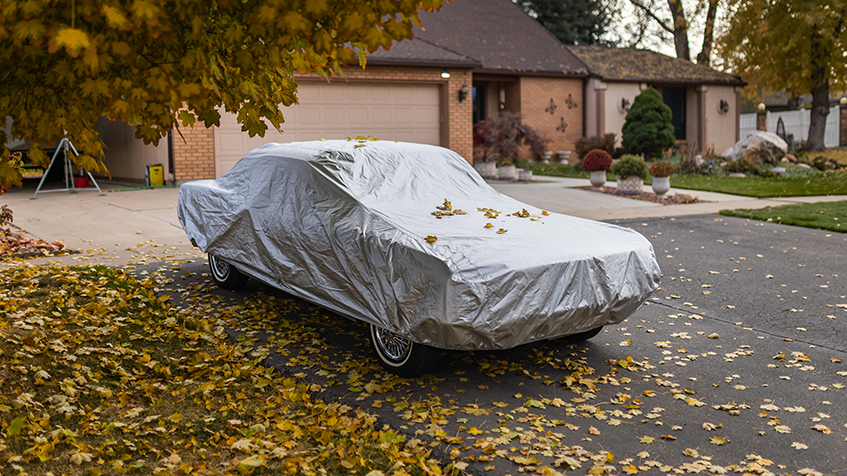
Installation is simple, but a few habits make a real difference in how well the cover protects your paint over time. Drape it from front to back, not from one side. Seat the mirror pockets if your cover has them, and resist the urge to just pull from one corner to "snug it up." Pulling unevenly puts tension where it shouldn't be and can distort the fabric near seams.
Care is just as straightforward. Shake out loose dust before you fold the cover, every time. Never fold a damp cover against your paint. Even indoors, trapped moisture between fabric and finish is how water spots and mildew smells happen. Wash according to the label instructions rather than tossing it in a machine dryer, which can shrink or warp the fit over time. For a complete wash routine, the step-by-step cleaning guide walks through it start to finish.
If you've picked up straps, support poles, or other accessories along with your cover, the installation guides hub has visual walkthroughs for getting those set up correctly the first time.
Protecting Your Investment Long-Term
A full-size SUV like the Expedition tends to stick around. These are vehicles people keep for a decade or more, often passing them down or selling them well into six figures of mileage. A correctly sized indoor cover protects the paint condition that keeps resale value intact, and it does that quietly, in the background, without you thinking about it much.
One thing worth checking before you buy: warranty coverage. Indoor covers still see daily handling wear, folding, unfolding, installing, removing, and that wear adds up even without weather involved. It's worth knowing what's covered if a seam gives out earlier than it should; warranty coverage on car covers is worth a quick read before you check out.
If you're ready to narrow things down, start with the size guide and coverfinder tool to confirm your exact fit, then browse the Ford SUV lineup to see what's built for your specific year and trim. And if you want more guides like this one as you figure out the right setup for your garage, it's worth keeping an eye on what else gets published here.