Why Fit Matters More Than Price for a Honda Passport Cover
The Honda Passport sits in an awkward spot, size-wise. It's shorter than a Pilot, taller than a sedan, and built on a two-row midsize SUV body that doesn't quite match the "generic SUV" dimensions a lot of cheap covers are built around. Grab a cover sized for the wrong vehicle class and you'll see it right away: gaps at the mirrors, a loose bunch at the bumpers, extra fabric sagging off the roofline.
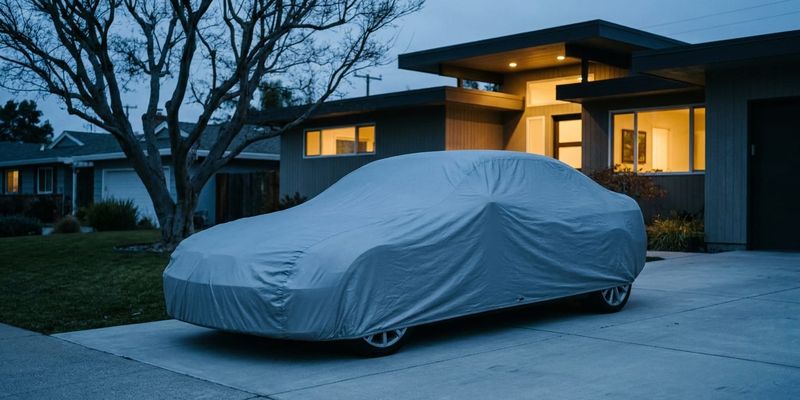
That slack isn't just cosmetic. A cover that doesn't sit snug will flap every time the wind picks up, and that flapping is what lets dust, pollen, and moisture sneak underneath. Over months, that's abrasion against your paint and a cover that wears out way faster than it should.
So here's the real point of this guide. An affordable car cover for your Honda Passport only stays affordable if it actually fits. We're not ranking products or comparing prices here. We're walking through what to check for fit and sizing before you hand over your money, so the cover you pick actually does its job.
Universal, Semi-Custom, and Custom-Fit Options Explained
Car covers generally fall into three categories, and knowing the difference saves you from buying the wrong one twice.
Universal covers are sized by general vehicle length and class. A "midsize SUV" universal cover is built to fit a range of vehicles roughly that size, not your Passport specifically. Semi-custom covers narrow that down, they're shaped for a body style (SUV vs. sedan vs. truck) and sized more tightly within that shape. Custom-fit covers are built to a specific make, model, and year, following the actual contours of your vehicle.
The tradeoff is predictable. Universal covers cost less upfront but fit looser, which means more flapping, more gapping around mirrors and bumpers, and more reinstallation hassle every time wind or rain moves things around. Custom-fit covers cost more but solve most of that, since they're cut to match your Passport's actual shape instead of an estimated range.
If you're comparing options, it helps to filter by vehicle type rather than browsing generic SUV listings. That's where a page built specifically for Honda SUVs can narrow things down fast, since you're looking at covers designed for that body style rather than guessing from a general catalog. And if you want to understand what custom-fit actually gets you before deciding it's worth the extra cost, the custom-fit car covers guide breaks down the category in more detail.
What to Check Before You Buy: Material, Coverage, and Closures
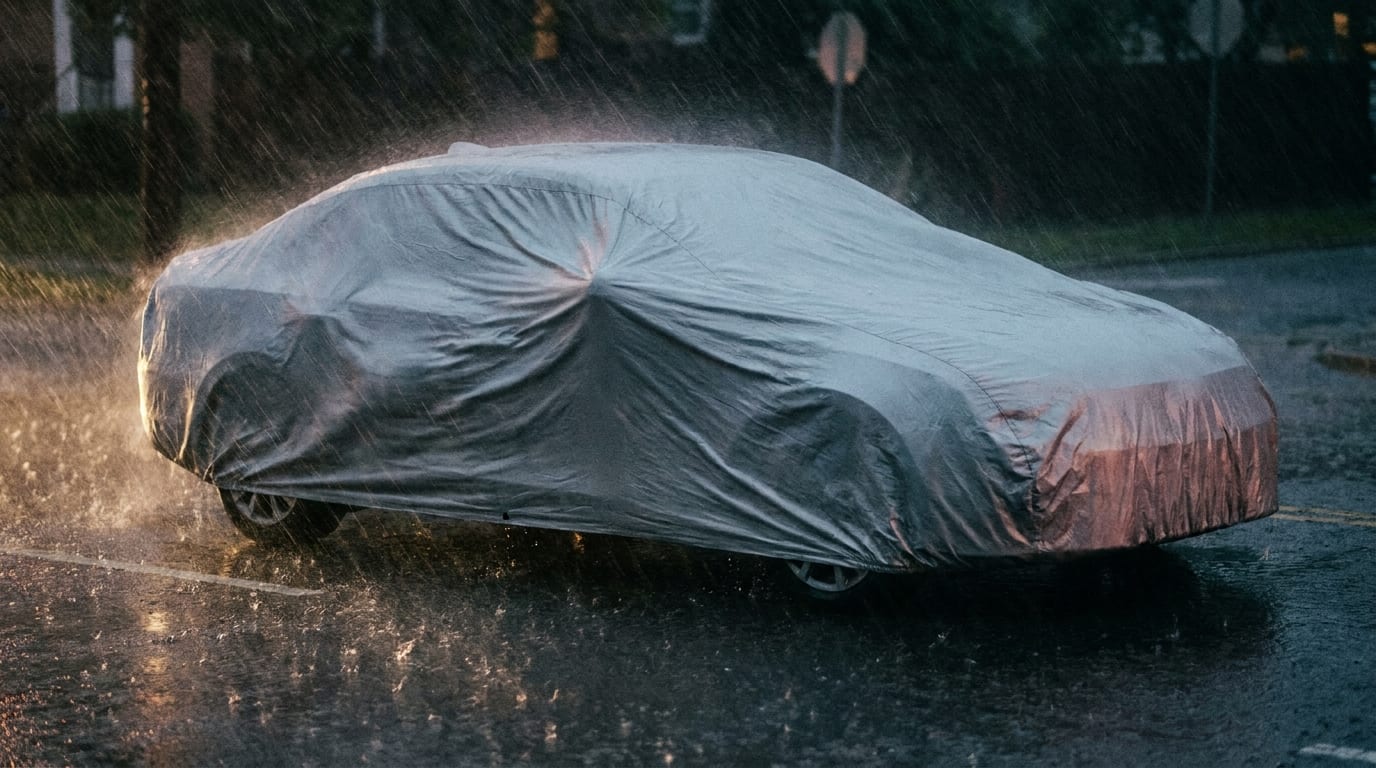
Once you've picked a category, the next step is checking what the cover is actually made of and how it's built to stay on.
Start with material basics. Breathability matters more than people expect, a cover that traps moisture against your paint can do more harm than no cover at all. UV resistance matters if your Passport spends any real time parked outside, since sun exposure fades paint and degrades the cover fabric itself. Water resistance matters if the vehicle sits uncovered during rain or snow for stretches at a time.
Then look at the closures. Elastic hems keep the cover snug at the base. Grommets for cable locks add security if you're parking on the street. Straps, underbody or otherwise, are what actually keep a cover from blowing off in a strong gust. None of this is optional if your Passport lives in a driveway or on the street.
Indoor vs. outdoor use changes what you actually need. A garage-kept Passport doesn't need heavy-duty weatherproofing, a lighter indoor car cover does the job fine and costs less. A Passport parked outside year-round needs real waterproofing and UV protection, full stop. Figure out which situation you're in before you start comparing prices, because that decision changes which features are worth paying for.
One more thing specific to SUVs: check for antenna, mirror, and side-marker cutouts or pockets. The Passport's body features don't match a sedan's or a pickup's, and a cover without the right cutouts will bunch up in weird spots or stretch against trim it shouldn't be touching.
How to Confirm the Right Size for Your Passport
Don't skip this step. It's the one that actually determines whether "affordable" turns into "wasted money."
Start with the basics: length, height, and width, either measured yourself or pulled from your trim's official specs. Then check that against whatever size range the cover lists. A lot of returns happen because someone bought based on "SUV" instead of actual dimensions.
Year and trim matter more than people assume, too. Roof rails, running boards, and spoilers all change the exterior profile enough to throw off a cover's fit, even on the same base model. A Passport with roof rails needs a cover built to accommodate them, or you'll get a cover that strains at exactly the wrong point every time you take it off.
Rather than eyeballing it, pull up the site's size guide and match your Passport's dimensions against the listed cover size charts directly. Even better, use the coverfinder tool to narrow results down by vehicle instead of scrolling through generic SUV covers and hoping for the best. It's built for exactly this problem.
Where Affordability Comes From: What You're Actually Paying For
Here's the thing people get wrong about cover pricing: it's rarely just brand markup. The real differences come down to material layering (a single-layer cover vs. a multi-layer one), what's included (straps, a cable lock, a storage bag), and how precisely the cover is cut to your specific vehicle.
A smarter way to shop is to decide what you actually need first, climate, parking situation, indoor or outdoor, and then compare prices within that feature set. Buying the cheapest listing you can find and hoping it fits backwards. You end up paying twice: once for the cover, and again when you replace it in six months because it never fit right to begin with.
This is where the "affordable" label gets misleading. A thin, loose universal cover that needs replacing after one bad winter isn't cheaper than a properly sized cover that lasts several seasons. Do the math on cost per year of actual use, not just the sticker price.
Caring for Your Cover So It Lasts
Even the best-fitting cover won't last if it's installed wrong. A cover put on crooked rubs against paint at pressure points, and a cover that's not properly secured works itself loose in the first strong wind. Both problems are avoidable, and both come down to taking the extra two minutes to do it right.
Cleaning matters too, though it's simpler than people think. Avoid harsh detergents, they break down the water-resistant coating faster than normal wear would. Let the cover air-dry fully before folding it up for storage, since packing it away damp is a fast track to mildew and a shortened lifespan.
If you've just bought a cover, it's worth running through the installation guide once before you do it from memory, and keeping the cleaning guide handy for when it's time to wash it. Small habits here are the difference between a cover that lasts one season and one that lasts five.
Find the Right Cover for Your Honda Passport
The decision path isn't complicated once you break it down: confirm your Passport's year and trim, measure it (or check the size guide) instead of guessing, decide between universal and custom-fit based on your budget and where the vehicle actually parks, then shortlist by the features your climate demands.
If you want to start browsing with that groundwork done, the Honda SUV cover page is built specifically for vehicles like the Passport, not generic SUV sizing.
Before you commit to anything, run your Passport through the coverfinder tool to match a cover to its exact year and trim. It takes the guesswork out of sizing, and it's the fastest way to land on something that's actually affordable, not just cheap.