Car Cover Size Chart for the Chevrolet Traverse: What to Know Before You Buy
Published
Search "car cover size chart for Chevrolet Traverse" and you'll land on pages promising one neat table with your answer. Here's the problem: that chart doesn't really exist, not in any form that's actually useful. The Traverse has been built in three distinct generations since 2009, each with its own length, roofline, and body shape. A size chart that doesn't account for that isn't giving you a size, it's giving you a guess.
Why There's No Single Chevrolet Traverse Size Chart
The search itself assumes something that isn't true: that "Chevrolet Traverse" maps to one set of measurements. It doesn't. The first-generation Traverse ran from 2009 to 2017. The second generation redesigned the body from 2018 through 2023. Then 2024 brought another full redesign. Three different vehicles, really, all wearing the same nameplate.
Stack trim levels on top of that and it gets messier. Roof rails, rear spoilers, running boards, even badge placement, these all change the exterior profile enough to throw off how a cover drapes and cinches. Two Traverses from the same model year, different trims, can need different fits.
So this article isn't going to hand you a table of invented inches. That would be worse than no answer at all. Instead, here's how sizing actually works for a vehicle like the Traverse, and where to go to get the number that's actually right for yours.
How Traverse Generations Differ in Size and Shape
Each Traverse generation changed more than just the sheet metal. Overall length, roof height, and the shape of the rear hatch all shifted as Chevy updated the platform. The first-gen model had a more rounded, minivan-adjacent profile. The second generation sharpened the lines and gave it a boxier rear. The current redesign pushed the proportions again. None of that is unusual for a model that's been around this long, but it does mean a cover cut for one generation won't sit right on another.
Roof-mounted hardware complicates things further. Cross rails are standard on most trims, and depending on the year, you might also be dealing with a shark-fin antenna, a sunroof bulge, or a rear spoiler that sits just above the back glass. Every one of those is a small obstacle a cover has to route around. A cover that doesn't account for them will bunch at the roof rails or stretch awkwardly over the spoiler.
Trim level adds another variable. LS, LT, Premier, and RS trims don't all carry the same exterior add-ons. Running boards show up on some trims and not others. Spoiler styles can differ. None of this is dramatic on its own, but combined, it's enough that a generic chart for "midsize SUV" or even "Chevrolet Traverse" without a year and trim attached is closer to a rough estimate than a fit guide.
This is really the core point: accurate sizing has to be matched to your specific year and trim, not pulled from a chart built around averages.
The Right Way to Find Your Traverse's Cover Size

Instead of hunting for a car cover size chart for Chevrolet Traverse, start with CarCovers' size guide, which walks through how vehicle covers get categorized and matched to a specific car in the first place. It's a quick read, and it explains the logic before you commit to a purchase.
From there, the actual tool to use is the coverfinder. You punch in year, make, model, and trim, and it returns a cover matched to that specific combination, not a generic SUV estimate. This is the part that solves the generation and trim problem from the last section: the tool already knows that a 2016 LT and a 2022 Premier aren't the same shape, so it routes you to the right fit without you having to figure that out yourself.
If you're buying a cover for a Traverse, this lookup step isn't optional homework, it's the actual sizing method. Skipping it and eyeballing a chart is how people end up with a cover that's too loose around the mirrors or too tight over the spoiler.
What to Look for Beyond Size
Getting the size right is half the job. Material matters just as much, especially once you know where the Traverse will actually sit.
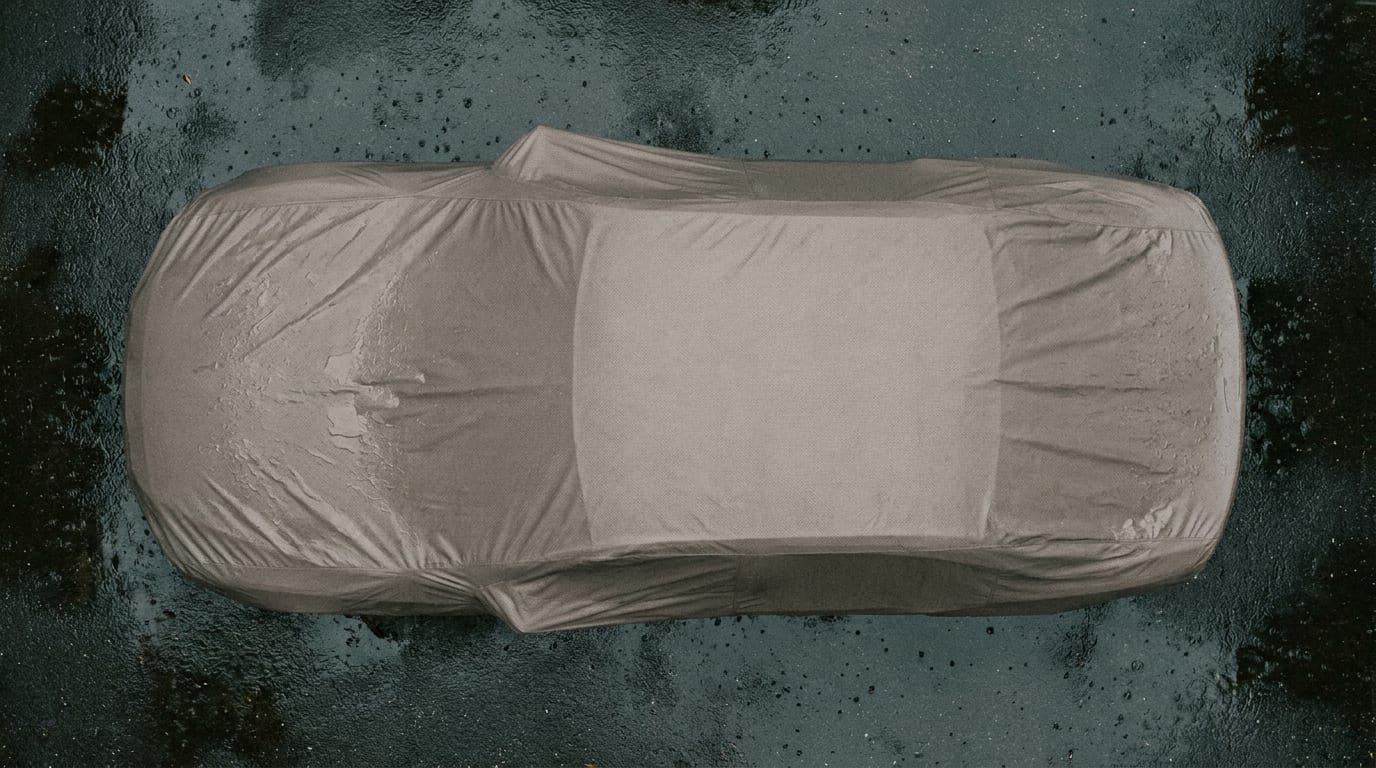
If it's parked outside, exposed to sun, rain, and wind, you want a cover built for that specifically. Outdoor car covers are made to handle UV exposure and moisture without breaking down after a season. Garage-kept vehicles have different needs: an indoor car cover is lighter, mainly there to stop dust and the odd scratch from a stray bike handlebar, not to fight off a storm.
Waterproofing is worth a separate look too. Not every outdoor cover handles rain the same way, and if you're in a wetter climate, a waterproof car cover is the safer call rather than assuming "outdoor" automatically means "waterproof."
For a vehicle the size of the Traverse, a few features make a real difference in daily use: mirror pockets so the cover doesn't flap loose at the sides, an antenna patch if your model has a roof-mounted antenna, elastic hems for a snugger fit at the bottom edge, and tie-downs to keep things secure in wind. None of these fix a sizing problem, but they do make a correctly sized cover actually stay put.
If you're in a region that sees regular hail, that's its own consideration. A standard cover isn't built to absorb hail impact, and a dedicated hail car cover is worth the upgrade if that's a real risk where you park.
Common Fit Mistakes Traverse Owners Make
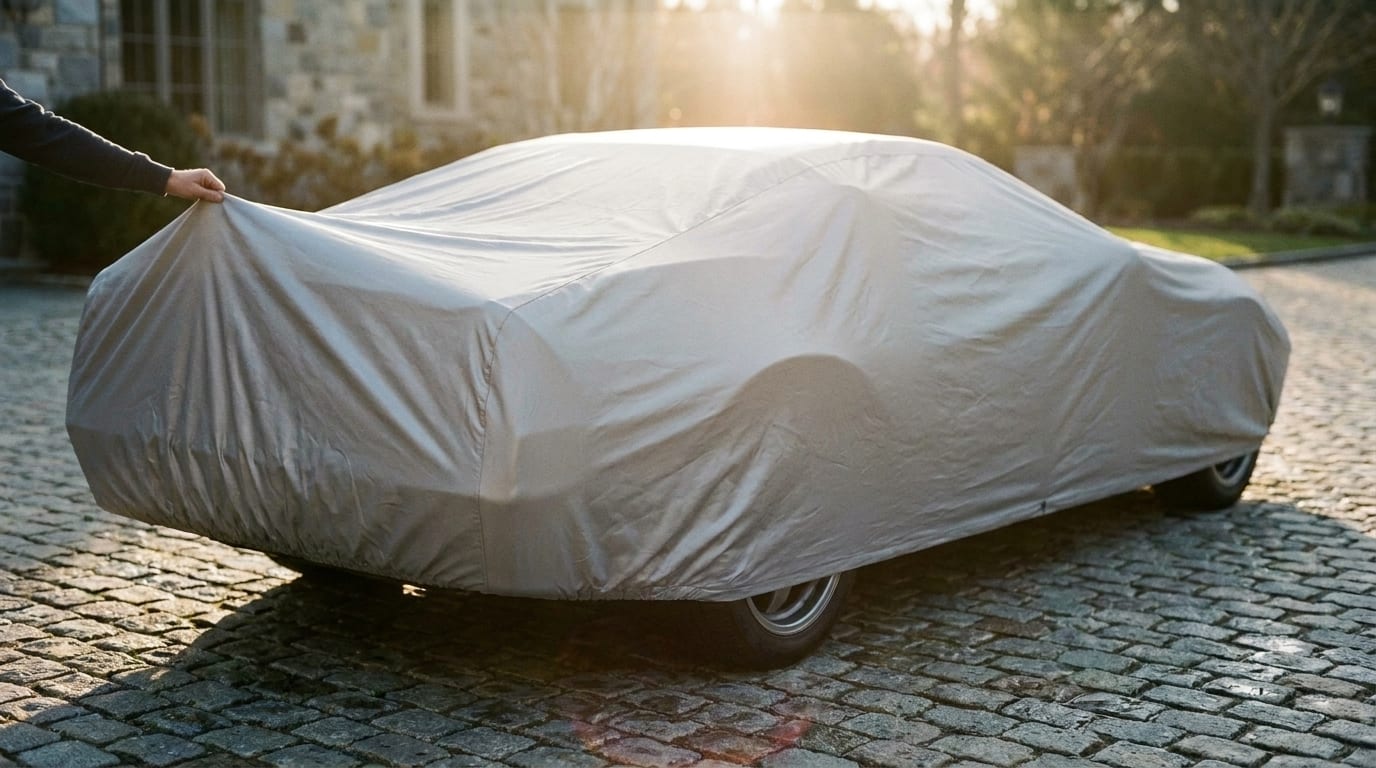
The biggest one is sizing off a generic midsize SUV chart instead of looking up the actual year and trim. It feels like a shortcut, but it's the single fastest way to end up with a cover that doesn't sit right.
Second: ignoring roof racks, spoilers, and the third-row window shape. These are exactly the spots where an ill-matched cover shows its seams, literally. Excess fabric pools at the back, or the material pulls tight and stresses at a roofline that wasn't accounted for.
Third: assuming a cover that fit an older Traverse will fit a newer one. Once Chevy redesigns the body, as it did in 2018 and again in 2024, the old cover's dimensions don't carry over. It's a new shape, full stop.
Fourth: leaning on reviews from Traverse owners who have a different year. "This cover fit perfectly" doesn't mean much if that reviewer owns a 2015 and you're shopping for a 2023. Helpful for general impressions of material quality, not for fit.
Explore Chevrolet Cover Options
Once you've got a sense of what you need, it's worth browsing the full range. CarCovers' Chevrolet SUV lineup covers the Traverse alongside other Chevy SUVs, so you can see what's available before locking in a choice.
Worth repeating here: what actually determines fit is entering the correct year and trim during lookup, not matching against a static chart. Browsing by brand is a good next step once you have a general sense of what you're after, but the fit itself gets confirmed through the tool, not the catalog page.
FAQ: Chevrolet Traverse Cover Sizing
Does the Traverse's size change year to year? Yes. Across the three generations the body dimensions shifted, and even within a generation, certain trims add or remove exterior features. Confirm fit per vehicle rather than assuming your year matches another.
Can I use a universal cover on a Traverse? You can, but it's a compromise. Universal covers aren't cut around specific features like roof rails or a rear spoiler, so they tend to fit loosely in those spots. A matched option is the better starting point if a snug fit matters to you.
What's the fastest way to check my size? Run your vehicle through the coverfinder with year, make, model, and trim. It's faster than cross-referencing a chart and more accurate.
Does trim level matter for sizing? Yes. Roof rails, spoilers, and running boards vary by trim, and each one changes how a cover sits on the vehicle.
Next Steps: Get Your Exact Traverse Cover Size
The short version: skip the generic chart. A car cover size chart for Chevrolet Traverse that doesn't ask for your year and trim isn't giving you a real answer, it's giving you an average. Run your Traverse through the coverfinder, read through the size guide if you want the full logic behind it, and you'll land on a fit that actually matches your vehicle instead of one that's close enough.
Once you've got your size confirmed, it's worth browsing the Chevrolet SUV lineup to compare materials and features side by side. And if you're still weighing whether a sizing-sensitive purchase like this is worth the risk, know that it's backed by a lifetime warranty, so getting it exactly right isn't the only thing standing between you and a cover that lasts.
If you found this useful, stick around the CarCovers articles section. There's more on fit, materials, and keeping a vehicle protected through whatever season you're dealing with next.