Do Car Covers Need a UV Rating? The Short Answer
Yes, car covers need UV protection, because unprotected fabric and exposed paint both break down fast under sustained sun exposure. The term "UV rating" trips people up, though. It's not a standardized number like SPF on sunscreen. For car covers, it usually just means the fabric has been treated or woven to resist ultraviolet breakdown, and the strength of that treatment varies a lot from one brand to another.
So do car covers need a UV rating in every single case? Not equally. A car that sits in direct sun five days a week needs serious UV resistance. A car tucked into a garage overnight, barely at all. The parking situation does most of the work in answering this question for you.
What Does a UV Rating Mean for a Car Cover?
When a manufacturer says a cover is "UV-treated" or "UV-stabilized," they're describing a fabric finish, not a certification from some outside testing body. Some brands throw a UPF-style number on the label, borrowed from the same concept used in sun-protective clothing. Others just use vague marketing language and leave it at that.
Here's what's actually happening underneath those labels: UV-resistant coatings slow down the chemical breakdown that sunlight causes in synthetic fibers. Without that treatment, UV rays break the polymer bonds in the fabric itself, which is why an untreated cover left outside for a season or two starts looking chalky, thin, and brittle. A treated fabric resists that for much longer.
The catch is there's no single industry-wide standard here, nothing equivalent to the UPF ratings you see on sun shirts or the UV ratings stamped on sunglasses. One brand's "UV-resistant" might mean a light topical spray. Another's might mean UV-stabilizing additives built into the fiber during manufacturing. That's why checking the actual product specs matters more than trusting the phrase on its own. If you want a deeper look at how outdoor fabrics are built to handle sun, rain, and wind together, this guide to using a car cover outdoors breaks it down in more detail.
Why UV Protection Matters for Your Vehicle
Sun damage to a parked car isn't limited to a faded hood. Clear-coat oxidation is the big one: UV exposure breaks down that protective top layer on your paint, leaving it dull and chalky over time. Rubber trim and window seals get brittle and crack. Interior surfaces, if any part of the car is exposed, bake and fade from direct sun hitting through glass. A cover with real UV resistance blocks that exposure before it starts.
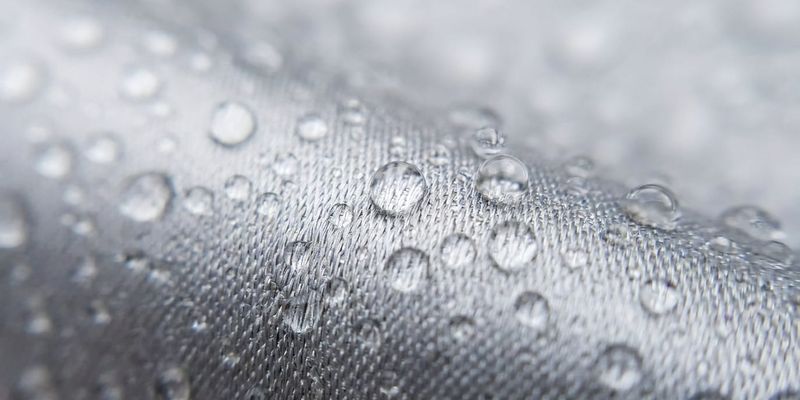
The fabric itself takes the same beating your paint would otherwise. Without UV treatment, a cover thins out, loses its color, and its waterproofing breaks down right along with it, since the coatings that repel water and the ones that resist UV often live in the same fabric layer. So a cover that's lost its UV resistance is often failing at water resistance too.
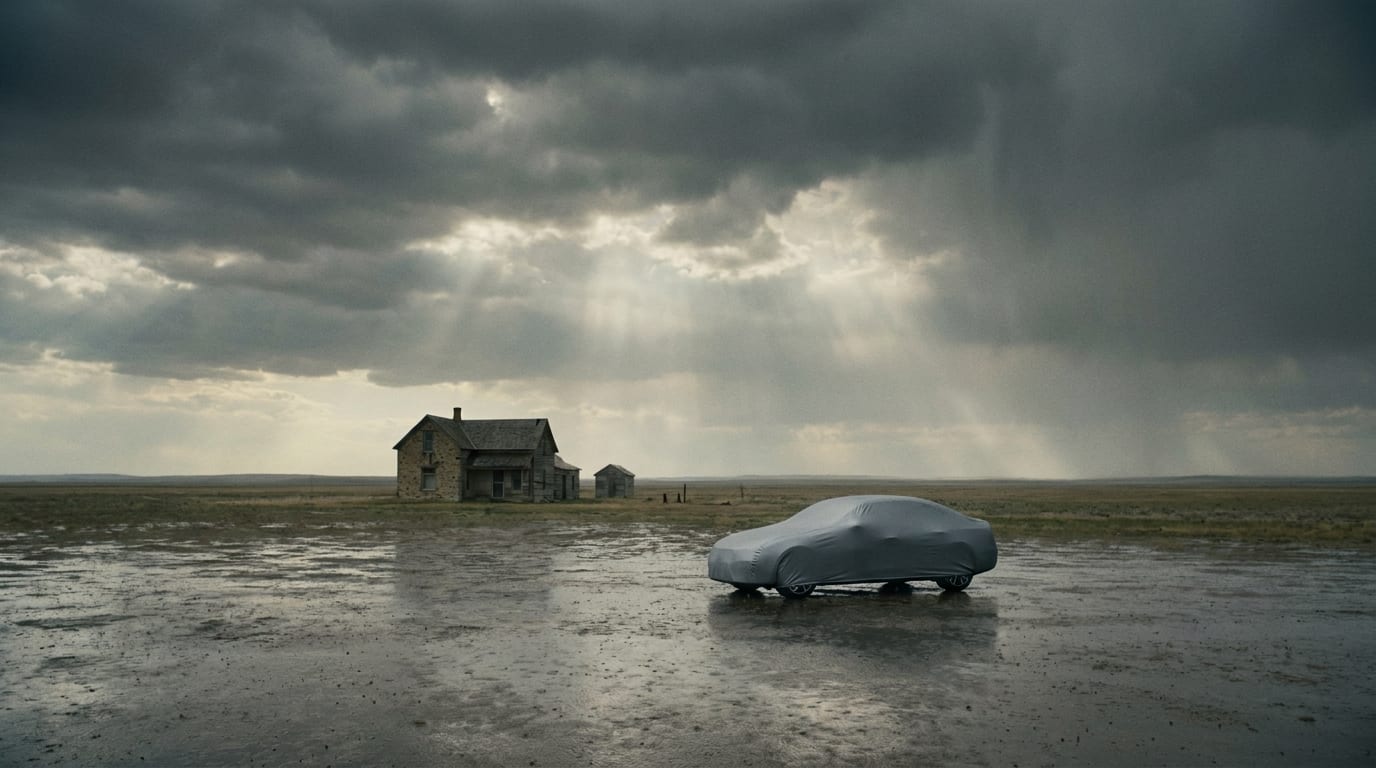
None of this happens in isolation, either. Sun exposure, rain, pollen, bird droppings, they all hit a parked car at once, not one at a time. That's why most legitimate outdoor-rated covers bundle UV resistance with waterproofing rather than selling them as separate features. If you're comparing options, the waterproof car covers guide and the deeper dive into waterproof fabrics both cover how that layering actually works.
When UV Rating Matters Most (and When It Doesn't)
Not every car owner needs the same level of UV protection. A few scenarios where it matters a lot:
- Daily outdoor parking, driveway, street, or employer lot, with no shade
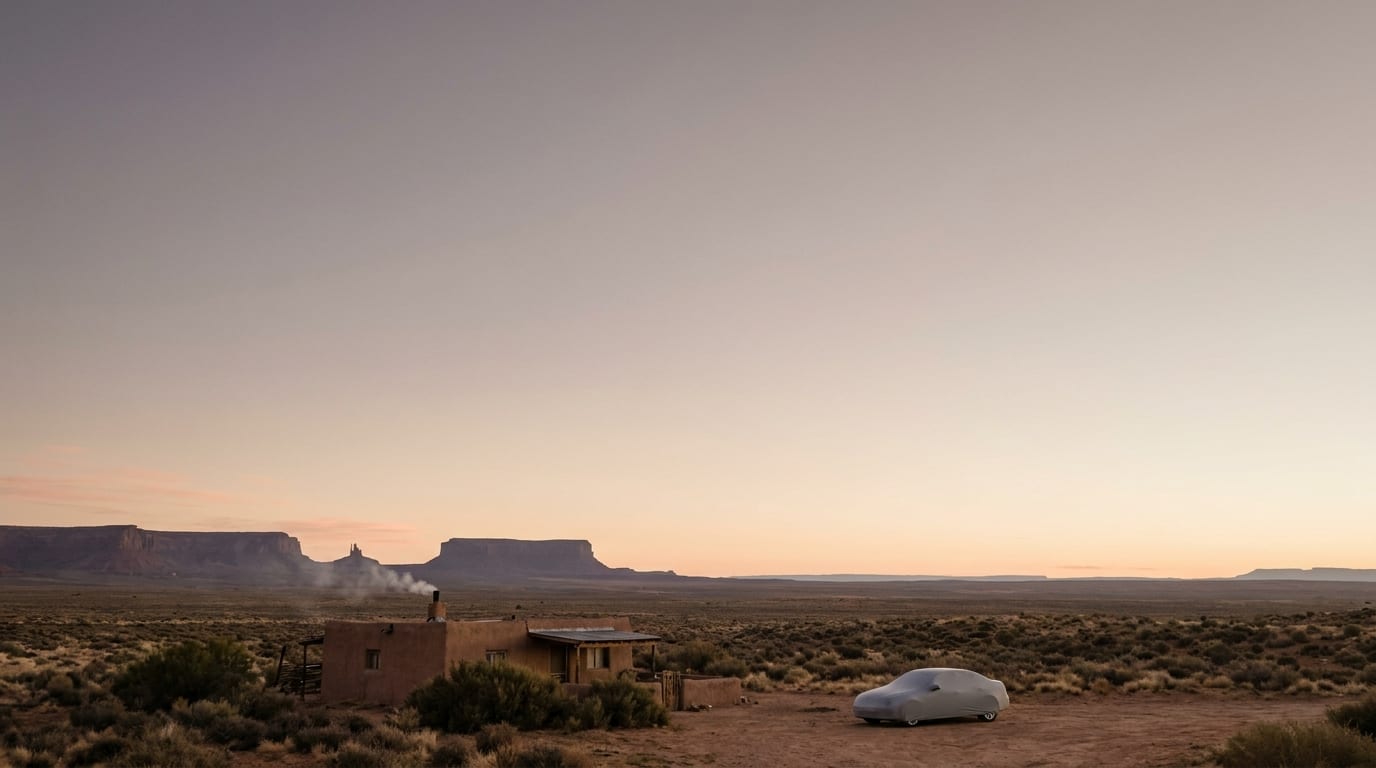
- Sunbelt states or high-altitude regions, where UV intensity is simply higher
- Long-term storage in direct sun, like a second car left outside for months
- Convertibles and soft-tops, where the top material is even more sun-sensitive than painted metal
And scenarios where it matters a lot less:
- Garage-kept vehicles that only need occasional dust protection
- Short-term indoor storage, where the cover's job is keeping dust and scratches off, not fighting sunlight
The real answer to "do car covers need a UV rating" depends on where your car actually lives, not on some universal rule. Don't pay for maximum UV resistance if your car never sees direct sun. And don't skimp on it if your car's been living under a carport that only blocks rain, not light, because carports leak UV exposure more than people expect.
How to Check a Car Cover's UV Protection Level

Before buying, run through a short checklist:
- Read the product description closely for phrases like "UV-resistant," "UV-treated," or "UV-stabilized fabric." Vague claims without that language are worth questioning.
- Look at the material composition. Multi-layer woven fabrics often build UV-blocking into one of the layers specifically, rather than relying on a surface spray that wears off.
- Check the warranty. A brand confident in its UV protection usually backs that up with language covering fade or sun damage. CarCovers' lifetime warranty page is a good example of what that kind of backing looks like.
One thing worth flagging: "waterproof" and "UV-rated" are not the same claim, even though they often show up together. A cover can repel rain just fine and still have zero UV treatment, fading and weakening under sun with no rain in sight. Confirm both properties separately rather than assuming one implies the other. When in doubt, check the manufacturer's fabric guide or care instructions. That's usually where the real specifics live, not in the headline bullet points.
Indoor vs. Outdoor Covers: Different UV Needs
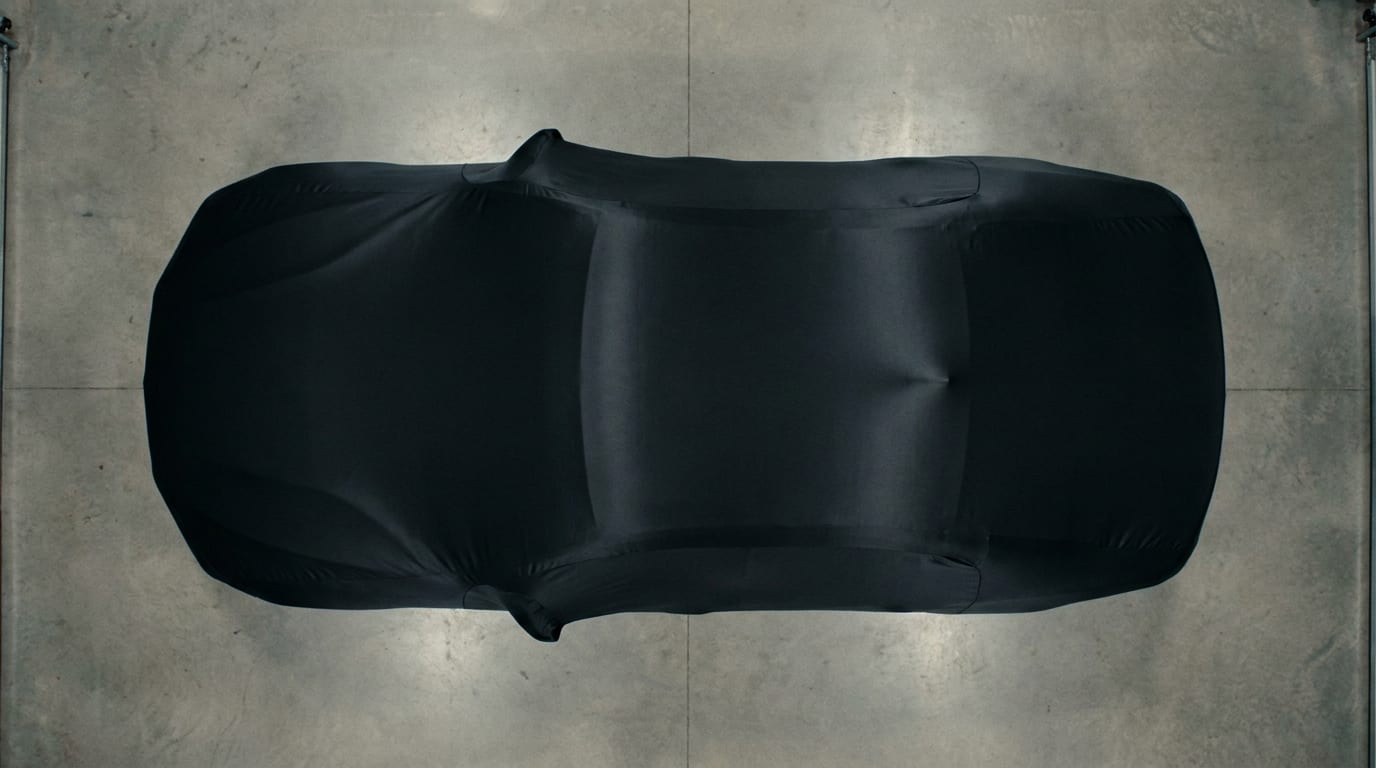
This is where a lot of buyers get tripped up. Indoor car covers are built soft and breathable, designed to stop dust and light scratches, not sunlight. They're not made with heavy UV treatment, because they're not supposed to see the sun in the first place.
Outdoor car covers are a different animal entirely: heavier fabrics, treated specifically to handle sun, rain, and wind at once. That added durability is the whole point of the category.
The common mistake is buying an indoor-style cover because it's cheaper or lighter, then using it outside anyway. It'll look fine for a few weeks. Then the fading starts, the fabric thins, and you're replacing it a lot sooner than you expected. Match the cover to where the car actually sits, not to what's cheapest on the page. If you park outside more than half the time, get something rated for it.
Choosing a Car Cover With the Right UV Protection
So, one more time for the record: yes, UV protection is a core feature to check before you buy, not an afterthought. It's right up there with fit and waterproofing on the list of things that determine whether a cover actually earns its price over a few years of use.
Match three things to your situation: cover type (indoor versus outdoor), fit (a custom-fit car cover seals out more UV exposure at the edges than a loose universal one), and the fabric's actual UV and waterproof treatment. Get those three right for your climate and your parking habits, and the cover does its job quietly for years instead of failing in one hot summer.
Still narrowing down what your car actually needs? Have a look through our car care resources and outdoor car cover options, or stick around and subscribe for more straightforward guides like this one.