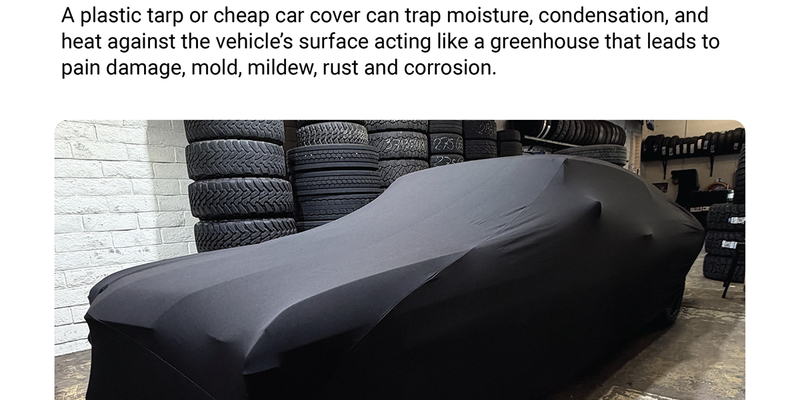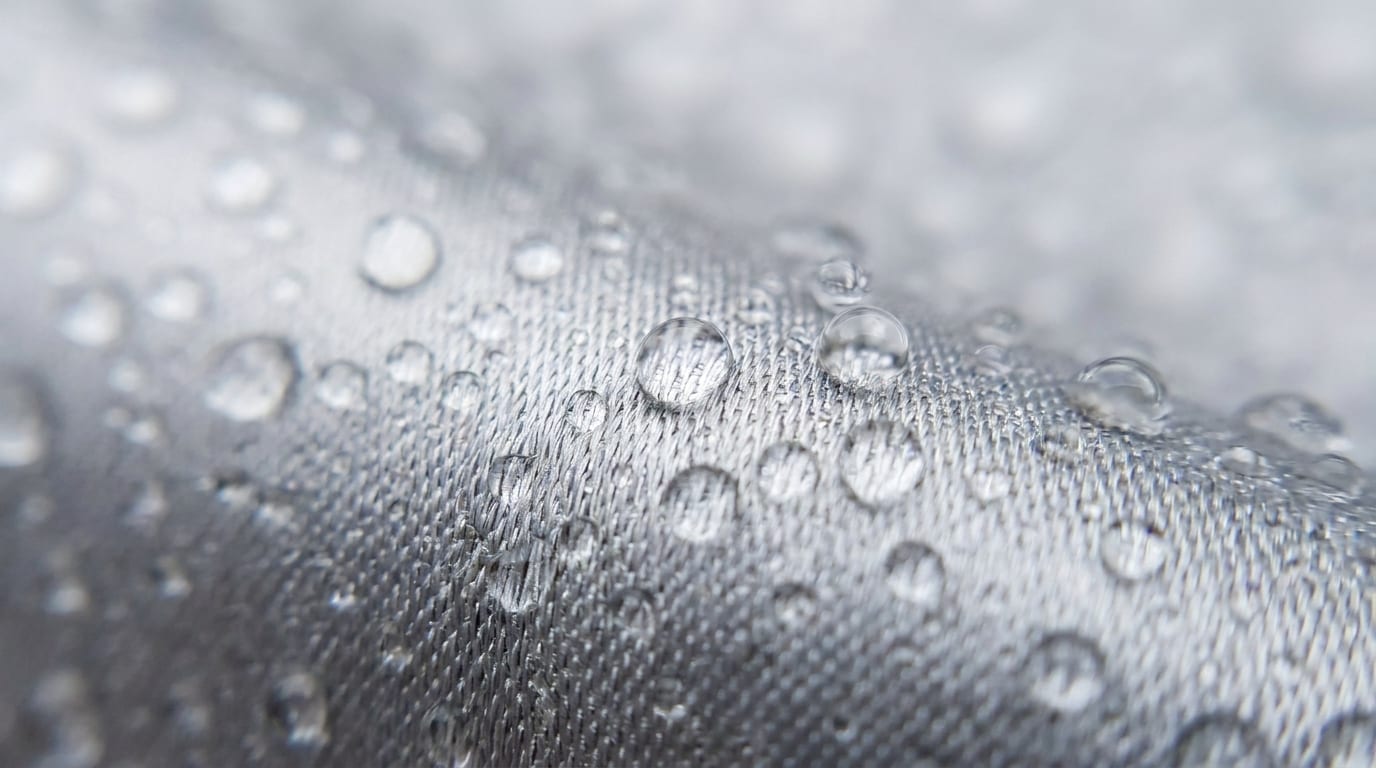
A breathable membrane in a car cover is a microporous layer built into the fabric that lets water vapor and trapped heat escape while still keeping rain and dust out. It's the single piece of engineering that decides whether a cover protects your paint or slowly ruins it. If you've ever wondered what is a breathable membrane in a car cover actually doing day to day, the short answer is: it's working a vapor exchange system every single hour your car sits underneath it.
It's not a separate patch or add-on panel sewn in somewhere. In most quality covers, it's a laminated layer or a coating baked right into a multi-layer fabric, invisible once the cover is assembled. You won't see it. You'll just notice, eventually, whether your car is dry underneath or not.
Here's why this one material property matters so much: a cover that blocks rain but can't vent moisture turns into a greenhouse. Heat and vapor build up with nowhere to go, and that moisture ends up sitting directly on your clear coat. A breathable membrane is the fix for that specific problem. The rest of this article covers how it physically works, why it protects your finish, and how to actually spot one when you're shopping for a cover.
How a Breathable Membrane Actually Works

The technical term is moisture vapor transmission, or MVT. The membrane is full of pores, and those pores are sized on purpose: small enough to stop a liquid water droplet in its tracks, large enough to let individual vapor molecules slip through.
Think about what's happening under your cover on a given night. Engine heat is still radiating off the car. Morning dew is forming. Maybe there's residual dampness from rain earlier in the day. All of that creates a humid pocket between your paint and the fabric. Vapor naturally wants to move from that high-humidity zone to the drier air outside. A breathable membrane just gets out of its way and lets it happen.
Compare that to a plain plastic tarp. No pores, no exchange, nothing. Vapor hits the underside of the plastic and has nowhere to go, so it condenses right back onto the surface it came from. Your paint. That's the whole problem in a nutshell, and it's also exactly what waterproof fabrics built for cars are designed to avoid.
If this sounds familiar, it should. It's the same basic concept used in breathable rain jackets and backpacking tents, just engineered to automotive-grade toughness so it can survive UV exposure, temperature swings, and months of sitting outside instead of a weekend hike.
Why Breathability Matters for Your Car's Finish
The risk a breathable membrane solves is pretty simple to picture: condensation sitting on your paint, chrome, and glass for days or weeks at a stretch, with nowhere to evaporate to.
Left unchecked, that trapped moisture leads to mold and mildew growth on the fabric and the surface underneath it, water spotting that etches into clear coat, and a musty smell that creeps into the cabin if any moisture finds its way past the seams. None of that happens overnight. It builds slowly, which is exactly why people miss it until the damage is already done.
This matters most when a car is sitting outside for extended stretches, not just covered for a quick overnight. If you're using an outdoor car cover for long-term storage, breathability isn't optional, it's the whole point. It's also a big part of why buying a car cover built for this purpose beats grabbing a generic tarp or a sheet of plastic sheeting from the hardware store. Those materials were never designed with a vehicle's finish in mind.
Breathable vs. Waterproof: Why a Cover Needs Both
People assume "waterproof" and "breathable" cancel each other out. They don't. A well-made cover is built to do both jobs at once, and that's not a contradiction, it's just layered engineering.
Most covers that do this right use an outer layer that's water-resistant, so rain beads up and rolls off instead of soaking in, paired with an inner layer that's breathable, so vapor from underneath still has an exit. Rain stays out. Moisture still gets out. Both things happening at the same time is the actual goal.
Here's the part that trips people up: a cover that's waterproof with zero breathability can trap more moisture than it keeps out. All that vapor from engine heat and ambient humidity gets sealed in with nowhere to go, and you end up worse off than if you'd left the car uncovered. If you want the deeper breakdown on water-resistance ratings and what they actually mean, the waterproof car covers guide covers that in more detail.
What Materials Create a Breathable Membrane
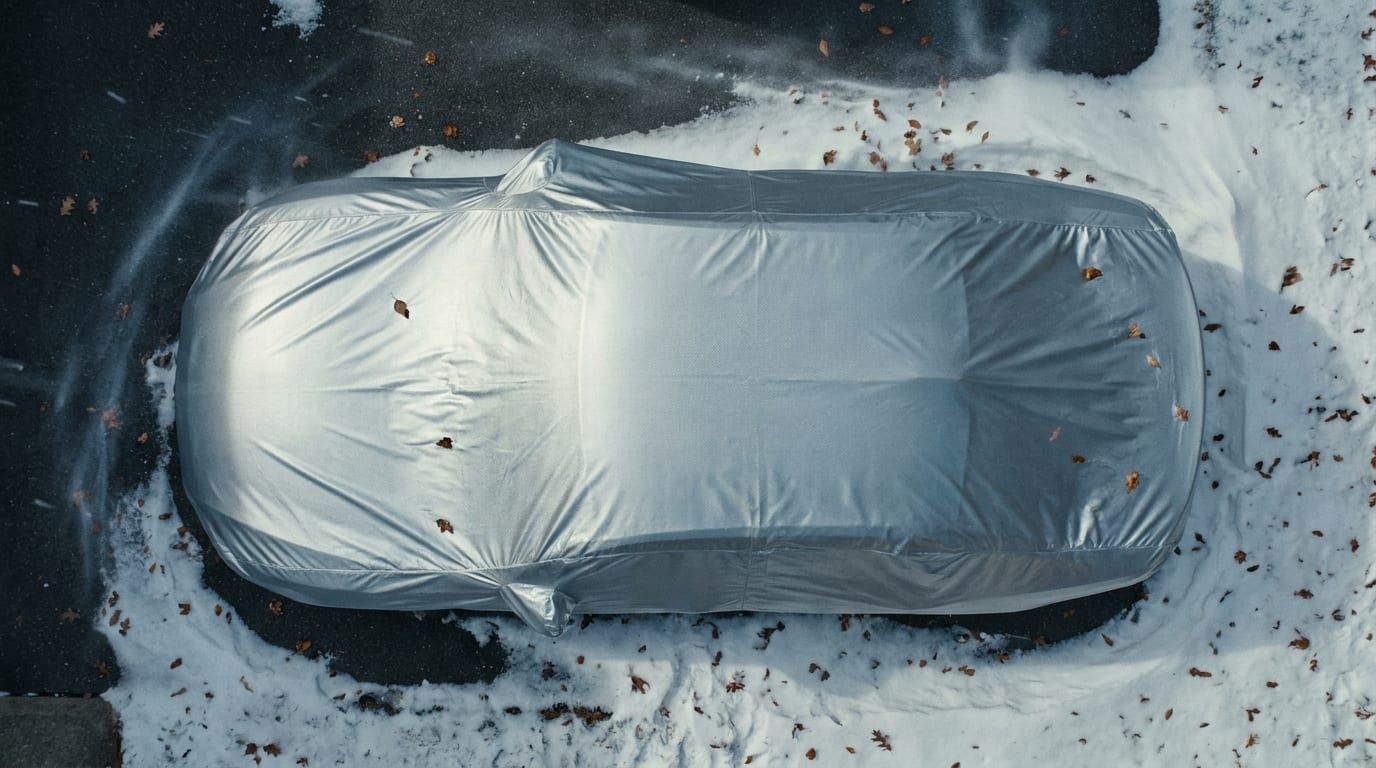
A few fabric constructions show up again and again in covers that actually breathe: multi-layer non-woven polypropylene, microporous film laminates, and treated polyester blends. Each does the same basic job, letting vapor out while keeping water and dust from getting in, just with slightly different durability and feel.
Layer count matters here. More layers generally mean better vapor transmission, plus added resistance to UV fading and abrasion from wind and debris. It's not just about keeping water out, it's about how long the fabric itself survives sun and road grit.
Indoor-only materials are a different story. Soft satin or fleece covers, the kind you'd use in a garage, are built to prevent scratches and dust buildup, not to manage weather-driven condensation. They don't need a true membrane because they're not fighting the same moisture problem. If that's your situation, an indoor car cover built for that purpose is the better fit than paying for breathability you won't use.
Cheap vinyl or straight plastic covers, on the other hand, usually skip the membrane entirely. That's exactly why they're a bad long-term bet. They might keep rain off for an afternoon, but they'll trap moisture against your paint the moment you leave them on overnight.
How to Tell If a Car Cover Is Actually Breathable
Check the spec sheet and the product description first. Breathable covers usually get described with specific language: "moisture-wicking," "vapor-permeable," or an actual breakdown of the multi-layer fabric construction. If none of that shows up anywhere, that's a signal, not an oversight.
There's also a low-tech test. Pull the cover off after a cool, damp morning. If the underside is soaked or you feel trapped humidity against the paint, the fabric isn't breathing the way it should.
Worth checking, too: is the cover marketed for long-term outdoor storage, or short-term indoor use? That distinction usually tells you whether breathability was actually part of the design brief or an afterthought. For anyone parking a car outside through full seasons, the guide to using a car cover outdoors walks through what to look for beyond just breathability, including wind and UV exposure.
Don't assume every cover performs the same regardless of where you park. Match the cover type to your actual storage conditions, exposed outdoors versus a dry garage, instead of grabbing whatever's cheapest and hoping it works out. The vehicle covers buying guide is a solid starting point if you're still narrowing down which category fits your situation.
Caring for a Breathable Cover So It Keeps Working

A breathable membrane isn't a one-time feature you buy and forget. Dirt, tree sap, and general road grime build up on the fabric over time, and that buildup can clog the micropores. Once they're clogged, vapor stops moving through as well, even if the material itself is still intact.
Clean it regularly with a gentle detergent, nothing harsh, and let it air-dry completely before you fold it back up or store it. Skipping the full dry and folding it damp is a quick way to trap moisture inside the storage bag itself, which defeats the purpose.
Skip the washing machine and skip harsh chemical cleaners. Both can break down the membrane's coating faster than normal wear would, and once that coating degrades, you can't really restore it. For the exact wash steps that won't damage the fabric, the step-by-step car cover cleaning guide lays it out clearly, and the cover care guide is worth a look too if you want more general maintenance habits.
Choosing a Cover With the Right Breathable Protection
The takeaway is straightforward: a breathable membrane is what lets a cover block rain without sealing moisture in against your paint, and that's the difference between a cover that protects your finish and one that quietly damages it over a season or two.
Factor breathability into your decision the same way you'd weigh fit and water resistance. It's not a bonus feature, it's part of the core job a cover is supposed to do.
If you're shopping for something built with layered, breathable fabric for outdoor or long-term storage, it's worth browsing custom-fit options designed around your exact vehicle rather than a generic universal shape. And if you're still comparing cover types before committing, our broader car care resources are a good place to keep reading while you decide.