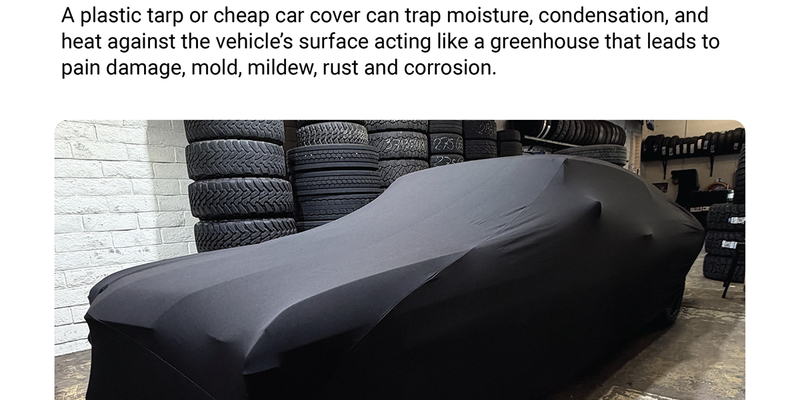
Why Do Car Covers Have Mirror Pockets?
Mirror pockets are the sewn-in pouches you'll find on either side of most car covers, shaped to slip right over your side mirrors instead of leaving the cover to drape loosely over them. That's the short answer to why do car covers have mirror pockets: they hold the fabric snug against the body at one of the widest points on the vehicle, so wind can't sneak underneath and start flapping the cover around.
It sounds like a minor detail. It's not. A cover that billows at the mirrors is a cover that's working its way loose, inch by inch, every time the wind picks up. Mirror pockets are a functional fix for a real problem, not a styling choice. The rest of this article gets into how they affect fit, protection, and installation, plus what to do if yours doesn't sit right.
The Functional Reasons Mirror Pockets Exist

Start with wind. Side mirrors stick out further than almost any other part of the car, which makes that area a pressure point the moment air starts moving. Without something anchoring the cover there, wind gets under the fabric at the mirror and starts lifting it. Give it enough time on a highway shoulder or an open lot, and that small lift turns into the whole cover working loose. Mirror pockets stop that before it starts by pinning the fabric right at the point where it would otherwise catch air.
There's a scratch-prevention angle too. A cover that isn't anchored at the mirrors doesn't just flap, it rubs. Fabric sliding back and forth across a bare mirror housing in gusty conditions can scuff the housing or even dull the paint underneath over weeks and months. A properly seated mirror pocket keeps that fabric still instead of sawing against the same spot over and over.
Fit matters here too. Mirror pockets let the cover follow the actual contour of the car at the A-pillar and mirror area, rather than ballooning out or pooling fabric where the mirror juts out. That has a knock-on effect on water runoff: a cover that's pulled tight in the right places sheds rain more evenly, instead of forming a low spot where water collects and eventually seeps through the fabric.
And because the mirrors are a natural stopping point, a properly seated pocket keeps the whole cover from creeping forward or backward over time. Anyone who's come out to find their cover bunched up near the rear bumper after a windy night has probably dealt with a mirror pocket that wasn't doing its job.
Mirror Pockets and Cover Fit: What's the Connection?
Not all mirror pockets are built the same, and that comes down to what kind of cover you're buying. Custom-fit covers place the mirror pocket at the exact spot your specific make and model has its mirrors, because the whole cover is patterned to that vehicle. Universal or semi-custom covers have to guess. Their pockets are sized generously enough to stretch across several body styles, which works, technically, but it's a compromise.
That compromise shows up as loose fabric bunching around the mirror, or a pocket that sits an inch or two off from where your mirror actually is. Neither is dangerous. Both look sloppy and leave more fabric exposed to wind than a precisely placed pocket would.
Honestly, mirror pocket fit is one of the easiest ways to spot how well a cover was actually sized for your car. If the pocket lines up clean, the rest of the pattern probably does too. If you're not sure whether your current cover is sized correctly in the first place, it's worth checking against how to find the right car cover size for your vehicle before you assume a loose mirror pocket is just bad luck.
Do All Car Covers Have Mirror Pockets?
No, and that's fine, depending on how you use the cover. Budget and lightweight indoor covers often skip mirror pockets entirely, because a cover sitting in a garage isn't fighting wind. There's nothing to anchor against if the car never moves and the air never shifts it.
Trucks, vans, and SUVs with oversized mirrors, the kind with towing extensions or folding housings, sometimes need something beyond a standard pocket. Reinforced or extra-large mirror pockets exist for exactly this reason, and some covers use a mirror flap instead of a full pocket when the mirror shape is too irregular to pouch over cleanly. Worth checking before you buy if your vehicle has aftermarket towing mirrors.
Some owners sidestep the whole issue by folding their mirrors in before covering the vehicle, which can work fine on vehicles where the mirrors fold flat against the body. In that case, the pocket is covering a folded housing rather than mirrors sticking straight out, and it holds tighter as a result.
Worth a quick side note if you're cross-shopping vehicle types: motorcycle covers handle this differently. Instead of a pocket sized for a side mirror, you'll often see cutouts or smaller pockets built for handlebar-mounted mirrors, since the geometry is nothing like a car's A-pillar mirror setup.
How to Use Mirror Pockets When Installing Your Cover
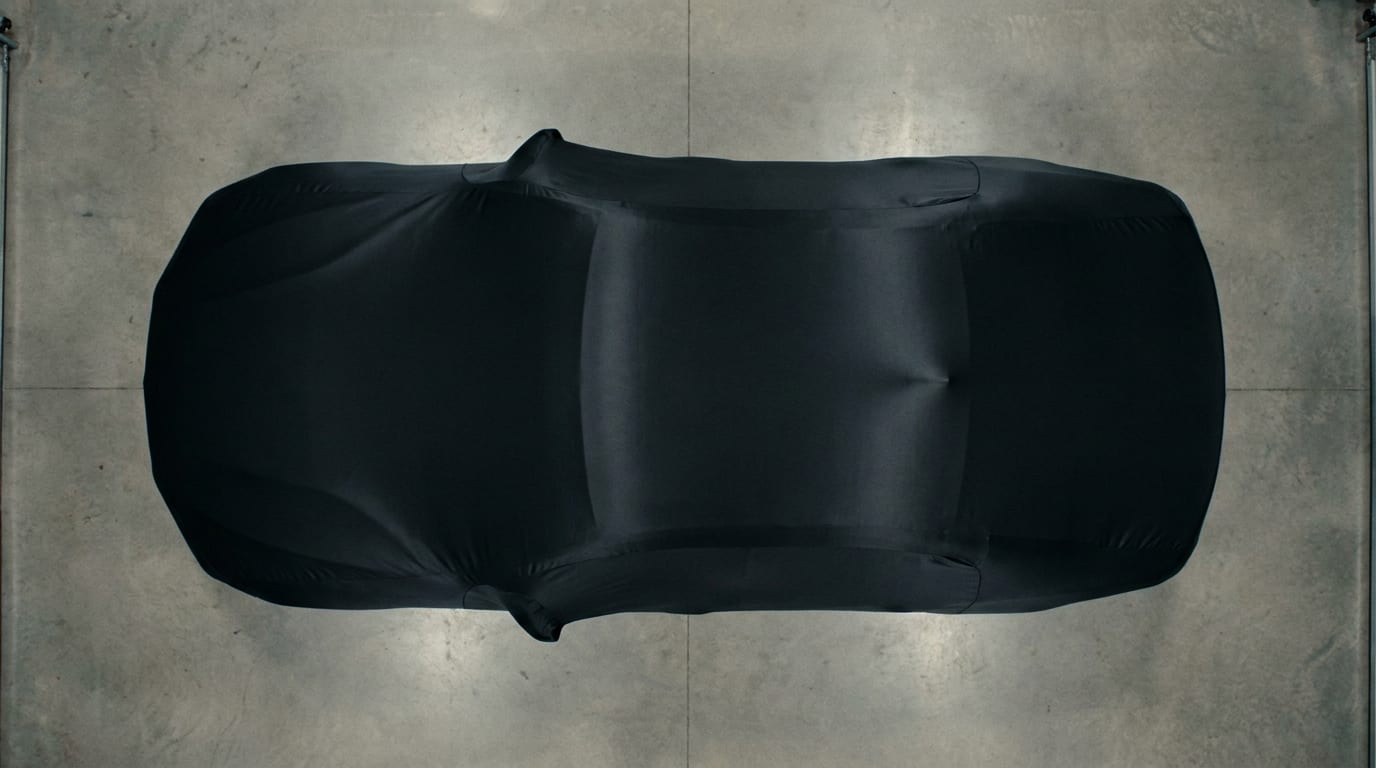
Installation order matters more than people expect. Drape the cover over the roof first, centered, then work each mirror housing into its pocket on both sides before you start pulling the cover down the rest of the body. Do it in the wrong order and you'll end up fighting the fabric, trying to stretch a pocket into place after the cover's already settled.
Don't force a pocket that's clearly too small over a large mirror. It'll seem fine the first few times, but the seams take the strain every time you stretch them past where they're meant to go, and eventually they tear. If the pocket is genuinely too tight for your mirror, that's a fit problem to solve, not a problem to muscle through.
Straps and cable locks go on last, after the mirror pockets are seated. Secure those first and you risk pulling the cover out of position before the pockets ever get a chance to sit right. For the full sequence from start to finish, this step-by-step installation guide walks through it in more detail.
What If the Mirror Pockets Don't Fit Right?
A pocket sitting too loose or clamping down too tight is a sizing issue almost every time, not a defect. It's one of the most common complaints people have about a new cover, and nine times out of ten it traces back to the cover being a universal fit asked to do a custom-fit job.
Before assuming anything's wrong with the cover itself, measure your actual mirror housing and compare it against what the cover's listing says it's built for. Sometimes the gap is obvious once you look. Sometimes it's close enough that the cover should fit and something else is off, like the overall pattern being a size up or down from what your vehicle needs.
If the issue turns out to be a mismatch around the mirror or antenna rather than the whole cover, you don't necessarily need to replace it. Fit adjustment options exist for exactly this kind of mismatch, including an antenna patch for antenna cutout problems, and broader fit modification options for other spots where the cover doesn't quite match your vehicle's add-ons.
Choosing a Cover With the Right Fit for Your Vehicle
Mirror pockets are a small detail, but they point at something bigger: a cover is only as good as how precisely it's shaped to your actual vehicle. Thick, weatherproof fabric doesn't mean much if the pattern underneath it is a loose approximation.
If you're comparing options, it's worth browsing by vehicle type so you land on a cover built with pockets placed where your mirrors actually are, rather than a generic shape that happens to mostly work. Start with the car covers category or the broader vehicle covers fit guide to see what's built for your specific setup. And if you want more background on why a properly fitted cover matters in the first place, beyond just the mirrors, it's worth a look at why a car cover is worth buying and how it holds up outdoors long-term.
One more thing before you go: if you found this useful, it's worth poking around the rest of the car care articles here, there's a lot more on keeping a cover (and the car underneath it) in good shape. To put it plainly, the reason car covers have mirror pockets comes down to one job: keeping the fabric anchored tight at the mirrors so wind, rubbing, and shifting don't wreck your cover (or your paint) over time.