What GSM Car Cover Is Best for Outdoor Use?
For year-round outdoor use, a car cover in the 300-600 GSM range gives you the best balance of weather resistance and durability. If you're dealing with harsh sun, snow load, or coastal salt air, push toward the heavier end of that range (450-600+ GSM). Anything lighter and you're asking a thin fabric to do a job it wasn't built for.
But GSM isn't the whole story. Grams per square meter measures fabric density and weight, nothing more. It's one ingredient in a recipe that also includes weave tightness, coatings, and how many layers the fabric has. So when someone asks what GSM car cover is best for outdoor use, the honest answer is "it depends," followed immediately by a usable range you can work from.
The right number also depends on two things only you know: how harsh your climate actually is, and how long your car sits outside between drives. A cover that's perfect for a mild coastal suburb might be overkill for a garage-kept car that only sees outdoor time twice a month, and badly undersized for a truck parked in an Arizona driveway all summer.
What GSM Actually Measures
GSM stands for grams per square meter. It's a textile industry standard, not something car cover brands made up, which means you can actually use it to compare fabric density across different manufacturers on an apples-to-apples basis. A 400 GSM fabric from one brand weighs roughly the same per square meter as a 400 GSM fabric from another, regardless of what they call their fabric blend.
Higher GSM generally means thicker material. Thicker material tends to resist tearing better and blocks more light, which matters for UV protection. That part's intuitive enough.
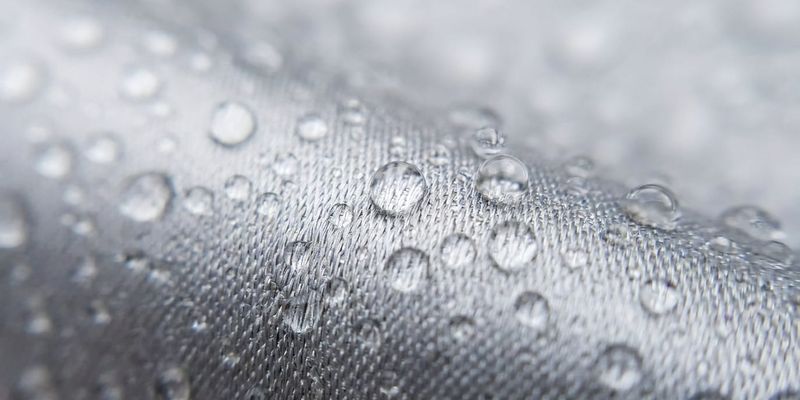
Here's where people get tripped up: GSM alone doesn't determine whether a cover is waterproof. Stitching quality, seam sealing, and whether the fabric has a waterproof coating or laminate all matter just as much, sometimes more. A 250 GSM fabric with a proper waterproof coating can shed rain better than an uncoated 400 GSM fabric that just sits there soaking up water like a towel. If you're shopping on GSM number alone and ignoring the coating, you're only reading half the label. Our waterproof car cover guide breaks down the coating side of this in more detail, and it's worth a read before you buy on weight alone.
GSM Ranges for Outdoor Car Covers, Explained

Breaking it down by range makes the decision a lot less abstract.
Under 200 GSM. Lightweight, thin, and frankly not built for sustained outdoor exposure. These covers are fine for keeping dust off a car in a garage or for short-term use when you know rain isn't coming. Leave one of these on a car parked outside for a season and you'll see it degrade fast.
200-300 GSM. This is entry-level outdoor protection. It handles occasional rain and moderate sun reasonably well, which makes it a fit for mild climates where the car isn't baking in direct sun every day or getting hammered by storms.
300-450 GSM. This is the range most outdoor car owners actually land in, and for good reason. It handles regular rain, ongoing UV exposure, and typical wind without falling apart within a year. If you're trying to figure out what GSM car cover is best for outdoor use in an average U.S. climate, with real but not extreme weather, this is probably where you'll end up.
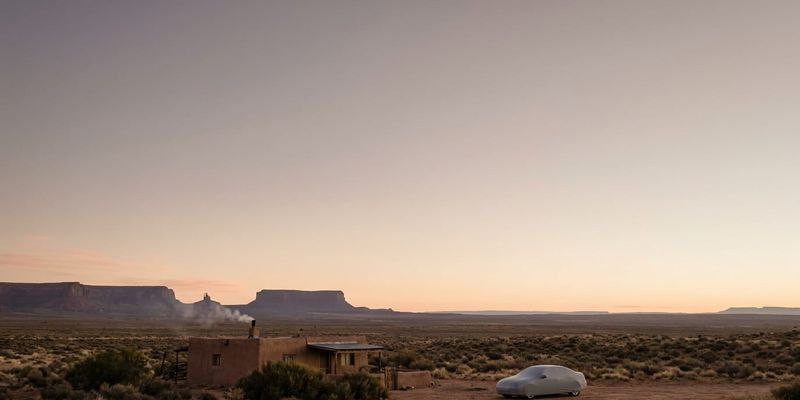
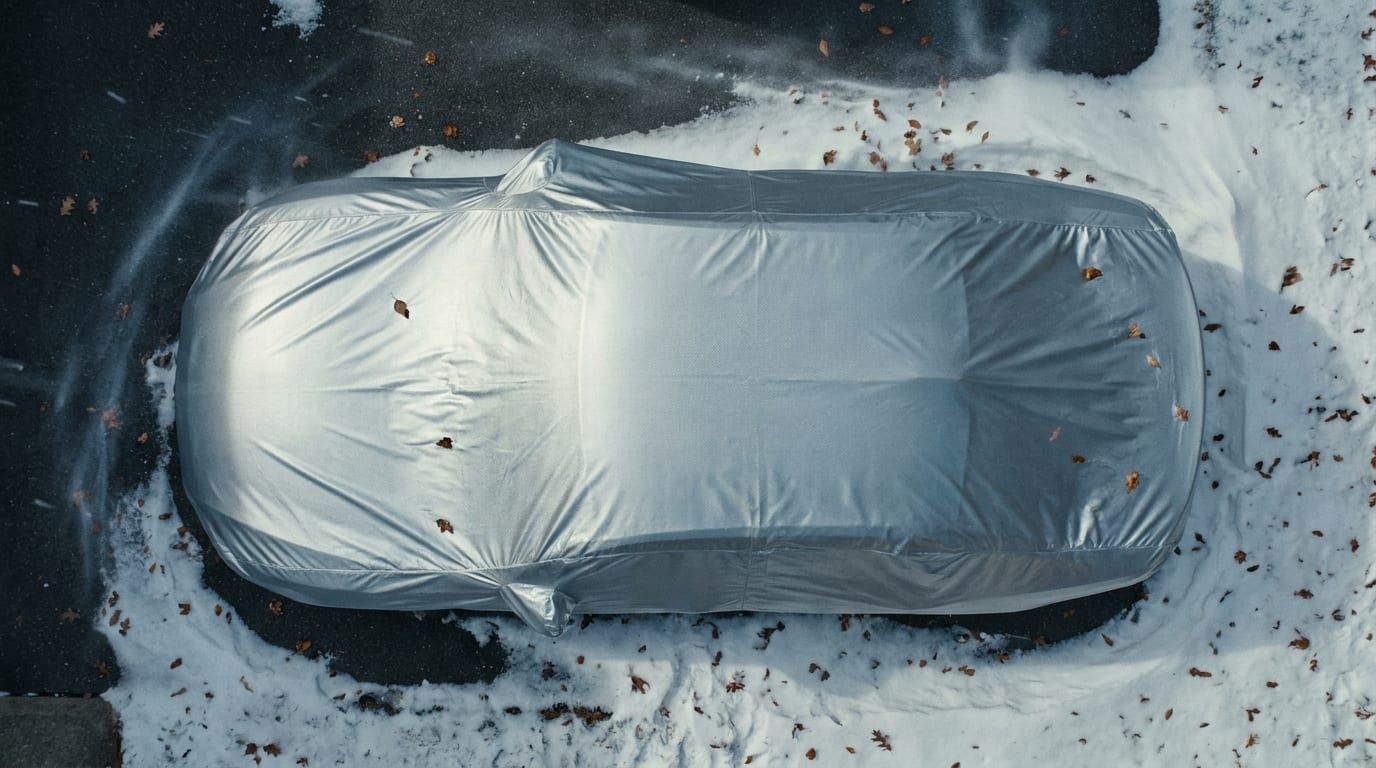
450-600+ GSM. Heavy-duty territory. Built for harsh sun (think desert Southwest or high altitude), snow load, coastal salt air, or a vehicle that lives outside full-time with little or no garage access. It's also heavier to handle and pricier, which matters if you're installing and removing it daily.
One nuance worth knowing: some multi-layer covers mix a lighter outer shell with inner layers, so the "effective" protection is higher than the outer GSM number alone would suggest. Don't assume a single GSM figure always tells the whole story on a layered product; check what each layer is doing.
For a deeper look at how all this plays out specifically outdoors, our outdoor car cover guide and our guide to using a car cover outdoors both go further into wind, UV, and rain performance by weight class.
Factors That Push You Toward a Higher or Lower GSM
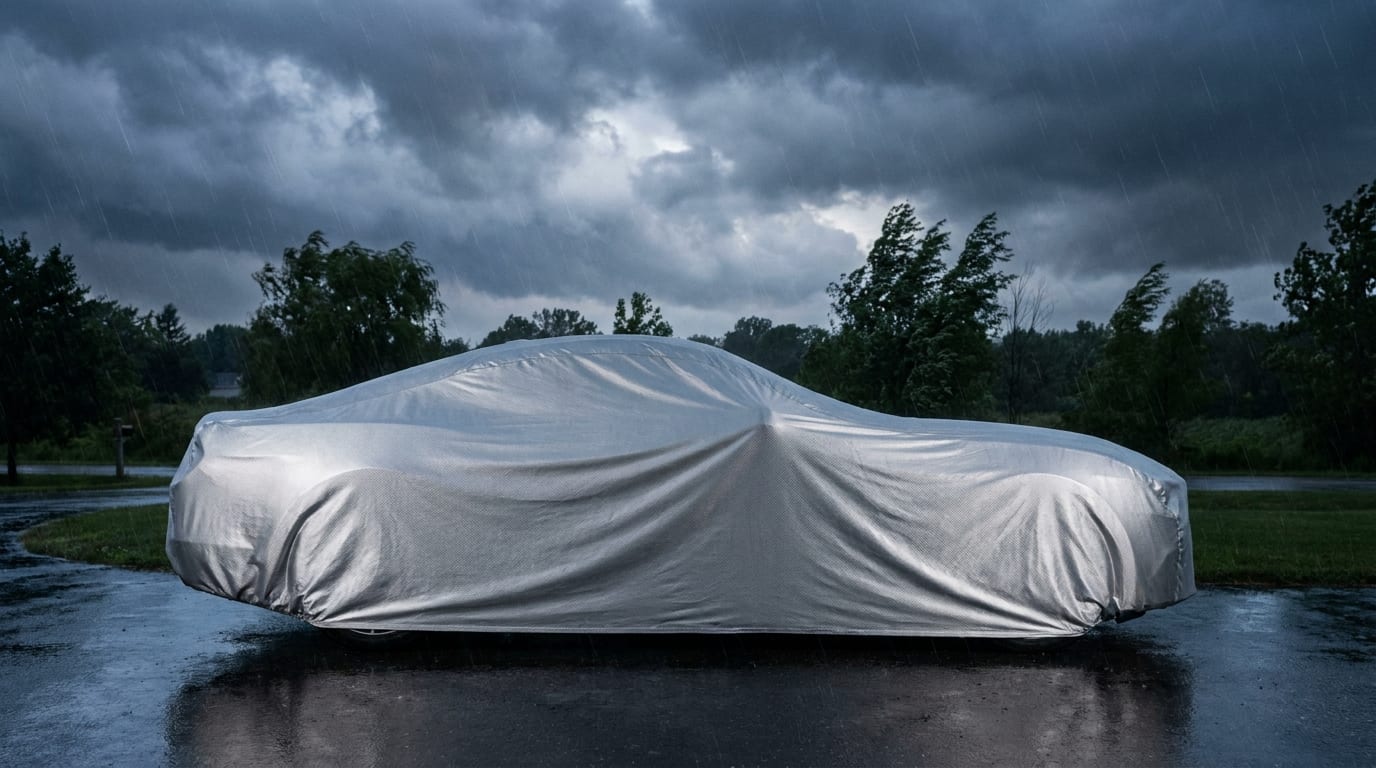
A few real-world factors should move your decision up or down from that 300-450 GSM middle ground.
Climate severity is the biggest one. Intense UV, like you get in desert regions or at high altitude, breaks down fabric faster than people expect. Heavy snow load adds physical weight and moisture exposure. Coastal salt air is corrosive and persistent in a way inland weather isn't. Any of these justify going heavier.
Storage duration matters almost as much as climate. A car parked outside 24/7 needs more GSM than one that's only exposed occasionally between stretches in the garage. If your vehicle spends 90% of its life indoors and only gets left out for a weekend trip here and there, you don't need the same armor as someone whose driveway is the only parking they've got.
Vehicle value and paint sensitivity count too. A classic car or a higher-value vehicle often justifies the extra cost of a heavier, more durable fabric, simply because the downside of a cover failure is worse.
Here's the trade-off nobody mentions enough: heavier GSM covers are bulkier and heavier to put on and take off, and they cost more. Going heavy "just in case" isn't automatically the smart move if your car's mostly garaged. More GSM isn't a universal upgrade, it's a tool for a specific problem.
Signs Your Current Cover's GSM Is Too Light
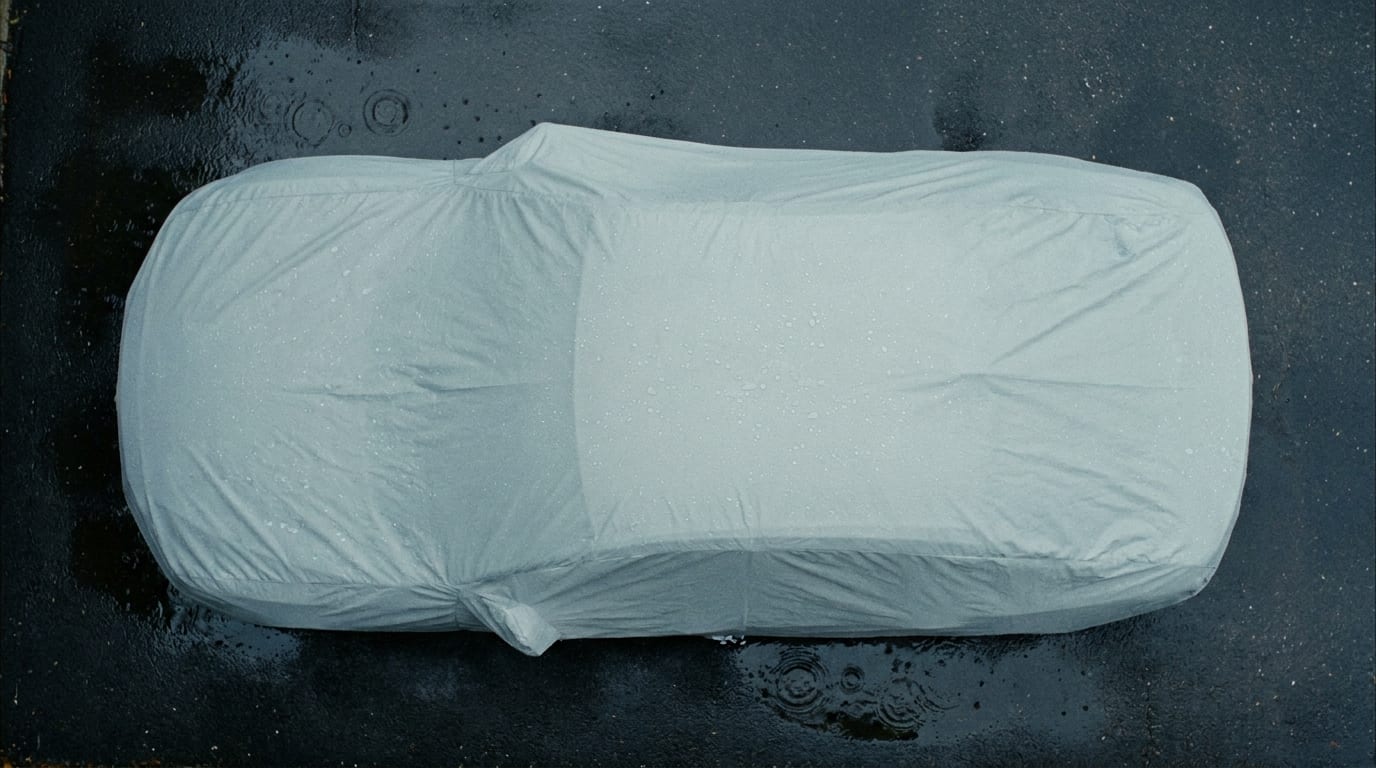
If you're not sure whether your current cover is underspecced, the fabric itself will tell you.
Fading, thinning, or small tears showing up within a single season of outdoor use is a clear sign the GSM wasn't enough for your conditions. Water soaking through during sustained rain, instead of beading up and running off, means either the GSM or the coating (or both) are undersized for the job. Fabric that's gone brittle or developed pinholes after repeated sun exposure has been overmatched by UV. And a cover that shifts or flaps excessively in wind points to a combination of issues, light fabric plus possibly loose straps or a poor fit.
If you're seeing more than one of these, it's not a fluke. It's a sign to size up.
How to Choose the Right GSM for Your Situation
Match your GSM choice to the worst weather your car will realistically face, not the average day. A cover needs to survive the one brutal storm or heat wave of the year, not just the mild Tuesdays in between. Pick based on the bad days.
Check that whatever GSM you land on comes paired with genuine waterproof treatment and UV-resistant coating. Raw fabric weight without the right treatment is like buying a raincoat with no water resistance, it's heavy, but it's not doing the one job you need it for. Our waterproofing fabrics breakdown explains what to look for on the materials side.
Fit matters just as much as fabric. A loose, flapping cover undermines even a premium heavy-GSM fabric, since wind abrasion and water pooling both get worse with bad fit. Confirm you've got the correct size for your vehicle before you worry about GSM at all.
And adjust based on real habits, not aspirations. If the car sits outside more often than it's garaged, step up a GSM tier. If it's mostly covered for short stints between garage stays, you can usually step down and save some bulk and cost. For cars that live indoors most of the time, an indoor cover built for dust rather than weather is the better fit anyway, and there's no reason to pay for outdoor-grade fabric you don't need.
Find the Right Outdoor Cover
For most outdoor situations, 300-600 GSM covers the range you'll actually need, with the top end reserved for harsh sun, snow, or coastal salt exposure. Anything lighter risks an early replacement, anything heavier than necessary just adds bulk and cost without much benefit.
If you're still not sure where you land, don't just guess at a number. Our find car cover tool matches vehicle size and climate exposure so you're not picking GSM blind, and it's worth a few minutes before you buy. Once you've got a cover, keeping it properly cleaned goes a long way toward getting full life out of whatever fabric weight you chose.
If this kind of breakdown is useful, stick around the articles section for more buying guides like this one, we add new ones regularly as readers ask these exact questions.