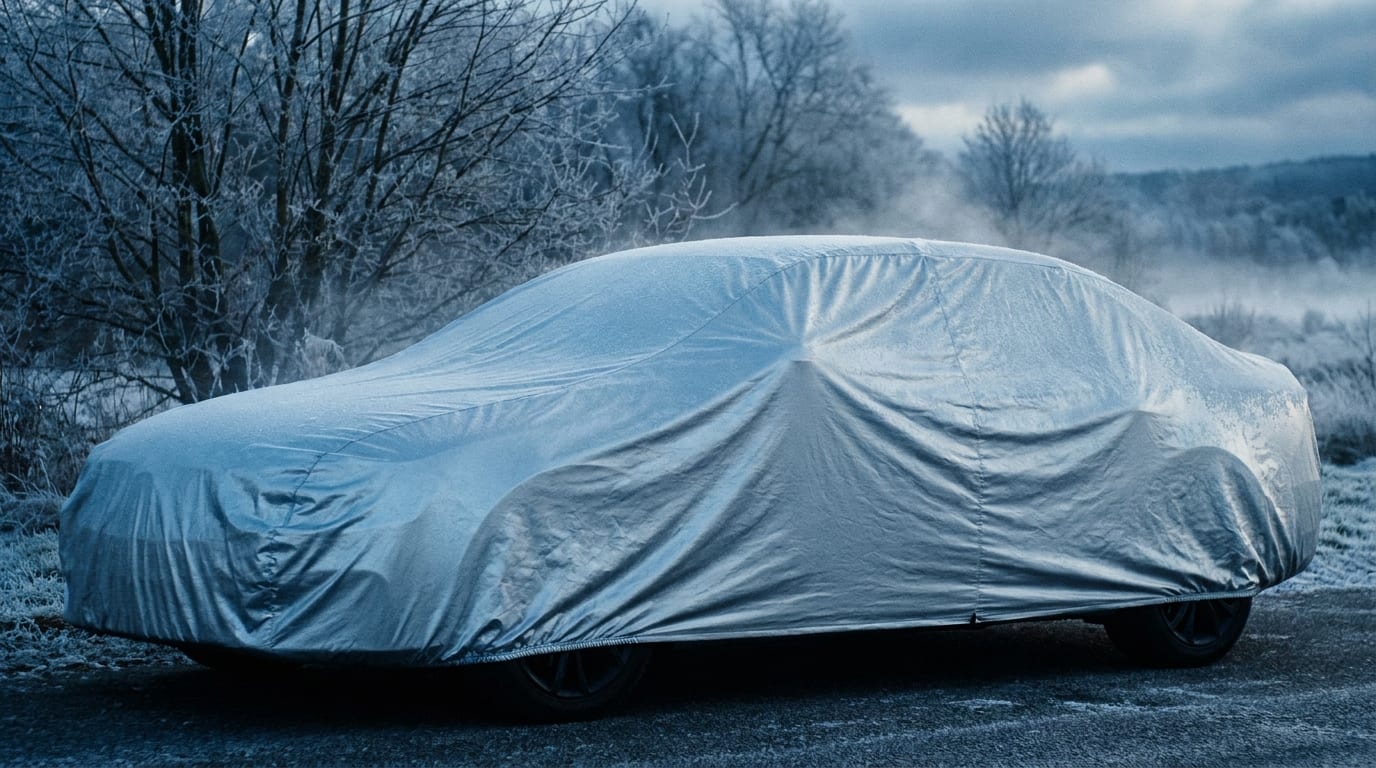
The Short Answer: It Depends on Weather and Parking, Not the Powertrain
Here's the honest answer: no, EVs and hybrids don't need a car cover because they're electric or hybrid. They need one for the same reasons any car does, which comes down to where you park and what your weather actually looks like. Do hybrids and EVs need a car cover more than a gas car sitting in the same driveway? No. Same conditions, same risk.
There's a myth floating around that electric and hybrid vehicles come with special cover requirements tied to their batteries or charging hardware. They don't. A cover is an exterior weather shield. It has nothing to do with what's powering the wheels. This article sticks to that lane: sun, rain, snow, parking conditions. Not charging safety, not electrical systems, not anything happening under the skin of the car.
By the end, you'll have a simple framework to figure out your own answer: how much UV and precipitation you deal with, where the car sleeps at night, and whether your climate throws anything extreme at it. That's really all that matters.
Why People Assume EVs and Hybrids Are Different
It's not a crazy assumption. EVs tend to have bigger glass surfaces, panoramic roofs are almost standard now, and there's a charge port door that looks like it needs special handling. Add in the glossy trim, the unique badging, and dashboards built around giant touchscreens, and it's easy to see why owners treat these cars like they're more fragile than a regular sedan.
But none of that changes how a cover fits or performs. A panoramic roof is still just glass. A charge port door is still just a sealed panel, closed when the car isn't plugged in. These are cosmetic and interior-heat concerns, not structural differences in cover design.
Think about it this way: a Tesla, a Toyota RAV4 Hybrid, and a gas-only Camry parked next to each other for a week face the exact same threats. Sun doesn't care what's under the hood. Neither does rain, snow, tree sap, or the bird that just used your hood as a target. Paint and seals don't know what powertrain they're sitting on top of.
Where EV and hybrid owners do have a legitimate (not mythical) reason to think harder about covering: resale value. These vehicles often carry a price premium tied closely to cosmetic condition, since buyers shopping that segment tend to be pickier about scratches, faded paint, and sun-cracked interiors. That's a real financial reason to cover, just not a technical one.
Weather Exposure: The Real Reason to Consider a Cover
This is where the actual decision lives. Sun is the quiet killer. Daily UV exposure fades paint, breaks down clear coat over time, and bakes dashboard plastics and touchscreens until they crack or warp. If your EV or hybrid lives outside in a sunny climate, that's a legitimate concern, and it's the same concern a gas truck owner has.
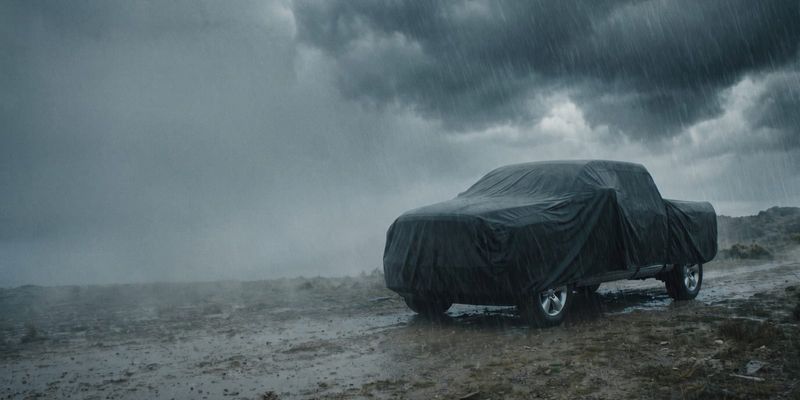
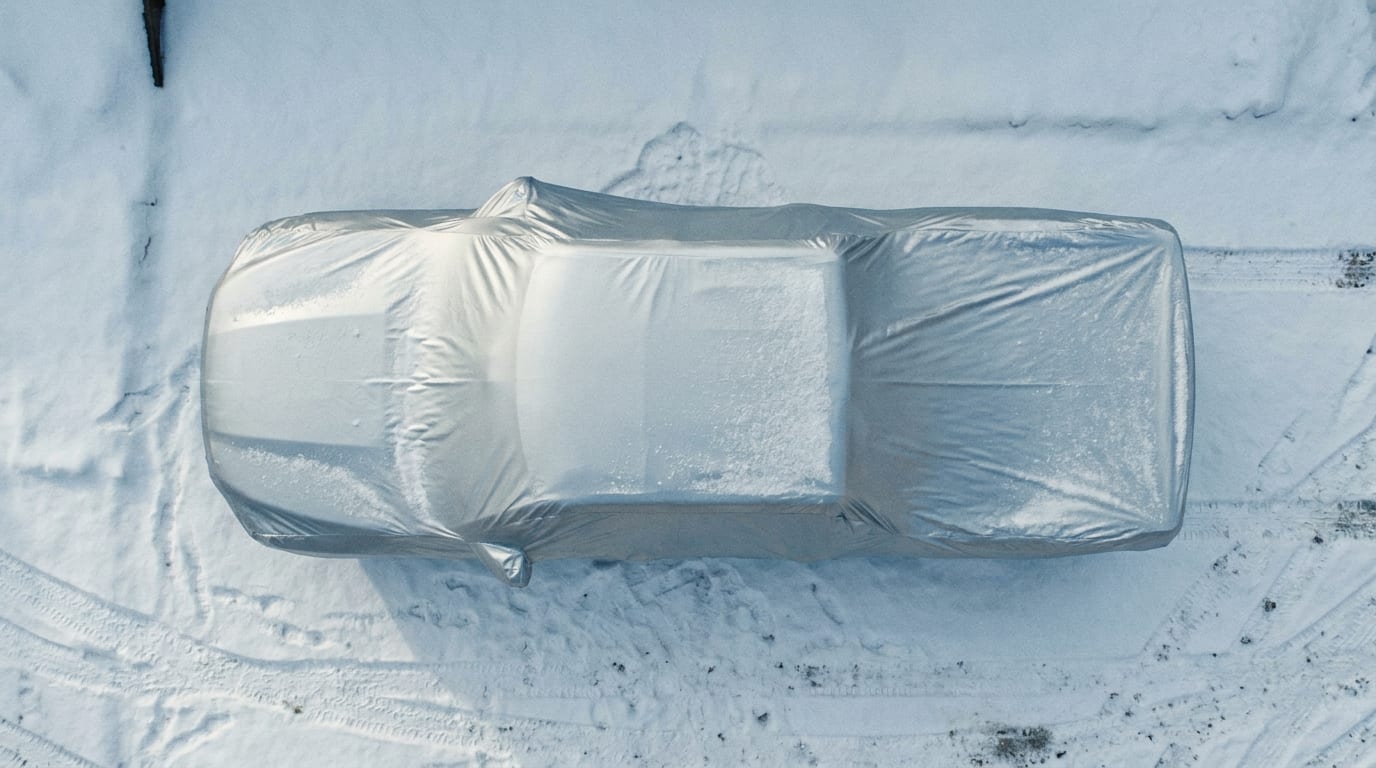
Precipitation and snow bring their own problems. Ice builds up around mirrors and door handles. Snow piles onto panoramic glass roofs, which are common on EVs and add extra surface area for buildup. Freeze-thaw cycles work their way into any existing paint chip and make it worse. None of this is EV-specific. It's just physics acting on sheet metal and glass.
Coastal and salt-air environments deserve a special mention, because salt accelerates corrosion regardless of what's parked in it. If you're near the coast, that's a higher-priority case for covering than almost anything else on this list.
Then there's the everyday grime: pollen season, tree sap, bird droppings. All accelerate wear on anything parked outside, in any climate, for any length of time. So to repeat the core point: do hybrids and EVs need a car cover because of any of this? Not more than a gas pickup truck parked in the same spot would.
Parking Conditions Matter More Than Powertrain

Where your car sleeps at night matters more than what's under the hood. There are really three scenarios.
Garage-kept cars face minimal weather risk. A cover here is really about dust, minor scratches, and keeping pet hair off the paint, not storm protection. If that's your situation, an indoor car cover does the job without overkill.
Carport or covered parking sits in the middle. Partial protection from sun and rain, but wind-driven weather and humidity still reach the car. A lighter outdoor cover usually covers this gap.
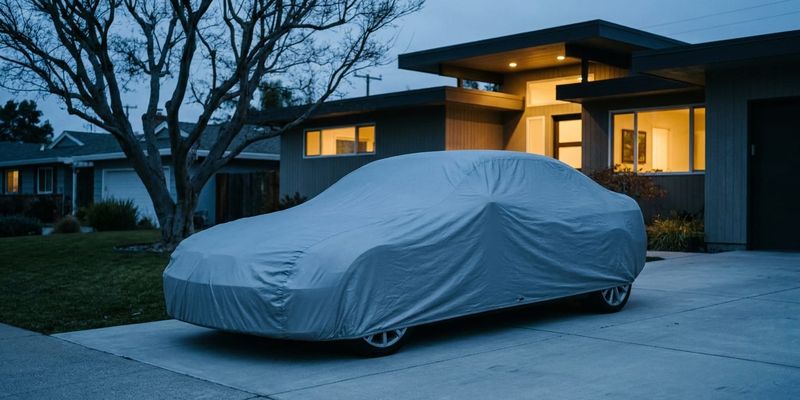
Fully exposed driveway or street parking is where a cover stops being optional and starts being a practical habit. If you're in a city or apartment complex without a garage, this applies to you no matter what you drive.
Climate is the second variable, and it changes the math a lot. Someone with a garage in Phoenix is dealing with a different risk profile than someone street-parking in Minneapolis through a Midwest winter. Same powertrain question, wildly different answer.
Simple self-check: if your car spends more nights outside than in, weather protection is worth considering. That's it. That's the whole test, and it applies the same way whether you're driving a Model 3 or a V6 Accord.
What a Cover Actually Protects on an EV or Hybrid
A cover's job is exterior protection, full stop. That means paint and clear coat, exterior trim and badging, glass including sunroof and moonroof panels, mirrors, and tires and wheels (UV cracks rubber just like it fades paint).
What it's not doing: anything related to charging. A cover isn't a charging accessory, and it has no role in electrical safety. This article isn't making any claims either way on that front, because it's simply outside the scope of what a cover is designed to do. Charge port doors and plugs are sealed by the manufacturer and are their own separate consideration, unrelated to general weather coverage.
So when you're picking a cover for a Tesla, a RAV4 Hybrid, or anything else, you're really asking the same questions any car owner asks: does it fit, is the fabric right for my climate, and does it breathe well enough to avoid trapping moisture. Browsing Tesla-specific cover options or general car cover options gets you to the same decision tree as shopping for a gas sedan.
Choosing the Right Cover for Your EV or Hybrid

Once you've figured out your parking situation, the choice gets simpler. Outdoor, daily exposure calls for a genuinely waterproof car cover with breathable fabric, something that blocks rain and UV without trapping humidity underneath and causing its own problems. Garage-kept cars don't need that heavy-duty armor. A lighter indoor car cover built for dust and incidental contact is enough, and it won't be overkill for a car that barely sees daylight.
Fit still matters more than almost anything else on this list. A loose cover flaps in wind, and that flapping is what causes micro-scratches against paint over time, regardless of fabric quality. A snug, vehicle-specific fit avoids that, whether you're covering a Model Y or a Camry. This guide to using a car cover outdoors walks through wind, waterproofing, and UV considerations in more depth if you want to go deeper before buying.
Warranty terms are worth a look too, especially for outdoor covers, since they take more abuse over time from wind, sun, and repeated on/off use. A lifetime warranty on a car cover is a reasonable thing to check for before you commit to one, particularly if you're buying for daily outdoor use rather than occasional dust protection.
Bottom Line: Match the Cover to Your Weather and Parking, Not Your Powertrain
So, do hybrids and EVs need a car cover? Not because of the battery, not because of the charge port, not because of anything unique to the powertrain. They need one for the same reasons any car does: sun, precipitation, parking exposure, and climate.
Quick recap to run through on your own car:
- Parked outside more nights than not? Weather protection is worth it.
- Garage-kept? You're mostly covering for dust and minor scratches, not storms.
- Live somewhere with harsh sun, salt air, or heavy snow? That tips the scale toward covering regardless of what you drive.
- Fit and fabric matter more than brand or powertrain when you're actually choosing one.
If you're still weighing it, it's worth browsing fitted options for your specific vehicle and reading through why a car cover is worth it before deciding. No pressure either way, just information to make the call yourself.