Does a Car Cover Protect a Ceramic Coating? Here's What It Actually Does
Published

Your ceramic coating is tough, but it's not invincible. If you're asking whether a car cover protects a ceramic coating, the answer is yes: a cover adds a physical layer that shields the coating from UV rays, bird droppings, tree sap, dust, and water spots. The coating still handles the chemical work of beading water and resisting stains. The cover just keeps it from taking a daily beating.
Does a Car Cover Protect a Ceramic Coating?
Yes. A car cover protects a ceramic coating by blocking the physical stuff that wears it down over time: sun, acidic droppings, airborne grit, and the moisture that causes water spotting. The coating itself doesn't go anywhere when you add a cover. It keeps doing its job of repelling water and resisting chemical stains. The cover just stops that job from being harder than it needs to be.
Here's the distinction people miss. A ceramic coating protects your paint at the surface level, chemically, by bonding a hard, glossy layer on top of the clear coat. A car cover protects everything above that layer from ever making contact in the first place. One works from the inside out. The other works from the outside in. They're not competing products, and asking "does a car cover protect a ceramic coating" is really asking whether you need both. You do, if you want the coating to look good for its full lifespan instead of fading out early.
How Does a Car Cover Protect Ceramic Coating from Damage?
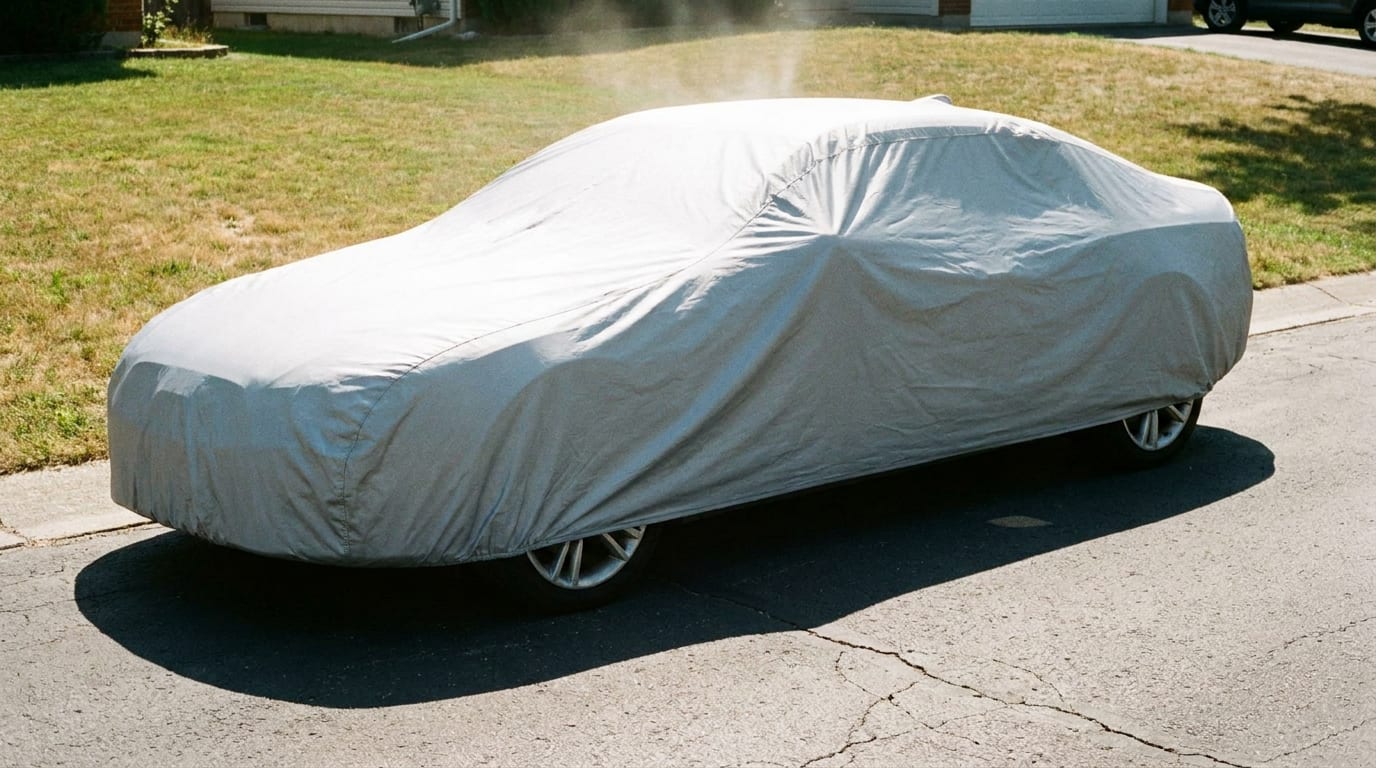
UV rays are the slow killer here. Ceramic coatings are built from resins that break down under constant sun exposure, and once that resin degrades, the gloss goes flat and the hydrophobic effect weakens. Months of sitting in direct sun will do more damage than most owners realize. A cover blocks that exposure entirely during parking or storage, which is the single biggest thing you can do to extend a coating's working life.
Then there's the stuff that falls on your car. Bird droppings, tree sap, and pollen are all acidic, and if they bake in the sun for a few hours, they can etch straight through a coating's protective layer, not just sit on top of it. A cover means that acidic mess never touches the paint at all.
Dust matters more than people think, too. Airborne grit settles on a coated surface just like it does on bare paint, and wiping it off dry (the thing everyone's tempted to do) grinds those particles across the finish and leaves fine scratches. A cover keeps that layer of contaminants off the car so there's nothing to wipe off in the first place.
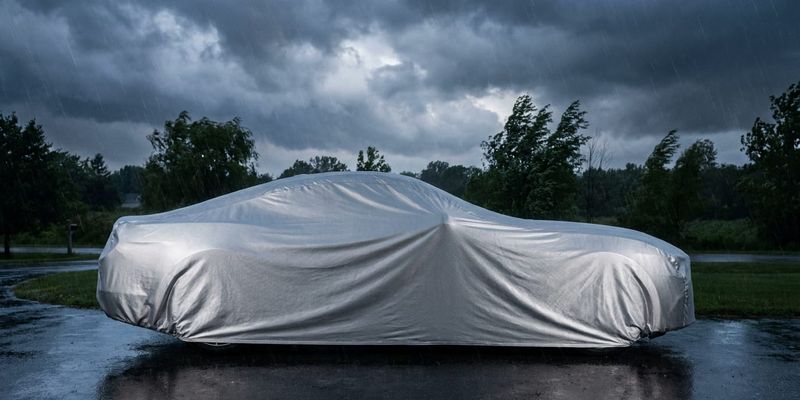
Rain and sprinklers cause their own slow damage. Water that dries on a coated panel before it's rinsed leaves mineral spots behind, and over time those spots etch into the gloss. A cover keeps water from ever landing on the surface to begin with, which is a big part of why car covers are so often paired with coatings in the first place.
What Are the Downsides of Using Car Covers?
Covers aren't flawless. A cover with a rough or poorly fitted inner lining can rub against a ceramic-coated finish, especially if it's loose and flapping in the wind. That friction, repeated over weeks, can cause light swirl marks. The material matters. So does the fit.
Dirt is the other culprit. If you pull a cover out of the trunk and throw it on without shaking it out, any grit trapped inside grinds against the coating every time the fabric shifts. Give the cover a shake first. It takes ten seconds and saves you a correction later.
Covering a wet car is a mistake too. Trapped moisture under a cover leads to water spots at best and a mildew smell at worst. Always dry the car, or let it air dry, before covering it.
None of this means skip the cover. It means clean the cover on a regular basis and buy one actually built for your vehicle. If you want the specifics, there's a full guide to cleaning a car cover worth reading before your first wash.
How Do You Protect a Ceramic Coating Beyond a Cover?
A cover is one piece. Washing technique is the other.
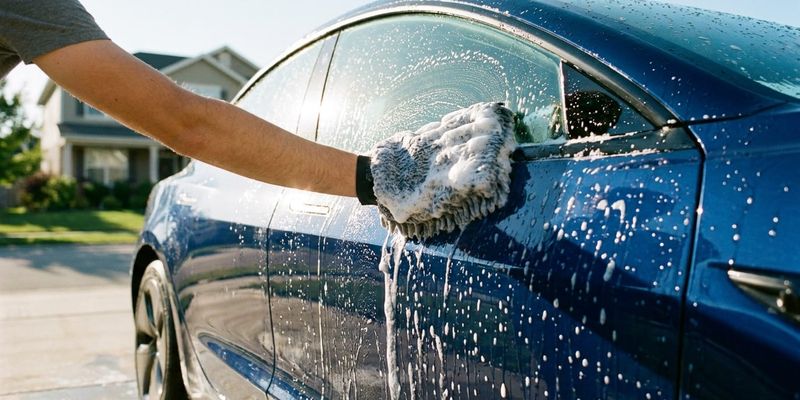
Stick to pH-neutral soap and the two-bucket method. One bucket for soap, one for rinsing your mitt, so you're not dragging grit back across the paint on every pass. Skip brush-style automatic washes entirely. Those rotating brushes have scrubbed down plenty of cars before yours, and they will introduce fine scratches even on a coated surface.
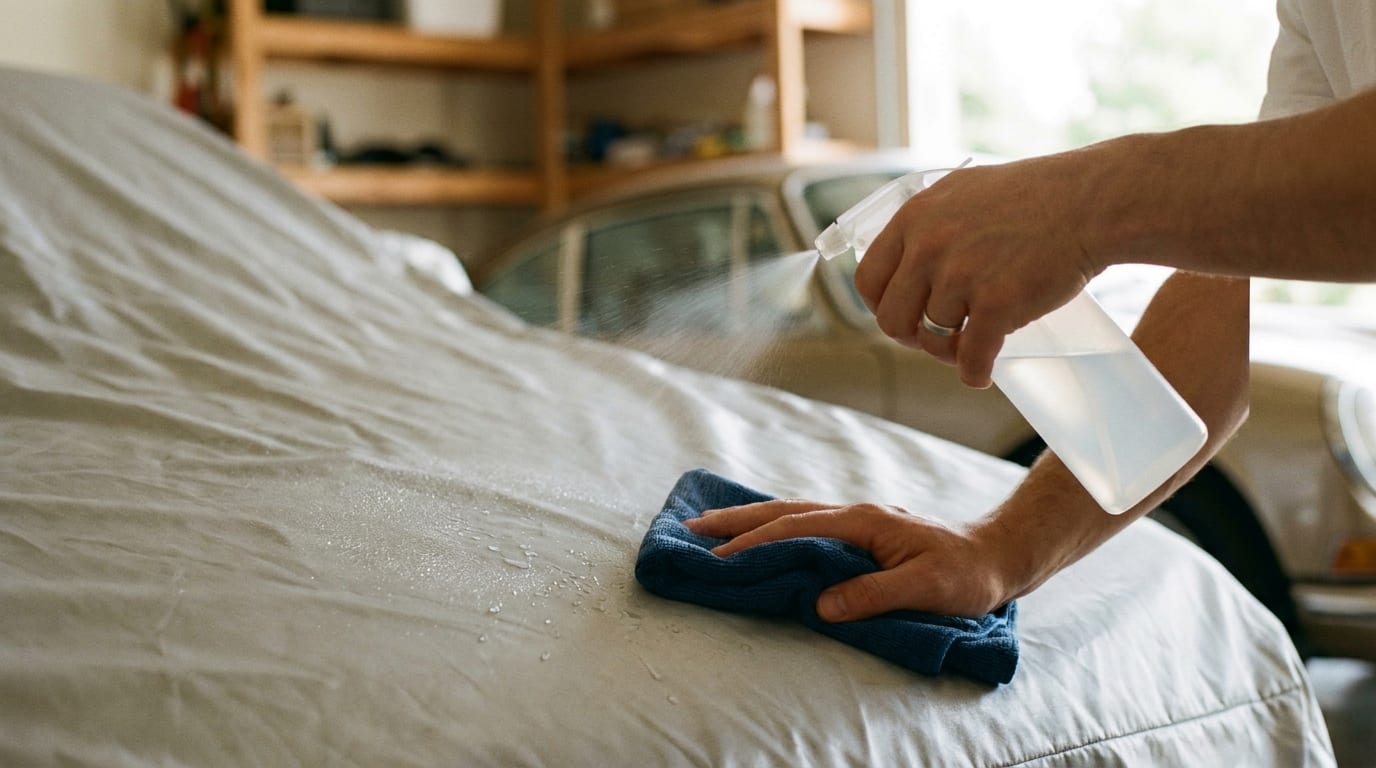
Bird droppings, sap, and bug splatter need to come off fast, not whenever you get around to it. The longer they sit, the more likely they are to etch past the coating. Keep a quick-detail spray and a microfiber towel in the garage for exactly this.
And circle back to the cover. Regular washing handles the day-to-day grime, but a custom-fit car cover during storage or extended parking means the coating isn't fighting UV and dust alone between washes. The two habits together do more than either one on its own.
Can I Go Through a Carwash with a Ceramic Coating?
Touchless and contactless washes are generally fine for a ceramic-coated car. Nothing physically touches the paint, so there's no friction risk, just water pressure and chemical cleaners doing the work.
Brush and cloth-strip washes are a different story. A coating makes your paint easier to clean and more water-resistant, but it does not make it scratch-proof. Those spinning brushes can still leave light marring on a coated car the same way they would on an uncoated one.
Hand washing at home is still the lowest-risk option, hands down. Pair it with a cover for the time your car spends parked, and you've covered both ends: the wash itself and everything in between.
What Are the Downsides of Ceramic Coating on a Car?
Ceramic coating gets talked about like it's a forcefield. It isn't. It's a chemical sealant, and it comes with real limits worth knowing before you spend the money.
It won't stop rock chips, deep scratches, or hail dents. Those are physical impacts, and a coating adds zero thickness that would absorb them. It also isn't a one-and-done purchase. Most coatings need periodic reapplication and correct wash habits to keep performing the way they did on day one.
Here's the part that matters most for this article: a coating does not block UV damage to the clear coat underneath it the way an opaque cover does. The coating protects its own surface from UV breakdown somewhat, but it's not shielding the paint from prolonged sun exposure during long-term parking the way a physical barrier would.
A cover fills exactly these gaps. It's not a backup plan, it's the other half of the job.
Choosing the Right Cover for a Ceramic-Coated Vehicle
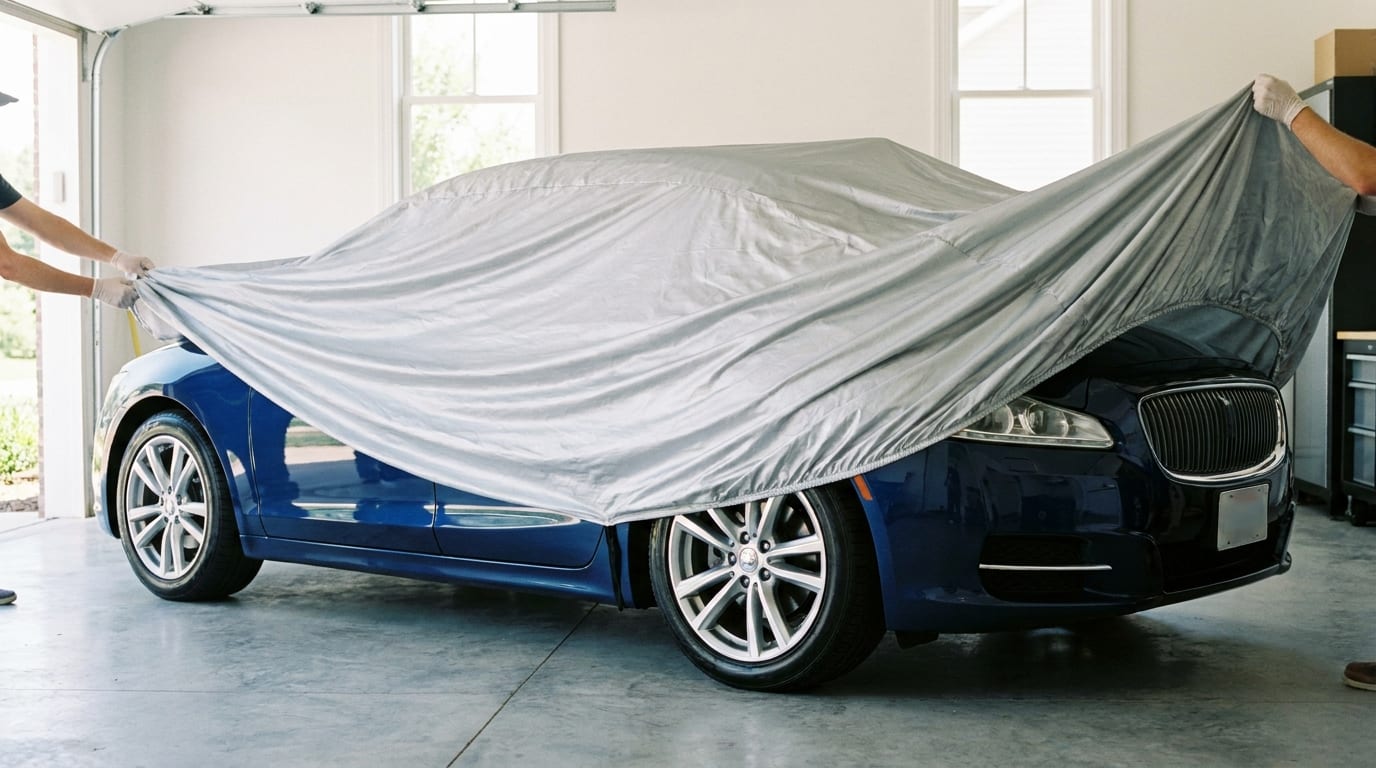
Not every cover is a good match for a coated finish. The inner lining is the first thing to check, you want something soft and non-abrasive, built specifically not to scuff a coated surface when the wind pushes the fabric around.
Fit matters just as much. A universal-fit cover has extra fabric that flaps and shifts in the wind, and that movement is exactly what causes friction marks over time. A custom-fit car cover sits snug against the body, which cuts that movement down significantly.
Waterproofing is the third piece, but it has to be paired with breathability. A fully sealed, non-breathable fabric traps moisture underneath it, which undoes the hydrophobic benefit you paid for with the coating in the first place. Look for waterproof car covers built with breathable layers, not just a sealed shell. There's more detail on how these waterproof fabrics actually work if you want to compare materials before buying.
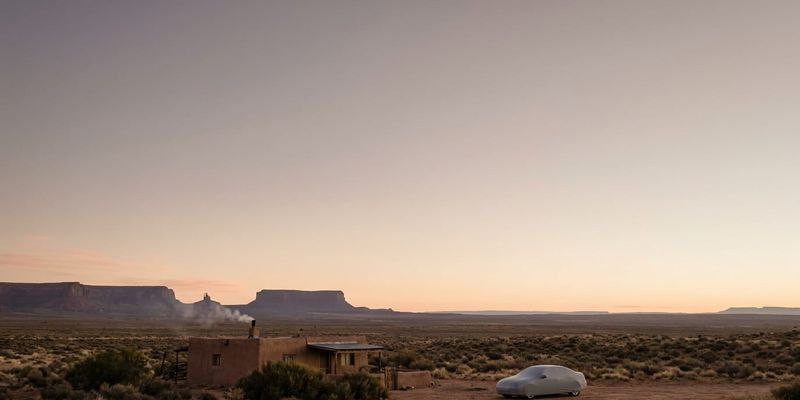
Where you park changes the priority list too. Indoor car covers are built mainly to stop dust and prevent scratches, since UV and rain aren't really in play. Outdoor car covers need to handle UV resistance and water runoff as the main job. If your car lives outside most of the year, this guide to using a car cover outdoors walks through wind, UV, and waterproofing in more depth.
Protect the Investment You Already Made in Your Coating
Think about what you already spent getting that coating applied. A cover isn't a second expense competing for the same budget, it's what keeps that first expense from fading faster than it should. Skipping the cover doesn't save you money, it just moves the cost down the road in the form of an earlier reapplication.
If you're ready to look at options sized to your actual vehicle instead of a generic fit, browse custom-fit car covers built around your make and model. And if you want more on keeping both your cover and your coated finish in good shape for the long haul, the car care section has the rest of what you need. Worth a bookmark before your next wash, if nothing else.