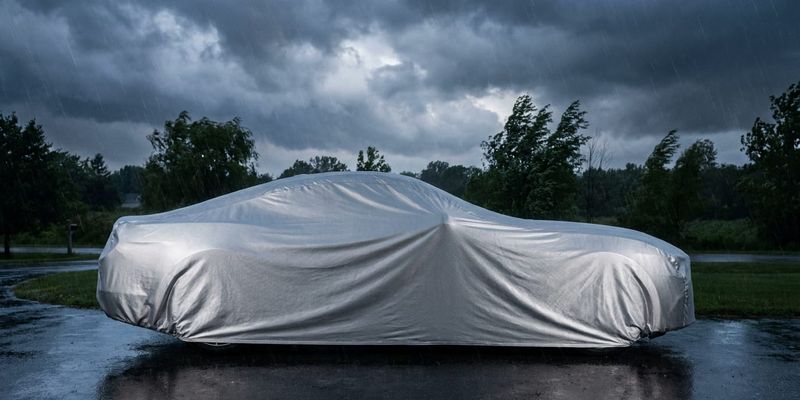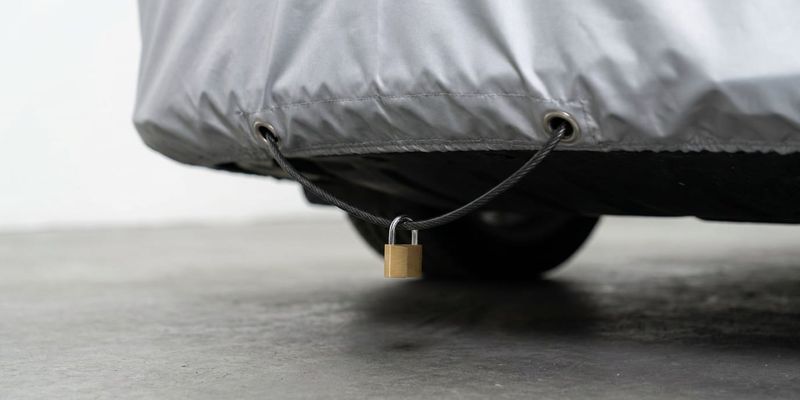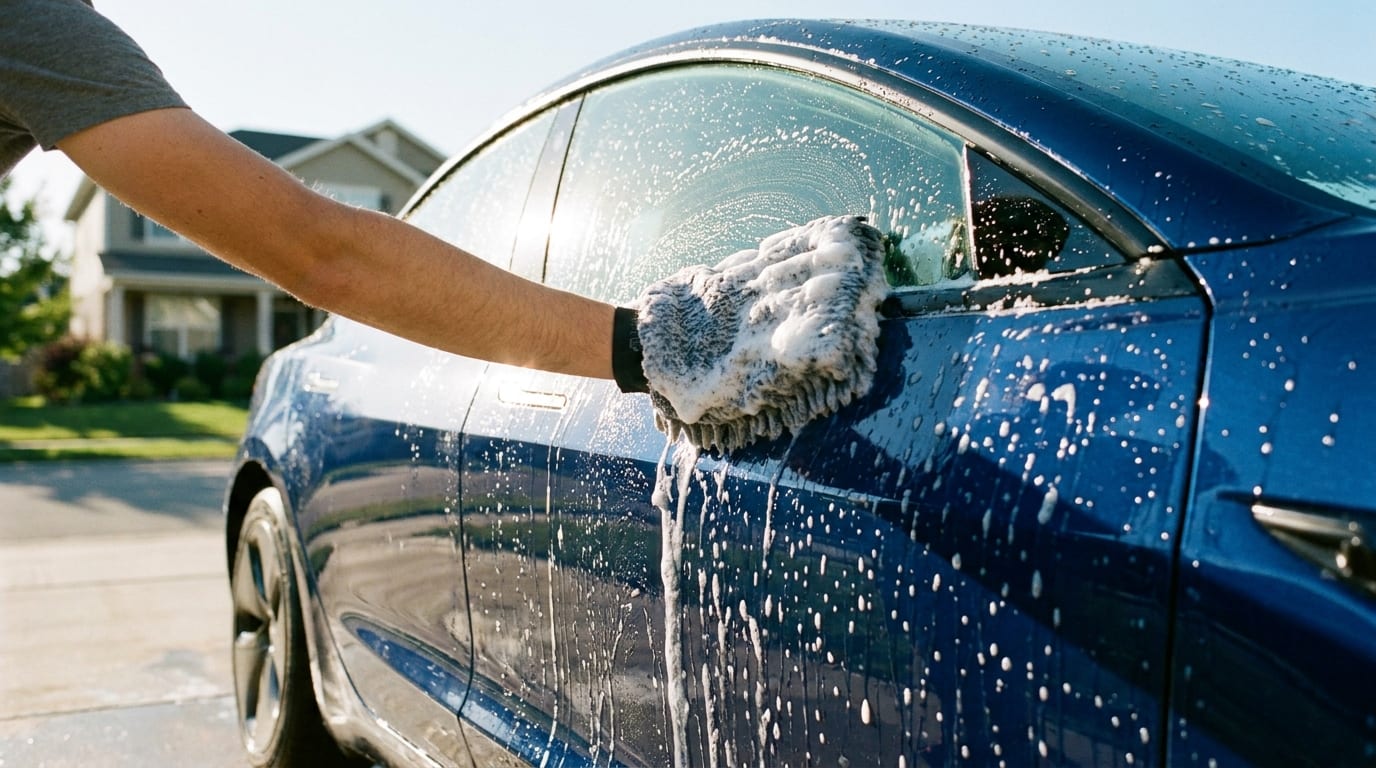
Yes, you can hand wash a car cover, and for most covers it's actually the better choice over tossing it in the washing machine. If your cover has a waterproof coating or multiple fabric layers, hand washing keeps you in control of water temperature, soap, and scrubbing pressure, three things that machines don't let you dial back when they matter most.
The right method still depends on what your cover is made of. A cotton or flannel indoor cover can handle a bit more agitation than a laminated, waterproof outdoor cover, which can lose its water repellency if you scrub too hard or use water that's too hot. Polyester blends sit somewhere in the middle. So before you grab a bucket, it helps to know which category your cover falls into.
The rest of this guide walks through the actual steps, which soaps to avoid, how to dry the cover without wrecking the coating, and what happens if you skip cleaning altogether.
What's the Best Way to Hand Wash a Car Cover?
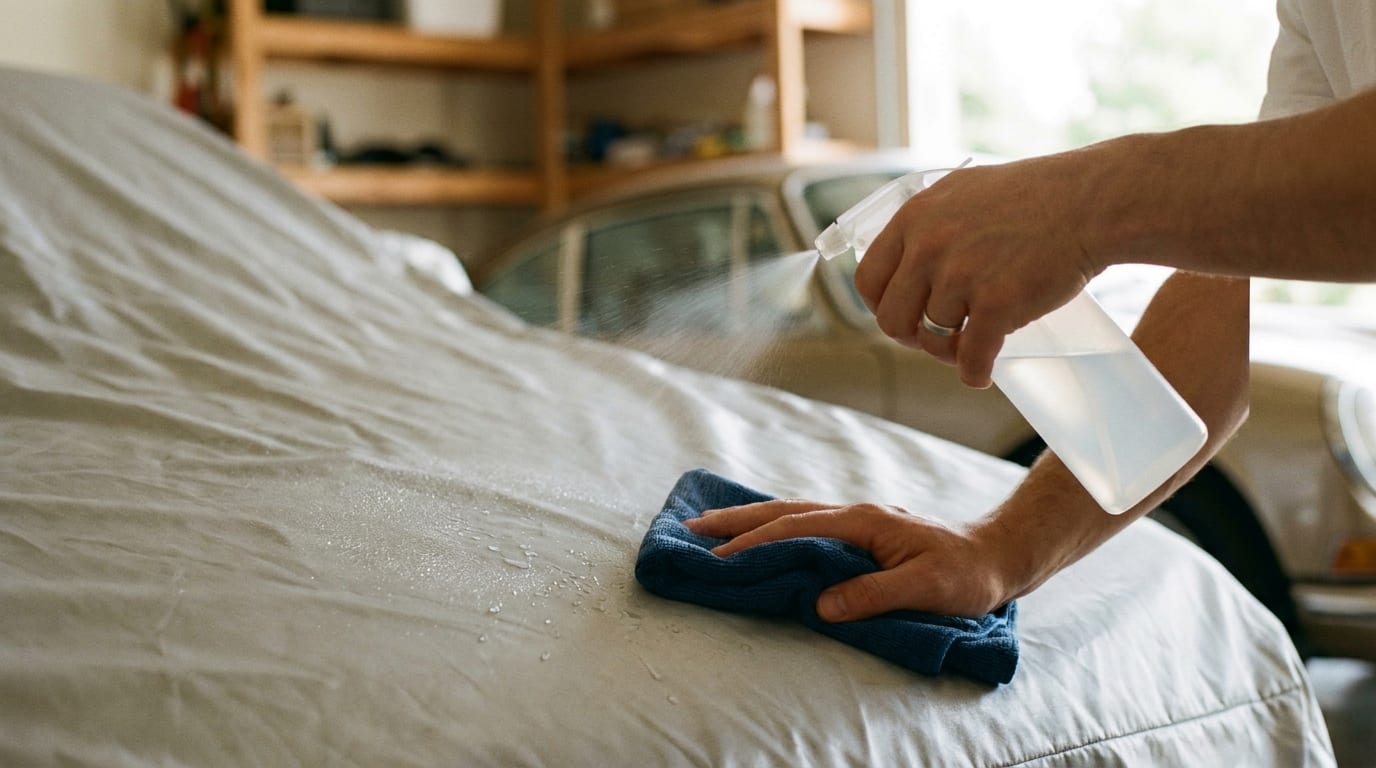
Start dry. Shake the cover out or brush off loose leaves, dirt, and bird droppings before any water touches it. Grit left on the fabric turns into sandpaper the second you start scrubbing, which is how you end up with fine scratches in the coating that weren't there before.
Next, lay the cover flat somewhere you've got room, a driveway, a bathtub, or even over a sawhorse, and fill a bucket with lukewarm water and a mild, non-detergent soap. Skip hot water. Heat is one of the fastest ways to break down the finishes used on waterproof and water-resistant covers.
For stained spots, work in gentle circular motions with a soft brush or sponge. A stiff-bristle brush feels like it's doing a better job, but it's really just wearing down the coating faster than the dirt itself would. Soft and patient beats hard and fast here.
Last step, and the one people skip: rinse both sides thoroughly. Soap residue left in the fibers doesn't just look dull, it actively degrades water repellency over time, which defeats the purpose of owning a waterproof cover in the first place. If you want the full walkthrough with product-specific tips for different fabric types, the step-by-step cleaning guide covers it in more detail than we can fit here.
Is Dawn Dish Soap Safe to Use on a Car Cover?
No, skip the Dawn. It's a go-to for cleaning oil off birds and degreasing pans, and that's exactly the problem. Those same degreasing agents strip the factory-applied water-repellent finish off your cover, which means the first time it rains after a wash with dish soap, you'll notice your "waterproof" cover isn't doing much waterproofing anymore.
Use a mild, pH-neutral soap instead, or a cleaner made specifically for outdoor fabric covers. Check your cover's own care instructions first since the right product can vary by material. And it's not just dish soap to avoid: bleach, fabric softener, and any strong all-purpose cleaner will do the same damage for the same reason. They're built to break down oils and residues, and your cover's coating counts as exactly that kind of residue to them.
Can You Machine Wash a Car Cover Instead of Hand Washing?

Sometimes, but it's not the default move. Lighter cotton or polyester covers can occasionally handle a cold, gentle machine cycle, if the manufacturer's care tag actually says it's fine. That's the key word: if.
Here's what you're risking by skipping that check. Machine agitation is rough on grommets, elastic hems, and seams, the parts of a cover that hold everything together and are expensive to replace on their own. It also wears down waterproof laminate noticeably faster than hand washing does, since the drum is tossing the fabric around and against itself the whole cycle.
So, can you hand wash a car cover and skip the gamble entirely? Yes, and that's the safer default. Check the care tag on your specific cover before you even consider the machine, and when the tag's unclear or missing, hand wash it. It takes a bit more time, but it's a lot cheaper than replacing a cover that lost its waterproofing after one wash cycle.
How Should You Dry a Car Cover After Washing?
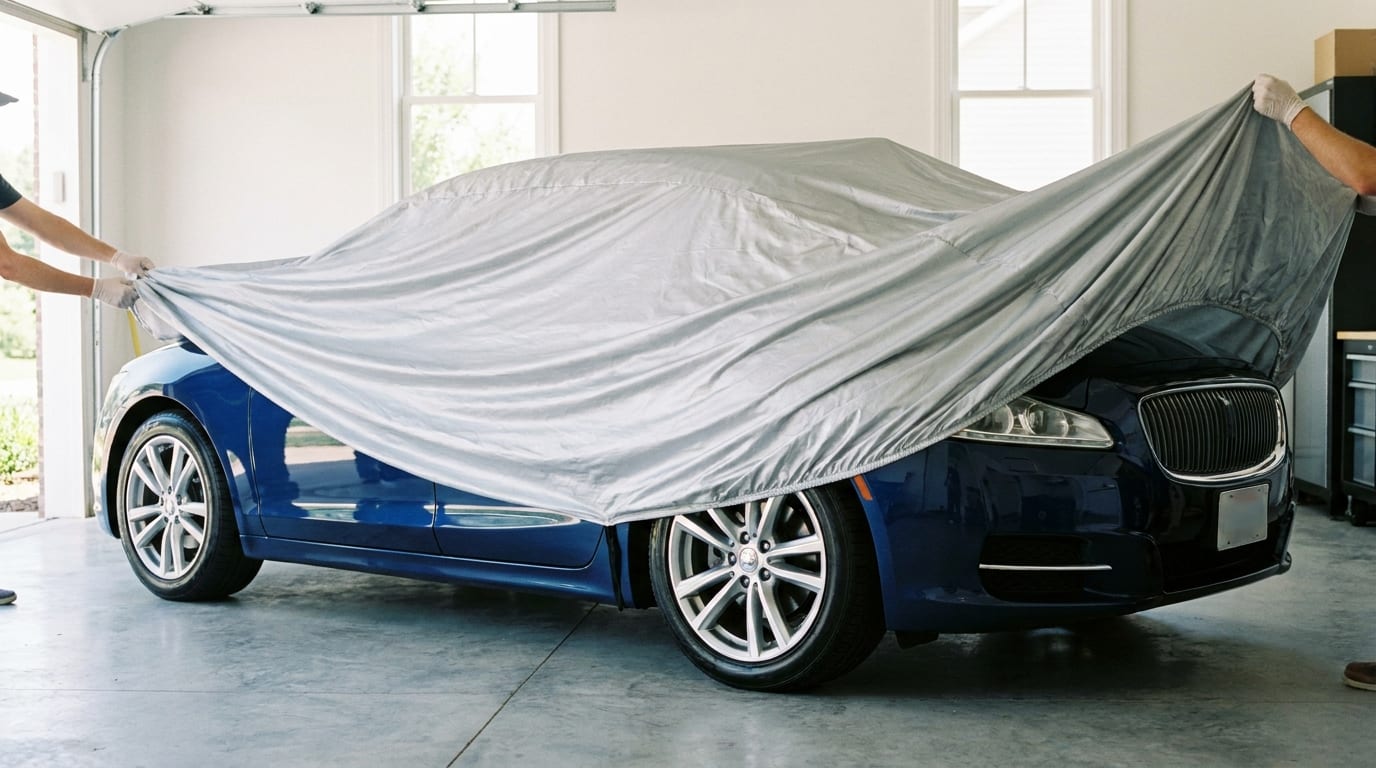
Air dry, full stop. Never put a car cover in a clothes dryer. Heat shrinks fabric and can melt or warp the coating on waterproof covers, and once that happens, there's no undoing it.
Instead, lay the cover flat somewhere with good airflow, or drape it over the vehicle itself (uncovered, obviously) or a sawhorse. The goal is air moving on both sides at once so it dries evenly instead of staying damp underneath while the top looks dry.
Don't rush this step. Folding or storing a cover that's even slightly damp is basically an invitation for mildew and that musty smell that doesn't fully go away once it sets in. Give it the extra hour. If you're storing the cover away from the vehicle for a while afterward, it's worth skimming why a car cover matters in the first place as a reminder of what you're protecting by keeping it in good shape.
What Are the Downsides of Not Cleaning a Car Cover Regularly?
A dirty cover isn't just an eyesore, it's actively working against your paint. Every bit of trapped dirt and grit becomes an abrasive every time wind makes the cover shift even slightly against the body panels. Over weeks and months, that's a lot of tiny scratches adding up.
Dirt also holds moisture. A grimy cover stays damp longer than a clean one, and that extended dampness is what breaks down water repellency and invites mildew spots and odor. It's a bit of a vicious cycle: dirtier cover, more moisture retention, faster coating breakdown, which makes it even worse at shedding water next time.
Combine built-up grime with ongoing UV exposure and you're looking at a cover that wears out well before its time. If you're using the cover outdoors regularly, it's worth reading up on using a car cover outdoors to understand what else is working against the fabric besides dirt, and whether a waterproof cover or an indoor cover makes more sense for your situation. A cover that's properly maintained and installed correctly will simply outlast one that's left dirty between uses.
Keep Your Car Cover Clean and Your Car Protected
Hand washing with a mild soap, a soft brush, and a full air dry is the safest routine for nearly any car cover you'll own. Skip the dish soap, skip the dryer, and check the care tag before the washing machine even enters the conversation.
If you want the complete cleaning walkthrough with tips broken down by fabric type, it's worth bookmarking for your next wash day, and browsing our other car care guides if you're building out a regular maintenance routine for your vehicle.
A clean cover isn't just about appearances. It's the difference between a cover that shields your paint for years and one that quietly wears out, and takes some of your paint's finish down with it, long before it should.
Frequently asked questions
Can you hand wash a car cover?
Yes, hand washing is the safest method for most car covers, especially those with waterproof coatings or multiple fabric layers. Use lukewarm water, a mild non-detergent soap, and a soft brush, then rinse thoroughly and air dry.