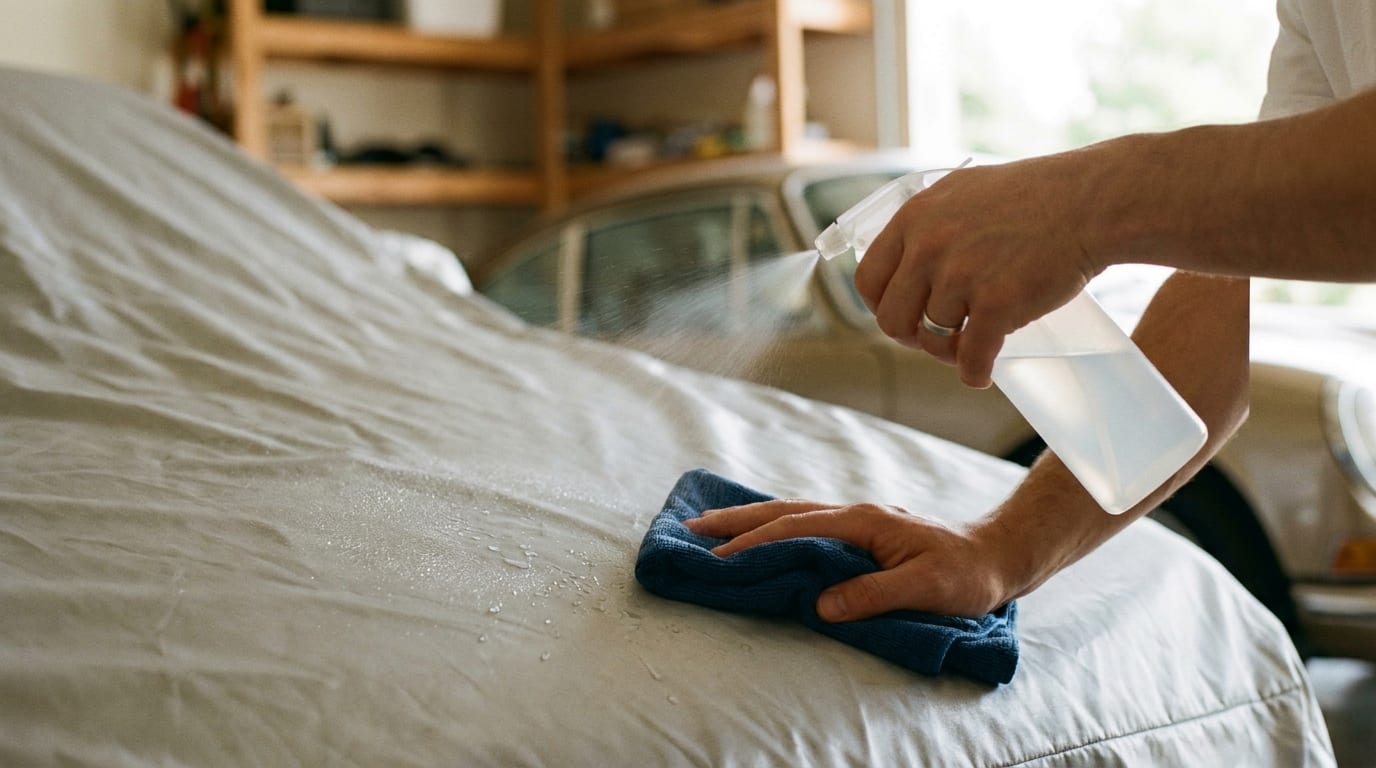
Can You Iron a Car Cover?
No. Don't iron a car cover. Most covers are built from synthetic fabrics, polyester blends, polypropylene, or coated materials designed to block rain and UV rays, and none of them play well with direct heat.
Here's the problem: a household iron, even on its lowest setting, runs hotter than these fabrics are rated for. Irons are built for cotton and linen, not for the polymer coatings and bonded seams that make a car cover waterproof. Press one for even a few seconds and you risk melting fibers, gumming up the coating, or flattening texture that was never meant to touch a hot plate.
So if ironing's off the table, what actually gets the wrinkles out, and what's the right way to dry a cover before you put it back on the car or tuck it away for storage? That's what the rest of this covers.
Why Ironing a Car Cover Is a Bad Idea
Direct heat melts synthetic fibers before you'd expect it to. Polyester and polypropylene blends, the stuff most car covers are made from, can glaze over under an iron's heat. You end up with shiny patches, stiff spots, or fabric that's gone brittle and starts cracking along the fold.
Then there's the coating. Outdoor covers rely on a waterproof or water-resistant treatment layered onto the fabric, and that layer is exactly what ironing damages. You won't see the failure right away. The cover might look fine folded on a shelf. But the next time it rains, water finds the spot where the coating broke down, and now you've got a leak point you didn't have before. If you want to understand how these coatings actually work, waterproof fabrics used in covers are engineered as a system, fibers plus treatment, and heat disrupts that system in ways you can't always see until it's too late.
Heat doesn't stop at the fabric, either. Elastic hems lose their stretch. Grommets can warp. Bound seams can pucker or separate slightly, changing how the cover fits once you put it back on the car. A cover that used to sit snug might now flap at the corners.
And here's the thing about "just use a cool setting": there's no safe way to test it first. You can't run a patch test on a $150 cover and shrug if it goes wrong. The risk to reward ratio just isn't there. Skip the iron entirely.
How to Remove Wrinkles From a Car Cover Without Heat
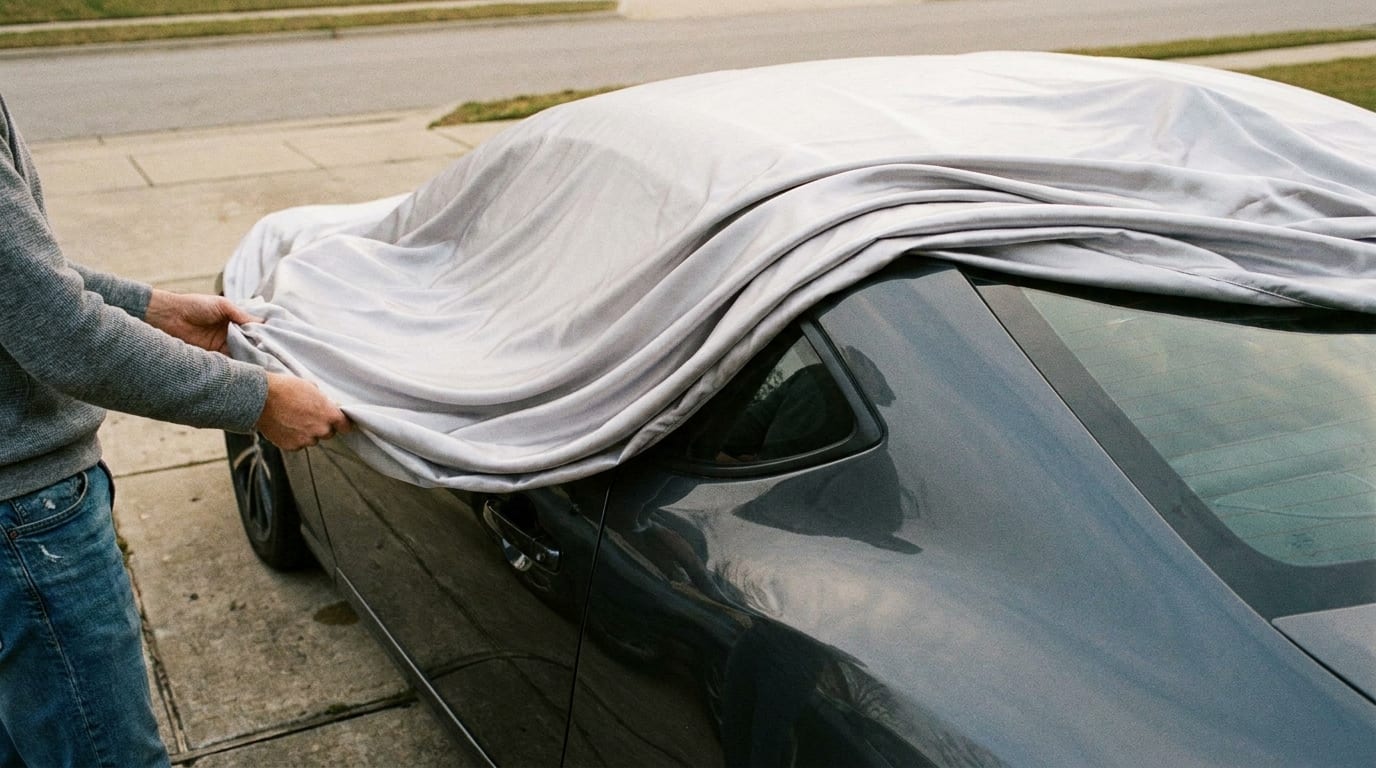
The easiest fix costs nothing. Drape the cover over the vehicle itself, let gravity and the car's natural curves do the work, and leave it overnight. Body heat from the car (especially if you just drove it) helps relax the fabric, and most wrinkles fall out on their own by morning. This only works well if the cover's actually installed correctly in the first place, so if you're new to the process, a simple guide to easy installation is worth a quick read.
No car handy, or you're dealing with a cover you just pulled out of storage? Hang it outdoors over a railing or fence line on a mild day. A few hours of open air and its own weight will pull out most creases without any tools at all.
Stubborn fold lines, the kind that come from a cover being compressed in a storage bag for months, sometimes need a little more help. A cool or no-heat steam pass, held several inches away from the fabric, can loosen those creases. Check the care label before you try it though. Some coated fabrics react to steam differently than plain synthetic weave, and the label will tell you what the manufacturer actually tested.
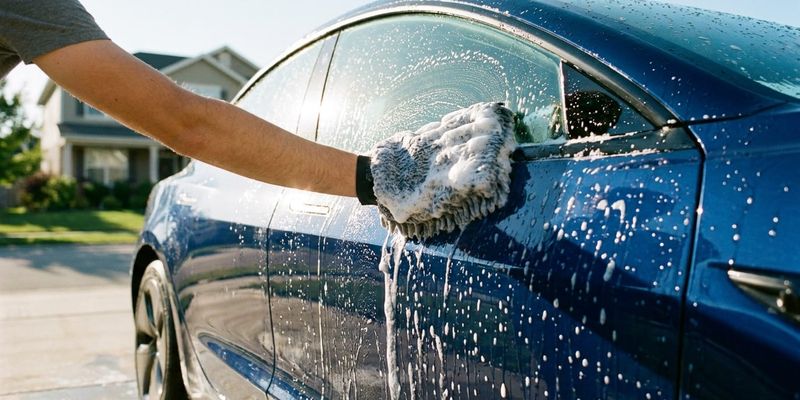
If the cover needs a wash first, that's a separate question from wrinkle removal, and it's covered well in this guide to cleaning a car cover. Either way, skip the high-heat dryer cycle for the same reason you're skipping the iron. Low heat or air-only settings are the safer call.
How Do You Dry Out a Car Cover?

Shake it off first. Loose dirt, leaves, and dust fall away easier before the cover's wet or damp, so give it a good shake before you hang it. Then lay it out fully open, line, fence, or back over the vehicle, so air reaches both the inside and outside surfaces. A cover balled up or folded while damp just traps moisture in the folds.
Shade is the better call over direct sun for drying. Sun won't ruin a cover the way heat from an iron will, but prolonged UV exposure fades some fabrics over time, a separate issue from wrinkles but worth factoring in if you're drying the cover regularly. For more on how sun, wind, and moisture interact with an outdoor cover long-term, this guide to using a car cover outdoors gets into the details.
If you washed the cover and you're using a dryer, stick to low-heat or no-heat tumble settings, and pull it out while it's still slightly damp. Let it finish air drying the rest of the way. Pulling it early sounds counterintuitive, but it avoids the kind of prolonged heat exposure that causes the same damage ironing does. If you're washing a cover for the first time, this step-by-step cleaning guide walks through wash settings in more detail.
One rule that doesn't bend: make sure the cover is bone dry before it goes back into a storage bag or back onto the car. Trapped moisture under a folded cover is how mildew and musty odors start, and once that smell sets in, it's a lot harder to wash out than it was to prevent.
What Are the Downsides of Using a Car Cover?
A cover isn't risk-free, and it's worth saying plainly: used wrong, it can do more harm than good.
A dirty cover is the biggest offender. Dust and grit sitting against the paint act like sandpaper every time wind shifts the fabric. It's a slow process, fine scratches building up over weeks, not a dramatic scrape you'd notice right away. That's why a regular cleaning routine, covered in car care basics, matters more than people think.
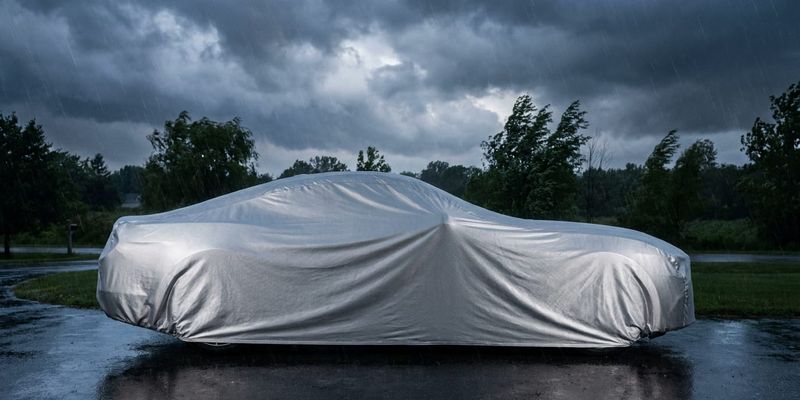
Breathability is the next issue. A cover that doesn't let air move can trap condensation underneath, and that trapped moisture leads to water spots or, worse, mildew growing against the paint. Not every cover handles this the same way, which is part of why waterproof car covers built for genuine outdoor use are engineered differently than a basic indoor dust cover.
Fit matters too. A cover that's too loose flaps in wind and can chafe paint over time at pressure points. Too tight, and it won't seal properly at the seams, letting moisture creep in anyway.
None of this is an argument against covering your car. It's an argument for doing it right: correctly sized, breathable where it needs to be, and cleaned on a schedule. Why buy a car cover covers the upside in more detail, but the short version is that a well-maintained cover beats no cover by a wide margin.
What Is the $3,000 Rule for Cars?
It's a budgeting rule of thumb, not an actual law: if a repair is going to cost more than roughly $3,000, or more than some percentage of what the car's actually worth, it might make more financial sense to walk away and replace the vehicle instead of fixing it.
It's a loose guideline. Mileage, overall condition, and how attached you are to the car all factor into the real decision, and plenty of owners happily spend past that number on a car they plan to keep for another decade.
Where this connects back to car covers: paint damage and rust are exactly the kind of slow, compounding problems that eventually push a repair bill past that threshold. A car cover is a cheap way to delay that outcome. It won't fix anything that's already wrong, but keeping sun, rain, and road grit off the exterior for years at a time is a lot less expensive than the bodywork bill that shows up later if you don't.
Can a Car Cover Help Cover Up Rust on My Car?
No, and it's worth being direct about this one. A cover can't hide rust, stop rust that's already active, or fix anything underneath it. All it does is block future moisture exposure.
If there's active corrosion on the vehicle, deal with it first. Clean it, sand it, seal it, or get it professionally repaired, whatever the severity calls for. Throwing a cover over existing rust actually makes things worse in some cases, because you're trapping whatever moisture is already working on that metal instead of letting it dry out.
Once the rust is actually treated, a breathable, properly fitted cover does real work going forward. It limits how much rain, morning dew, and road salt reach the surface, which slows down how fast new corrosion forms. That's the realistic role a cover plays: prevention, not repair.
Keep Your Cover Looking Its Best Without Heat
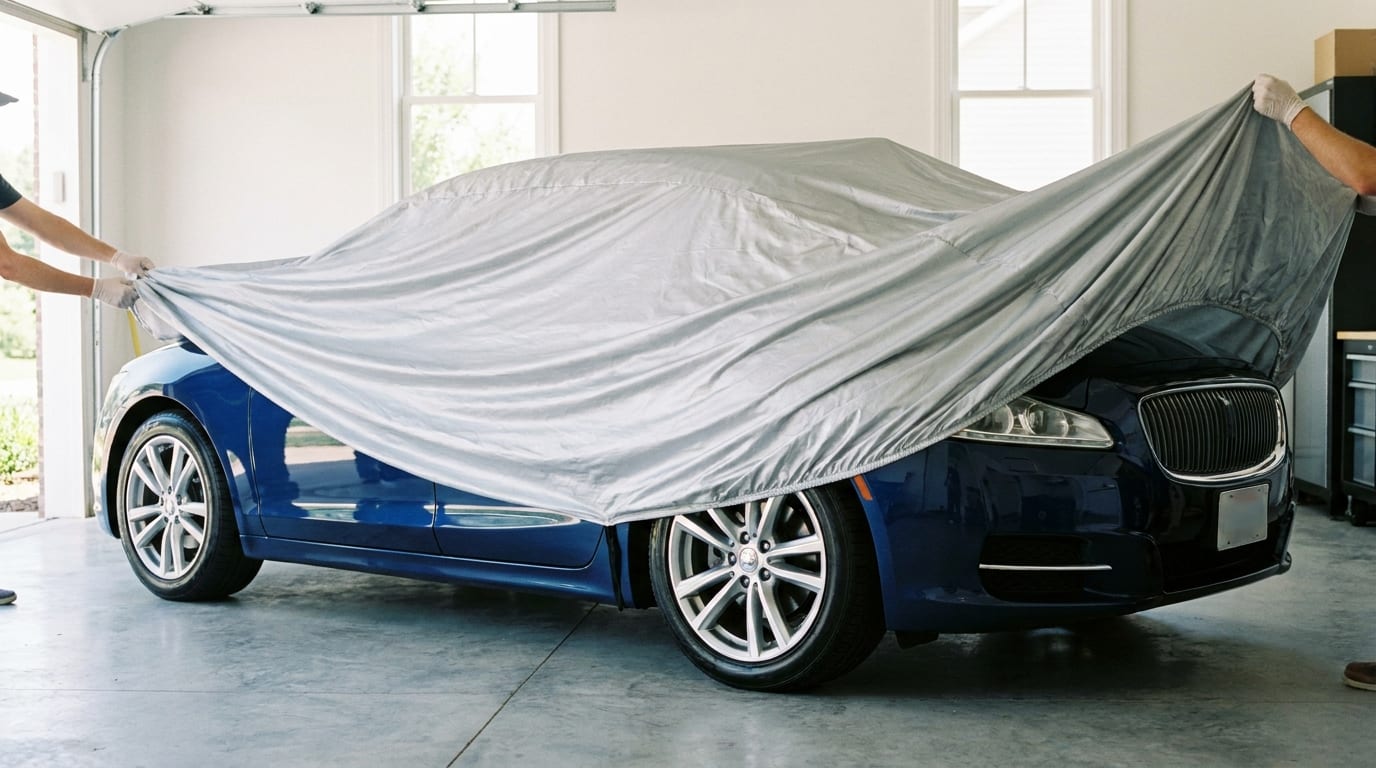
No irons. No high-heat dryer cycles. Gravity, airflow, and a little patience get wrinkles out just fine, and they won't melt a coating or warp a seam while they're at it.
Most of the wrinkle and odor problems people run into trace back to the same root cause: the cover didn't get cleaned or dried properly before it went back into storage. Build a regular cleaning habit and this stops being something you have to think about.
If your current cover's seen better days, or you're shopping for one that resists wrinkling, fading, and moisture buildup in the first place, it's worth browsing options built for outdoor, year-round use. A little research now saves a lot of frustration later.