Does a Car Cover Protect Against Volcanic Ash? Here's What It Can (and Can't) Do
Published
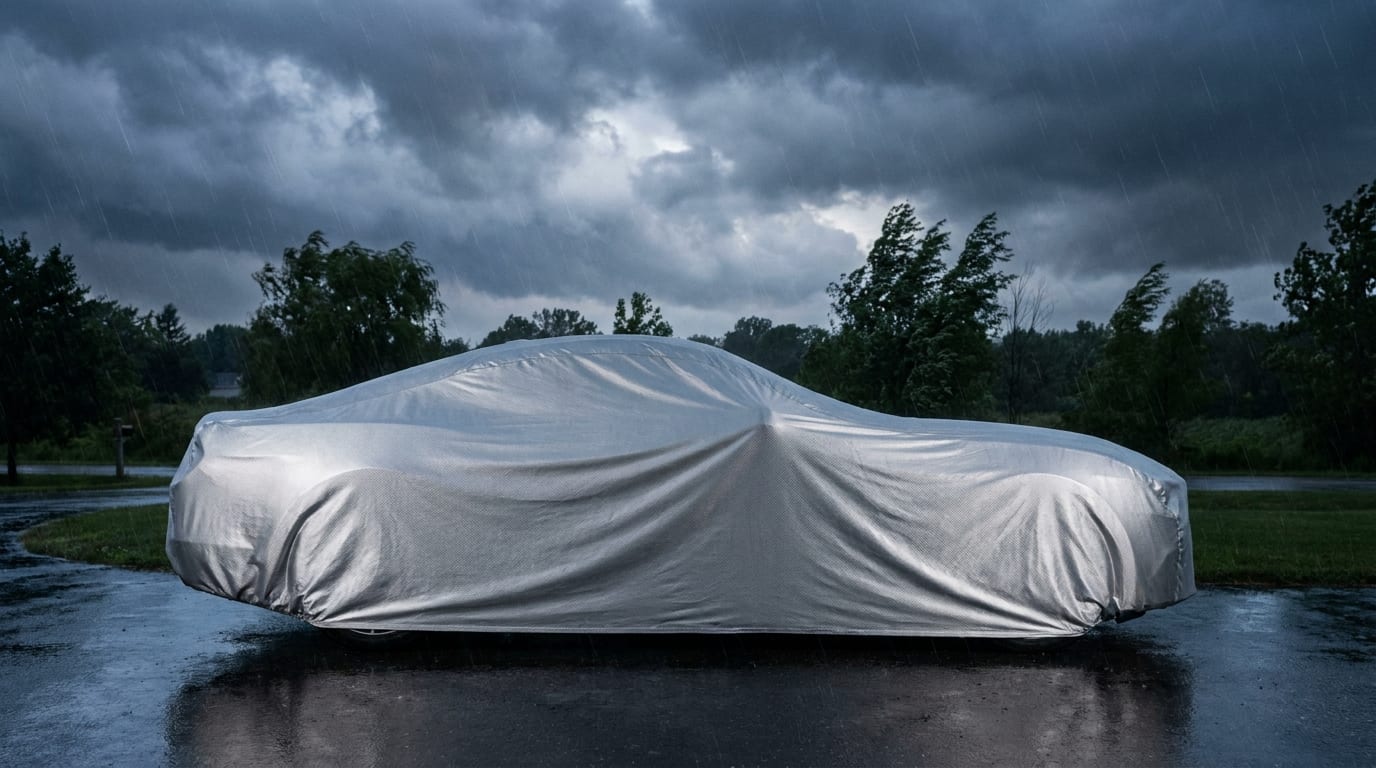
Volcanic ash is rare for most of us, but when it hits, it hits every parked car in the area at once. If you're wondering whether to just throw a cover on and wait it out, here's the short version.
Does a car cover protect against volcanic ash?
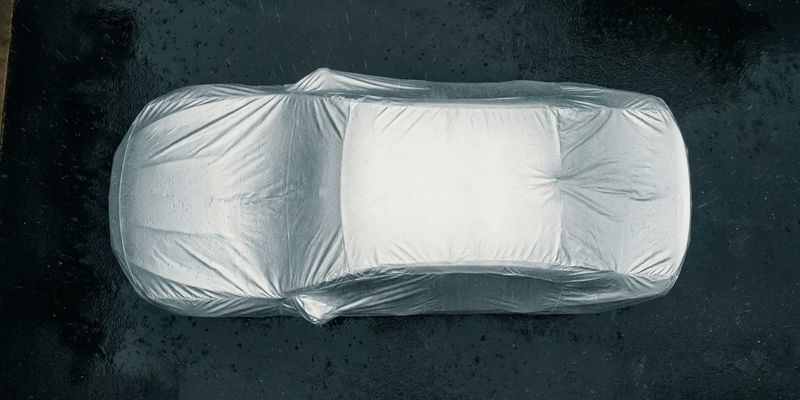
Yes. A properly fitted outdoor car cover keeps volcanic ash off your paint, glass, and trim, which matters because ash is abrasive and scratches surfaces when it's wiped away dry. That's the core benefit: the ash lands on removable fabric instead of your clear coat.
But there's a catch. The cover itself still collects ash and needs careful handling before you pull it off. And covers don't protect intake vents or air filters if ash is airborne while you're actually driving. So does a car cover protect against volcanic ash fully, start to finish? Mostly, for the parts that matter most, but not every vulnerable spot on the vehicle. The rest of this article walks through what ash does to a car, how it compares to hail, and how to manage a covered vehicle before, during, and after an ashfall event.
What does volcanic ash actually do to a car's exterior?

People hear "ash" and picture soft fireplace soot. Wrong picture. Volcanic ash is made of tiny shards of silica glass and rock, jagged at the microscopic level. Brush it off dry, or run a wiper blade through it, and you're essentially dragging sandpaper across your clear coat and windshield.
It gets worse with moisture. Ash mixed with morning dew or a light rain shower turns mildly acidic, and left sitting on paint or chrome, that combination can etch the finish or pit trim over time. This isn't instant damage, but it's cumulative, and it's the kind of thing that shows up as dull, hazy paint months later with no obvious single cause.
Ash also works its way into places a cover was never designed to protect, door seals, mirror housings, HVAC intakes. None of that is sealed by fabric draped over the body. So when people ask does a car cover protect against volcanic ash completely, the honest answer is that it handles the big flat surfaces exceptionally well and leaves the gaps for you to manage separately. That's really the whole job of a cover during ashfall: keep the particles off paint and glass, since those are the surfaces most at risk and the ones most expensive to fix.
Do car covers actually protect against hail?
Yes, but it depends entirely on the cover. A thin indoor dust cover or a stretchy budget cover won't absorb impact. It's just cloth. A padded, multi-layer outdoor cover is a different story. Those are built with cushioning specifically to reduce dent risk from small to moderate hail.
Worth separating the two threats clearly, because they're not the same problem. Hail is blunt force, a direct impact event. Ash is abrasive surface contact, more like friction damage than impact damage. A cover rated for one doesn't automatically handle the other well, though a heavier-duty outdoor cover tends to do a reasonable job against both since thickness helps with impact and coverage helps with grit.
Hail severity varies a lot by region, and some storms produce stones large enough to dent metal panels, not just chip paint. If you're in a hail-prone area and dealing with ash risk too, it's worth reading through the hail car cover buying guide and checking out the worst hailstorms in US history to get a sense of what you're actually protecting against.
What are the downsides of using a car cover during ashfall?
A cover isn't a silver bullet. A few real downsides:
- The cover traps ash on its own outer surface. Pull it off carelessly, fold it, shake it, and you can drag that same grit across your paint on the way off.
- Non-breathable covers trap moisture underneath. Combine that moisture with ash residue and you get the mildly acidic mix mentioned earlier, just concentrated against your paint instead of blown away by wind.
- A cover that doesn't fit well lets wind-driven ash sneak in at the edges, especially if the straps or grommets aren't actually secured.
- Cheap fabric wears out faster under repeated ash exposure if it isn't cleaned promptly after each event. The grit sits in the weave and acts like an abrasive every time the cover shifts in the wind.
None of this means skip the cover. It means treat the cover itself as something that needs the same care you'd give the car.
Is it better to cover the car or leave it uncovered during an ashfall?
Covered, every time, if ash is in the forecast and the car's going to sit for more than an hour or two.
With a cover, ash lands on fabric you can rinse, hose down, and wash. Uncovered, ash sits directly on clear coat and windshield glass, and any gust of wind or stray wiper swipe grinds it straight into the surface. A full-body cover also keeps ash out of weatherstripping and mirror housings in a way a partial tarp or windshield-only cover simply can't, since those gaps stay exposed either way with a partial solution.
If you already own an outdoor car cover, use it. If you don't and you're in a region where ashfall, dust storms, or hail are realistic risks, it's worth reading up on using a car cover outdoors before the next event catches you without one.
Does a car cover deter thieves?
A little, yes. An opaque cover hides the make, model, and interior, which takes away a lot of the visual appeal that draws in opportunistic thieves scanning a parking lot. If they can't tell it's worth breaking into, a lot of them move on.
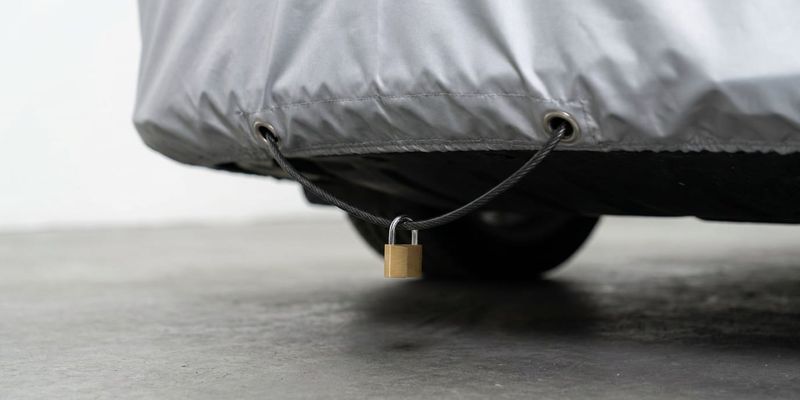
It won't stop someone determined, though. A cover isn't a lock, an alarm, or a steering wheel brace, and it shouldn't be treated as a replacement for any of those. Think of it as one small layer among several, not a security system.
How to handle a covered car before, during, and after volcanic ash

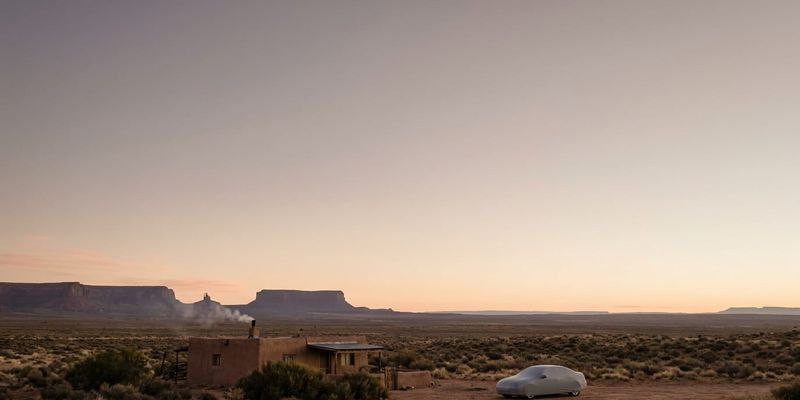
Before ashfall hits: Use a breathable, water-resistant outdoor cover with straps or grommets you've actually secured, not just draped loosely. Wind-blown ash finds every gap, so a snug fit matters more here than it does on a calm, dry day. A waterproof car cover built from a genuinely breathable waterproof fabric handles both the ash and whatever moisture shows up with it.
During active ashfall: Leave it alone. Don't uncover the car, don't drive it, if ash is still falling or kicking up in the wind. Every minute the cover stays sealed is a minute your paint isn't collecting grit.
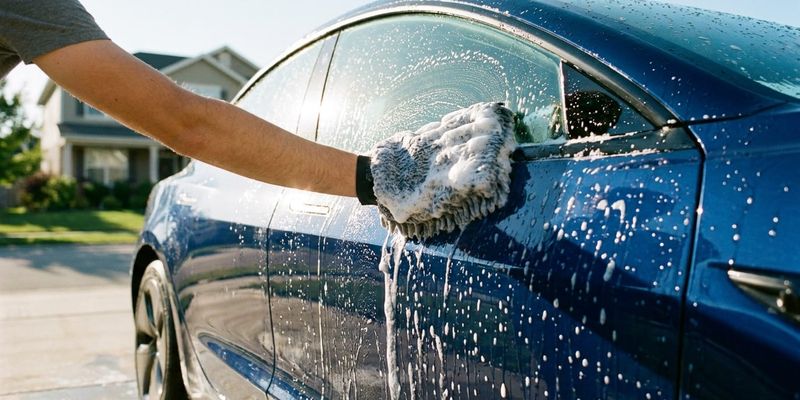
After it settles: Rinse the cover with plain water first to loosen the ash before you touch it. Hose it off gently. Don't shake it and don't brush it dry, that just grinds the silica into the fabric and, eventually, into your paint on the next use. If you drove through ashfall at any point, check the air filter and the cabin filter. Ash clogging the intake is one of the most commonly reported failure points after an ashfall event, and it's an easy thing to overlook. Our step-by-step guide to cleaning a car cover and the shorter cover care rundown both walk through the rinse-and-dry process in more detail.
Before you store or reinstall it: Make sure the cover is fully dry. Packing it away damp, especially with any ash residue still in the fibers, just traps gritty moisture against your paint the next time you use it. If you're new to covers in general, our simple installation guide covers getting the fit right so you're not fighting gaps and loose straps during the next event.
Protecting your vehicle before the next ashfall or storm
A good cover is your strongest first move against volcanic ash, but it's not a set-it-and-forget-it fix. It works because you pair it with prompt, careful cleaning, not because the fabric does all the work on its own.
If you're shopping for your first outdoor cover or upgrading from something thinner than it should be, take a look at what a quality cover actually protects against and match it to your climate. Ash today might be UV exposure next month or snow load next winter, so a cover that handles more than one threat tends to pay for itself over a single season, let alone several.
Want more seasonal car care tips like this? Stick around and explore the rest of our guides, there's always another storm season coming.