Does a Car Cover Protect Against Acid Rain? What Drivers Need to Know
Published
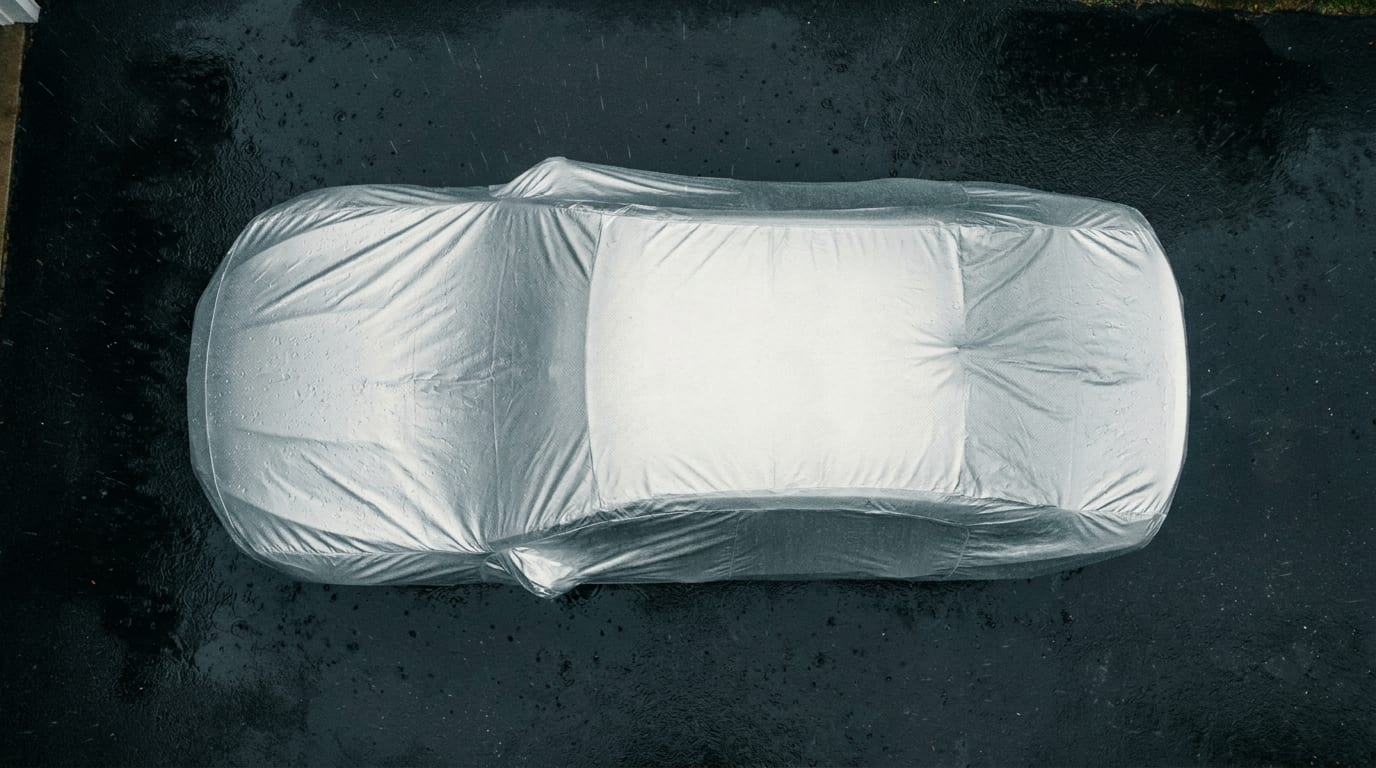
Does a car cover protect against acid rain? Yes, a genuinely waterproof cover creates a physical barrier that keeps acidic rainwater and airborne pollutants from sitting on your paint and clear coat long enough to do damage. The catch is that protection only holds up if the cover is actually waterproof, not just water-resistant, and fits the vehicle properly. A cover also stops future damage. It won't undo etching that's already there.
That distinction matters more than most people think. A lot of drivers buy a cover after they've already noticed cloudy spots or dull patches on the hood, expecting it to fix what's already happened. It won't. Think of it the same way you'd think of sunscreen: great at preventing a burn, useless for healing one you already got.
Does a Car Cover Protect Against Acid Rain?
So, does a car cover protect against acid rain in any meaningful way, or is this just marketing? It does, and the mechanism is simple. Rain, including the acidic kind, needs time and contact to etch into a clear coat. A cover that sheds water instead of absorbing it cuts that contact time down to almost nothing.
But not every cover does this well. Cheap, water-resistant fabrics let moisture soak through over time, which can actually trap acidic moisture against the paint instead of keeping it off. A properly rated waterproof car cover handles this differently, shedding water off the surface before it ever reaches the finish underneath.
This is prevention, not restoration. If your clear coat already has etching from years of exposure, a cover stops things from getting worse. It's not a polish, and it's not a fix.
Can Acid Rain Damage a Car?
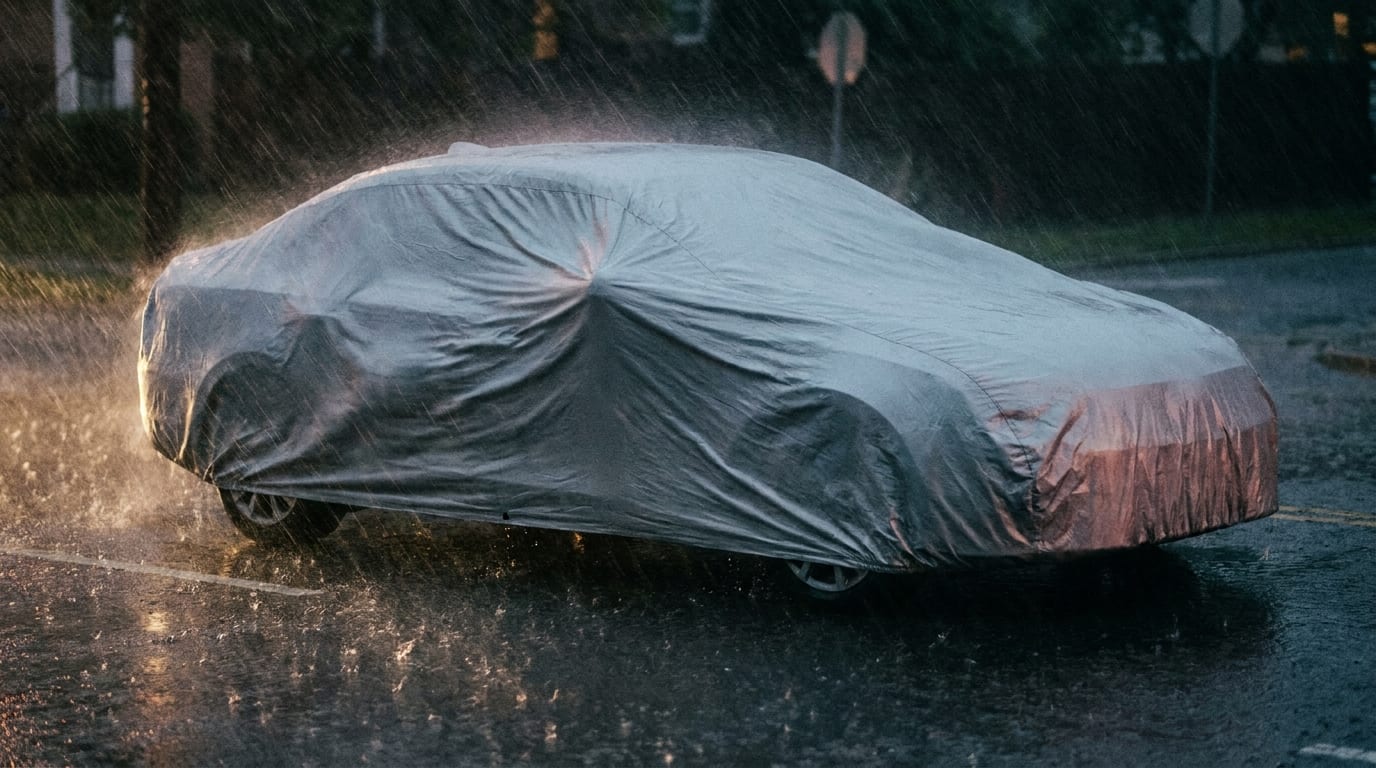
Yes. Acid rain forms when sulfur dioxide and nitrogen oxide emissions, mostly from vehicles and industrial activity, mix with moisture in the atmosphere and lower the pH of normal rainfall. Over repeated exposure, this can etch clear coat, dull or spot paint, leave cloudy patches, and corrode exposed metal trim. It's rarely one storm that ruins a finish. It's years of it.
A single downpour isn't going to strip your paint. What actually happens is slower and sneakier: each exposure leaves a microscopic trace, and those traces stack up. A car parked outside in an industrial or high-traffic area for a decade will show it, especially on horizontal surfaces like the hood and roof that catch the most rain and sun.
It's also worth saying that acid rain doesn't work alone. Bird droppings and tree sap are acidic too, and they tend to sit on paint even longer than rain does, since they don't wash away on their own. Combine all three and you've got a slow, cumulative assault on the clear coat that most owners don't notice until the damage is already visible.
How a Car Cover Actually Blocks Acid Rain Damage

Here's the mechanism in plain terms. A breathable, waterproof fabric sheds rain off the surface instead of letting it pool and sit. Less pooling means less contact time, and contact time is really what determines whether acidic moisture has a chance to etch into the clear coat.
Fit matters just as much as fabric. A loose or ill-fitting cover leaves gaps where rain can pool, or edges where water wicks underneath and sits against the paint anyway, which defeats the whole point. A snug, full-coverage cover closes that off.
There's a second layer to this too. Multi-layer, UV-resistant fabrics block sun exposure between rain events, and that matters because UV heat can bake residue into the clear coat before the next wash ever happens. A cover that only handles water but lets UV bake in the next round of grime isn't doing the full job.
If you're trying to understand how these fabrics are actually built, CarCovers' guide on waterproof fabrics breaks down the layering, and the guide to using a car cover outdoors covers how that construction holds up against rain, wind, and UV exposure together, which is really the combination you're dealing with if your car lives outside.
What Are the Downsides of Using Car Covers?
Covers aren't a perfect, zero-effort solution, and it's worth being honest about that. Putting one on and taking it off costs you a minute or two every time. A cheap or poorly sized cover can trap moisture or dust against the paint instead of keeping it off, which is the opposite of what you want. And the cover itself needs occasional cleaning, since dirt and residue build up on the outside layer over time.
Most of this comes down to picking the right product in the first place. A properly sized, breathable waterproof fabric won't trap moisture the way a generic one-size-fits-all tarp will, and a regular cleaning schedule keeps grime from working into the fabric. CarCovers has a step-by-step cleaning guide that covers exactly how often and how to do it without damaging the coating.
Weigh that minor hassle against the alternative. A few extra minutes of covering and uncovering is nothing compared to etched clear coat, a dulled hood, or a repaint bill. That's the actual trade-off, and it's not close.
How to Get Rid of Acid Rain Residue on a Car
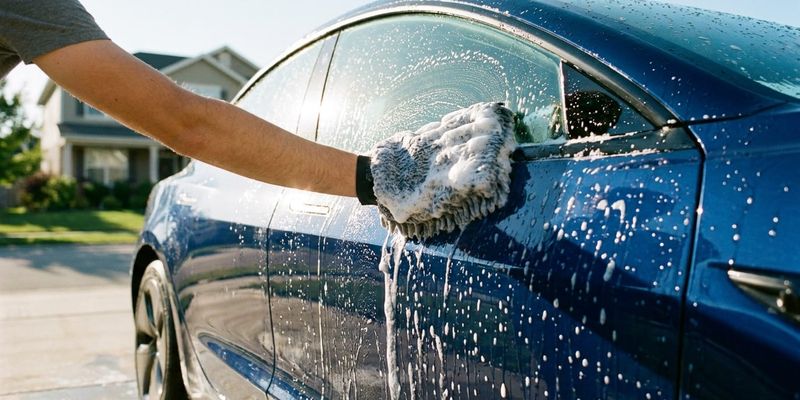
If acidic rain or sap has already left a mark, the fix is straightforward but time-sensitive. Wash the car with a pH-neutral soap as soon as you can. If residue is bonded to the surface, a clay bar will pull it off. Follow that with a sealant or wax to rebuild the protective layer the acid may have stripped away.
Timing matters here. Mineral deposits left to dry in direct sun bond harder to the clear coat and get progressively tougher to remove, which is exactly why limiting exposure time in the first place beats cleaning it up after the fact.
If the clear coat is already etched rather than just dirty, washing and waxing won't reverse it. That usually needs polishing or professional paint correction. A cover prevents this problem from happening. It doesn't undo it once it's there, which is the whole reason prevention is the cheaper path.
What Else Can Protect a Vehicle From Acid Rain?
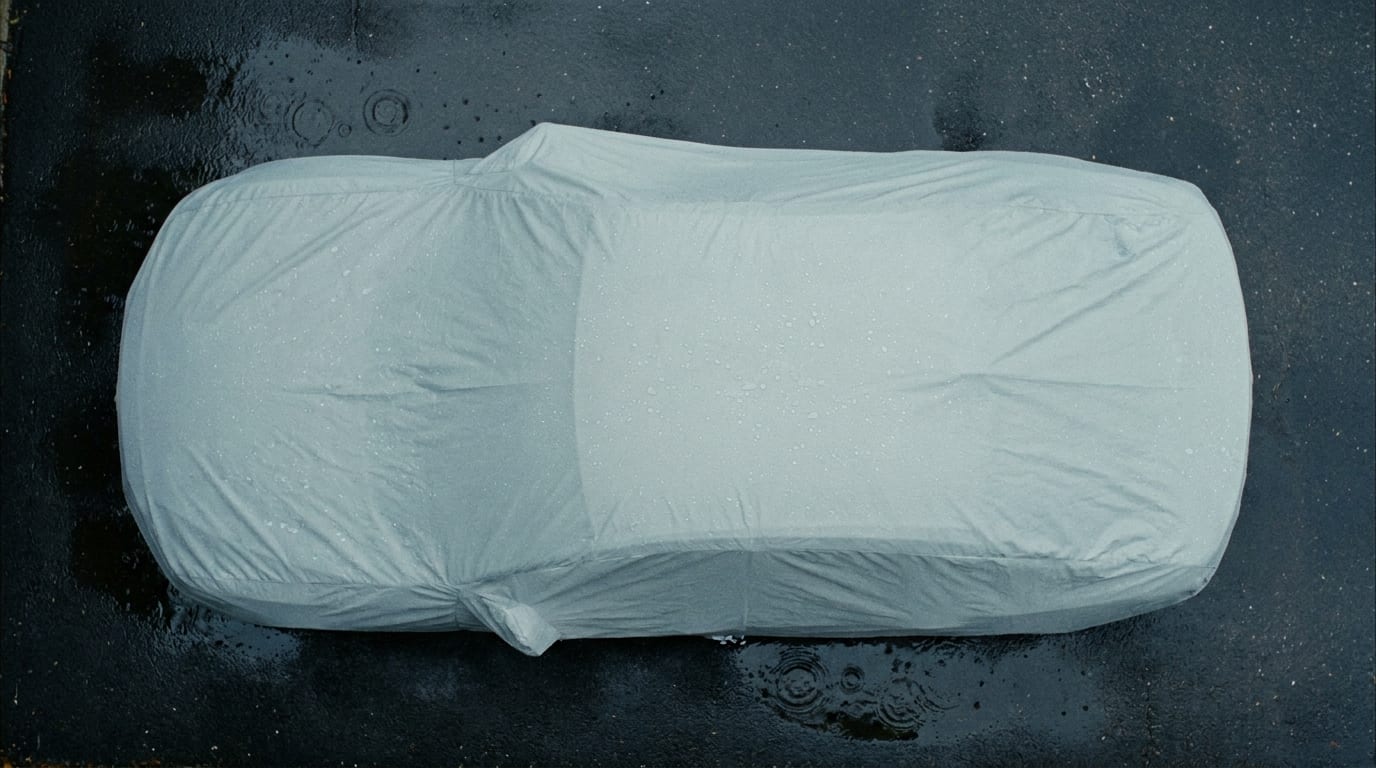
A cover isn't the only tool here. Covered or indoor parking keeps rain off entirely, routine washing removes residue before it has time to bond, and a well-maintained wax or sealant layer gives the paint its own chemical barrier against acidity.
Each has real limits, though. Garage or covered parking isn't available to everyone, especially in apartment living or street parking situations. And wax wears off within weeks, especially with regular rain exposure, while a physical cover barrier holds up for the life of the fabric.
The strongest setup combines them. A maintained wax or sealant layer plus a cover gives your paint two separate lines of defense instead of leaning on just one, and if one layer falls short on a given day, the other is still doing its job. For general upkeep that supports either approach, CarCovers' car care resources are a decent starting point.
Choosing a Cover Built for Rain and Weather Exposure
If you're shopping for a cover with acid rain specifically in mind, a few things actually matter. Look for fabric rated waterproof, not just water-resistant, since that distinction is the difference between blocking moisture and slowly absorbing it. Multiple layers add durability against repeated wet-dry cycles, and UV protection matters if the car sits outside most of the year, since sun exposure between storms is part of the damage cycle too.
CarCovers' guides on outdoor car covers and waterproof car covers walk through how fabric choice should match your actual climate and parking situation, rather than just grabbing whatever's cheapest on the shelf. And if you're deciding whether a cover is worth the investment at all, why buy a car cover lays out the broader case beyond just acid rain.
One honest opinion here: for daily outdoor parking in a region with real pollution or acid rain exposure, a custom-fit outdoor cover is going to protect more consistently than a wash-and-wax routine alone. Wax needs reapplying. A cover just sits there and does its job every day, rain or shine, which is really the point of owning one in the first place.
Worth a look too: CarCovers backs its covers with a lifetime warranty, so if you're investing in one specifically to fight weather damage, it's not a one-season purchase.
If you're still weighing your options or just want to keep learning about protecting your paint from the elements, it's worth poking around CarCovers' articles section for more seasonal care tips, or subscribing for future guides as they're published.
Frequently asked questions
How do you get rid of acid rain residue on a car?
Wash the car with a pH-neutral soap as soon as possible, use a clay bar on bonded residue, then apply a sealant or wax to rebuild protection. Deposits left to dry in the sun are harder to remove, and already-etched clear coat may need polishing or professional correction.