
How Do You Get Wrinkles Out of a New Car Cover? A Step-by-Step Fix
Published
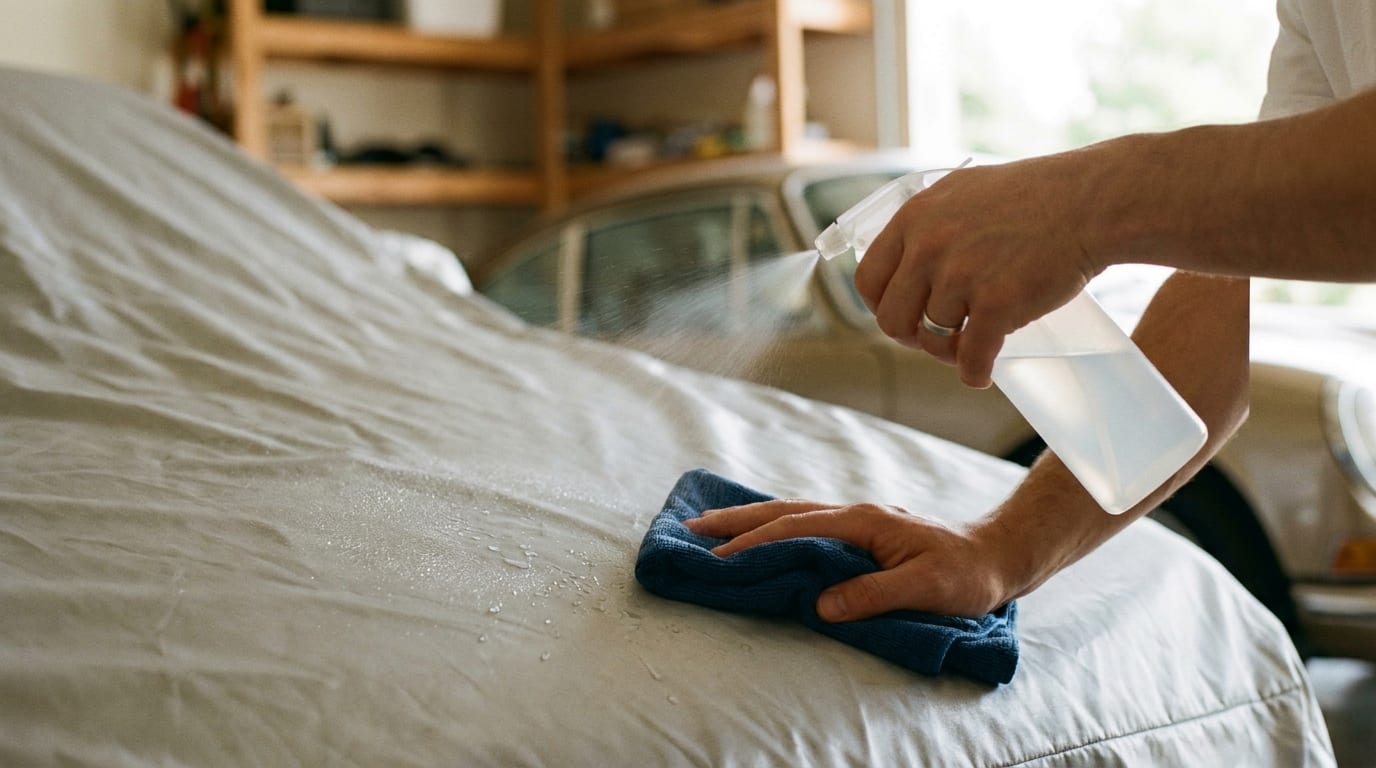
You unbox a new car cover, shake it out, and it looks like an accordion. Every fold line is stamped into the fabric like a crease in a dress shirt that sat in a suitcase too long. If you're wondering how do you get wrinkles out of a new car cover before you even put it on the vehicle, the short answer is: unfold it, give it time, and use gentle heat only if you have to. Here's the full process, plus why it happens in the first place.
Why Does a Brand-New Car Cover Have Wrinkles?
Covers don't ship loose. They get folded into a tight square or rolled into a tube and crammed into a box or bag, then they sit in a warehouse and a delivery truck for who knows how long before they land on your porch. That kind of pressure, held in one position for weeks or months, creases the fabric right along the fold lines. It's the same reason a map or a bedsheet pulled from packaging looks stiff and lined.
This isn't a defect. Whether your cover is polyester, polypropylene, or a multi-layer blend, shipping creases don't damage the material itself. The fibers aren't torn or weakened, they're just temporarily set into a shape. Wrinkles don't affect waterproofing, they don't affect UV protection, and they won't change how the cover fits your vehicle. Most people still want a smooth-looking cover before the first install though, and that's fair. A wrinkled cover just looks unfinished sitting on a clean car.
How to Get Wrinkles Out of a New Car Cover: Step-by-Step
Step 1: Unfold it completely. Don't try to smooth creases while the cover is still half-folded on your lap. Lay the whole thing flat, on a clean floor, a bed, or a large table. Give it room to breathe.
Step 2: Let it sit. A few hours, or overnight if you can spare the space. Once fabric isn't under fold pressure anymore, a surprising number of wrinkles relax on their own. This step alone solves it for a lot of covers.
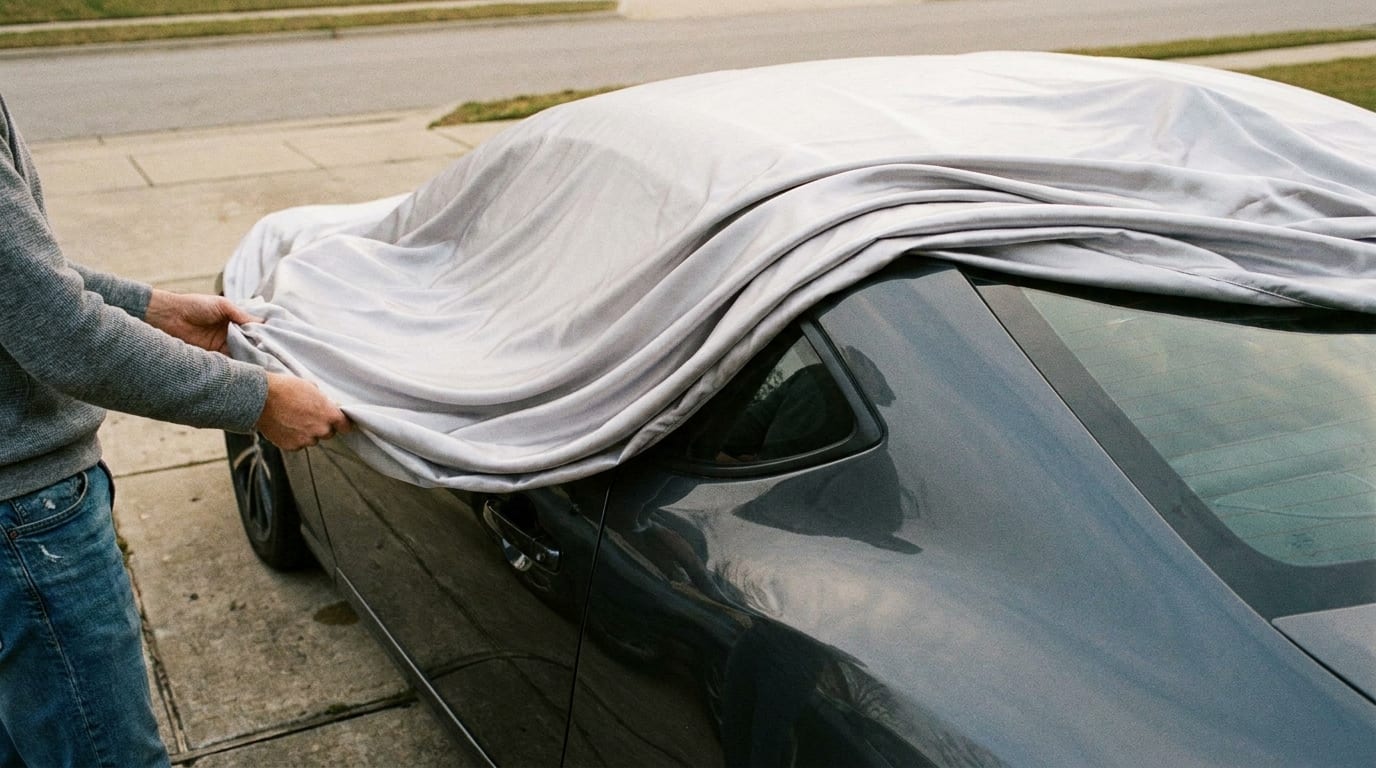
Step 3: Put it on the car. If creases are still visible, install the cover and smooth it by hand, working from the center out toward the edges. Gravity and the vehicle's own warmth do a lot of the work here. Most shallow wrinkles disappear within a day or two of normal use once the fabric is draped over curves instead of lying flat.
Step 4: Steam the stubborn spots. For creases that won't quit, hold a handheld garment steamer a few inches above the fabric, never touching it directly, and smooth with your free hand as you go. The steam relaxes the fibers without soaking the material.
Step 5: Check the care tag before any heat. Some lightweight or indoor satin covers can handle a few minutes in the dryer on no-heat or low-heat tumble. Heavier outdoor and multi-layer covers should never go in a dryer. Check this before you do anything, because the tag knows what your cover is made of better than a guess does.
Step 6: Never iron it. Full stop. Direct heat from an iron is hot enough to melt or warp the waterproof coating or UV layer on most covers, and that damage is permanent in a way shipping wrinkles never are.
Using Heat Safely Without Damaging the Fabric
Heat is the one real risk in this whole process. Coated and laminated fabrics rely on a membrane or finish to block water and UV rays, and too much heat can break that layer down even if the fabric underneath looks fine. A melted coating doesn't always look melted. Sometimes it just stops doing its job.
So before you steam or tumble the whole cover, test on a small, hidden section first, like the hem or a corner seam. If the fabric feels fine and the finish isn't tacky or discolored, go ahead with the rest.
If you'd rather skip heat tools altogether, sunlight works. Drape the cover over the car on a warm day and let it sit. The ambient warmth relaxes wrinkles gradually, with zero risk of overdoing it. It's slower than a steamer, but it's the safest option by a wide margin, especially if you're not sure what your cover's coating can tolerate.
Let the Cover "Break In" on the Vehicle
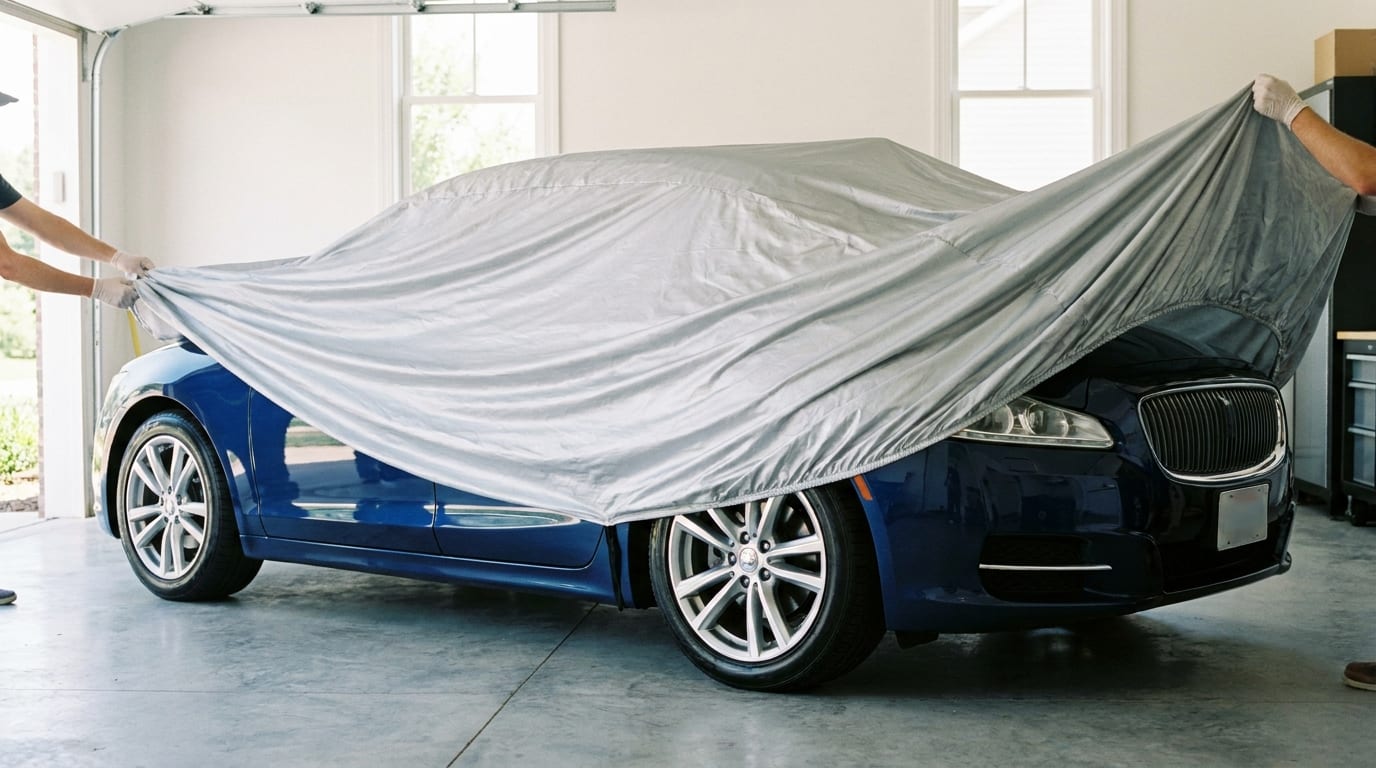
Most wrinkles that survive the first few steps don't survive the first few uses. Once a cover is fitted, strapped down, and shaped around the vehicle's actual contours day after day, the fabric starts to hold that shape instead of the shipping fold.
Help it along on that first install. Secure the straps and grommets snugly, not loose. A snug fit stretches the fabric evenly across the body panels, so it settles into the car's shape instead of forming new crease patterns where it sags. If you need a refresher on strap and grommet placement, the installation guide for car covers walks through it step by step.
One honest note here: a loose universal cover takes longer to break in than a cover cut to your vehicle's exact dimensions. Excess fabric has nowhere to go but into folds and bunches, and those turn into new wrinkles even after the shipping creases are long gone. A custom-fit car cover has less slack to begin with, so there's simply less material available to crease.
Prevent New Wrinkles From Forming Going Forward
The way you store the cover between uses matters more than people think. Folding it back into the same sharp square it shipped in just reintroduces the problem you spent an hour fixing. Roll it loosely instead. A loose roll doesn't create hard crease lines the way a folded square does.
A storage bag or bin also helps, mostly by keeping the cover from getting crushed under other garage items. Tool boxes, bikes, and stacked totes have a way of ending up on top of a car cover left on a shelf, and that kind of pressure over weeks works the same way shipping pressure does.
Clean fabric also resists wrinkling better than dirty fabric. Dirt and grime work into the fibers and make them stiffer, which means creases set in harder and relax less on their own. A periodic wash keeps the material supple. If you need the process, there's a full step-by-step guide to cleaning a car cover and a shorter version at cover care basics.
When Wrinkling Points to a Fit Problem, Not Just Packaging
There's a difference between a shipping crease and a fit problem, and it's worth knowing which one you're looking at. Shipping creases are straight fold lines that fade with time, heat, or use. They show up once and then they're gone.
A cover that's too big for the car wrinkles differently. Look for fabric pooling loosely around the bumpers, material flapping or shifting in wind, or wrinkles that reappear in the same spots every single time you smooth them out, even weeks after install. That's not a packaging issue. That's excess fabric with nowhere to sit, and no amount of steaming fixes it permanently.
If that's what you're seeing, the fix isn't more effort on the current cover, it's the right size for the next one. Check your fit against the vehicle's exact year, make, and model rather than assuming a one-size-fits-most cover will lie flat. The vehicle cover sizing guide breaks down what to measure, and CoverFinder will match you to the right option in a couple clicks.
Get a Cover That Fits Right From the Start
The quick version: unfold it, let it relax for a few hours, smooth it on the car, reach for gentle heat only if the creases are stubborn, and keep the iron nowhere near it. Most covers look noticeably better within a day or two of normal use, no extra effort required.
But if you're fighting the same wrinkles over and over after smoothing them out, that's usually a sizing issue rather than a packaging one. A cover built for your vehicle's actual dimensions has less loose fabric to begin with, so it wrinkles less now and holds its shape better over time. Worth checking before you assume every cover behaves this way.
If you're still deciding which cover to buy, browse why a car cover is worth using and poke around the rest of our car care resources while you're at it. Find the right fit, and this is a problem you'll barely think about again.






