


How Long Do Car Covers Last? A Realistic Lifespan Guide
How long do car covers last? Most last somewhere between 2 and 10 years, depending on material quality, whether your vehicle sits indoors or outdoors, how harsh your climate is, and how consistently you clean and care for the thing. Budget universal covers wear out fastest. Custom-fit, multi-layer covers built for outdoor abuse last the longest.
That range is wide on purpose. It's not a guarantee, it's a starting point. A cheap cover baked by desert sun for three summers straight won't make it to year two, while a premium cover on a garage-kept weekend car could still be doing its job a decade from now. The rest of this guide breaks down exactly which variables push a cover toward either end, so you know what you're actually working with.
What Factors Determine a Car Cover's Lifespan?
Material and layer count matter more than almost anything else. A thin single-layer fabric is going to break down faster than a breathable multi-layer cover or a heavier vinyl shell built for outdoor duty. If you're not sure which material fits your situation, our breakdown of the best car cover materials goes into the tradeoffs in more depth.
Climate exposure is the second big one. UV intensity, humidity, coastal salt air, and freeze-thaw cycles all chew through fabric at different rates. A car cover baking under Arizona sun year-round is fighting a different battle than one used occasionally in a mild coastal climate, even if both covers came off the same shelf.
Then there's how often you're putting it on and taking it off. A cover that gets thrown on daily and yanked off every morning sees far more friction and stress than one left in place for a whole winter of storage. Fit plays into this too: a loose or oversized cover flaps in the wind, and that flapping abrades both the paint underneath and the cover itself. It's one of the most overlooked causes of early wear. Getting the right size car cover for your vehicle instead of grabbing a generic "one-size-fits-most" option solves a surprising amount of this before it starts.
Maintenance rounds it out. Dirt, tree sap, and grit left to sit and grind into the fabric will wear it down faster than the weather ever could. If you're still deciding whether a cover is worth the hassle at all, why you should buy a car cover covers the case for it, but assuming you're past that question, care habits are what separate a two-year cover from a seven-year one.
How Long Do Different Cover Materials Last?
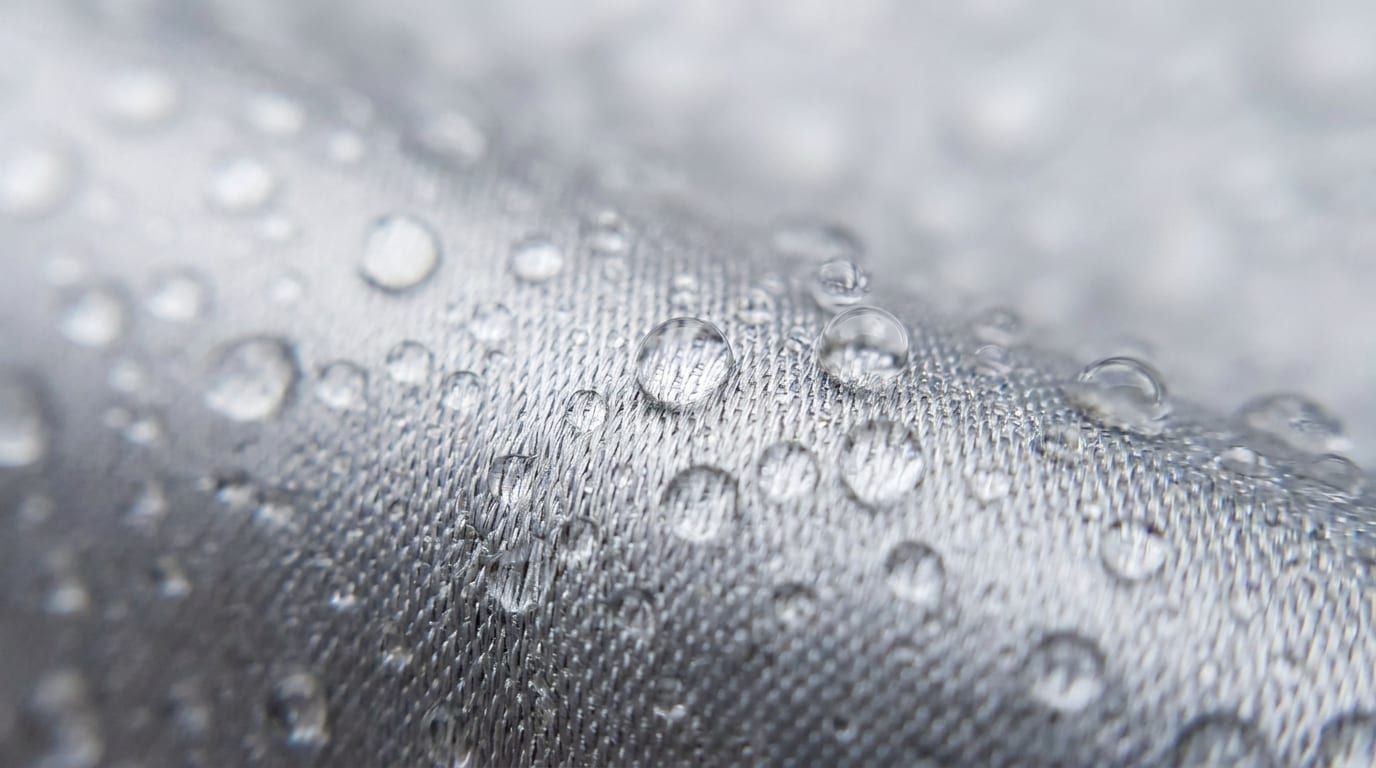
Not all materials age the same way, and the gap between the cheapest and most durable options is bigger than most people expect.
Basic single-layer or plastic/disposable covers
- Typical lifespan: under 1 to 2 years with regular outdoor use
- Why: thin construction breaks down fast under UV and abrasion, with little resistance to repeated wind flap
Mid-tier breathable multi-layer outdoor covers
- Typical lifespan: 3 to 5 years with proper care
- Why: added layers and better-woven fabric resist moisture and UV better, though coatings still degrade over time
Premium custom-fit outdoor covers with reinforced seams and UV-resistant coatings
- Typical lifespan: often 5 to 10+ years
- Why: heavier-duty fabric, better stitching, and coatings designed specifically to hold up against sun and rain cycle after cycle
Indoor-only satin or fleece-lined covers
- Typical lifespan: a decade or more
- Why: no UV, no rain, no wind. Wear comes almost entirely from friction and dust rather than weather breakdown
If you're trying to figure out which category actually applies to your car, the full material-by-material comparison is worth reading before you buy. And if your vehicle spends its life in a garage rather than a driveway, an indoor car cover built for that environment is going to outlast almost anything designed for outdoor use.
Does Indoor vs. Outdoor Storage Change How Long a Cover Lasts?
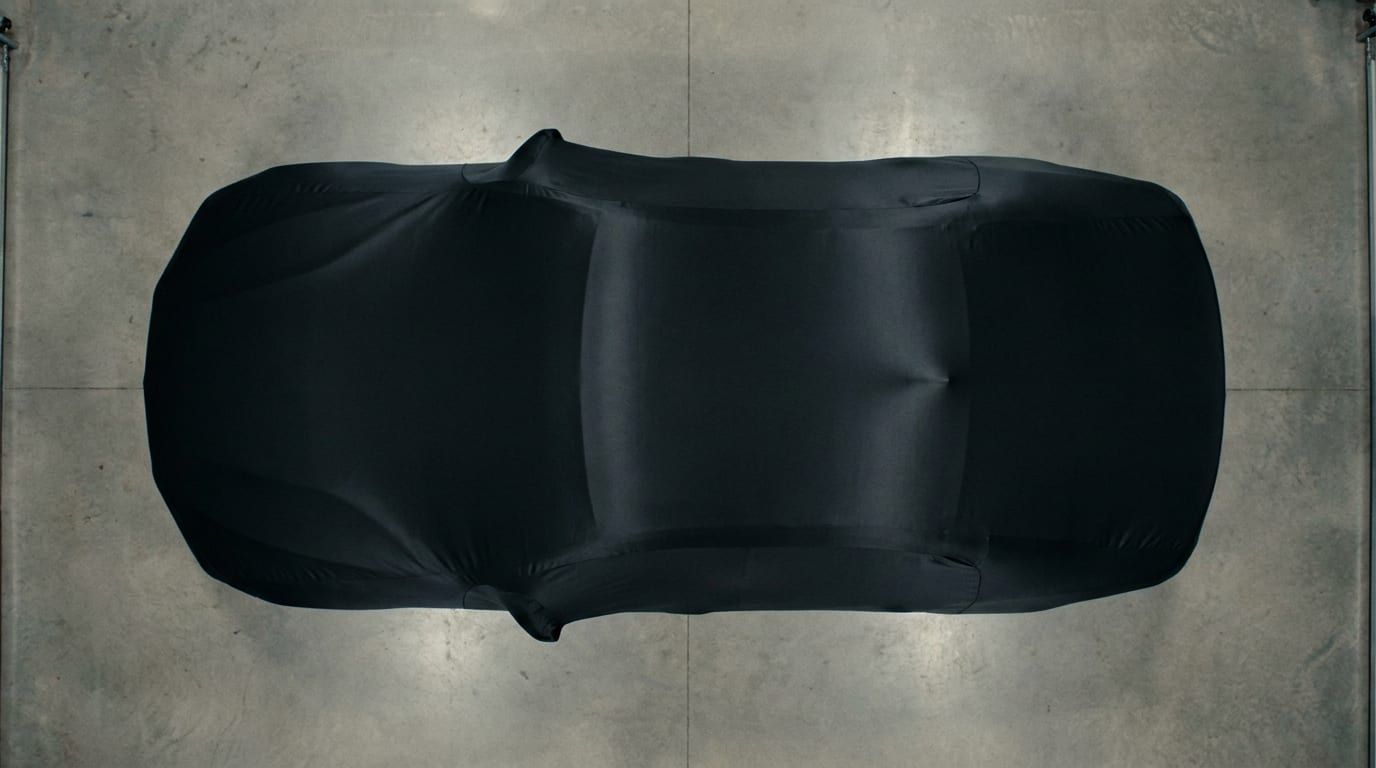
Yes, and it's arguably the single biggest variable in this whole conversation.
Indoor storage
- Main stress: friction and dust, not weather
- What breaks down first: almost nothing, unless the fit is wrong or it's dragged on and off roughly
- Realistic lifespan impact: covers routinely last 8 to 10+ years
Outdoor storage
- Main stress: UV, rain, snow, wind, sometimes salt air
- What breaks down first: water-repellent coatings and fabric fibers, which degrade steadily with every exposure cycle
- Realistic lifespan impact: covers in harsh climates may need replacing in 2 to 4 years, while milder climates stretch that closer to 5 to 8
A vehicle parked outdoors year-round in a harsh climate is going to chew through a cover much faster than one that only gets covered for occasional overnight parking. That's not a flaw in the product, it's just physics. Sun and moisture do real damage over time, and no fabric is immune to it forever.
This is really the core of the whole question. Matching the cover type to how and where you actually store your vehicle extends usable life more than any single product feature you could shop for. A waterproof outdoor cover built for rain and UV exposure will hold up far longer in a driveway than a cover designed for indoor use ever would, and vice versa: an indoor cover used outside will fail fast, no matter how well it's made.
What Are the Signs a Car Cover Needs Replacing?
You don't need to guess when a cover is done. There are a handful of tells.
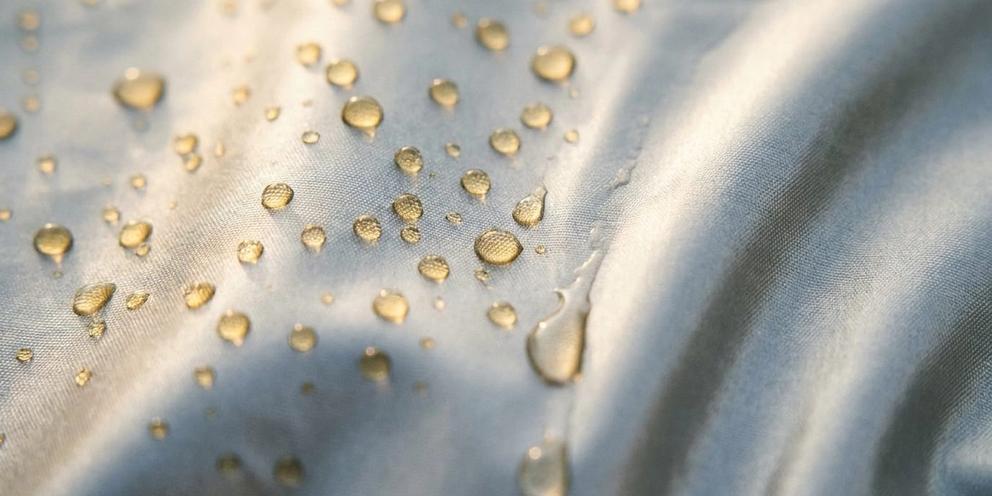
- Water no longer beads on the surface. It soaks in instead, which means the water-repellent coating has broken down.
- The fabric looks faded, feels chalky, or has gone stiff and brittle. That's UV breakdown, and it doesn't reverse.
- Rips, frayed seams, or elastic hems that no longer hold shape. Once the elastic goes, the fit goes with it.
- A mildew smell or staining that won't come out no matter how you wash it. If regular cleaning isn't fixing it, the fabric itself has absorbed the problem.
- Dust or moisture trapped between the cover and the paint after you take it off. A healthy cover should leave the paint dry and clean underneath, not damp or grimy.
Honestly, the water-beading test is the fastest one to check and the one people skip. If water's soaking through instead of rolling off, the cover has already stopped doing its main job, whatever else it looks like on the outside.
How Can You Extend the Life of a Car Cover?
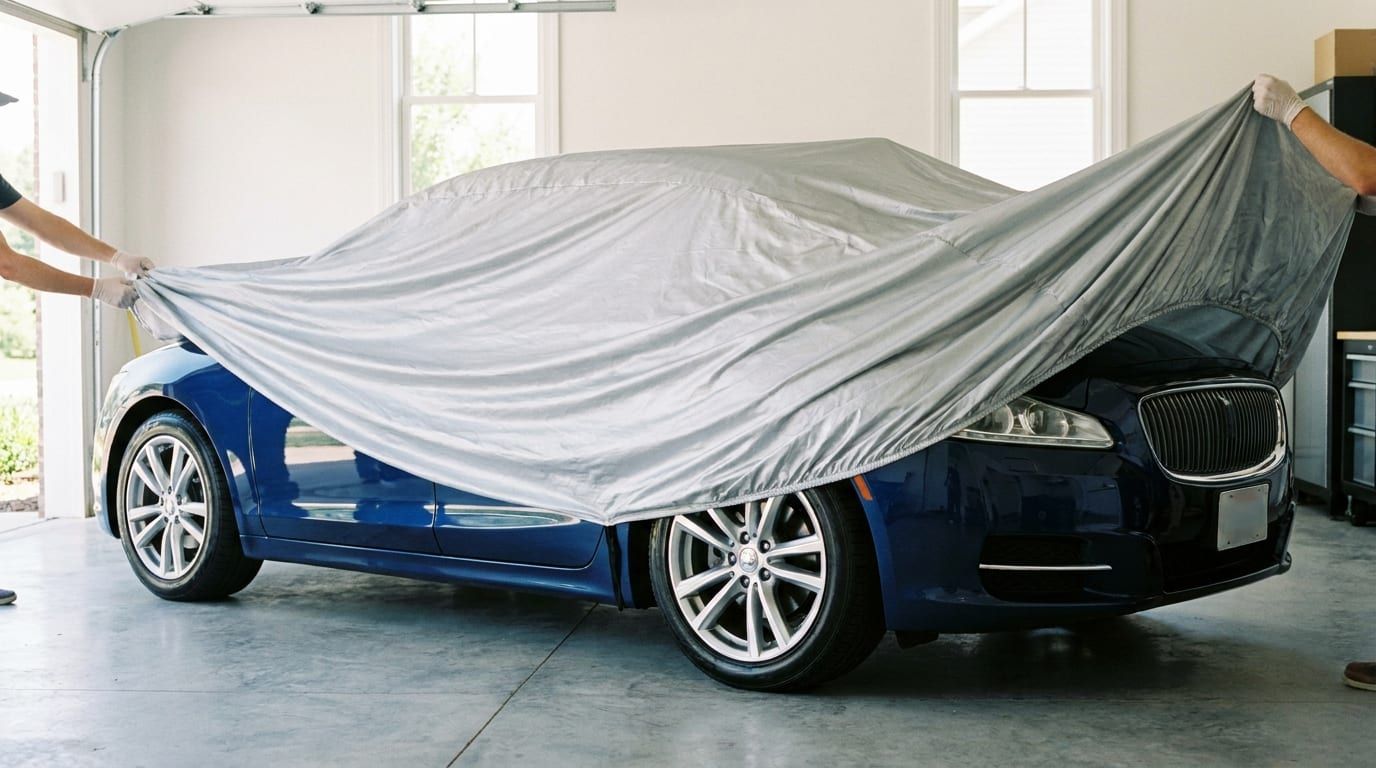
Most of this comes down to habits, not gear.
- Wash the cover on the schedule recommended for its specific material instead of letting dirt and grit build up and grind into the fibers every time you put it on.
- Make sure both the car and the cover are fully dry before covering. Trapped moisture under a cover is basically a mildew incubator.
- Use straps, cable locks, or grommets so wind can't get under the edges and flap the cover around. That flapping motion is one of the fastest ways to wear through fabric.
- Store the cover in its bag when it's not on the car. Leaving it balled up on the garage floor invites dirt, moisture, and unnecessary creasing.
- Start with a properly sized or custom-fit cover. A size finder tool takes the guesswork out of this, and getting the fit right from the beginning does more for lifespan than any other single decision you'll make.
That last point is worth repeating: fit problems make every other kind of wear worse. Loose fabric flaps, flapping abrades, abrasion opens seams, and open seams let water in. It's a chain reaction that starts with one wrong choice at checkout.
Does a Car Cover Warranty Account for Normal Wear?
Not usually, and this trips people up. Warranties are built to cover manufacturing defects, things like a seam that fails right out of the box or stitching that was faulty from day one. They're not designed to replace a cover that's simply worn out from years of sun and weather. That kind of gradual breakdown is expected, not a defect.
That said, a longer or lifetime warranty still tells you something real. A manufacturer willing to stand behind a product for years is signaling real confidence in the material, even if the warranty itself won't cover normal aging. Before you assume you're covered for a full replacement, it's worth reading the specific warranty terms or checking what a lifetime warranty on a car cover actually promises, since the fine print varies more than people expect.
Get a Cover Built to Last Longer
Lifespan really does come down to four things: material, fit, climate exposure, and how well you maintain it. None of it is luck. A cheap, ill-fitting cover left outside in a harsh climate will fail early no matter what you do. A well-matched, properly cared-for cover can outlast that by years.
If you're shopping for a replacement, it's worth taking a few minutes to match the cover to your actual storage conditions before you buy, rather than guessing and hoping. And if you're dealing with heavy rain, snow, or intense sun, it's worth reading up on waterproof and outdoor-rated options built specifically for that kind of exposure. Stick around the blog for more guides like this one if you want to get the buying decision right the first time.
Updated