


How Much Does a Good Car Cover Cost? Price Ranges Explained
A good car cover typically costs $50 to $300 or more, and most people looking for real protection end up spending somewhere between $100 and $200. Where you land in that range comes down to three things: material quality, how closely the cover fits your vehicle, and how much weatherproofing it's built to handle. So how much does a good car cover cost for your specific situation? That depends on what you're protecting it from and where it lives. Below, we break down exactly what you're paying for at each price tier.
How Much Does a Good Car Cover Cost?
The short version: $50 to $300+, with the sweet spot for most drivers landing at $100 to $200. That range buys a cover with decent fabric, a reasonable fit, and enough weather resistance to survive a season outside without falling apart.
The price swings mostly on three levers. Material quality is the big one, since a thin single-layer fabric costs a fraction of what a breathable, multi-layer, UV-treated one does. Fit type matters too. Universal, semi-custom, and custom-fit covers all serve different needs and price points. And weatherproofing level, whether you need light dust protection or full sun-and-storm armor, changes the math fast.
The rest of this article walks through what you actually get at each price point, so you're not guessing when you check out.
What Affects the Price of a Car Cover?
Material is where most of the cost lives. Basic polyester or knit fabric is cheap to produce and fine for short-term, indoor, or occasional use. Multi-layer fabrics that breathe, block UV rays, and resist water cost more because they're doing more work, and that shows up on the price tag.
Fit type is the second big driver. A universal cover is cut to fit a broad size range loosely, which keeps costs down but sacrifices precision. Semi-custom covers narrow that fit to your vehicle's body style and size class. Custom-fit covers are patterned to your exact make, model, and year, and that precision costs more to manufacture, which is reflected in the price.
Vehicle size plays a role too. A cover for a full-size SUV or truck simply requires more fabric than one for a compact sedan, so expect to pay more just because there's more vehicle to cover. If you're not sure what size category your vehicle falls into, it's worth checking a sizing guide for your specific vehicle before comparing prices, since an undersized cover won't protect much no matter how cheap it was.
Then there are the extras that push price up: reflective UV lining, taped seams for waterproof protection, built-in straps that keep the cover from blowing off, cable-and-lock anti-theft systems, and storage bags. None of these are required, but they all add cost, and knowing which ones you actually need keeps you from overpaying for features you'll never use.
How Much Do Universal, Semi-Custom, and Custom-Fit Covers Cost?
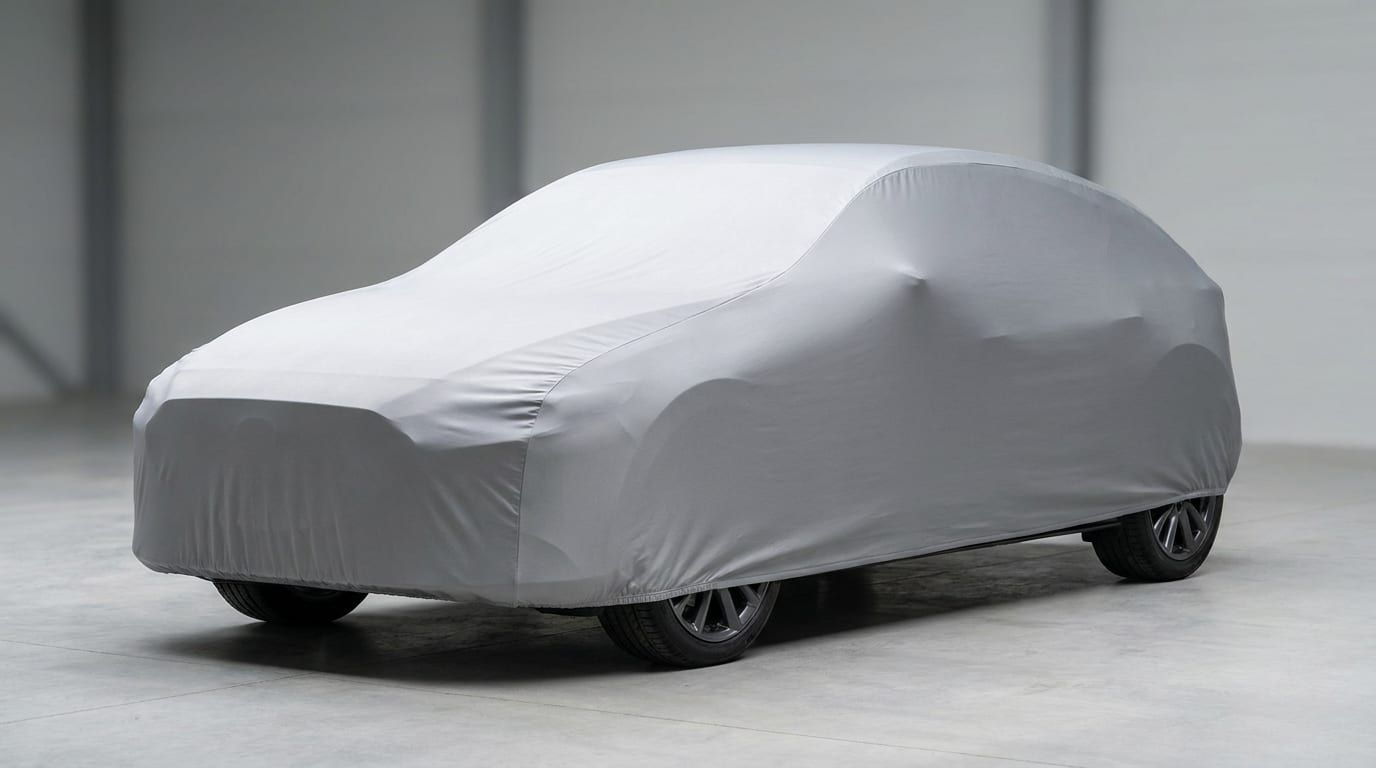
Universal covers run roughly $30 to $80. They're built to stretch across a size range rather than one specific vehicle, so the fit is loose. That's fine for short-term storage or a quick shield from sap and dust, but a loose cover flaps in the wind and that flapping is exactly what scuffs paint over time.
Semi-custom covers land in the $80 to $150 range. They're cut closer to your vehicle's body style and size class, which means less excess fabric, less flapping, and better resistance to wind and water than a universal cover offers at a similar price.
Custom-fit covers cost $150 to $300 or more. These are patterned to your exact vehicle, and the snug fit is the whole point: less material moving around means less friction against your paint, better protection at the mirrors and trim, and usually access to the more premium fabric options a brand offers. If you want to see exactly what changes when a cover goes from semi-custom to custom, our custom-fit car covers guide breaks down the fit differences in more detail.
Here's the honest take: if your vehicle sits outside for months at a time, the jump from universal to custom is worth the extra money. If it's a weekend cover for a garage-kept car, semi-custom is probably enough.
Indoor vs Outdoor Car Covers: Which Costs More?
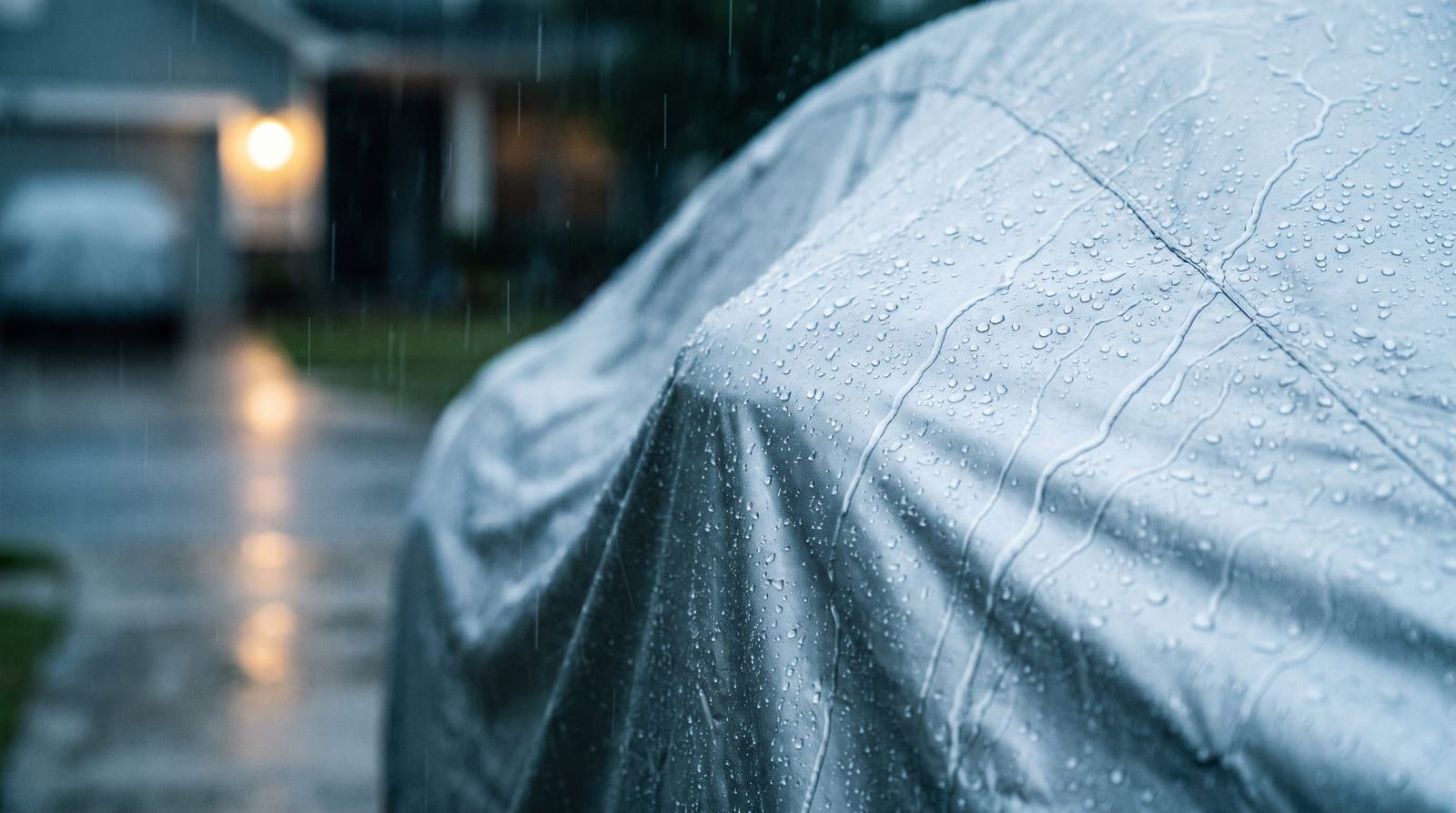
Outdoor covers cost more on average, and for a good reason. They need waterproofing, UV resistance, and reinforced seams to survive sun, rain, and wind day after day. That's a lot more engineering than a cover that just needs to look nice and stay dust-free in a garage.
Indoor covers, things like satin or fleece-lined options, are often cheaper on the fabric side. They're priced for softness and light dust protection, not for standing up to weather, so the manufacturing cost is lower even though the finish can feel more premium to the touch.
Here's where people waste money though: buying the wrong type for where the car actually lives. An indoor car cover left outside will degrade fast, soaking up moisture and breaking down within a season or two. Flip it around and you get the same waste in reverse, paying for heavy-duty outdoor weatherproofing on a car that never leaves the garage. Match the cover to the storage situation first. Price comparisons only make sense once you've done that.
Is It Worth Paying More for a Car Cover?
Usually, yes. A cheap universal cover can end up costing more over time than a pricier, well-fitted one. Poor fit means wind flapping, and wind flapping means scratched paint, worn seams, and a cover that needs replacing well before it should. You save $40 up front and pay for a paint correction later. That's not a good trade.
A cover that actually fits protects the paint, the seals, and the trim, and that protection can offset detailing or repair costs down the road. It's not just about the sticker price sitting in your cart.
Warranty coverage is part of that value math too, and it's easy to overlook. A cover priced at $200 with no real warranty behind it is a worse deal than one priced the same with a policy that actually stands behind the product. CarCovers backs its covers with a lifetime warranty, which is the kind of policy worth looking for when you're weighing price against how long a cover needs to last. If you're still deciding whether a cover is worth adding to your vehicle at all, our piece on why a car cover matters lays out the case in plain terms.
How Do I Know I'm Getting a Good Value Car Cover?
Run through this before you buy, not after:
Fit and location. Confirm the fit type (universal, semi-custom, or custom) actually matches your vehicle, and confirm it's rated for where you're storing it, indoor or outdoor.
Breathability. Check that the fabric breathes. A cover that traps moisture against your paint can do more damage than no cover at all.
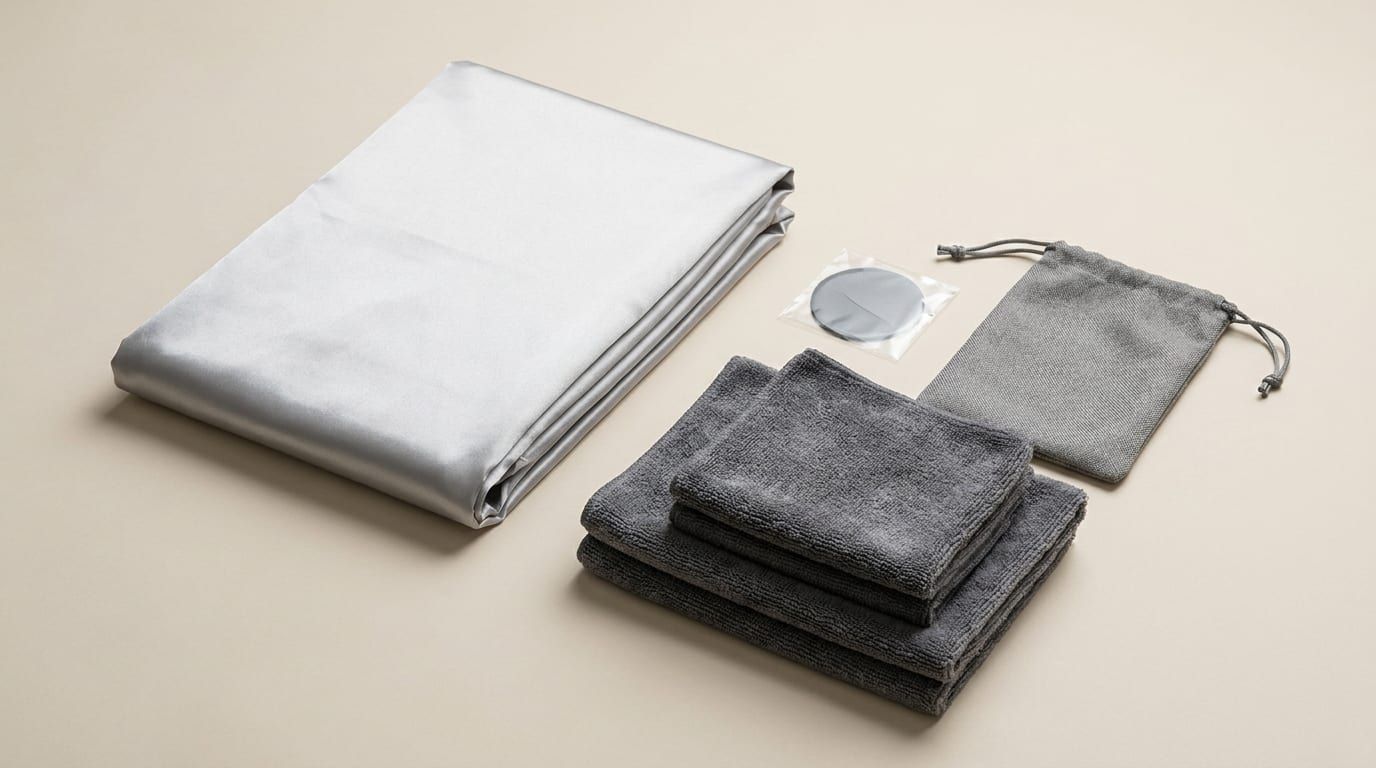
What's included. Straps, a cable-and-lock system, a storage bag, a care kit, these are sometimes bundled and sometimes sold separately. Know which before you compare prices, because two covers at the same price point aren't equal if one includes straps and the other doesn't.
Warranty and returns. Look for a real warranty and a clear return policy. A low price with no backup plan is a gamble, not a deal.
Before you settle on a number, it's worth checking your instinct against the market. The top-rated car covers page and the car cover comparison guide both give you a way to sanity-check whether a price is actually competitive for what you're getting, or whether you're paying for a brand name and nothing else. And if you want a shortcut, the CoverFinder tool matches your vehicle and storage conditions to specific cover options, which takes a lot of the guesswork out of comparing prices apples to apples.
Find the Right Car Cover for Your Budget
Pick fit and weather protection first. Price comparisons only mean something once those two boxes are checked, otherwise you're just comparing numbers with no context behind them.
If you're still narrowing things down, it's worth spending a few minutes matching your vehicle, your storage conditions, and your budget to an actual option rather than guessing from a price tag alone. And if you want to keep researching before you buy, whether that's fit, waterproofing, or protection against hail, there's a full library of buying guides worth browsing before you make the call.
Updated