Articles Seasonal & Weather Car Care Tips
How To Get Your Car Ready For Summer: A 7-Step Checklist
Published Updated
Getting your car ready for summer means checking seven things before the heat sets in: tires, fluids, battery, cooling system, air conditioning, exterior/interior sun protection, and an emergency kit for road trips. Do this in late spring, before temperatures climb into the 90s, and you'll avoid most of the breakdowns that send people to the shop in July and August.
If you're like many people in San Ramon, you've been ready for summer for a long time — sunglasses and swimsuits dug out of the closet weeks ago. Your car doesn't get that kind of advance planning, but it works just as hard once the heat arrives. Routine seasonal maintenance catches small problems — a worn belt, a low fluid level, a weak battery cell — before they turn into a roadside breakdown in 100-degree weather.
Below is a practical rundown of what to check, why it matters more in summer than any other season, and a few answers to the questions people ask most often once they start this process.
The 7-Step Summer Car Prep Checklist
- Check tire pressure and tread
- Check coolant, oil, and other fluid levels
- Inspect the battery and cooling system
- Test the air conditioning
- Protect paint and interior from sun damage
- Pack a summer emergency kit
- Have a shop inspect belts, hoses, and transmission fluid
Visit your San Ramon auto repair shop to have your car's belts, hoses, battery, coolant, and transmission fluid inspected and changed if necessary — step 7 above is worth doing even if you handle the rest yourself.
Check Your Tires for Summer Driving
Heat changes tire pressure. For every 10-degree rise in outside temperature, pressure inside the tire goes up a pound or two, and a tire that was properly inflated in March can read over spec by July. Overinflated tires wear unevenly in the center of the tread and reduce the tire's grip on hot pavement. Underinflated tires run hotter still, which is the more dangerous failure mode — heat buildup inside a soft tire is a leading cause of summer blowouts on highway trips.
Check pressure cold, before you've driven more than a mile or two, and compare it to the number on the sticker inside your driver's door jamb — not the number molded into the tire sidewall, which is the tire's maximum, not the recommended setting.
Tread matters too. Use a tread depth gauge, or simply insert a quarter into the groove — if the top of Washington's head is visible, the tread is getting shallow and the tire won't clear water well in a sudden summer downpour. Rotate tires on the schedule in your owner's manual, and replace any tire with a bulge, crack, or uneven wear pattern before a long drive, not after.
Check Fluid Levels Before Summer Heat Hits
Heat accelerates the breakdown of every fluid in your car. Check these before the first real heat wave:
| Fluid | Why it matters in summer |
|---|---|
| Coolant | Prevents overheating; low or old coolant loses its ability to transfer heat away from the engine |
| Engine oil | Thins out at high temperatures; old or low oil provides less protection under load |
| Transmission fluid | Breaks down faster in heat, especially during stop-and-go traffic or towing |
| Power steering fluid | Low levels cause harder steering and extra strain on the pump |
| Brake fluid | Absorbs moisture over time, which lowers its boiling point under hard summer braking |
| Windshield washer fluid | Needed more often for bug splatter and road film on long trips |
Top off anything low, and if coolant or transmission fluid looks dark or smells burnt, have it flushed rather than just topped off.
Inspect Your Battery and Cooling System
Heat is harder on a car battery than cold is. High under-hood temperatures speed up the chemical reaction inside the battery that causes it to wear out, and they evaporate the battery's internal fluid faster. A battery that struggled through winter starts but seemed fine is a common candidate for a sudden no-start in August.
Have a shop test the battery's charge and load capacity rather than guessing from its age alone. While you're at it, check the cooling system: look at the radiator hoses for soft spots, cracks, or bulging, and check the drive belt for fraying or glazing. A cooling system that's marginal in spring will fail outright once ambient temperatures push the engine's operating temperature even higher.
Test Your Air Conditioning
Run the AC on its coldest setting before you need it on a 95-degree day stuck in traffic. Weak airflow, warm air, or a burning smell usually points to one of a few things: low refrigerant, a failing compressor, or a clogged cabin air filter. The cabin air filter is the cheapest fix and the easiest to overlook — a clogged one restricts airflow even if everything else is working.
If the system blows cold for a few minutes and then warms up, or cycles on and off more than usual, have it checked before a road trip rather than during one. AC repairs get backed up fast once the first heat wave hits and everyone else has the same idea.
Protect Your Car's Paint and Interior from Sun Damage
UV exposure fades paint, cracks dashboards, and breaks down the fibers in seats over time — and summer is when it does the most damage, since both the sun's intensity and the number of hours your car sits parked in it both go up. Washing and waxing before summer gives the paint a protective layer against UV rays and bird droppings, which bake onto hot paint and etch it faster than they would in cooler weather. A coat of wax or sealant also makes the next few months of bug and tar removal easier.
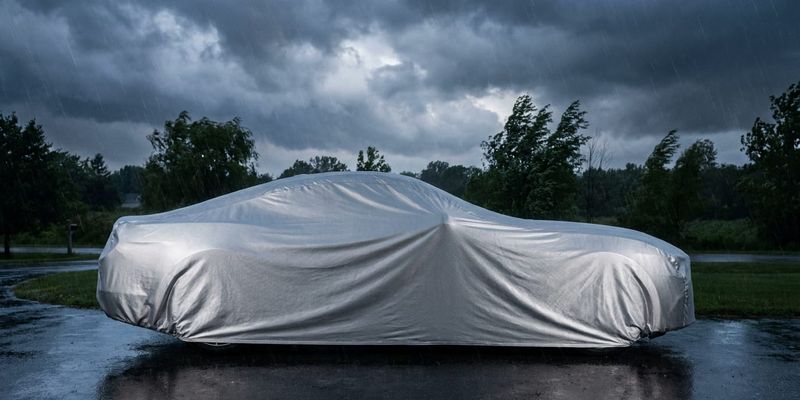
For a car that spends a lot of time parked outdoors, a breathable outdoor cover protects paint and glass from direct UV exposure and keeps interior surfaces from reaching the extreme temperatures that crack vinyl and fade upholstery. If you're deciding between options, our guide to waterproof car covers and our outdoor car cover guide cover what to look for. We have got your car care tips covered.
Pack a Summer Emergency Kit
Heat raises the odds of a roadside breakdown — overheated engines, flat tires from soft pavement debris, dead batteries — so a basic kit is worth the trunk space:
- Water (for the radiator and for people)
- Jumper cables or a portable jump starter
- A basic tool kit and tire pressure gauge
- A flashlight with working batteries
- A first aid kit
- Reflective triangles or flares
- A phone charger that works off the car battery
Frequently Asked Questions
What is the $3,000 rule for cars?
It's a rough guideline some mechanics and owners use for deciding whether a repair is worth it: if a single repair would cost more than roughly $3,000, or more than the car is currently worth, it may make more financial sense to put that money toward a different vehicle instead of fixing the old one. It's not a formal rule, just a quick gut-check some people apply before authorizing a big repair.
How do I keep a car cool in 100-degree weather?
Park in shade or use a reflective windshield sunshade and a breathable outdoor cover to block direct sun on the body and glass. Crack the windows slightly if the car is parked somewhere secure, run the AC on recirculate rather than fresh air once you're moving, and let the hot air vent out through open doors for a few seconds before you get in and start the engine.
Is it okay to leave a car parked for 2 weeks in summer heat?
Generally yes, but check a few things first: tire pressure (tires lose air slowly even when parked), battery charge (heat drains batteries faster, and accessories left on will drain it further), and fuel level, since a nearly empty tank in extreme heat can lead to more condensation in the tank. Parking in shade or under a cover reduces heat damage to paint and interior over that stretch.
What is the 30-60-90 rule for cars?
It refers to a maintenance cadence some owners use for checking fluids, tire pressure, and belts roughly every 30, 60, and 90 days, rather than waiting for a scheduled service interval. It's a simple way to catch small issues between regular maintenance visits, not a manufacturer-mandated schedule.
When should I start preparing my car for summer?
Late spring, a few weeks before consistent heat arrives, gives you time to fix anything the inspection turns up — ordering a part, scheduling a shop appointment, or waiting for a sale on tires — before you actually need the car to perform in the heat.
How do I check if my tires are safe for summer driving?
Check cold tire pressure against the number on the driver's door jamb sticker, inspect tread depth with a gauge or a coin test, and look the sidewalls over for cracks, bulges, or uneven wear. Replace anything questionable before a long summer drive rather than after a tire fails on the highway.
How should I protect my car's paint and interior from the sun?
Wash and wax before summer heat sets in, park in shade when possible, use a reflective sunshade for the dashboard, and use a breathable outdoor cover for cars that sit outside for extended periods. All four reduce UV exposure, which is the main driver of paint fading and interior cracking.
Check out the best summer car care tips below — take a look at this infographic for a visual rundown of what to check, then share it with friends and family before anyone hits the road this summer.
How to Get Your Car Ready for Summer
Source: Walt's Danville Service
Embed This