Articles Seasonal & Weather Car Care Tips
Best Car Cover for Salt Lake City, UT: Surviving Snow and Dry Heat Swings
Published
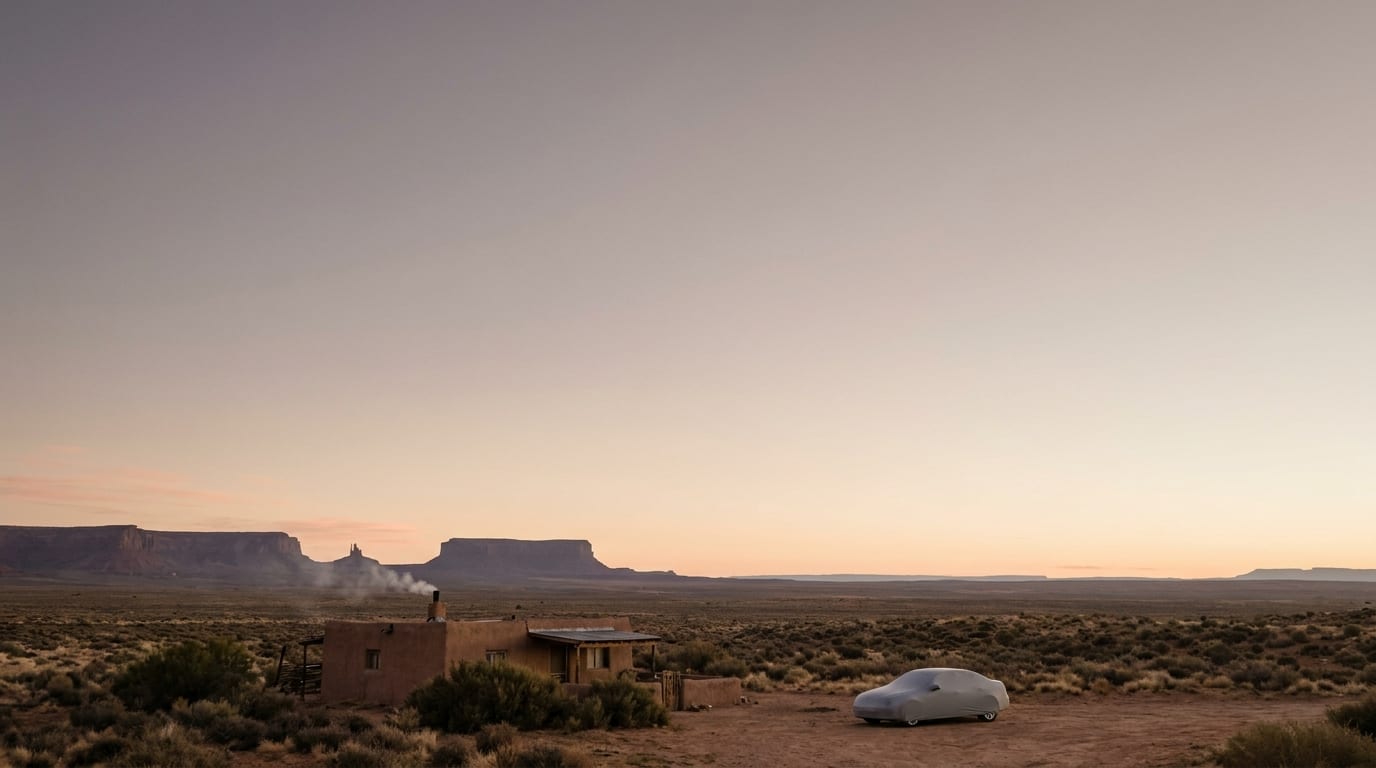
Salt Lake City doesn't do mild weather. One month you're scraping ice off the windshield at 15 degrees, the next you're parking on asphalt hot enough to soften a dashboard. If you're shopping for the best car cover for Salt Lake City, UT snow and dry heat swings, you're not looking for something that just blocks rain. You need a cover built for two opposite jobs, sometimes in the same week.
Why Salt Lake City's Climate Is Tough on an Unprotected Car
The Wasatch Front runs on extremes. Lake-effect storms dump heavy, wet snow from November through March, with plenty of nights dropping well below freezing. Then summer flips the script entirely: dry heat, intense sun, and stretches of triple-digit days in July and August. Few U.S. metros ask a car cover to handle both ends of that spectrum in the same calendar year.
Elevation makes it worse. At over 4,200 feet, SLC gets noticeably more UV exposure than lower-elevation cities, even on a clear winter day. That thinner atmosphere means paint fades faster, and rubber and plastic trim gets brittle sooner than it would at sea level. It's a slow kind of damage, the kind you don't notice until the clear coat looks chalky.
Then there's the salt. I-15 and most surface streets get treated with road salt and magnesium chloride deicers all winter, and that brine doesn't stay on the road, it ends up on your car's undercarriage and lower panels. Left to sit under a layer of melting snow, it accelerates corrosion fast.
Put all that together and you can see why a single-season cover tends to fail here. A heavy winter-only cover will trap heat and moisture once summer hits. A thin summer cover won't survive a snow load. For a buyer actually comparing options, matching the cover's material to both extremes, not just one, is the whole ballgame.
Winter Checklist: Snow, Ice, and Road Salt Protection
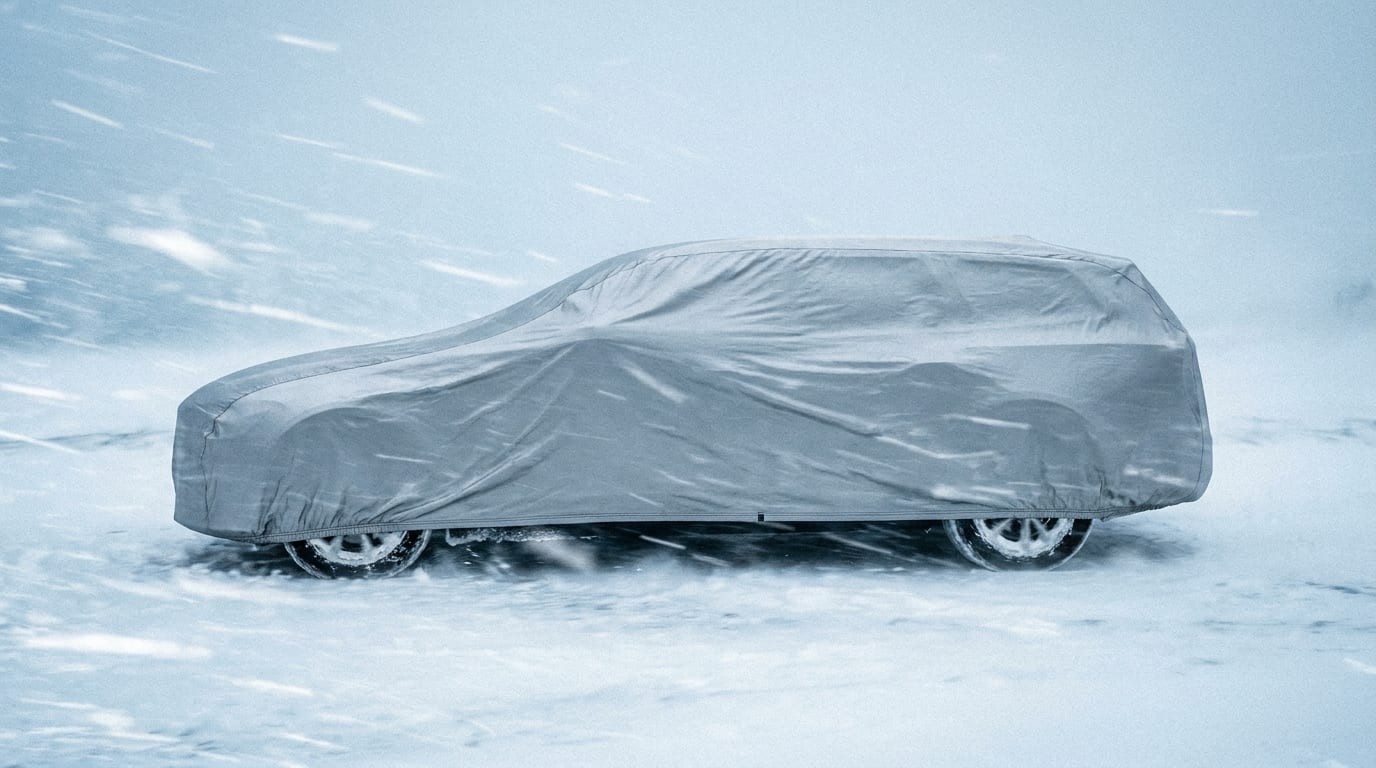
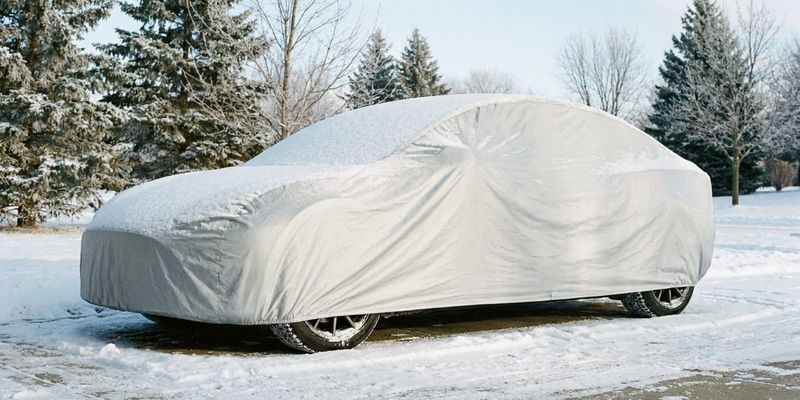
Start with the fabric. You want a cover rated to handle snow load, built from a tight-weave, multi-layer material that sheds moisture instead of soaking it up. A cover that absorbs water and then freezes overnight is basically asking for cracks and premature wear.
Check the lining too. A soft fleece or microfiber layer at the cowl and windshield matters more than people expect, since that's exactly where ice tends to form and scrape against the clear coat every time the cover shifts.
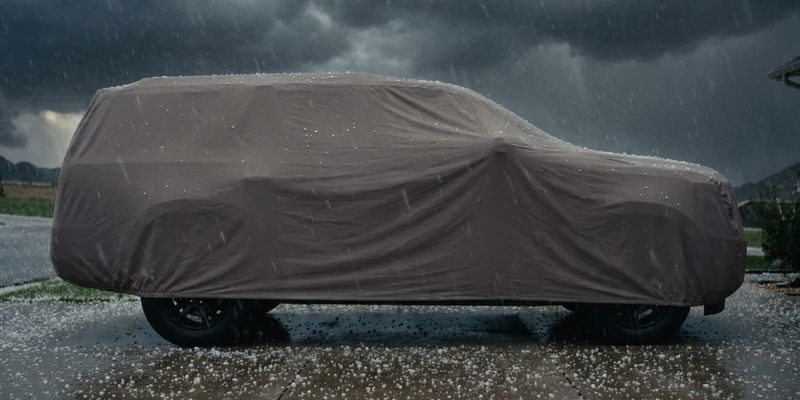
Wind is its own problem here. Canyon gusts along the Wasatch Front can get aggressive, and a cover without a snug elastic hem and real gust strap installation will end up halfway across the driveway by morning. Straps aren't optional in this climate, they're the difference between a cover that stays put and one you're chasing down the street.
If the car's parked outside or on the street, look at cable lock or grommet options too. A cable lock installation keeps the cover anchored and deters anyone tempted to grab it during a storm, which happens more than you'd think in a city where everyone's dealing with the same weather.
One habit worth building: brush off heavy snow accumulation every day or two instead of letting it sit and compress against the fabric for a week. Compacted snow holds moisture against the cover far longer than fresh snow does, and that's when freeze-thaw cycling starts doing real damage.
Summer Checklist: Dry Heat, UV, and Elevation

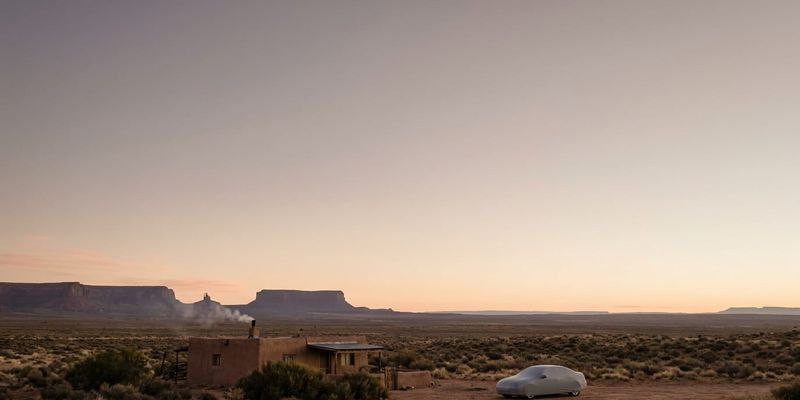
Flip the calendar to July and the priorities change completely. SLC's dry heat isn't like a humid climate's heat. You don't need extra moisture resistance so much as UV stability, because dry heat plus high elevation sun is what makes fabric go brittle fast.
A reflective or UV-blocking top layer earns its keep here. It knocks down interior cabin temperature noticeably and protects the dashboard and upholstery from sun damage coming through the windows, which matters a lot if the car sits outside all day during a commute.
Breathability is easy to overlook but it shouldn't be. Desert mornings in SLC can still get cool enough for condensation to form overnight, and a cover that doesn't breathe traps that moisture against the paint. You end up with water spotting even in a climate that's supposedly dry. The fix isn't a thicker cover, it's one engineered to let moisture escape without letting dust in.
And there will be dust. High-desert summers bring plenty of dust and pollen to the Wasatch Front, so a cover that's easy to shake out and wipe down between uses saves you a lot of hassle compared to one that needs a full wash every time.
Picking One Cover for Both Extremes (vs. Swapping Seasonally)
Here's the real decision: one premium all-weather cover, or two dedicated covers you swap each season.
A single multi-layer cover is simpler. Less to store, less to remember, lower total cost upfront. For most daily drivers, that's the practical answer, especially if the car stays outside year-round and needs consistent protection without you having to think about it twice a year.
A seasonal pair can outperform a single cover at each extreme, but only if you're actually disciplined about swapping them on schedule. If you know you'll let the winter cover sit on through June, you're better off with one great all-weather cover than two mediocre efforts.
Storage situation matters more than most people realize. A car kept outdoors full-time benefits from a true all-weather fabric, something built to handle outdoor exposure through wind, UV, and precipitation without a break. A car that's mostly garaged and only covered during commute parking has more flexibility to go lighter.
Fit matters here too, maybe more than material in some cases. A custom-fit cover closes the gaps where wind-driven snow or blowing dust tends to sneak in around a universal-fit cover. If you've ever found a dusting of snow inside a cover after a storm, that's usually a fit problem, not a fabric problem.
Material and Fit Features That Matter Most Locally
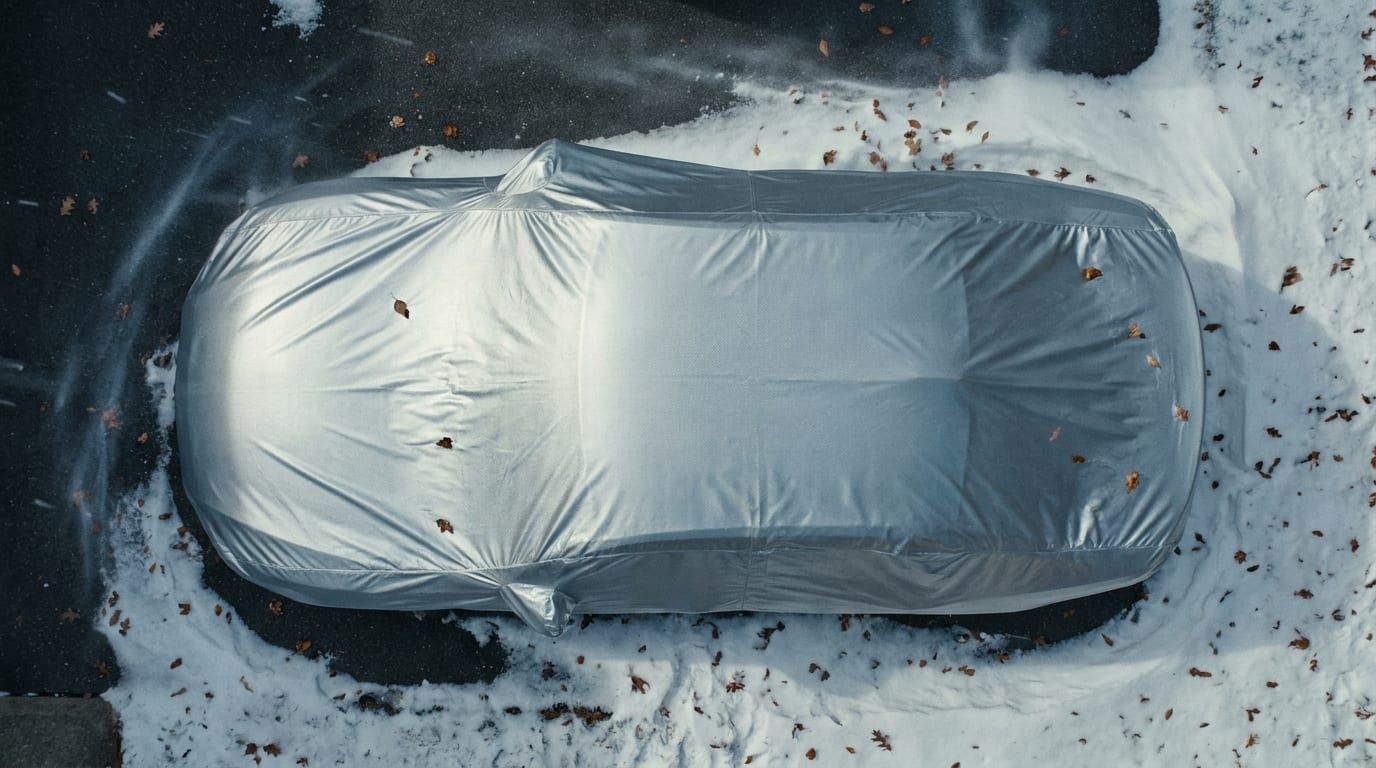
Not all fabrics are built for the same job. Multi-layer woven polypropylene tends to hold up best against SLC's combination of snow load and UV exposure. Lighter polyester blends are fine for garage storage or mild shoulder-season use, but they won't hold up to a full Utah winter sitting outside.
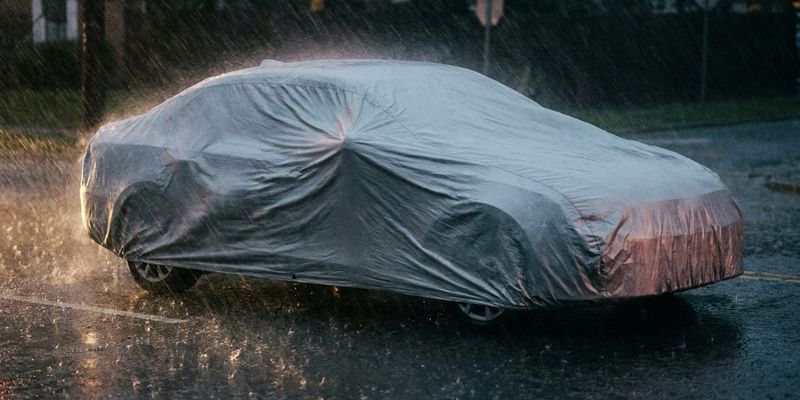
Water-resistance labeling trips people up constantly. "Waterproof" and "water-resistant" aren't the same thing, and the difference matters a lot when you're talking about melting snow sitting on a cover overnight rather than a quick rain shower. Worth reading up on before you buy; this breakdown of waterproof fabrics explains what each rating actually holds up to in practice.
Sizing accuracy isn't a minor detail either. A cover that's slightly too big flaps in wind gusts, which wears out the fabric and lets snow work its way underneath at the edges. Getting the sizing right for your vehicle up front saves you from dealing with a cover that looks fine in the driveway but fails in a canyon wind.
A few add-ons are worth the extra cost if you're parking on the street in an SLC neighborhood: antenna patches, mirror pockets, and a cable lock. None of them are flashy, but they're the difference between a cover that fits your actual car and one that's just generically close enough.
Caring for Your Cover Through Utah's Seasons
Shake off snow and let the cover dry fully before folding it away. Folding a damp cover is how mildew shows up during spring thaw, and once that smell sets in, it's hard to get rid of.
Wash it periodically too, not just when it looks dirty. Road salt residue and dust buildup abrade fabric over a full winter-to-summer cycle even when you can't see it happening. A proper cleaning routine for your car cover a couple times a season keeps the material from wearing out before its time.
Good care is really what stretches a cover's life across both extremes instead of just getting you through one season before it needs replacing. It's a small maintenance habit that pays for itself.
Before the first snow each fall, check the elastic hems and straps for wear. Summer UV exposure is hard on elastic, and you don't want to find out a strap's given out in the middle of the season's first storm.
Find the Right Cover for Your Vehicle
If there's one takeaway here, it's this: prioritize a UV-stabilized, multi-layer, water-resistant cover with solid strap and lock options. That combination is what actually survives a Salt Lake City year, not just a Salt Lake City week. Understanding why a car cover matters in the first place helps frame the investment, too; it's cheaper than a respray or a cracked dash.
Skip the guesswork on sizing. Use a cover finder tool to match fit by year, make, and model, since a universal-fit cover rarely performs as well as one built for your exact vehicle.
Before the next weather swing hits, whether that's the season's first snow or the first real heat wave, it's worth taking a few minutes to browse car cover options built for outdoor storage and see what actually fits how and where you park.