Articles Seasonal & Weather Car Care Tips
Best Car Cover for Sacramento, CA Hot Dry Summers: A Localized Buying Guide
Published
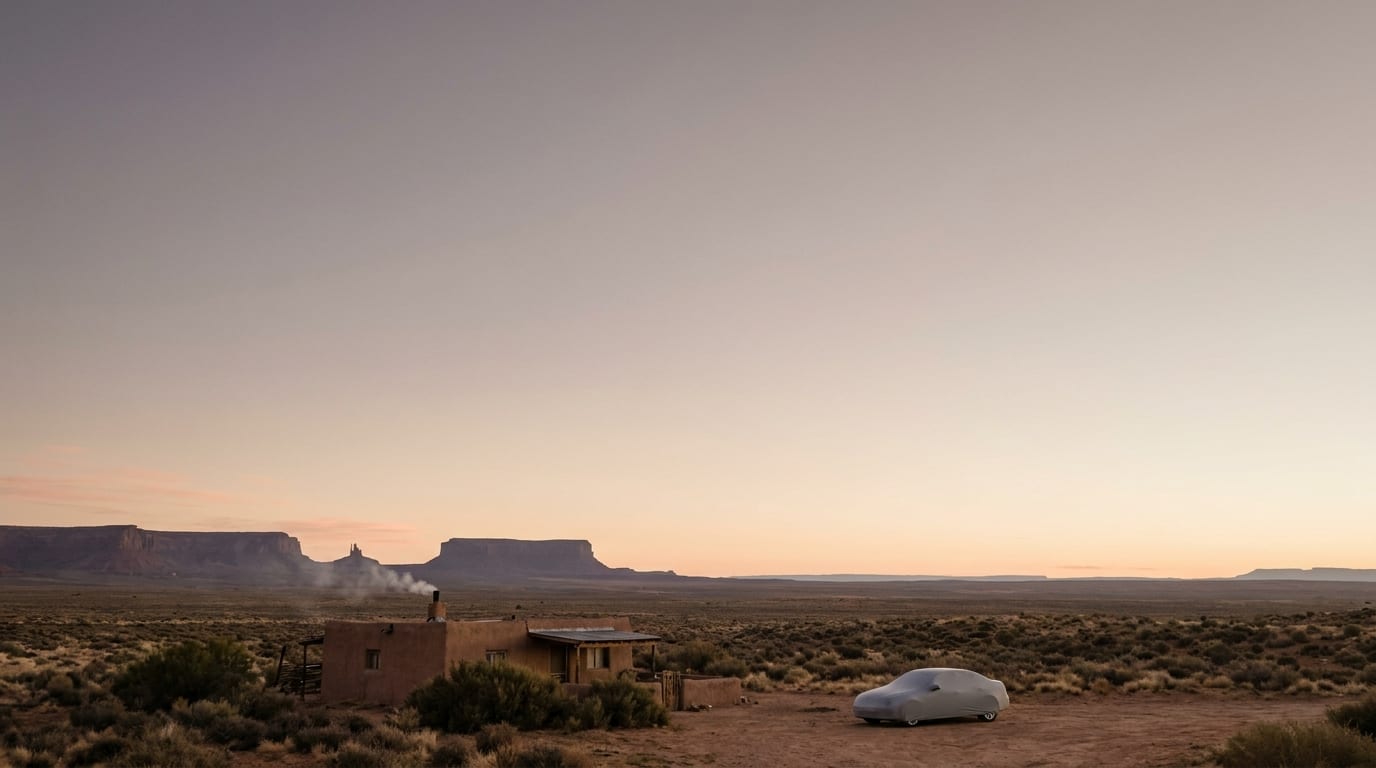
Sacramento doesn't do mild. By June, you're looking at a string of 100-degree afternoons that don't let up until September, and the Central Valley's dry air means there's no humidity buffer to soften any of it. If your car sits outside, uncovered, through a Sacramento summer, it's taking a beating you can't see until the damage shows up: a dash that's starting to crack, paint that's gone chalky, a clear coat dulled from months of dust settling into it. Finding the best car cover for Sacramento, CA hot dry summers isn't about grabbing whatever's cheapest at the auto parts store. It's about matching the cover's materials to this specific climate, because a cover built for Seattle rain does almost nothing useful here.
This guide is written for people who are close to buying and just need to know which features actually matter for this climate, not a generic "top 10 covers" roundup.
Why Sacramento Summers Are Rough on an Unprotected Car
The Central Valley sun index runs high nearly year-round, but summer is when it really goes to work on a parked car. Triple-digit highs from June through September, paired with low humidity, mean UV radiation and surface heat are doing damage simultaneously, with nothing in the air to take the edge off.
Here's what that combination actually does. UV exposure fades paint and breaks down clear coat over time, leading to oxidation that no amount of waxing fixes later. Heat buildup inside a parked car cracks dashboard plastic and dries out trim. And the Valley's dry, dusty air (combined with the ag dust and occasional wildfire smoke that roll through most summers) settles into that clear coat as fine grit, which then grinds against the paint every time wind or a careless hand drags across it.
None of this is abstract. It's the standard summer for a car parked outside in Sacramento, Elk Grove, Roseville, or anywhere else in the Valley. So this is a buying guide matched to that exact profile, not a list of covers that happen to be popular nationally. If you're shopping for the best car cover for Sacramento, CA hot dry summers, you need something built around UV and heat resistance first, with everything else second.
What Sacramento's Climate Actually Does to a Parked Car
Break it into three stressors, because they don't all call for the same fix.
First: prolonged direct sun. Hours of UV and radiant heat, day after day, for months. Second: low rainfall but real dust and ash exposure, thanks to Valley agriculture kicking up fine particulate and wildfire smoke drifting in during late summer. Third: big day-to-night temperature swings, with highs near 100°F and nights dropping 30 to 40 degrees cooler. That swing stresses any fabric that isn't made to expand and contract without degrading.
Here's where people get it wrong. They shop for "waterproof" first, because that's what car cover marketing tends to lead with. That's the right priority for Seattle or Portland. It's the wrong one for Sacramento. You get maybe a dozen meaningfully rainy weeks a year here. Breathability and UV resistance matter far more than rain protection for most of the year, and a fully waterproof, non-breathable cover can actually work against you.
Here's why: if you leave a cover on all day in the heat without breathable fabric, morning dew gets trapped underneath with nowhere to go. That moisture sits against your paint, and you end up with swirl marks or even light mildew spots, ironic for a place that barely gets rain. A guide to using a car cover outdoors covers this tradeoff in more depth if you want the full picture.
Key Features to Prioritize for Hot, Dry Summer Protection

For this climate, rank your priorities in this order.
UV-blocking, heat-reflective outer layer comes first. This is the feature doing the most work against Sacramento's sun exposure, full stop. Everything else is secondary.
Breathable, multi-layer fabric construction is next. You want a cover that lets heat and moisture escape instead of trapping both against your paint. This is what prevents the dew-and-swirl-mark problem mentioned above.
A soft inner lining matters more here than you'd think. Valley wind kicks up fine grit constantly, and if that dust gets between a rough cover lining and your clear coat, every install and removal becomes a light sanding session. A soft lining keeps that from happening.
Color matters too. A light or reflective cover surface reflects heat instead of absorbing it, the same logic as wearing white instead of black on a hot day. Dark universal covers look fine but run noticeably hotter to the touch in direct sun.
Last, secure fit elements like elastic hems or integrated straps. Sacramento gets real Delta breeze in the afternoons and evenings, and a cover that isn't anchored down will shift, flap, and eventually work its way loose.
Outdoor Cover Types Best Suited to Valley Heat
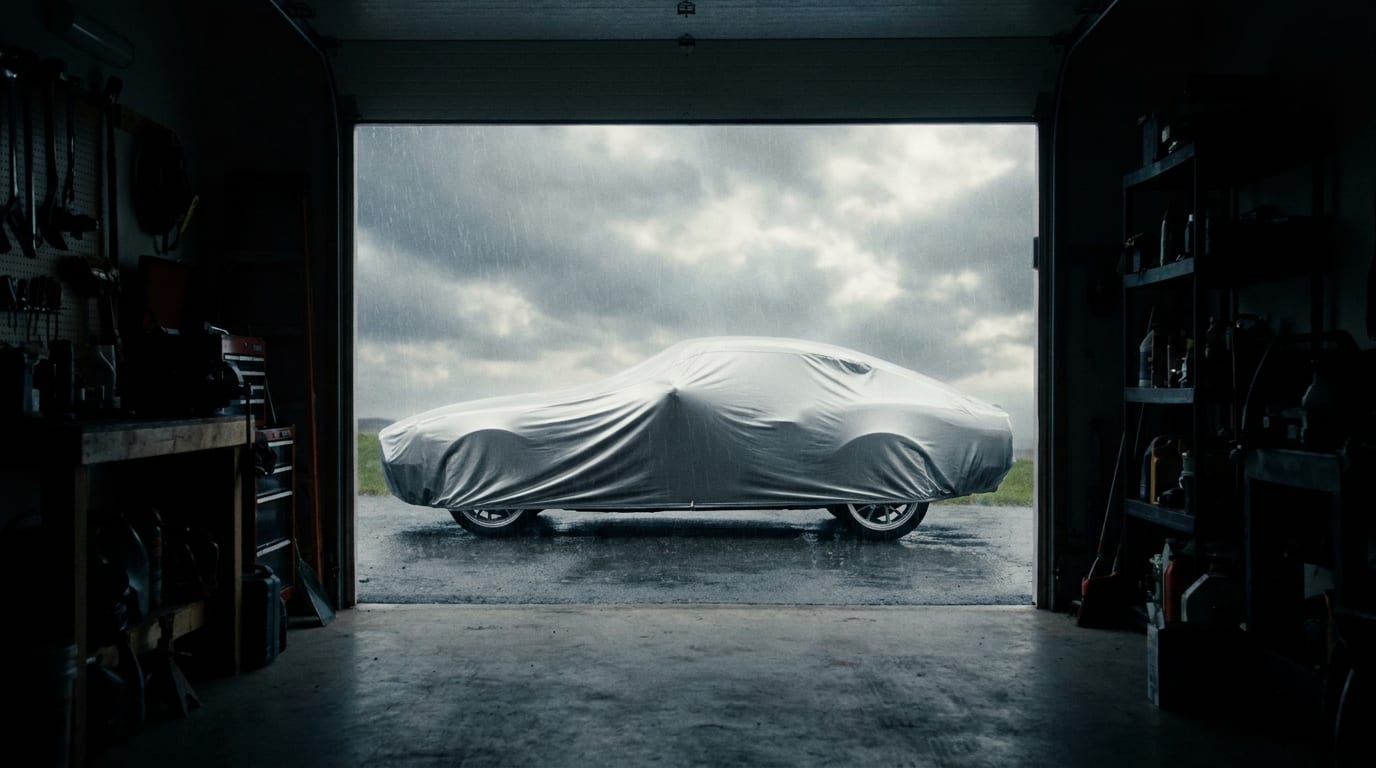
Not every cover on the market is built for this. Lighter-weight covers meant mainly for dust protection or short-term indoor storage skip the UV and heat-reflective layers entirely, because they're not designed to sit in direct sun for 10 hours a day. A proper outdoor car cover is built with that multi-layer UV and heat-rated construction specifically because it's expected to live outside.
Whether you need that heavier outdoor-rated build depends on how your car is actually parked. Daily street parking, an open driveway with no shade, or a car that sits exposed through a full workday, these are the situations where the outdoor-rated cover earns its price. If your car's in a carport or garage most of the time and only sees sun occasionally, you can get away with less.
One thing Sacramento drivers don't need to worry about much: heavy-duty waterproofing tiers built for hail or snow regions. That's spend better redirected toward UV and heat-rated materials instead, since hail and snow just aren't a realistic concern here. Save the premium budget for the layer that's actually working against your climate.
Why Fit Precision Matters More in Hot Climates
A loose, universal-fit cover is a liability in Delta-breeze wind. It flaps. That flapping creates friction points where the fabric rubs against the paint, and over weeks, that friction wears into fading or fine scratching, especially once dust is caught between the cover and the surface.
A custom or semi-custom fit solves this two ways. It minimizes the pocket of hot air trapped between cover and car, which matters when you're talking about triple-digit afternoons, and it stays snug enough to handle the swing down to cooler nights without sagging or shifting. A custom-fit car cover is built to your specific make and model's contours, not a rough approximation.
For common Sacramento-area vehicles, that means knowing your exact year, make, and model before you buy, not just "mid-size sedan" or "full-size truck." Trucks need extra attention to mirror and bed-length variations. SUVs vary a lot in roofline height between compact and three-row models. Sedans are generally the most forgiving to fit well. If you're unsure what size you actually need, there's a sizing guide worth checking before you order anything.
Caring for Your Cover Through a Sacramento Summer
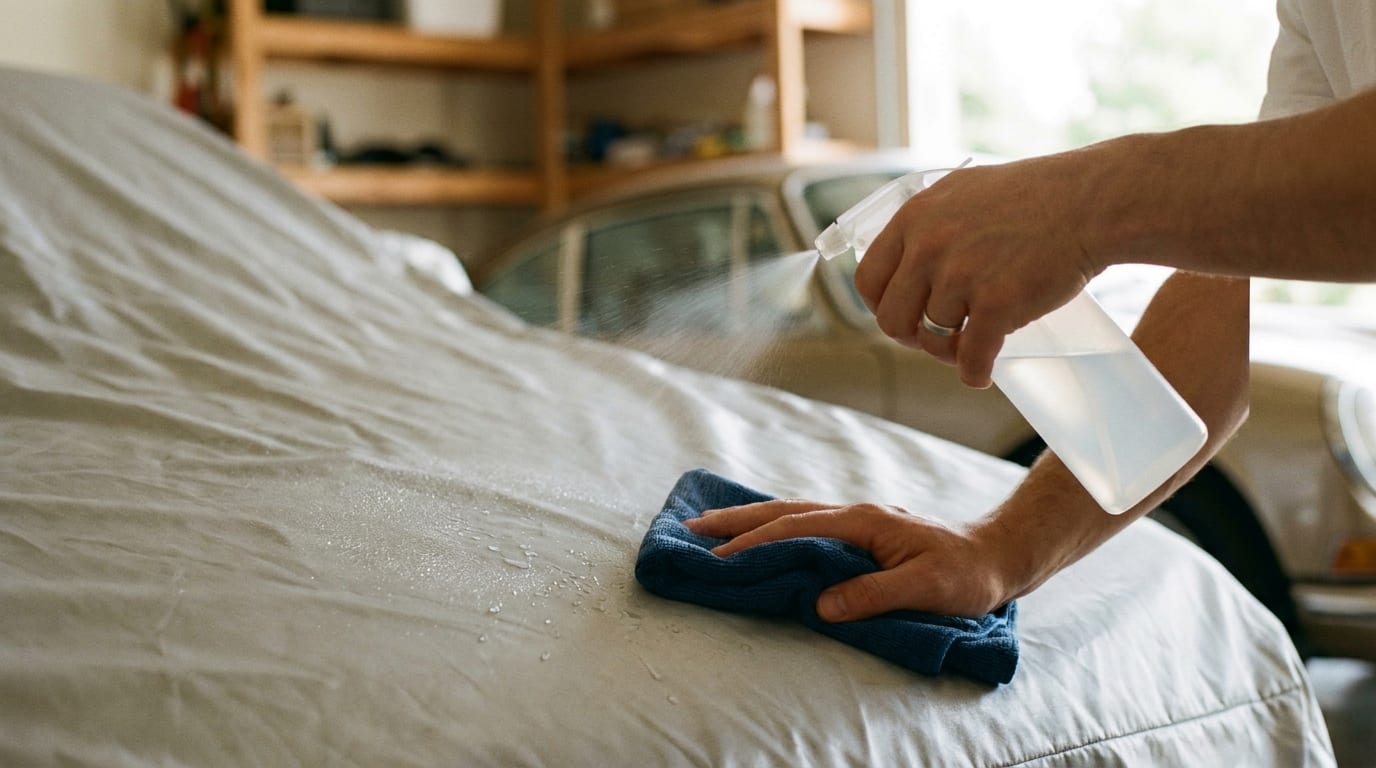
A cover that's protecting your paint from dust needs to not become a dust-transfer problem itself. Clean it periodically, because grit that's built up on the cover's inner surface will scratch your paint during install and removal, the exact thing the cover's supposed to prevent.
How often depends on use. A cover going on and off daily through a hot, dry summer needs a wash every few weeks, more if you're parked near agricultural dust or during smoke season. One used only occasionally, say for weekend storage, can go longer between cleanings. Either way, a proper cover cleaning guide walks through the right method so you're not degrading the fabric with the wrong detergent or a rough brush.
Watch for signs the UV protection itself is wearing out: fabric that's gone stiff or brittle, visible fading on the cover's outer surface, or water that no longer beads up and instead soaks in. Once you see two or more of those, the cover's doing a lot less than it used to, and it's time to replace it rather than stretch another summer out of it.
Warranty and What to Check Before You Buy
UV exposure is the fastest way to wreck a cover's fabric, faster than rain, faster than general wear. That makes warranty coverage genuinely useful here, not just a box to check. A climate like Sacramento's will test a cover's fabric harder than most, so you want confidence that a warranty backs it if the UV coating degrades early.
Before buying, confirm three things: the fabric's actual UV rating (not just "UV resistant" as a vague marketing line), real breathability claims backed by the material description, and a fit guarantee specific to your vehicle, not a generic "fits most" size range. Worth reading the lifetime warranty details directly rather than assuming coverage. And if waterproofing is still a factor for your situation, the waterproof fabrics guide explains how that spec actually works, separate from UV protection.
Finding the Right Cover for Your Vehicle
Run through the checklist before you buy: UV and heat-rated fabric first, breathable multi-layer construction second, a snug fit that can handle Delta-breeze wind, and a light or reflective color where you have the option. Skip paying extra for hail or snow-tier waterproofing you won't use here.
If you want to skip the guesswork, a cover finder tool matches your exact make and model to options built with the right fit and fabric for this kind of climate. It's worth five minutes to get it right.
Getting these features matched to Sacramento's climate now is a lot cheaper than repainting faded clear coat or replacing a cracked dash later. If you found this useful, stick around the blog for more region-specific car care guides, we cover a lot more than just summer heat.