


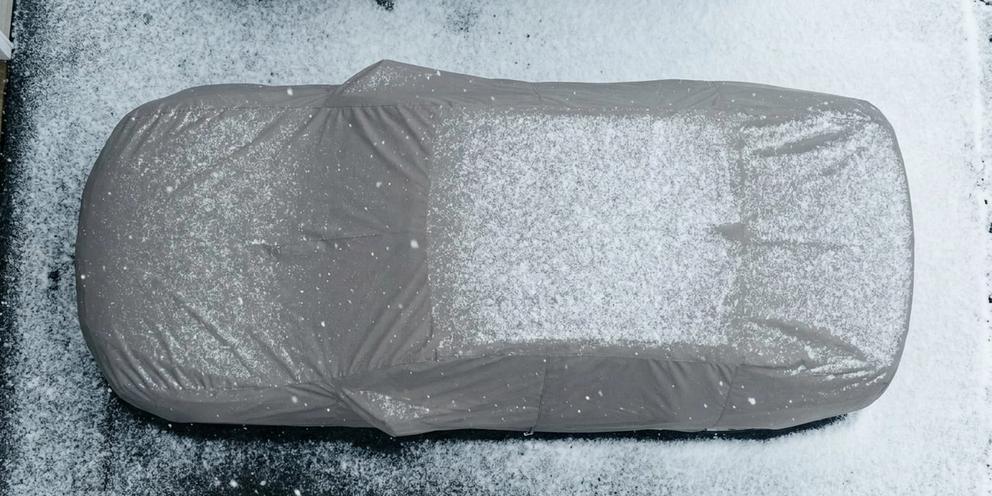
I Park My Car Outside in the Snow All Winter — What Car Cover Should I Buy?
What Car Cover Should You Buy for Outdoor Winter Snow Parking?
If you park outside all winter, buy a multi-layer waterproof outdoor cover rated for snow and ice, not a basic indoor dust cover, and definitely not a tarp. It needs to block moisture, hold up under the weight of wet snow, and stay put in wind without shredding at the seams. That's the honest answer to "I park my car outside in the snow all winter, what car cover should I buy?" and everything below explains why.
Three things are non-negotiable here. You want a genuinely waterproof outer shell (not just water-resistant, there's a real difference), a soft inner lining that won't scratch your clear coat when ice builds up against the fabric, and a snug fit with an elastic hem so wind can't sneak underneath and start working the cover loose. Skip any of those three and you're setting yourself up for a spring full of scratches, mildew, or a cover that's already in the trash.
Budget universal covers made for garage dust protection are the wrong tool for this job. They're thin, they're not sealed for standing water, and they weren't built to carry snow load or survive freeze-thaw cycles night after night. The rest of this guide breaks down material, fit, and the accessories that actually matter, so you can match a cover tier to your climate instead of guessing.
What Features Does a Winter Snow Car Cover Need?
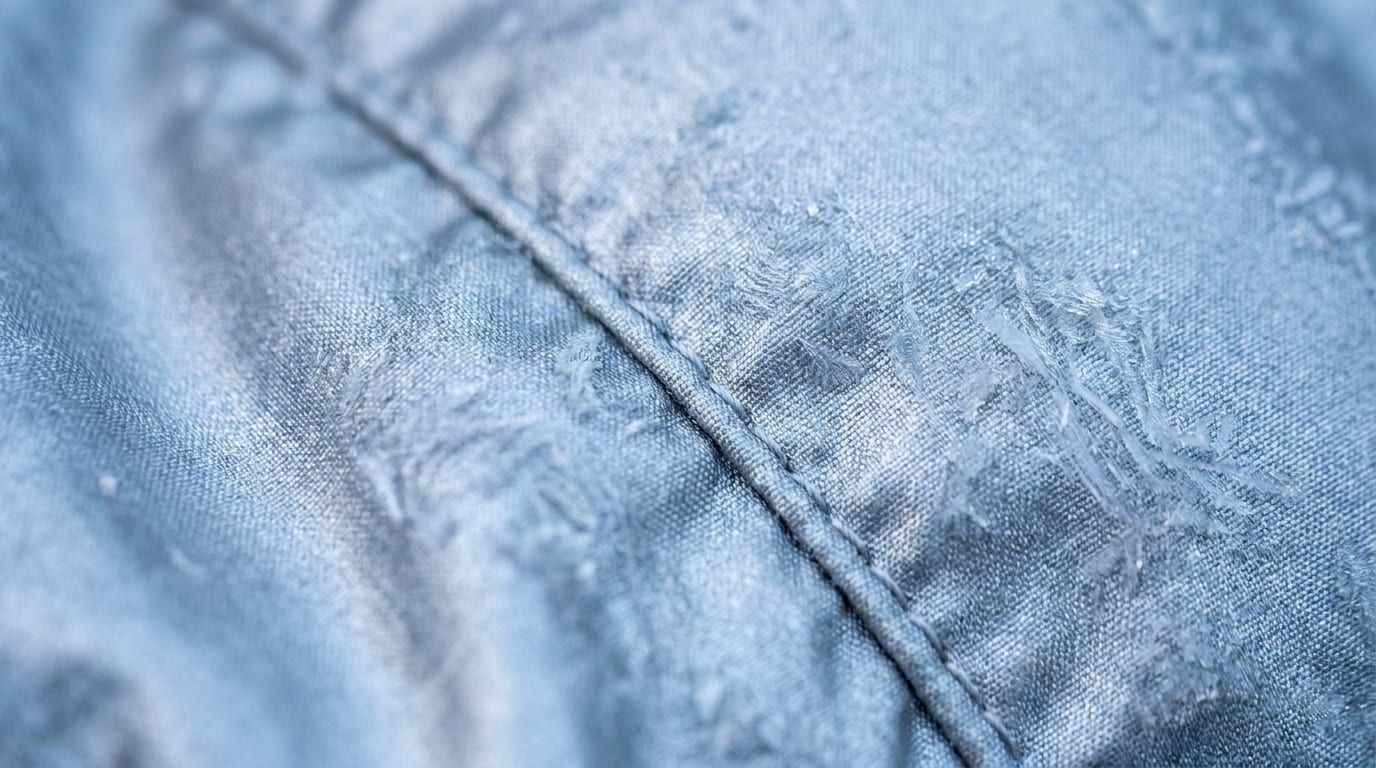
A real winter cover does a few specific jobs at once, and if it's missing any of them, you'll feel it by January.
Start with the outer fabric. It needs to be waterproof, meaning it sheds rain and snowmelt outright, but it also has to breathe. That sounds contradictory, but the good ones manage both: moisture stays out, while trapped humidity underneath can still escape instead of turning into condensation or mold on your paint.
Next is the lining. A soft fleece or flannel interior keeps ice crystals from grinding against your clear coat, and it also stops the cover itself from freezing directly onto the paint, which is a real problem with cheaper single-layer covers.
Don't ignore UV resistance just because it's winter. Snow glare reflects a surprising amount of sunlight back up at the fabric, and low winter sun still breaks down cheap materials over a few months of exposure.
Then there's the hem. An elastic or adjustable strap system along the bottom edge keeps wind from getting a grip and lifting the cover, which is how snow and ice end up dumped right against your door panels instead of staying on top where they belong.
Last, check the stitching. Reinforced seams and grommets are built for the extra stress of holding snow weight; lightweight stitching meant for the occasional summer shower will tear. For a deeper look at how outdoor covers juggle wind, UV, and moisture together, this guide to using a car cover outdoors walks through it in more detail.
Which Car Cover Material Handles Snow, Ice, and Cold Best?
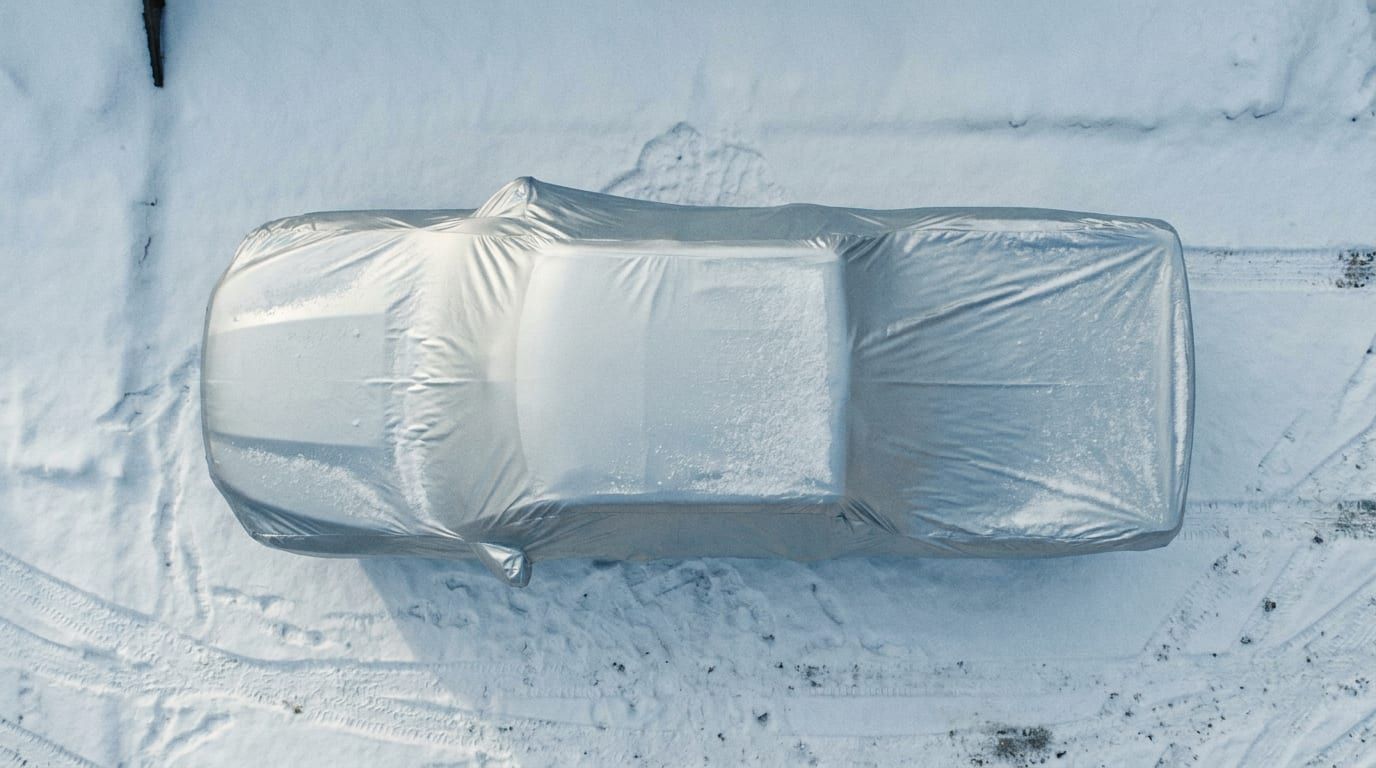
Not all "outdoor" covers are built for the same winter. Here's how the common tiers stack up.
Basic Outdoor
- Waterproof rating: Light water resistance, not fully sealed
- Best for: Occasional rain or dust, mild climates
- Weak point in snow: Soaks through under sustained snow cover and can freeze stiff
Deluxe Outdoor
- Waterproof rating: Fully waterproof, moderate-duty
- Best for: Year-round use with moderate, intermittent snow
- Weak point in snow: Can struggle in extended deep-freeze stretches or heavy accumulation
Platinum / Premium Multi-Layer
- Waterproof rating: Fully waterproof with a bonded fleece lining
- Best for: Heavy snow, freezing rain, long winters
- Weak point in snow: Bulkier and pricier, but it's the tier built for this exact scenario
Indoor Satin
- Waterproof rating: None, dust and light moisture only
- Best for: Garage storage only
- Weak point in snow: Not designed for any outdoor moisture exposure
Universal Tarp-Style
- Waterproof rating: Technically waterproof, but not breathable
- Best for: Not recommended for vehicles
- Weak point in snow: Traps condensation, cracks in cold, no elastic hem to stop wind
If your winters bring sustained snow cover and repeated freeze-thaw cycles, the multi-layer platinum-tier covers with a bonded fleece lining are the strongest match. Single-layer or dust-only covers absorb moisture instead of shedding it, and once that moisture freezes, the whole cover goes stiff and useless.
A plain tarp seems like a cheap fix, but it fails in almost every way that matters here. No elastic hem means wind gets underneath easily, no breathability means condensation gets trapped against your paint, and the stiff material cracks in cold temperatures, letting water pool right on the vehicle. We've gone into more detail on why a tarp isn't a real substitute for a car cover if you want the full picture. When you're ready to compare actual options, waterproof car covers built for this kind of exposure are worth checking before you buy.
How Do You Get the Right Fit for a Snow-Ready Cover?
Fit matters as much as material. A custom or semi-custom cover hugs your vehicle's actual body lines, so there's no room for snow or wind to work its way underneath. A universal cover, by contrast, leaves gaps around the mirrors, bumpers, and undercarriage, and those gaps are exactly where cold air and moisture get in.
An oversized cover doesn't just look sloppy, it actively causes damage. Loose fabric flaps in winter wind, and that constant flapping rubs against ice-crusted panels and wears through the fabric faster than you'd expect. It's one of the more overlooked reasons outdoor covers "fail early" when really, it was a sizing problem from day one.
Before you order anything, confirm sizing by your exact make, model, and body style using this cover sizing guide. And if your vehicle sits outside through heavy snow every single year, it's worth looking at custom-fit car covers for the tightest seal you can get.
What Accessories Help a Cover Survive Winter Wind and Snow Load?
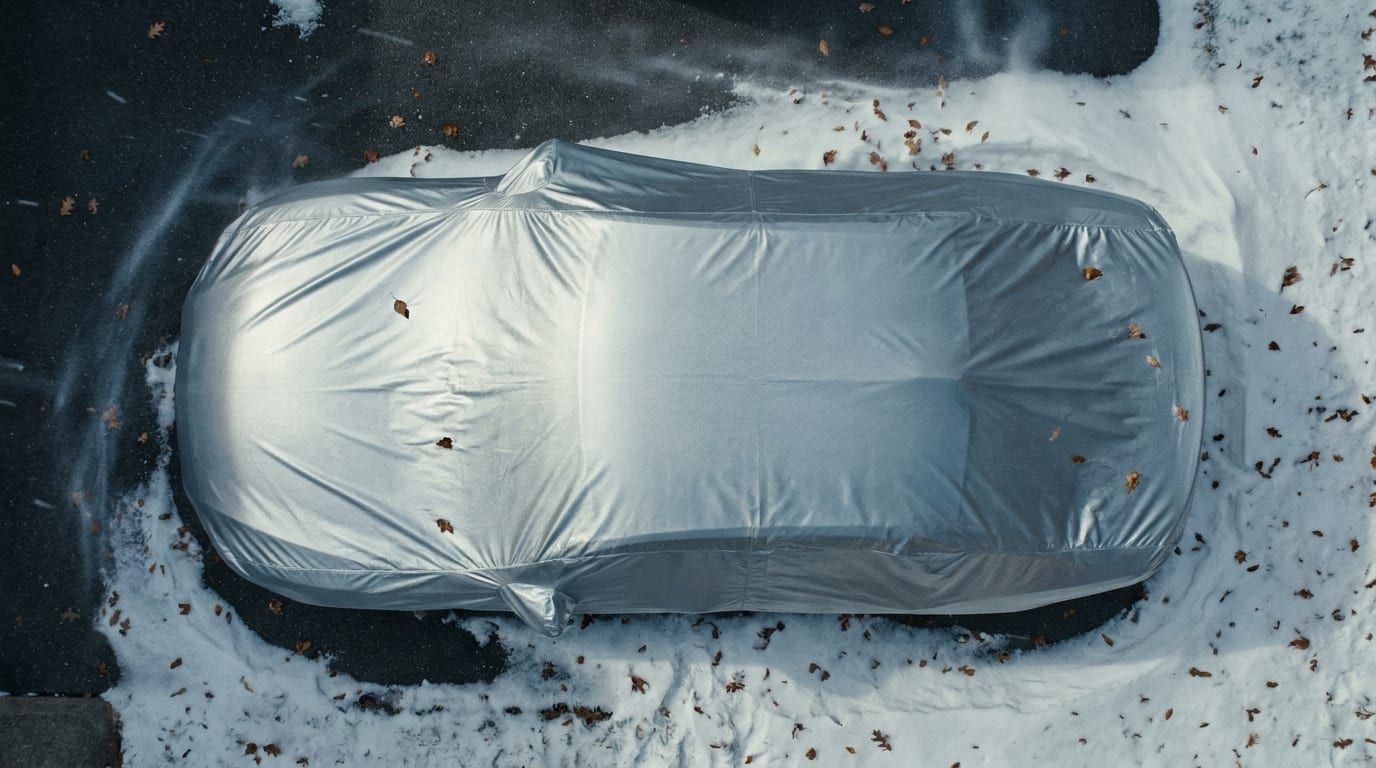
The cover itself is half the equation. The other half is what keeps it anchored and intact through an actual storm.
Gust straps cinch across the cover and stop it from billowing or tearing loose in high wind, which happens more than people expect during winter storms. Setup is straightforward, and this guide to installing gust straps walks through it step by step.
A cable lock run through the grommets does double duty: it deters theft and keeps the cover physically secured to the vehicle when it's sitting outside for weeks between checks. Here's how to install a cable lock if you haven't used one before.
A support pole or antenna patch also earns its keep. Without one, snow can pool right on the roof or windshield area, and that standing weight stresses the fabric and seams over time.
None of this replaces basic upkeep, either. Brush off heavy snow before it compacts into ice, and follow proper cleaning steps between storms so grit and salt don't sit against the fabric all season.
Frequently Asked Questions About Winter Car Covers
Can I leave a car cover on during a heavy snowstorm?
Yes, as long as it's a waterproof, outdoor-rated cover with a secure elastic hem and straps. Brush off accumulated snow periodically so the weight doesn't stress the seams.
Will a car cover freeze to my car?
A quality fleece-lined outdoor cover is built to keep ice from making direct contact with your paint. Thin tarps and basic covers don't have that buffer, and they can bond right to the surface in freezing rain.
Is a waterproof cover the same as a snow-rated cover?
Not always. Waterproof just means it blocks moisture. A true winter or snow cover adds a soft lining, reinforced seams, and a tighter fit to handle both weight and wind, so check the specific climate rating before you buy.
Do car covers come with a warranty for winter damage?
Durability under repeated snow and ice cycles varies by tier, so check the manufacturer's terms before purchasing. See CarCovers' warranty details for specifics.
Which Car Cover Should You Buy? Final Recommendation
If your winters bring sustained, heavy snow, get a multi-layer waterproof outdoor cover with a fleece lining, elastic hem, and wind straps. Milder winters with occasional snow can get by with a mid-tier deluxe outdoor cover instead. Either way, don't cut corners on any single piece of that setup.
Most outdoor covers that fail early didn't fail because the material was bad. They failed because someone skipped the straps, guessed at sizing, or bought something that was only water-resistant instead of fully waterproof. That's the pattern worth avoiding.
If you're still narrowing things down, browsing top-rated car covers or using the cover finder tool will get you to the right option faster than scrolling through generic listings.
Once winter's over, don't just toss the cover in a bin and forget about it. Proper off-season storage keeps it in shape for next year, and it's worth a quick read through how to store your car cover properly when the snow finally clears. And if you want more seasonal care tips like this one landing in your inbox, feel free to subscribe and keep browsing the blog.
Updated