
Is It Better to Buy a Cheap Car Cover Now or Save for a Premium One?
Published
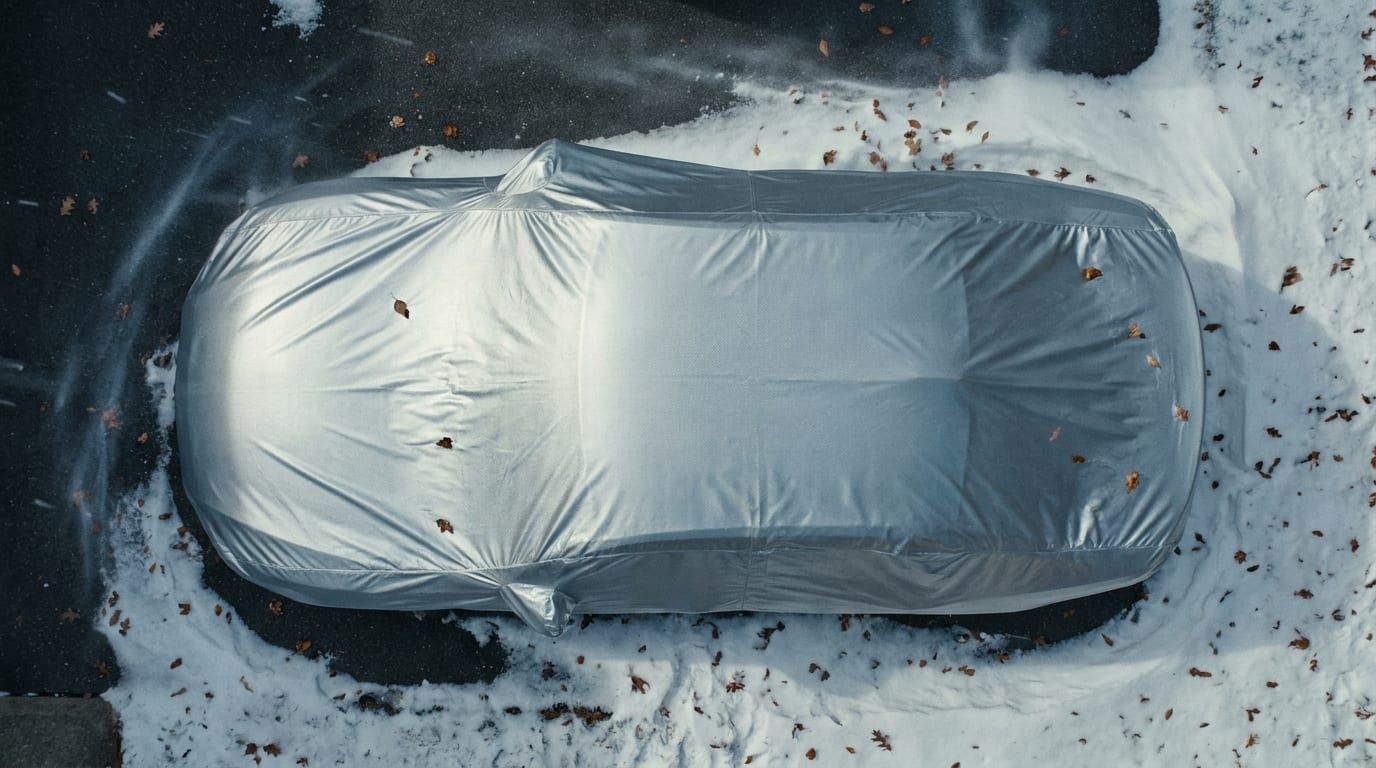
Quick Answer: Buy Cheap Now Only If You Need Short-Term or Indoor Protection
Here's the short version: a budget cover in the $30 to $60 range is fine if your car sits indoors, you only need protection for a few weeks, or you live somewhere mild and dry. A premium custom-fit cover in the $150 to $350+ range is the smarter buy if your vehicle lives outside year-round and faces real sun, rain, snow, or hail.
So, is it better to buy a cheap car cover now or save for a premium one? It depends almost entirely on where the car sleeps at night and how long you plan to keep it. The trade-off is simple to state but easy to ignore: cheap covers tend to wear out within a season or two because of thin fabric and weak seams, while premium covers are built to hold up for five years or more. Buy cheap twice and you've often spent more than you would have on the premium option from the start.
One exception is worth calling out clearly. If the car is garaged and the cover's only job is keeping off dust, a cheap universal-fit cover is the right call. No need to save up for something it'll never actually be tested against.
What Separates a 'Cheap' Cover From a 'Premium' One
The price gap isn't random markup. It comes down to three things: fabric, fit, and construction.
Cheap covers usually use a single layer of polypropylene or similarly thin woven material. Premium covers use multi-layer woven or laminated fabrics that resist UV, block water, and still let moisture escape from underneath. That breathability matters more than people expect. Trapped moisture under a cheap cover does more damage than no cover at all in some cases.
Fit is the other half of the equation. Universal and semi-custom covers rely on elastic hems and generous sizing to fit "most" vehicles, which really means they fit none of them well. That looseness causes flapping in wind, which abrades the paint over time, and it leaves gaps where rain and debris sneak in. A custom-fit car cover is cut to your exact make, model, and year, so there's no slack to flap and no gap for water to find.
Then there's the hardware. Premium covers typically add reinforced grommets for cable locks, built-in lock systems, UV-resistant coatings, and breathable membranes. Cheap covers skip all of it, because that stitching and those materials are exactly what drives the price up.
The Hidden Cost of Buying Cheap First
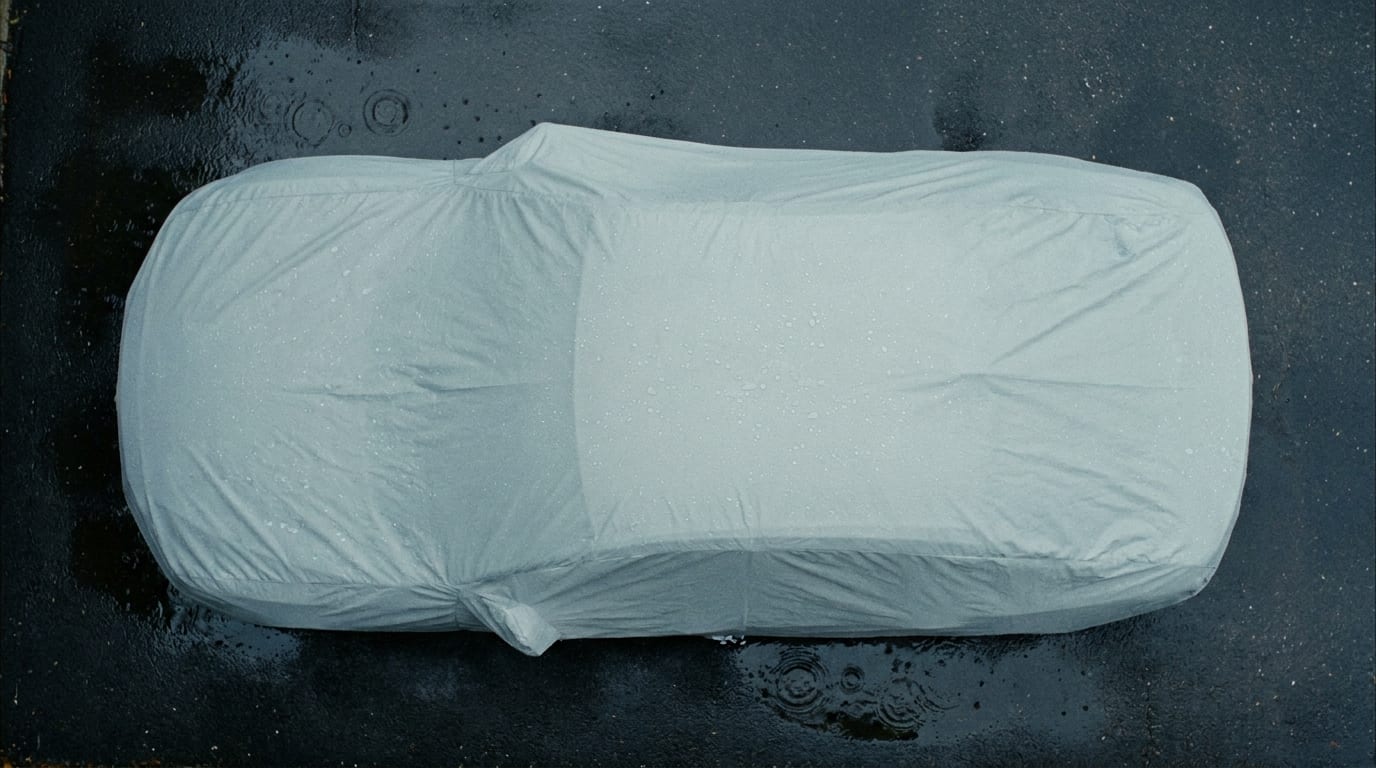
Budget covers tend to follow the same script. Fading and brittleness show up within a season or two of real outdoor exposure. Seams start tearing where the fabric flaps in wind. Water resistance drops off noticeably after a few washes, since cheap coatings wear thin fast.
Do the math and the "savings" evaporate. A $40 cover that needs replacing three times over five years costs $120 total, and that's before you count the time spent shopping and reinstalling each time. A $150 to $200 premium cover that actually lasts the full five years ends up cheaper, and you only deal with it once.
It's not just the cover you're paying for, either. A torn or ill-fitting budget cover can trap moisture against the paint, which leads to etching or clouding you wouldn't get with no cover at all. Trim pieces degrade faster under direct UV once the fabric thins out and stops blocking it. And if the cover rips and lets sun through a side gap, you'll see interior fading in that exact spot, consistently, every day it's parked that way. For a deeper look at what actually drives those differences, this breakdown of car cover materials is worth reading before you buy either tier.
When Buying a Cheap Cover Now Is the Right Call
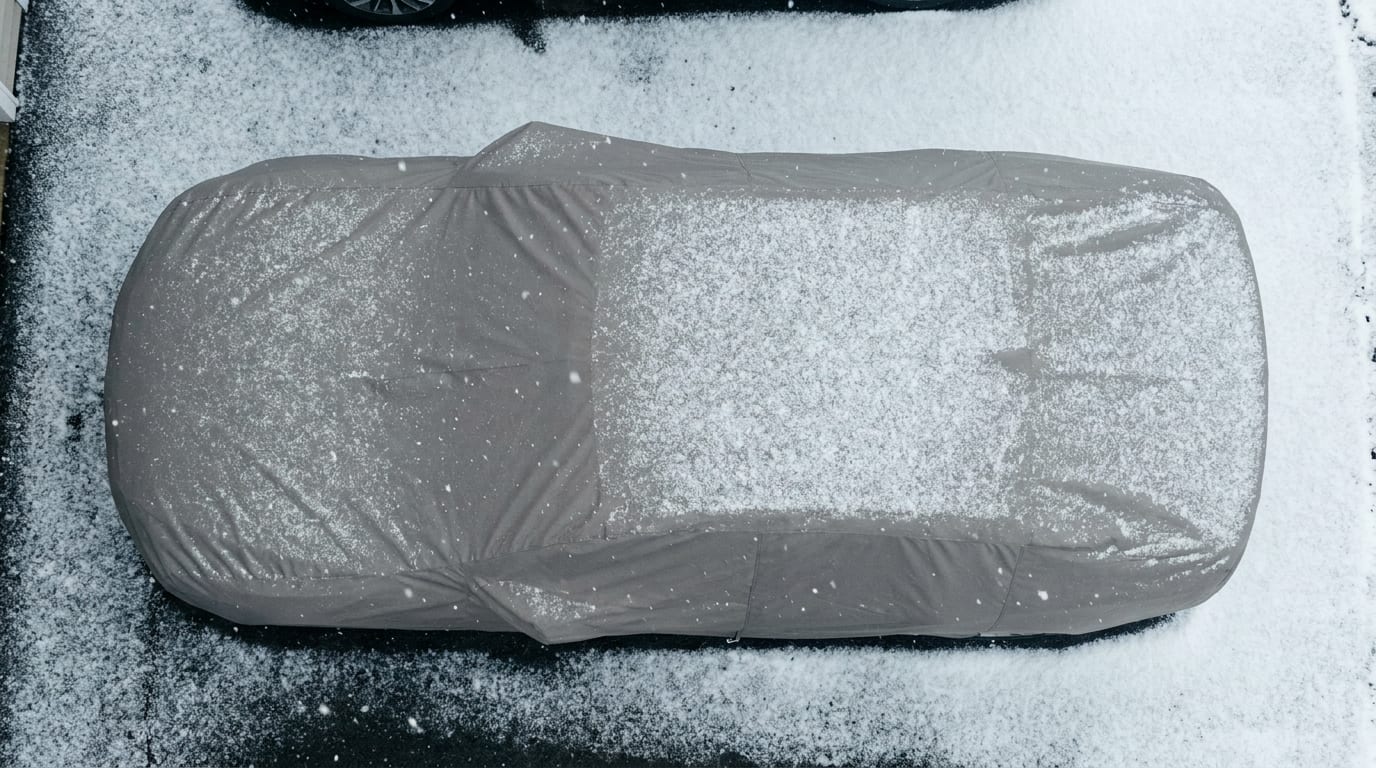
There are real situations where spending more doesn't make sense.
Indoor or garage storage is the clearest one. If the cover's job is just blocking dust and the occasional bump from a bike leaning against it, you don't need weatherproofing you'll never use.
Short-term needs are another. Covering a car during a move, a few weeks of travel, or seasonal storage under 90 days doesn't justify premium pricing. You're not keeping it long enough to hit the point where cheap fabric starts failing.
Same goes for a beater or a car you plan to sell or trade within a year or two. A premium cover's five-year lifespan doesn't pay off if you won't own the car that long.
And climate matters more than people think. Mild, dry regions without snow, hail, or a brutal UV index are much easier on budget fabric. It's the combination of heat, moisture, and time that breaks cheap covers down, not just time alone.
When Saving for a Premium Cover Pays Off

Flip all of those conditions and the answer flips too.
Year-round outdoor storage in harsh climates, heavy sun, snow, coastal salt air, or hail-prone regions, wears out budget fabric fast. This is where multi-layer protection earns its price tag. If you're in one of these environments, a hail car cover or a waterproof car cover is built specifically for what you're dealing with, not a general-purpose stand-in.
Long-term ownership changes the math too. If you're keeping the car for years, maybe it's a classic or a collector piece, protecting the paint and resale value outweighs the upfront cost of a better cover.
Daily use is another factor people underestimate. If you're covering and uncovering the car every day, that repeated handling is exactly what destroys cheap stitching. Premium covers are built with reinforced seams and grommets that hold up to that cycle; budget covers usually aren't.
One more thing worth knowing: premium covers from CarCovers come with a lifetime warranty, which genuinely changes the calculation. When replacement risk is mostly off the table, you're not just buying durability, you're buying an end to the whole replace-and-repurchase cycle that makes cheap covers expensive in the long run.
How to Run the Cost-Per-Year Math Before Deciding
The formula is simple: cover price divided by expected lifespan in years gives you the true annual cost. Run that number for each tier you're considering and compare.
Here's how it plays out conceptually. A $40 cover that lasts about 1.5 years averages around $27 a year. A $200 cover that lasts six years averages about $33 a year. That's close enough that price alone shouldn't decide it, climate severity and convenience should.
Factor in a lifetime warranty and the equation shifts again, since a one-time premium purchase can eliminate future replacement cost almost entirely. At that point you're not comparing annual cost anymore, you're comparing one payment against an indefinite string of smaller ones.
Before running your own numbers, it helps to see real pricing for your specific vehicle. Tools like Find Car Cover or the Cover Finder will show you actual costs across tiers instead of rough estimates.
Decision Checklist: Cheap Now vs. Premium Later
Run through these before you buy:
- Storage location: indoor or outdoor
- Climate severity: mild and dry, or harsh sun, snow, hail, salt air
- Expected years of ownership: short-term or long-term
- Frequency of use: occasional cover, or daily on-and-off
- Whether warranty coverage actually matters to you
There's really only one scenario where saving up is the wrong move: when the car needs protection right now and waiting risks real weather damage in the meantime. In that case, a mid-tier cover today beats no cover while you save for something better.
Outside of that, the pattern holds. For outdoor, long-term, or harsh-climate use, paying more upfront beats cycling through cheap replacements every season.
Bottom Line and Next Step
Buy premium if the car lives outdoors long-term or in harsh weather. Buy budget only if the need is short-term or the car stays indoors. That's the whole decision, once you strip away the noise.
Before you commit either way, it's worth comparing actual models and price tiers side by side. Our comparison of top car cover options and the list of top-rated car covers are good starting points for seeing what you actually get at each price point.
If you want to skip the guesswork entirely, run your vehicle through the Cover Finder and see real pricing, budget and premium, matched to your exact make and model before you decide. And if you're still weighing your options, our car cover guides are worth a bookmark for whenever you're ready to dig in further.






