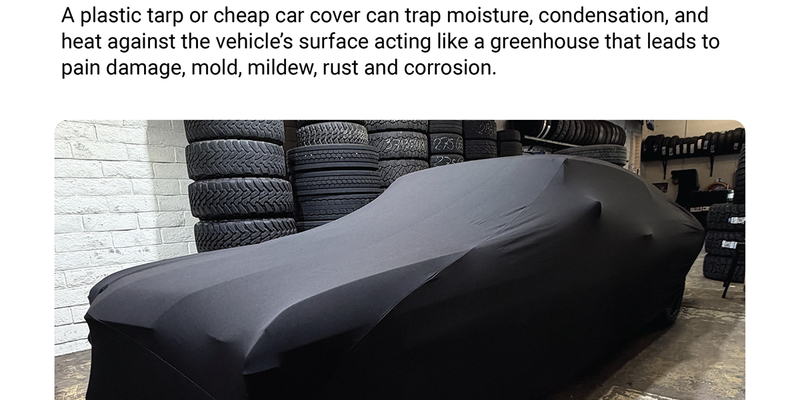
Is Oxford Fabric Good for a Car Cover? The Short Answer
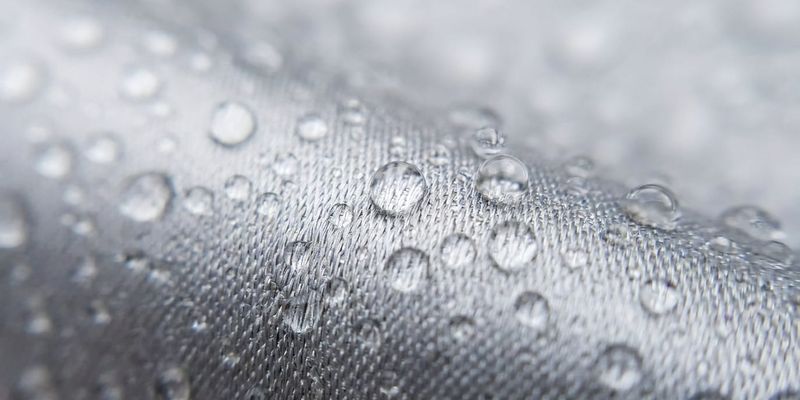
Yes. Oxford fabric is a tightly woven polyester or nylon material that works well for a car cover in moderate climates, resisting abrasion and shedding light moisture without much fuss. It isn't fully waterproof on its own, though, and that's the catch most product descriptions leave out.
The reason Oxford holds up at all comes down to how it's made. That basket weave construction, yarns interlaced in a crosshatch pattern rather than a simple over-under, is what gives it durability and tear resistance you don't get from thinner, flat-woven cover materials. It's a fabric built for friction, not submersion.
So is Oxford fabric good for a car cover in every situation? Not quite. The rest of this guide covers when it's the right call, when it isn't, and what to check before you buy one.
What Is Oxford Fabric, Exactly?
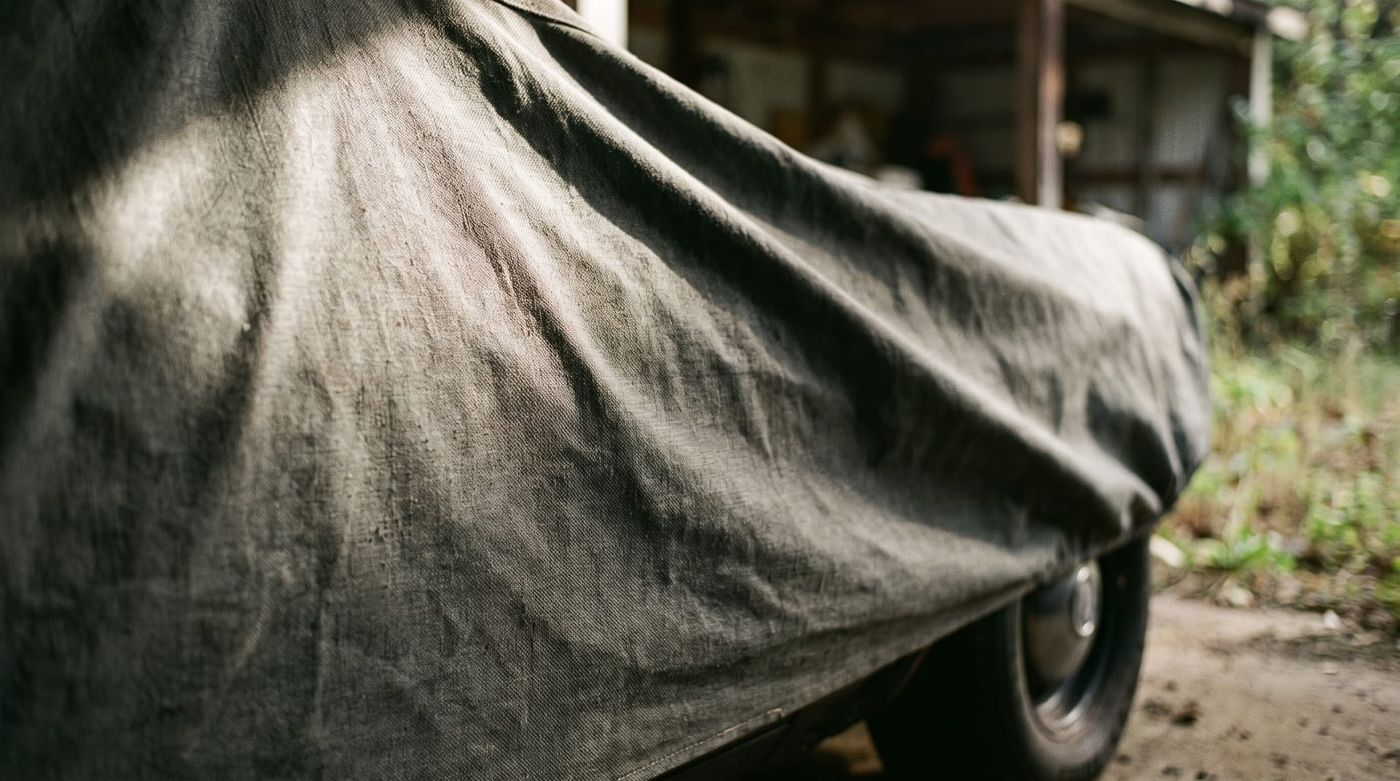
"Oxford" describes a weave, not a specific material. Picture interlaced yarns running in a basket pattern, thicker and more structured than a plain weave, which is what gives the fabric its characteristic slightly ribbed texture. You'll find it made from polyester, nylon, or cotton-polyester blends, each with different tradeoffs in stretch, weight, and water behavior.
That's the part people miss. Because "Oxford" is a construction method rather than a single branded material, quality swings wildly from one cover maker to the next. Two covers can both say "600D Oxford fabric" on the label and perform completely differently depending on the coating, the fiber quality, and how tight the weave actually is.
Denier (that "D" number) tells you yarn thickness, and it matters. Higher denier generally means a thicker, tougher fabric that shrugs off scrapes and branch contact better. But it comes at a cost: less breathability, more bulk, and a cover that's harder to fold down small. Lower-denier Oxford is lighter and easier to live with day to day, just less rugged if your car sits somewhere exposed to abuse.
The Strengths: Why Oxford Fabric Works for Car Covers

Abrasion resistance is where Oxford earns its keep. Tree sap, dropped branches, a bit of wind-blown grit, none of that chews through the weave the way it would a cheap, thin universal cover. If your car lives under a tree or near foot traffic, that toughness actually matters.
Water resistance is solid, not bulletproof. When the weave gets treated with a polyurethane or similar coating, Oxford handles drizzle, dew, and short rain spells just fine. That makes it a workable option for covered outdoor storage, think carport or driveway with some overhang, rather than a car left fully exposed to weather for weeks.
It also breathes better than vinyl or PVC. That matters more than people expect. A cover that traps moisture underneath causes more paint damage than rain ever would, so a fabric that lets a little air move through helps cut down on condensation buildup overnight.
And it's just easier to deal with. Oxford fabric is lighter than canvas-style covers, folds down smaller, and goes on and off the car without a wrestling match. For anyone using a cover daily, that convenience factor adds up fast.
The Limitations: Where Oxford Fabric Falls Short
Here's the thing people get wrong: "water-resistant" and "waterproof" are not the same word, and Oxford fabric is squarely in the first camp unless it's heavily coated. Untreated or lightly treated Oxford will eventually let heavy, sustained rain soak through. It sheds a shower fine. It won't hold up to a three-day storm.
UV resistance is inconsistent, too. This is one area where you genuinely get what you pay for. A quality coating slows down sun damage; a cheap one lets the fabric fade, stiffen, and degrade within a season or two of direct sun exposure. If your car sits in full sun most of the day, check the UV treatment specs before assuming "Oxford" alone covers you.
Winter is the bigger problem. Basic Oxford fabric isn't built for heavy snow load or ice buildup without some added waterproof backing. It'll handle a light dusting. It won't hold up as your primary defense through a real snow season.
And compared to premium multi-layer fabrics engineered specifically for extreme climates, Oxford does less to regulate heat and humidity underneath the cover. It's a solid generalist, not a specialist for harsh conditions.
Oxford Fabric vs. Other Car Cover Materials
It helps to see Oxford next to the alternatives instead of in isolation.
| Material | Abrasion resistance | Water resistance | Best use case |
|---|---|---|---|
| Oxford fabric | High | Moderate (coating-dependent) | Outdoor storage in mild to moderate climates |
| Polyester/PEVA blends | Moderate | Higher (often inherently waterproof) | Wetter climates, less debris exposure |
| Satin/fleece (indoor) | Low | Not designed for water exposure | Garage or indoor storage only |
| Heavy-duty laminated/multi-layer | High | High | Extreme sun, storms, long-term outdoor exposure |
Polyester and PEVA blends often lean more inherently waterproof, but they tend to give up some of Oxford's abrasion resistance in the trade. If your main concern is rain over durability, that's worth weighing.
Satin and fleece covers are a different category entirely. They're built for scratch-free indoor car covers, not outdoor duty, so comparing them to Oxford isn't really apples to apples. Don't put one outside expecting Oxford-like performance.
Heavy-duty laminated or multi-layer fabrics typically beat basic Oxford in storm and UV protection, full stop. They also cost more and weigh more, which is the tradeoff you're making either direction.
When Oxford Fabric Is the Right Choice
Oxford makes the most sense if you're in a mild-to-moderate climate, nothing extreme in the way of sun, snow, or multi-day downpours. Think seasonal rain, average sun exposure, the kind of weather most of the country actually deals with most of the year.
It's also a good match for short-to-medium-term outdoor storage, like a driveway or a carport with partial cover, rather than a car sitting fully exposed to the elements year-round. If you're parking under some kind of shelter already, Oxford's limitations matter a lot less.
Budget-wise, it's a fair middle ground. You're getting noticeably better protection than a thin universal cover, without paying premium prices for fully waterproof, multi-layer fabric you might not even need. For a lot of daily drivers, that's the right call.
How to Choose the Right Cover Material for Your Vehicle
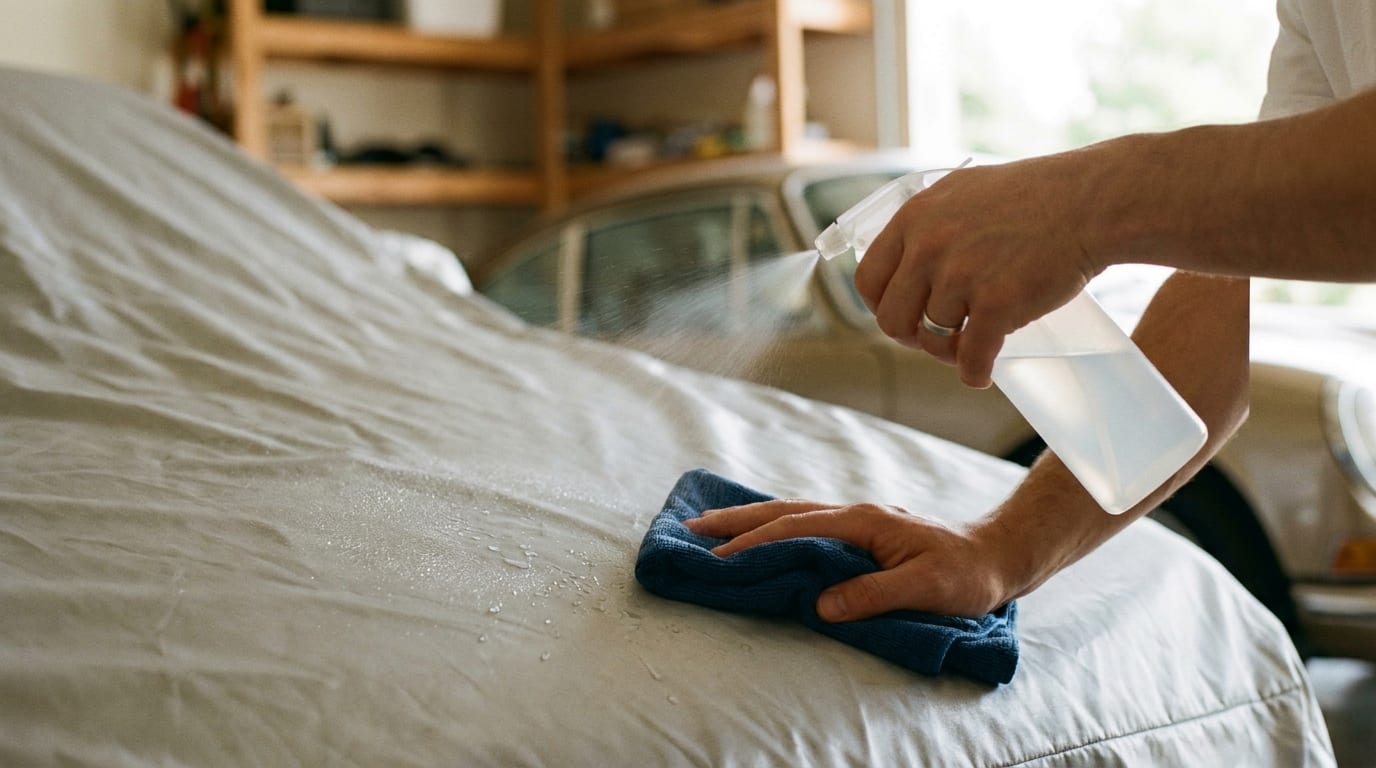
Start with your climate and storage setup, not your car. A convertible kept in a bone-dry garage has totally different needs than a truck parked outside in a rainy coastal town. Match the fabric to the conditions first; worry about vehicle-specific fit second.
Fit matters more than people assume, too. A custom-fit car cover in any fabric, Oxford included, will outperform a loose universal one, because gaps at the hem and mirrors let in wind-driven rain and dust no matter how good the material is. A great fabric on a bad fit still lets water in.
Before buying, actually read the spec sheet. Don't just see "Oxford" on the label and assume it's waterproof or UV-stable, check the denier weight and the coating details. If you're parking outdoors full-time, it's worth comparing against waterproof car covers and outdoor-specific options to see if you need more protection than standard Oxford offers. And if you're unsure what size or style your vehicle needs, a quick look at sizing guidance will save you a return.
If your car sits outside full-time with no shelter at all, it's also worth reading up on using a car cover outdoors before you commit to a material, since wind and UV exposure change the calculus more than rain alone does.
Bottom Line: Is Oxford Fabric Good Enough for Your Car Cover?
So, is Oxford fabric good for a car cover? For moderate conditions and everyday durability, yes, it's a smart, practical pick. For extreme weather or long-term fully exposed storage, it's not the top option out there.
If you're still weighing materials, it's worth browsing fit and waterproofing options before you buy, rather than guessing based on a label. And if you want the deeper dive on how different fabrics stack up against rain, sun, and storage conditions, the waterproof fabrics guide is the next thing to read.