Motorcyclist Rejoice: CarCovers.com Rolls Out a Full Motorcycle Cover Line
Published Updated
CarCovers.com has expanded its lineup to include a full range of motorcycle covers, along with covers built for ATVs, UTVs, and scooters. The new line covers both full-body and half-cover styles, in versions meant for indoor storage and outdoor exposure, giving owners of bikes and powersports vehicles the same level of protection that CarCovers.com already offers for cars, trucks, and SUVs.
This auto cover company has been building out its catalog since 2008, growing from a two-person operation into a business that ships across the U.S., U.S. territories, and Canada. The motorcycle line is the latest step in that growth, and it's aimed squarely at a segment of riders who've had fewer dedicated options than car and truck owners.
Quick Summary
- Full covers for complete, head-to-tail protection and half covers for quick coverage of the seat, tank, and front end
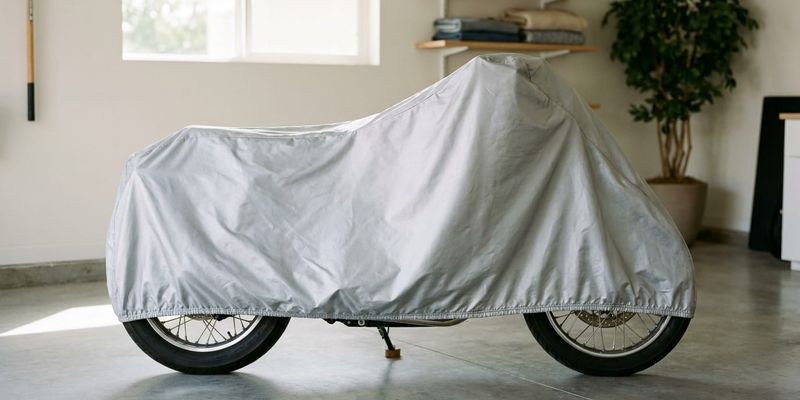
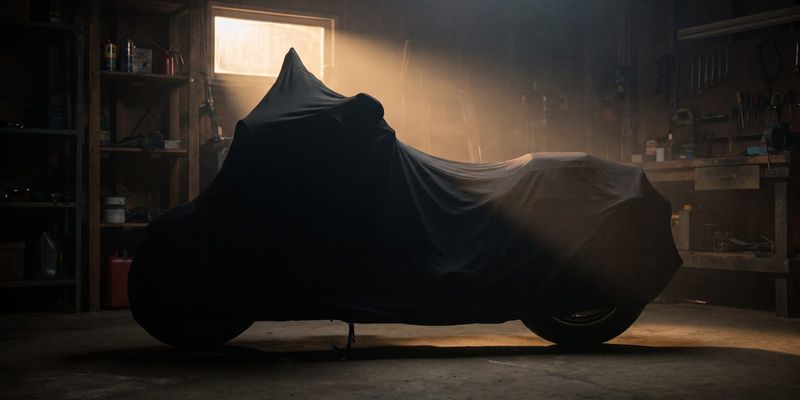
- Indoor options built for dust and minor scuffs in a garage or storage unit
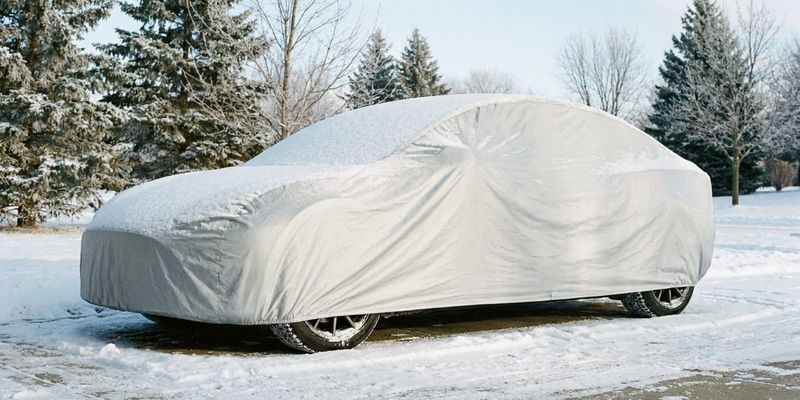
- Outdoor options built to handle rain, UV exposure, and wind
- Coverage extends beyond motorcycles to ATVs, UTVs, and scooters
What's Included in CarCovers.com's Motorcycle Cover Line
Rather than a single one-size-fits-all product, the new lineup breaks down by how and where the vehicle is stored.
| Cover Type | Best For | Typical Use |
|---|---|---|
| Full cover | Complete bike protection | Outdoor storage, long-term parking |
| Half cover | Partial protection, faster on/off | Daily riders who park briefly |
| Indoor cover | Dust, scratches, minor scuffs | Garages, storage units |
| Outdoor cover | Rain, sun, wind | Driveways, carports, uncovered lots |
Full covers run from the front wheel to the rear and are the right call for anyone storing a bike outside for more than a day or two at a time. Half covers trade some protection for convenience - they're easier to throw on and pull off, which matters if you're riding daily and just need to keep dew or dust off overnight. The same split applies to the ATV, UTV, and scooter covers that rolled out alongside the motorcycle line - each gets full and partial options depending on how the vehicle is typically parked.
Our New Line Of Motorcycle Covers
How to Choose the Right Motorcycle Cover
Picking a cover comes down to two things: fit and material. Get either one wrong and the cover either won't stay put or won't actually protect the bike.
Sizing and Fit
A cover that's too loose will flap in the wind, rub against paint and chrome, and eventually work its way off. One that's too tight won't go on cleanly and can stress seams. Measure the bike - length, width at the mirrors, and seat height - before ordering, and check the sizing chart against those numbers rather than guessing by make and model alone. The same sizing logic used for car covers applies here; see /vehicle-covers/what-size-car-cover-for-my-vehicle for a walkthrough of how to measure and match a cover to a vehicle.
Material and Weatherproofing
Indoor and outdoor covers use different materials for a reason. Indoor covers are typically a lighter, softer fabric since their job is blocking dust and preventing scratches, not fighting weather. Outdoor covers need to block UV rays, shed rain, and hold up to wind without trapping moisture underneath, which is why breathability matters as much as waterproofing. For a deeper look at what "waterproof" actually means on a vehicle cover and where it matters most, see /vehicle-covers/waterproof-car-covers.
Installing and Caring for Your Motorcycle Cover
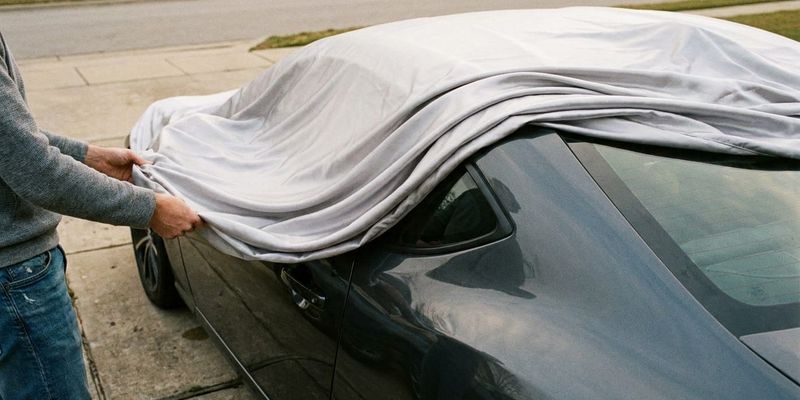
Putting a cover on correctly takes under a minute once you've done it a few times: drape it over the bike starting at the front, work it back over the seat and tail, and cinch any straps or elastic hems snug against the frame so wind can't get underneath. The same core technique used for car covers applies to motorcycle covers - see /installing-your-car-cover-a-simple-guide-to-easy-installation for the step-by-step version.
Cleaning matters more than most owners assume. Dirt and grit left on a cover can act like sandpaper against paint every time the cover shifts in the wind. A rinse with mild soap and water, air-dried before folding and storing, keeps the cover doing its job and extends its life. Full cleaning steps are at /cover-care-how-to-clean-a-car-cover.
Motorcycle Cover FAQ
Which Material Works Best for a Motorcycle Cover?
It depends on where the bike lives. Indoors, a lighter, breathable fabric is enough since the goal is blocking dust and preventing scuffs. Outdoors, you want a cover rated for UV resistance and water repellency that still breathes - a fully sealed, non-breathable fabric traps condensation underneath and can do more harm than leaving the bike uncovered.
What Size Motorcycle Cover Should You Buy?
Measure the bike's length, width at the widest point (usually the mirrors or handlebars), and overall height, then match those numbers to the cover's sizing chart. Don't size by make and model alone - aftermarket parts, saddlebags, and windshields all change the dimensions a cover needs to clear.
Should You Cover Your Motorcycle?
Yes, in almost every storage situation. Even in a garage, a cover keeps dust, pet hair, and incidental scratches off the finish. Outside, it's doing real work against sun fade, rain, and bird droppings, all of which degrade paint and chrome over time.
Can You Cover a Motorcycle While the Exhaust Is Still Hot?
No. Let the engine and exhaust cool down fully before covering the bike. A hot exhaust can scorch or melt the fabric where it makes contact, and it creates a real fire risk with some materials. Give it at least 30 minutes to an hour after a ride, longer in cold weather since exhaust pipes retain heat.
Do Motorcycle Covers Cause Rust?
A properly fitted, breathable cover doesn't cause rust - it prevents the moisture exposure that leads to it. Rust becomes a risk when a non-breathable cover traps condensation against the metal, or when a cover is thrown over a wet bike without letting it dry first. Dry the bike before covering it and choose a breathable outdoor fabric if it's parked outside.
What This Means Going Forward
CarCovers.com built its business on fitted protection for cars, trucks, and SUVs, and this expansion brings that same approach to motorcycles, ATVs, UTVs, and scooters. For riders who've been stuck choosing between generic tarps and ill-fitting universal covers, it's a more straightforward option: pick the cover type that matches how and where the vehicle is stored, size it correctly, and it should hold up to daily use.