
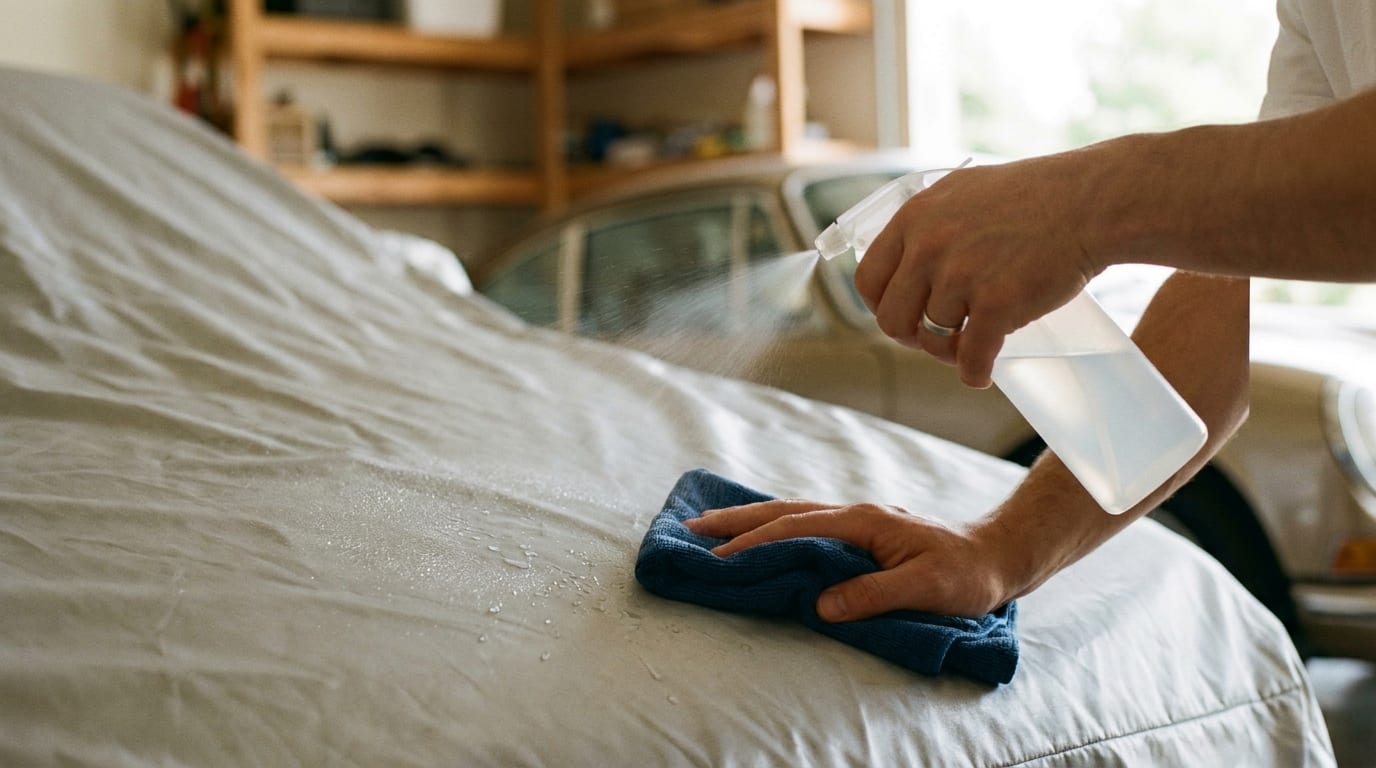
Is a Thin Car Cover Normal? The Short Answer
Yes. If your car cover arrived and it feels really thin, that's normal for a quality cover, as long as it's the right type of cover for how you're using it. Indoor and satin dust covers are built thin on purpose, often somewhere around 4 to 6 ounces of fabric per square yard, because their only real job is keeping dust and light scratches off a car sitting in a garage. They're not fighting rain or UV rays, so there's no reason to load them up with extra material.
Heavier outdoor and all-weather covers are a different animal. Those are built in multiple layers specifically to survive sun, rain, and hail, so they should feel noticeably more substantial in your hands.
The real test isn't "how thick does this feel compared to what I imagined." It's whether the fabric feels even across the whole panel, whether the stitching is clean and tight, and whether what showed up actually matches what you ordered. A thin indoor cover is expected. A thin outdoor cover, especially one that feels paper-thin or you can see light straight through it, is the one scenario worth stopping and checking against your order before you assume it's fine.
Why Material Weight Varies by Cover Type

Indoor and satin covers are soft and thin by design. Their whole purpose is dust control and preventing minor scratches in a space where weather isn't a factor, your garage or a carport. There's no benefit to making that fabric heavier. It would just make the cover bulkier to fold and store for no real gain.
Outdoor all-weather covers work differently. These use multi-layer non-woven polypropylene construction built to block UV rays, shed rain, and stand up to light hail. More layers means more weight, and that weight is functional, not just padding.
Here's something people don't expect: custom-fit covers can feel different from universal covers even within the same material tier. A tailored cover distributes fabric across your car's actual body lines, so panels over the hood or roof might feel different from panels cut for a generic sedan shape. That's fit engineering, not a change in material quality.
And fabric weight alone (what you'd see listed as GSM, grams per square meter) isn't the whole story. Weave density matters. So does whether there's a protective coating or laminate layer bonded to the fabric. Two covers with the same weight on paper can perform very differently depending on how tightly that fabric is woven and what's layered into it. If you're trying to figure out which material actually fits your situation, the car cover material comparison guide breaks down the differences by fabric type rather than by feel alone.
How to Tell "Thin But Fine" From "Thin and Defective"
Run your hand across the entire panel, not just one spot. Thickness should feel consistent edge to edge. Thin patches, bubbling, or anything that feels like a weak spot in the weave is a defect, full stop, not a design choice.
Check the stitching next. It should be even and tight throughout. If your cover is marketed as waterproof, look for taped or sealed seams, not just stitched ones, since stitching alone leaves tiny needle holes that let water through.
Feel for a coating or laminate layer if the listing mentions one. A cover that's supposed to have a protective layer should feel like it has one, not like a single flat sheet of fabric straight off a bolt.
Compare what's in your hands to the product listing and to the care tag sewn into the cover itself. That tag usually confirms material and fabric type, and it's a quick way to settle "is this actually what I ordered" without guessing.
Then try the light test. Hold the fabric up to a window or a lamp. Heavier outdoor covers should block most of the light coming through. Lightweight indoor covers will let some light through, but it should look even across the whole panel. Patchy spots where light comes through unevenly, bright in one area and dim in another, point to inconsistent material, and that's worth flagging.
What a Quality Thin Cover Should Still Have
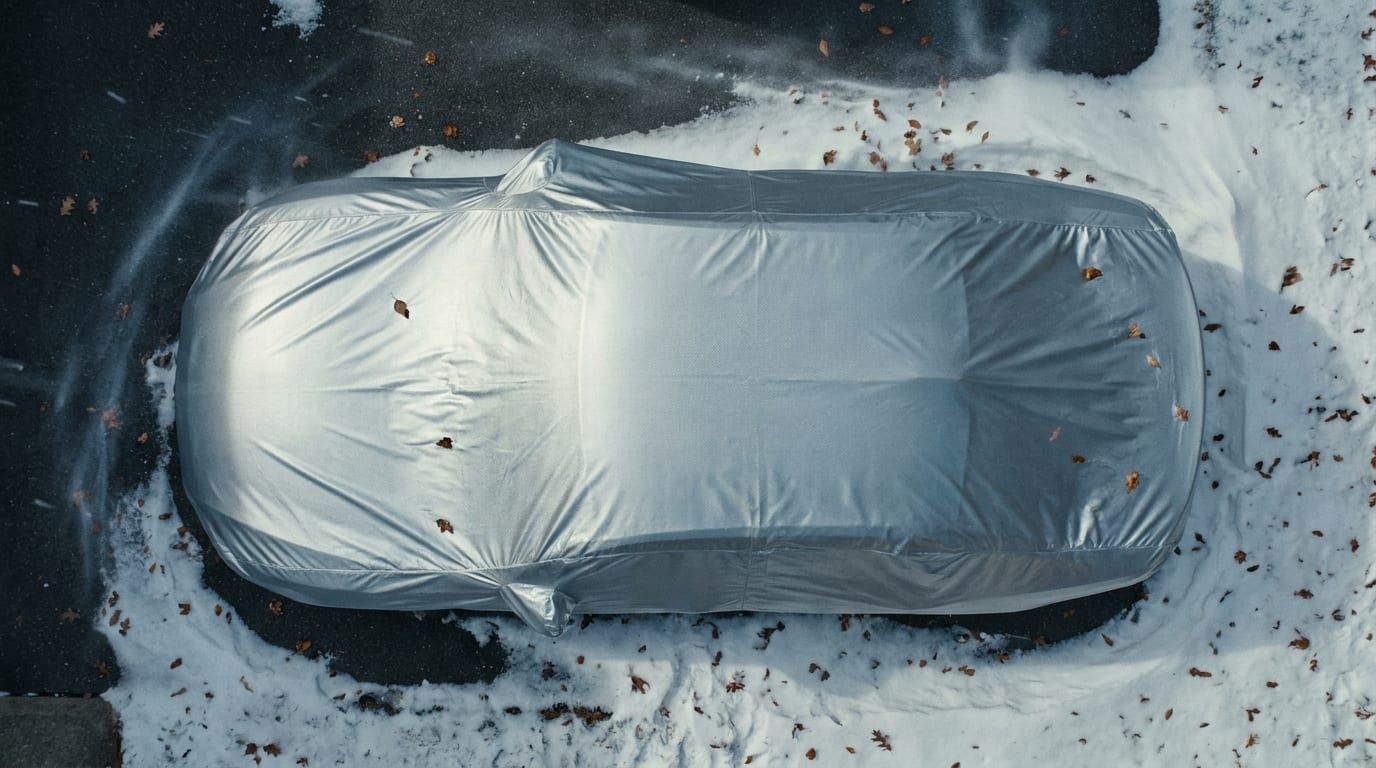
Thin doesn't mean undercooked. Even a lightweight fabric needs to breathe, letting moisture escape instead of trapping it against your paint. A cover that seals moisture in is worse than no cover at all, regardless of how thick or thin it is.
You should also find an elastic hem or grommet points built in, whether the fabric is heavy or light. Those are what let you secure the cover with a strap or a cable lock so it doesn't blow off or shift overnight.
UV-resistant treatment matters too, even on lighter fabrics. A thin indoor cover isn't fighting direct sun exposure the way an outdoor one is, but if it's ever near a window or gets some incidental light, that treatment still protects the fabric itself from breaking down early.
Reinforced seams and grommets are another good sign. A thin base fabric that still has reinforcement at stress points tells you the manufacturer thought about durability without just piling on bulk. That's actually harder to engineer than making something thick everywhere.
And sizing matters as much as material weight does. A loose cover on thin fabric flaps around in any bit of wind, and that flapping wears down the fabric fast, thin or not. If you're not sure your cover fits right, the custom-fit car cover guide walks through how a properly sized cover should sit against the body panels.
When Thin Material Signals an Actual Problem
Some signs aren't ambiguous. Pilling, stretching, or sagging within the first few days of use isn't a lightweight design choice, it's premature wear that shouldn't happen that fast.
Inconsistent thickness across the fabric, bubbling, or a patchy feel in different spots on the same panel points to a manufacturing defect. Good fabric is uniform. Bad fabric isn't, and you'll feel the difference once you know what to check for.
If you ordered something marketed as waterproof or all-weather and it's noticeably sheer, almost see-through compared to how it's described, that's a mismatch worth raising. That's one of the clearest cases where "my car cover arrived and it feels really thin, is that normal for a quality cover" has an actual answer: no, not for that product tier.
Fabric that tears with a gentle tug is another red flag, as is a strong chemical smell straight out of the packaging. None of these are things a legitimate lightweight cover should do. They're signs you got a defective unit, or the wrong item shipped entirely.
What to Do If You Suspect a Defective or Mismatched Cover
Start by comparing the fabric in your hands against the exact tier and material spec listed on the product page for what you ordered. Don't rely on memory, pull up the actual listing.
Take photos of the material and any visible defect before you contact support, and do it while you're still within the warranty window. Having clear photos upfront speeds up the whole process.
CarCovers backs its products with a lifetime warranty and a no-hassle guarantee, so if your cover doesn't match what was described, you're not stuck with it. Reference both when you reach out about an exchange or replacement.
If the cover needs to go back rather than get swapped, the return policy lays out the steps for sending it back.
Once you've got the right cover confirmed and in hand, follow proper cleaning and care steps from day one. That keeps even a lightweight fabric performing the way it's supposed to for the long haul.
Choosing the Right Weight Next Time
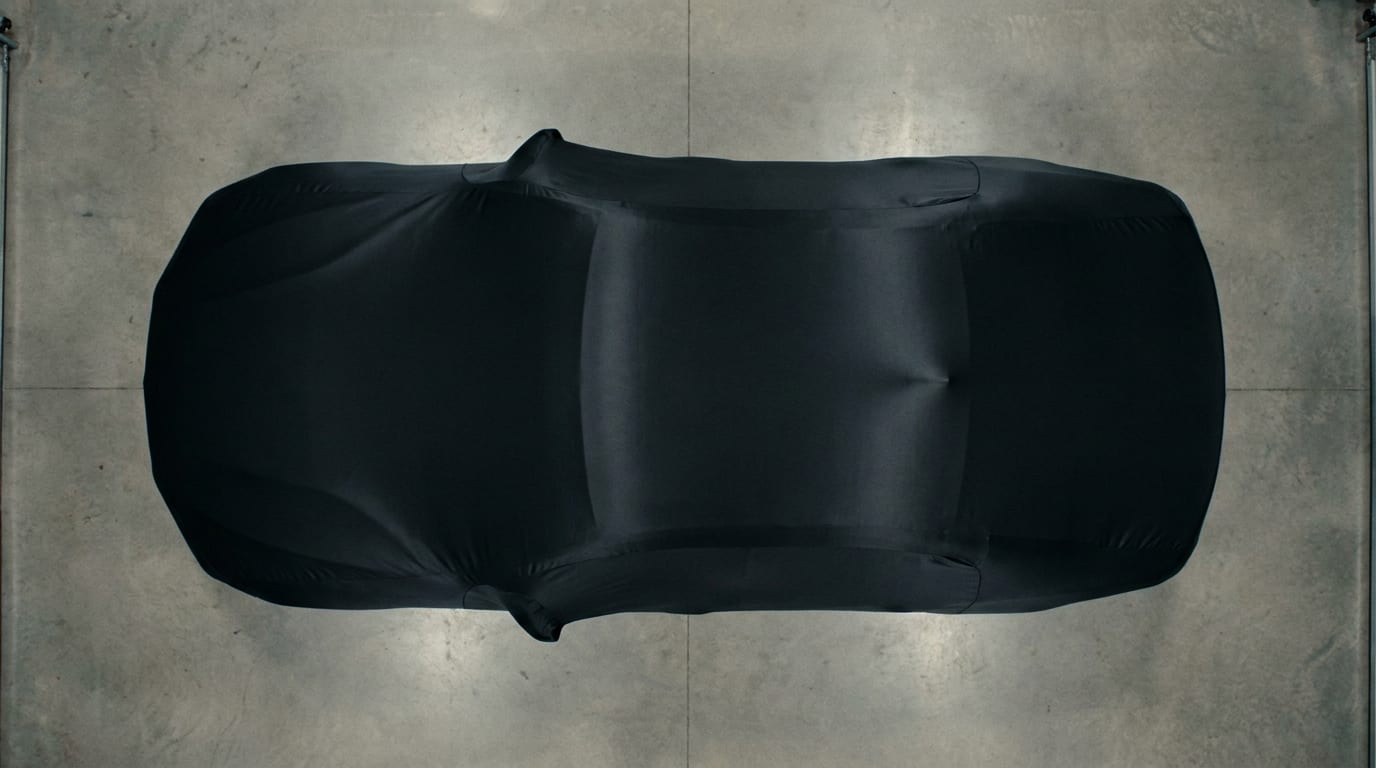
Match the cover's weight to how you're actually storing the car, not to what feels "substantial" in the store. Light indoor dust protection, daily outdoor exposure, and harsh climates with hail or heavy sun all call for different builds.
The indoor car cover guide and outdoor car cover guide both break down which fabric tier fits a specific garage or driveway setup, rather than leaving you to guess from thickness alone.
If rain is your main concern, check the waterproof car cover guide and the full guide to outdoor cover performance first. Waterproofing changes which weight actually makes sense, and it's easy to overbuy or underbuy if you skip that step.
If you're still sorting out what's normal for your situation, it's worth browsing CarCovers by vehicle to get matched to the right material tier for your car and your climate, instead of judging a cover by how thick it feels off the shelf. And if you want more breakdowns like this one before your next purchase, keep an eye on the car care resources section for buying guides that go beyond the product label.






