
The Affordable Car Cover Guide for Kia Optima Owners (Without Cutting Corners)
Published
Why Your Kia Optima Still Needs a Real Cover, Even on a Budget
You want to protect your Optima's paint, keep the interior from baking in UV rays, and hold onto resale value. What you don't want is to drop $150 or more on a cover for a sedan. Fair enough.
Here's the catch: parked outdoors, an Optima takes a beating you might not notice day to day. Sun fades the hood and trunk first, since those panels catch the most direct light. Bird droppings etch into clearcoat if they sit for a few days. Tree sap does the same, just slower. A cheap tarp from the hardware store won't stop any of it, and in some cases makes it worse by trapping moisture against the paint.
So this guide sets a realistic budget range for an affordable car cover for Kia Optima owners, plus a quality floor you shouldn't drop below just to save ten bucks. "Affordable" and "disposable" aren't the same thing, and you can hit a real price without landing on garbage.
One more thing before the price talk: fit matters more than almost anything else here. A cover built around the Optima's actual sedan dimensions will outperform a universal "fits most" cover at the same price point, every time. If your Optima lives outside, that fit difference gets even more important, which is where outdoor-rated covers start to earn their keep.
What Actually Drives Car Cover Prices Up (and What's Safe to Skip)
Three things mostly set the price: fit type, layer count, and hardware.
Custom-fit covers are cut to one specific model year and trim. Semi-custom covers are shaped for a body style (sedan, in your Optima's case) but not laser-precise. Universal covers are just big rectangles of fabric with some elastic, sold for "most cars." Each step up in precision adds cost, but it also adds performance, which is the trade-off you're actually making.
Layer count is the other big one. A four-layer or six-layer hybrid cover built for year-round outdoor extremes (think: snow, hail, and 100-degree sun all in the same cover) costs more because it's doing more work. If your Optima spends most of its life in a garage and only sees the elements occasionally, you're paying for weather resistance you don't need.
Then there's the stuff that sounds nice but doesn't protect anything: brand-name premiums, built-in solar panel pockets, antenna patch kits you'll never use. None of that is bad, exactly. It's just not core protection, and you have full permission to skip it if your storage situation doesn't call for it. A semi-custom fit with solid fabric beats a brand-name cover loaded with features you won't touch.
The Minimum Quality Bar: What Your Budget Cover Should Still Include

Cheap is fine. Under-built is not. Here's the floor you shouldn't go below:
- Breathable, water-resistant fabric (not solid vinyl)
- A UV-resistant coating or UV-stabilized fiber
- An elastic hem or a hem cord to keep the cover cinched down
- Reinforced seams at stress points like mirror cutouts and corners
Skip any of these and the cover can do more harm than good. Thin, non-breathable vinyl traps condensation underneath it. That moisture sits against the paint, and over time it does more damage than no cover at all would've done. UV coating matters for the same reason sunscreen matters: without it, the fabric itself degrades fast, and so does the paint underneath.
A fast way to gauge quality on a budget-tier cover: check if it comes with any stated warranty. A seller willing to back a cover for a year or more, even a basic one, usually means the fabric meets a baseline standard. CarCovers backs its covers with a lifetime warranty, which is worth comparing against whatever shorter window a bargain listing offers.
These four features matter differently depending on how you use the car. Garaged Optima needing dust and scratch protection? Breathable fabric and elastic hem are your priority. Parked outside daily? UV coating and reinforced seams move to the top of the list.
Budget Price Ranges for a Kia Optima Cover (What You Actually Get)
| Tier | Typical Price Range | Best For |
|---|---|---|
| Entry | $30 to $50 | Garaged Optimas needing dust and light scratch protection only |
| Mid | $50 to $90 | Part-time outdoor parking, general weather exposure |
| Upper-budget | $90 to $140 | Full-time outdoor parking, semi-custom fit with UV and seam reinforcement |
Entry tier covers are lightweight, indoor-only, and do exactly one job: keep dust and surface scratches off a car that's mostly protected by four walls already. Don't expect water resistance here, and don't ask for it.
Mid tier is where most Optima owners should actually land. Single-layer water-resistant outdoor covers in this range handle rain, sap, and bird droppings without the premium pricing of a true all-weather hybrid. For a sedan that's parked outside some of the time but not living in a driveway through every season, this tier is the sweet spot.
Upper-budget tier adds semi-custom shaping, better seam work, and stronger UV protection. Worth the jump if your Optima sits outside full-time, since the better fit alone reduces wind flap and wear.
One warning: avoid the rock-bottom universal covers that don't list a fabric weight or UV rating anywhere on the packaging or product page. That's not a deal, that's a guess, and you're the one taking the risk. Browse the full car cover lineup and you'll notice the listings worth trusting are the ones that actually spec out their materials.
Material Matters: Choosing Fabric Without Overspending
Not all budget fabric is equal. Polypropylene blends tend to breathe better and shed water more consistently than basic polyester at a similar price. Thin coated vinyl, meanwhile, often loses to a denser woven fabric even when the vinyl costs about the same, because the woven material flexes with temperature changes instead of cracking.
Climate should actually drive this decision more than brand. Humid regions need breathable fabric above almost everything else, or you're trapping moisture under the cover and accelerating the exact problem you bought it to prevent. Dry, sunny climates should prioritize UV resistance instead, since heat and light exposure (not moisture) is the bigger threat there.
If you want the full fabric-by-fabric breakdown before deciding, the material comparison guide covers breathability, water resistance, and durability side by side. Worth five minutes before you check out. And if water is your main concern, waterproof-rated covers narrow the search down fast.
Getting the Fit Right Without Paying for Full Custom
Universal covers are shaped for nobody in particular. Semi-custom covers are shaped for a body style, in this case a mid-size sedan. Full custom covers are built around one specific Optima model year and trim. For most owners, semi-custom hits the value sweet spot: better shaping than universal, without paying the full custom premium.
Here's the thing about a poorly fitted cheap cover: it flaps in the wind. That flapping isn't harmless. It rubs fine grit against the clearcoat every time the wind picks up, which over months causes more surface wear than skipping the cover entirely would've caused. Fit isn't a nice-to-have here, it's half the protection.
Quick sizing checklist before you buy:
- Measure bumper-to-bumper length on your actual Optima, not a spec sheet guess
- Check whether the cover includes a mirror pocket (Optima's mirrors stick out further than you'd think)
- Confirm antenna cutout placement if your Optima has a fixed antenna
Run your measurements against the sizing guide before you check out. Five extra minutes here saves you a return shipment later.
Where to Buy and How to Protect Your Purchase
Buy from a retailer with a clear return policy. Budget covers carry more fit and quality risk than premium ones, simply because the margin for error is smaller, so you want an easy way out if the cover doesn't match the listing.
Before defaulting to the cheapest off-brand option you can find, check clearance sections. Name-brand covers show up there at discount pricing fairly often, and you get the same fabric quality at a lower price just because of seasonal overstock or last year's packaging. Worth checking the clearance collection before you settle for unknown-brand filler.
A no-hassle return policy is really what lowers the risk of trying an affordable cover for the first time. If the fit's off or the fabric feels thinner than expected, you're not stuck with it.
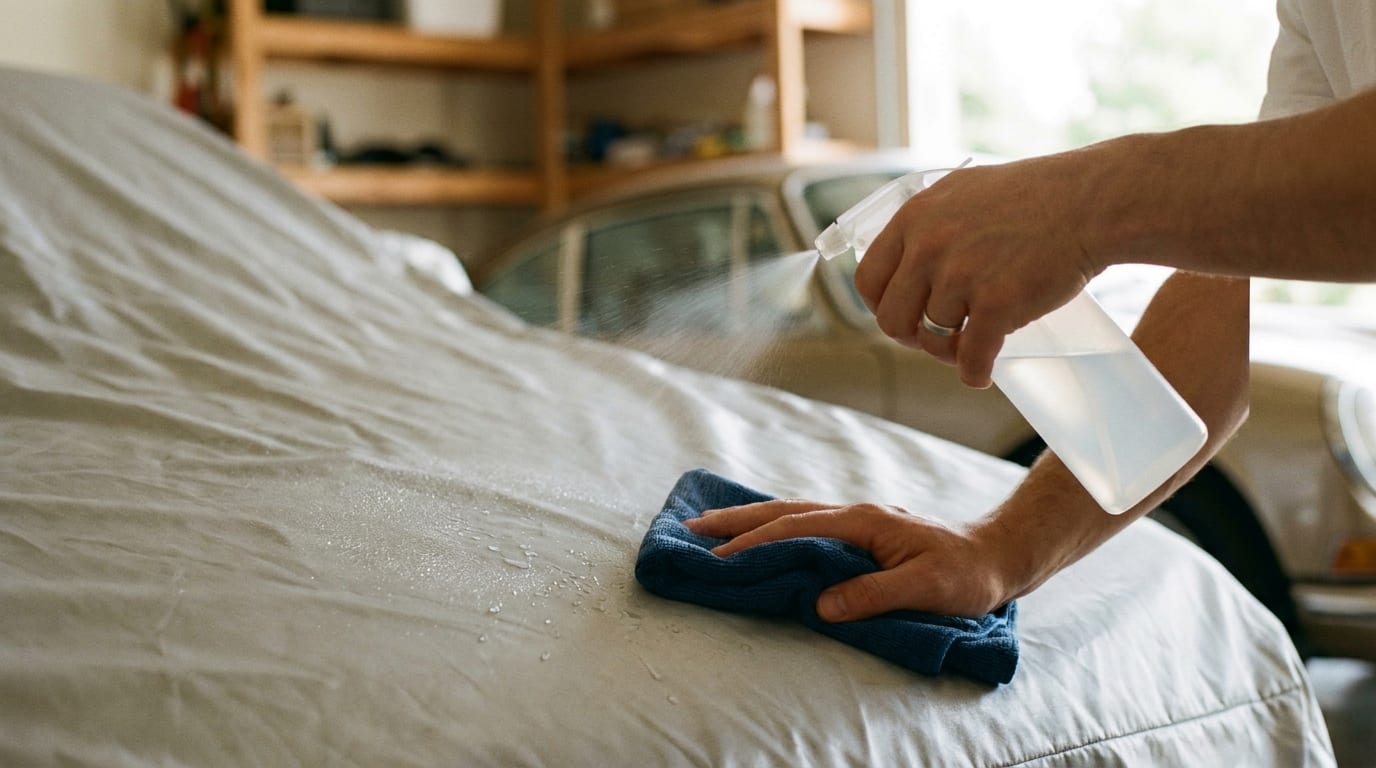
Once you've got the cover, basic care stretches its lifespan a lot further than the price tag alone would suggest. Shake off loose debris before folding it. Never fold or bag it while it's still wet, since that's how mildew gets started. None of this is complicated, it's just easy to skip when you're in a hurry.
You can compare current options sized for the Optima once you know what tier and fit you're after.
Finding Your Affordable Kia Optima Cover
Breathable fabric, UV resistance, an elastic hem, reinforced seams, and some kind of warranty behind it. That's the floor. Anything below it isn't really saving you money, it's just moving the cost to your clearcoat later.
Spending a little above the rock-bottom price almost always pays for itself in paint protection and how long the cover actually lasts. The gap between a $35 universal cover and a $70 semi-custom one is small money compared to a respray.
If you're still comparing options, it's worth browsing a few current listings side by side before deciding. And if you found this rundown useful, stick around the blog for more straight-talk buying guides before your next car care purchase.






