


The Best Car Cover for a Volkswagen Atlas: Fit, Sizing & Buying Guide
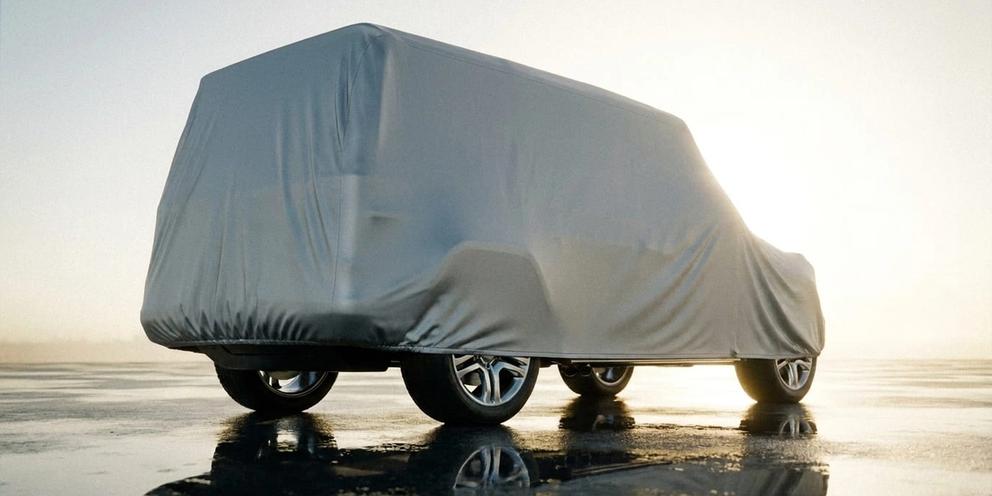
An Atlas parked outside all week is basically a billboard for weather damage. Volkswagen's biggest SUV stretches close to 200 inches nose to tail, and that size works against you the second you try to throw a generic cover over it. Loose fabric flaps in the wind, rubs against the clear coat, and eventually wears a thin patch right into the paint. If you're shopping for a car cover for a Volkswagen Atlas, the goal isn't just "something that fits over it." It's a cover cut for this specific vehicle, in a material suited to how and where you park.
The exposure risks are real and specific to a vehicle this size. That flat hood and roof catch tree sap and bird droppings that eat into UV-weakened clear coat. Parked outside long-term, UV rays alone will fade paint over a season or two. And if you're anywhere in hail country, a three-row SUV with that much flat surface area is an easy target. This page is here to help you land on the right size and the right material tier for your specific Atlas model year before you buy, because getting either one wrong means a cover that underperforms or doesn't fit at all. Factory options like roof rails, running boards, and a panoramic sunroof all change how a cover needs to be cut and secured, too, so those details matter more than they seem.
Custom-Fit vs. Universal: What Actually Fits an Atlas
Custom-fit and semi-custom patterns are built off the Atlas's actual body lines: mirror shape, roofline, wheel arches, the works. Universal covers aren't. They're cut to a generic sedan-or-SUV silhouette meant to stretch over dozens of different vehicles, which means they fit none of them particularly well.
On an Atlas, that shows up in predictable places. Side mirrors get skipped entirely, leaving a gap that lets in wind and rain. The roof rail channels sit slightly proud of the roofline, so a universal cover bridges over them instead of following the contour. And the third-row window line, where the Atlas's roof starts its rear taper, is usually where a universal cover just runs out of shape and bunches up.
A properly fitted cover also solves a problem you don't think about until it happens: wind lift at the front doors and A-pillars. Oversized universal covers billow there first, and that constant flapping is what tears grommets and wears through paint edges over a season.
Here's the simple rule. If your Atlas is a long-term keeper, or if it lives outside more nights than it doesn't, spend the money on custom-fit car covers. Universal only makes sense if you need something for an occasional afternoon, like a quick cover during a road trip stop, not day-to-day protection.
Volkswagen Atlas Cover Fit & Size Guide by Year
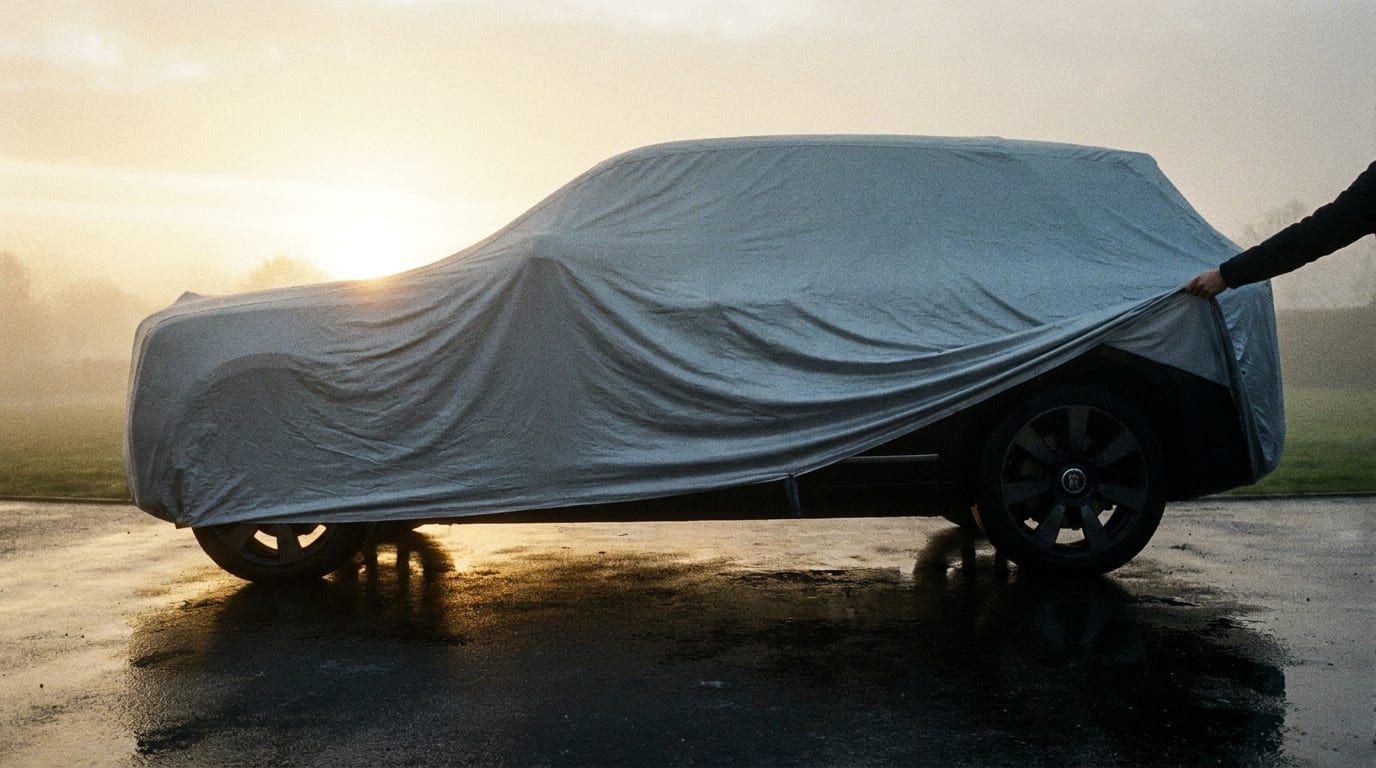
The Atlas has gone through some meaningful body changes since 2018, and each one affects where a cover needs to taper, cinch, or leave clearance. Before you buy, check which era your Atlas falls into.
2018-2023 (first-generation Atlas)
- Body notes: Standard three-row SUV roofline, factory roof rail mounts on most trims, mirror pockets positioned for the stock mirror housing shape
- Fit considerations: This is the most common Atlas body on the road, and most custom patterns are built around this profile first
2021-2023 Atlas Cross Sport
- Body notes: Shorter overall length with a coupe-style sloped roofline
- Fit considerations: Needs a different rear taper than the standard Atlas. A cover built for the three-row model will sit loose or bunch at the rear glass on a Cross Sport
2024+ Atlas (facelifted)
- Body notes: Revised front fascia and a redesigned light bar that changes nose length slightly
- Fit considerations: Front hem clearance shifts a bit compared to earlier years. Worth double-checking before you order if your Atlas is a 2024 or newer
One more wrinkle: trim level. SE, SEL, and SEL Premium or Execline trims often add running boards or roof rails that the base model doesn't have, and those add-ons change where tie-down straps anchor underneath the vehicle. Before you select a cover, confirm what your specific trim is carrying, roof rails, spoiler, running boards, so the grommet and strap points actually line up once it's on. If you're not sure how sizing works across body styles, our guide on choosing the right car cover size walks through it in more detail. And when you're ready to match a cover to your exact Atlas, the Volkswagen SUV cover page is where you'll select year and trim.
Choosing the Right Material for How and Where You Park
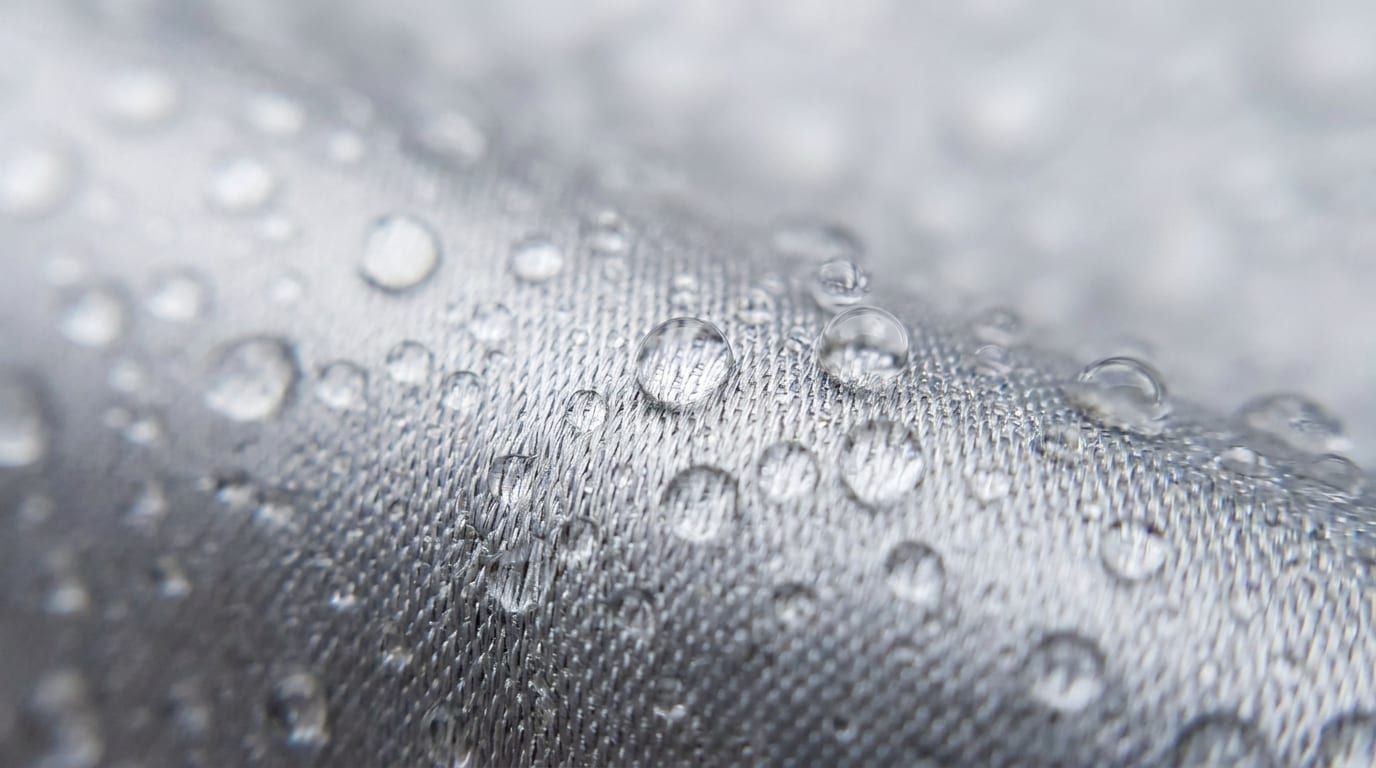
Fit gets your cover on the vehicle correctly. Material determines whether it actually protects the Atlas long-term, and this is where a lot of buyers default to whatever's cheapest instead of what matches their situation.
If your Atlas parks outside every day, rain or shine, go with a multi-layer waterproof car cover built with UV-resistant fabric. It's handling sun, rain, and road grime simultaneously, and a thinner single-layer cover just won't hold up to that combination for long.
Garage or carport storage is a different problem entirely. Moisture isn't really the concern indoors, dust and incidental scratches are, so a lighter, breathable, satin-style indoor car cover does the job without trapping humidity against the paint. Wrapping an outdoor-grade waterproof cover around an Atlas that lives in a garage is overkill, and it can actually hold moisture against the body if the garage isn't well-ventilated.
If you're in a hail-prone region, the Midwest, Texas, and Colorado all come to mind, step up to a heavier padded cover tier built for impact resistance. Our hail car cover guide breaks down what that padding actually needs to do. Skipping this step to save money is the one shortcut I'd push back on hardest. A hailstorm on an uncovered or thin-covered Atlas hood is an expensive lesson.
The honest takeaway: match the material to your climate and your storage habits, not your budget alone. A cover that's wrong for your environment, too heavy indoors, too thin outdoors, wears out faster and can trap moisture that damages the paint underneath it.
Installation, Straps, and Lock-Down for Wind & Theft
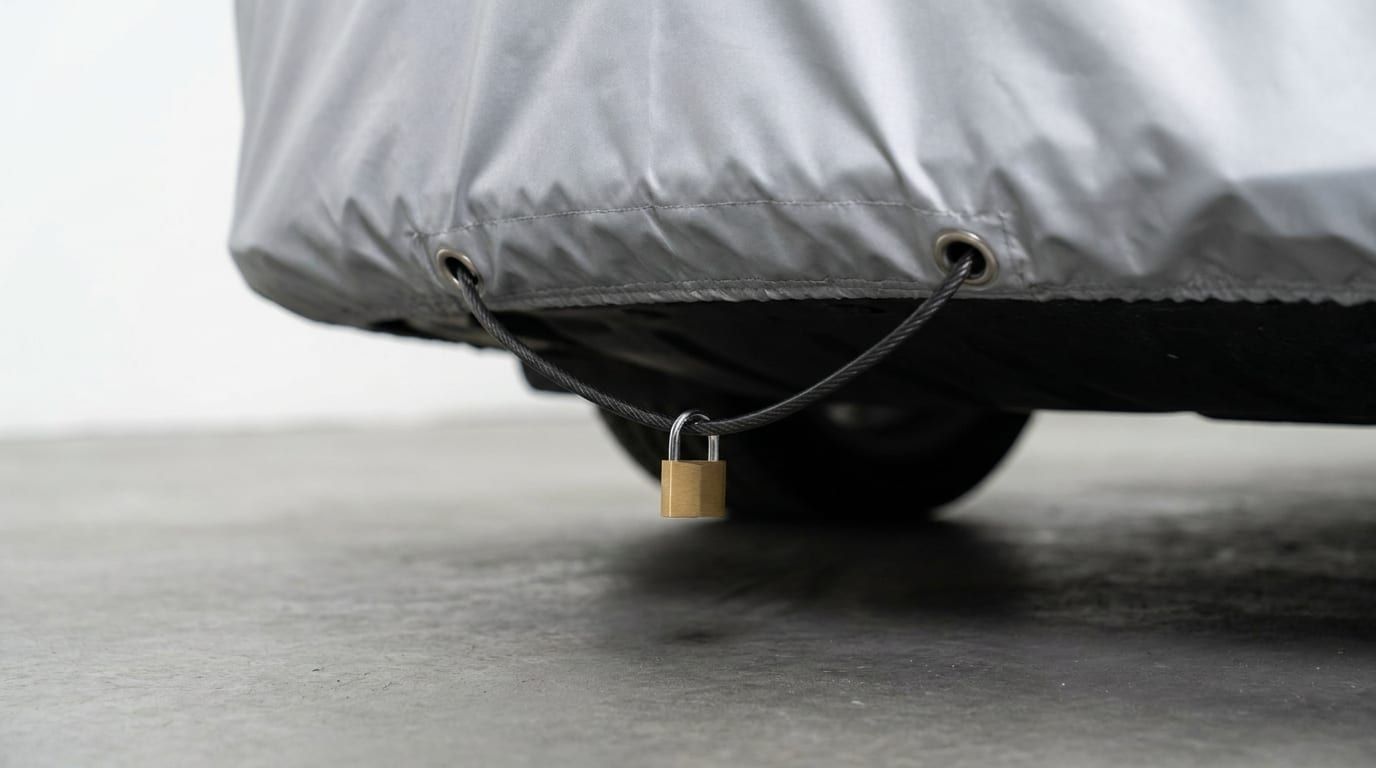
A grommet-and-strap hem system is what keeps a cover snug against the Atlas's rocker panels instead of ballooning in a crosswind. The straps thread through grommets along the bottom hem and cinch underneath the vehicle, pulling the fabric tight against the body line rather than letting it hang loose.
If you park somewhere open, windy, or anywhere near highway-adjacent traffic, add gust straps. These run underneath the vehicle and clip to both sides of the cover, holding it down against wind that a basic hem cinch alone won't fully control. Our gust strap installation guide covers the exact routing.
Cable locks add a theft deterrent layer, threading through the cover's grommets and around a fixed anchor point, and roof rails make a solid anchor on Atlas trims that have them. It won't stop a determined thief, but it does stop someone from casually pulling the cover off. Here's how to run one: see the cable lock installation guide for the step-by-step.
The installation order that works every time: drape the cover over the vehicle, secure the mirror pockets so they seat correctly, cinch the front and rear hems snug, add gust straps if you're using them, then lock the cable through the grommets if you want that extra layer.
Caring for Your Atlas Cover So It Lasts
A cover is only protecting your Atlas if you're also protecting the cover. Outdoor covers should get a rinse and full air-dry roughly once a month, more often if you're dealing with sap, dust storms, or road salt. Indoor covers need a lot less, a seasonal wipe-down usually covers it since they're not fighting the elements directly.
Between uses, store the cover in its included storage bag rather than balling it up in the trunk or leaving it on a garage floor. That prevents mildew from developing in folds that stay damp, and it keeps the fabric from creasing in ways that weaken the coating over time. Full details are in our cover cleaning and care guide.
One thing worth factoring into your decision up front: a lifetime warranty on materials and workmanship is a real part of total cost of ownership, not just marketing language. A cover that's warrantied against defects for the life of the product costs less over time than a cheaper one you're replacing every couple of years.
And skip the machine dryer. Heat and tumbling break down waterproof coatings fast, and harsh detergents do the same thing chemically. Air dry, mild soap, and you'll get years more life out of the fabric.
Get Your Volkswagen Atlas Covered
Two decisions, in order. First, match your Atlas's model year and trim to the fit chart above, first-gen, Cross Sport, or facelifted 2024+, and account for any roof rails or running boards. Second, match your parking environment and climate to the right material tier, waterproof for daily outdoor parking, breathable indoor fabric for the garage, padded protection if hail is a real risk where you live.
Once you've got both dialed in, head to the Volkswagen SUV cover page and select your exact Atlas year and trim to lock in the correct sizing. If you're unsure about fit or material once it arrives, the no-hassle guarantee and return policy are there so a wrong call isn't a wasted purchase.
If you're still comparing options or just want more on protecting your Atlas year-round, our other car care guides are worth a browse before you commit. But if you already know what you need: order a custom-fit cover sized specifically to your Atlas generation, and stop giving the weather a free shot at your paint.
Updated