


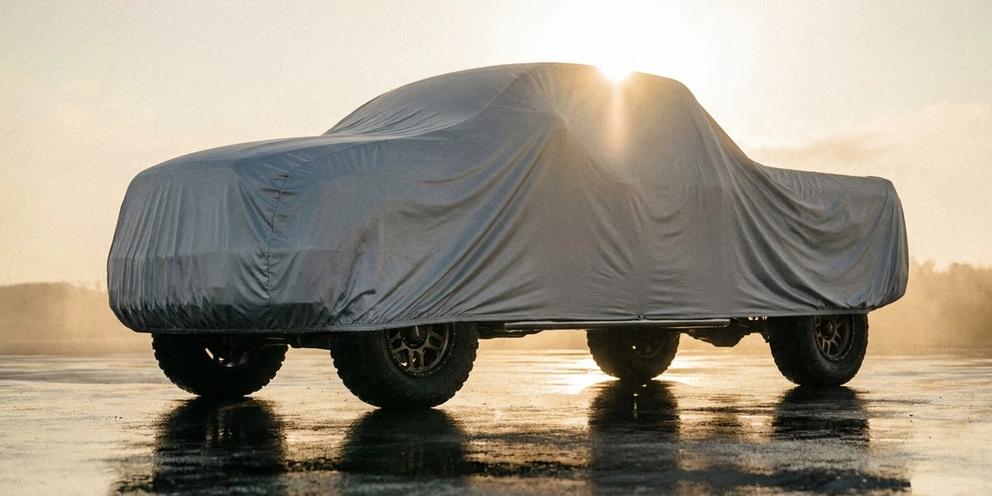
The Best Car Cover for Chevrolet Silverado: Fit Guide & Size Chart by Generation
A universal cover slapped onto a Silverado is a losing bet. The mirror pockets sit wrong, the bed pools water after a storm, and the fabric flaps against the tailgate seam until it wears a hole straight through. If you're shopping for a car cover for Chevrolet Silverado trucks, the fit is the whole game, not an afterthought.
Here's why it's trickier than covering a sedan: Silverados come in Regular Cab, Double Cab, and Crew Cab configurations, each paired with Short, Standard, or Long bed options. Mix and match those wrong and you end up with a cover that's either too short to reach the bumper or so long it drags on the ground and collects grit. This article walks through the generations, gives you a size-and-fit reference table, and breaks down what separates a properly fitted cover from a one-size-fits-most universal one. Once you know your exact cab and bed combination, you can head straight to the Chevrolet truck cover page and order with confidence instead of guessing.
Before you buy anything, it's worth running your specific year and trim through the vehicle size and fit guide too. It only takes a minute, and it saves you a return.
Chevrolet Silverado Generations and Configurations This Cover Fits
Silverado 1500 buyers today are usually looking at one of three eras. The current generation runs 2019 to present, and it's noticeably longer and boxier than what came before. The previous generation, 2014 to 2018, has a slightly shorter overall footprint and different mirror housings. Then there's the "Classic" body style, 2007 to 2013, which carries over the older sheet metal even after the redesign launched, so don't assume a 2007 and a 2013 are identical to a 2014.
Cab style changes the cover's cab-to-bed transition point:
- Regular Cab: single row, shortest cab length
- Double Cab: extended cab with rear-hinged doors, mid-length
- Crew Cab: four full doors, longest cab footprint
Bed length changes everything from the bed's midpoint back:
- Short bed: roughly 5'8"
- Standard bed: roughly 6'6"
- Long bed: roughly 8'
If you're driving a 2500HD or 3500HD, the cab and bed logic is the same, but the overall truck is longer and wider than a 1500. Don't assume a 1500 cover will stretch to fit. Check your trim badge or door jamb sticker before ordering.
Bottom line: year range, cab style, and bed length are the three data points that determine correct fit. Get any one wrong and the cover won't sit right. If you're not sure how your bed length compares to another truck you've owned, the pickup truck bed size guide breaks down how manufacturers measure beds and why the numbers on the window sticker don't always match what you'd measure with a tape.
Silverado Cover Fit & Size Reference Table
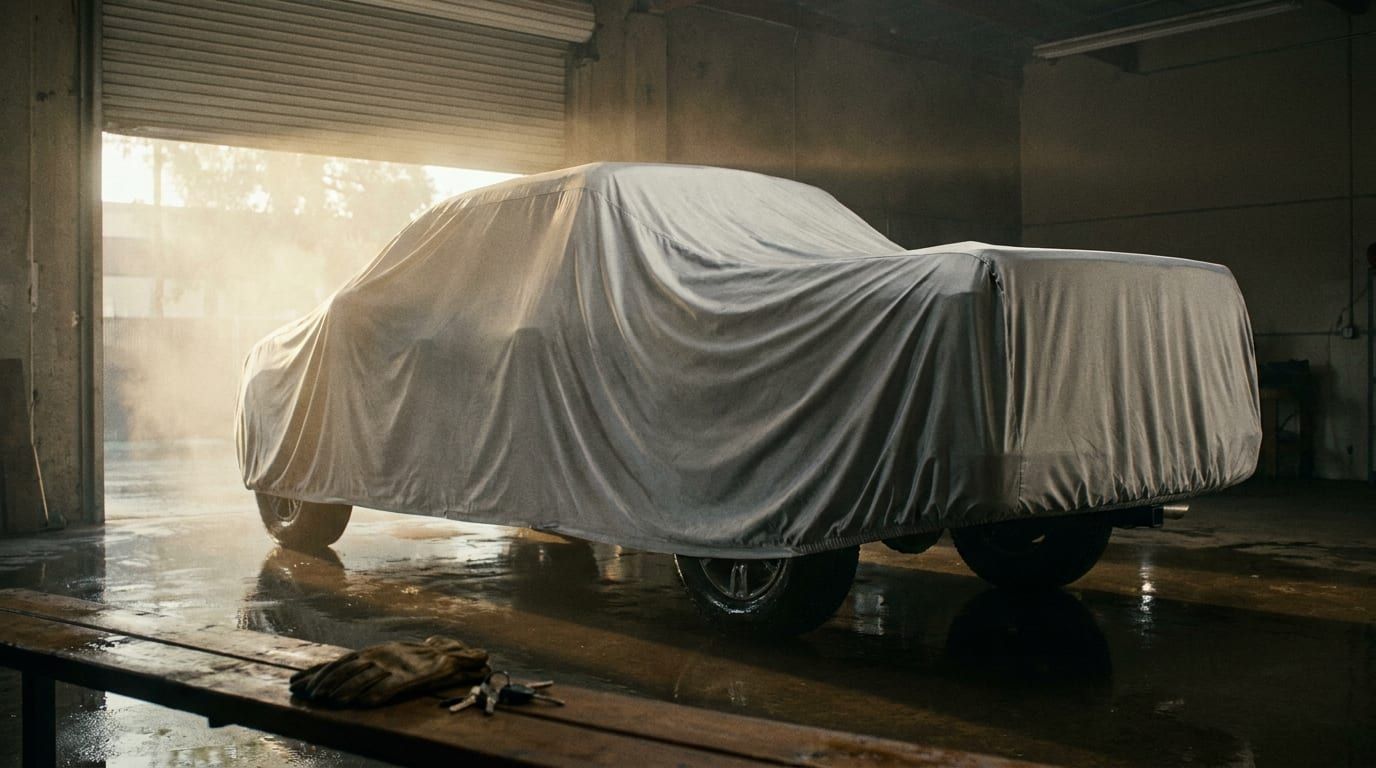
Use this as a starting point, then confirm your exact configuration before checkout.
2019-present Crew Cab, Short Bed
- Bed length: ~5'8"
- Approximate overall length: ~231 inches
- Recommended size category: Full-size Crew Cab / short bed
2019-present Crew Cab, Standard Bed
- Bed length: ~6'6"
- Approximate overall length: ~241 inches
- Recommended size category: Full-size Crew Cab / standard bed
2019-present Double Cab, Standard Bed
- Bed length: ~6'6"
- Approximate overall length: ~230 inches
- Recommended size category: Double Cab / standard bed
2014-2018 Crew Cab, Standard Bed
- Bed length: ~6'6"
- Approximate overall length: ~230 inches
- Recommended size category: Prior-gen Crew Cab / standard bed
2014-2018 Double Cab, Standard Bed
- Bed length: ~6'6"
- Approximate overall length: ~224 inches
- Recommended size category: Prior-gen Double Cab / standard bed
2007-2013 Classic Crew Cab, Standard Bed
- Bed length: ~6'6"
- Approximate overall length: ~227 inches
- Recommended size category: Classic-body Crew Cab / standard bed
Regular Cab, Long Bed (all eras)
- Bed length: ~8'
- Approximate overall length: ~228 to 232 inches depending on year
- Recommended size category: Regular Cab / long bed
A word of caution on the numbers above: mirror pockets, antenna patches, and bed rail clearance vary by trim year even within the same cab and bed combination, and a custom-fit pattern accounts for that where a universal cover simply can't. If you want the pattern built to your Silverado's actual factory lines, confirm the exact configuration on the custom-fit Silverado product page rather than eyeballing it from a general chart.
Choosing a Protection Tier for Your Silverado's Use Case
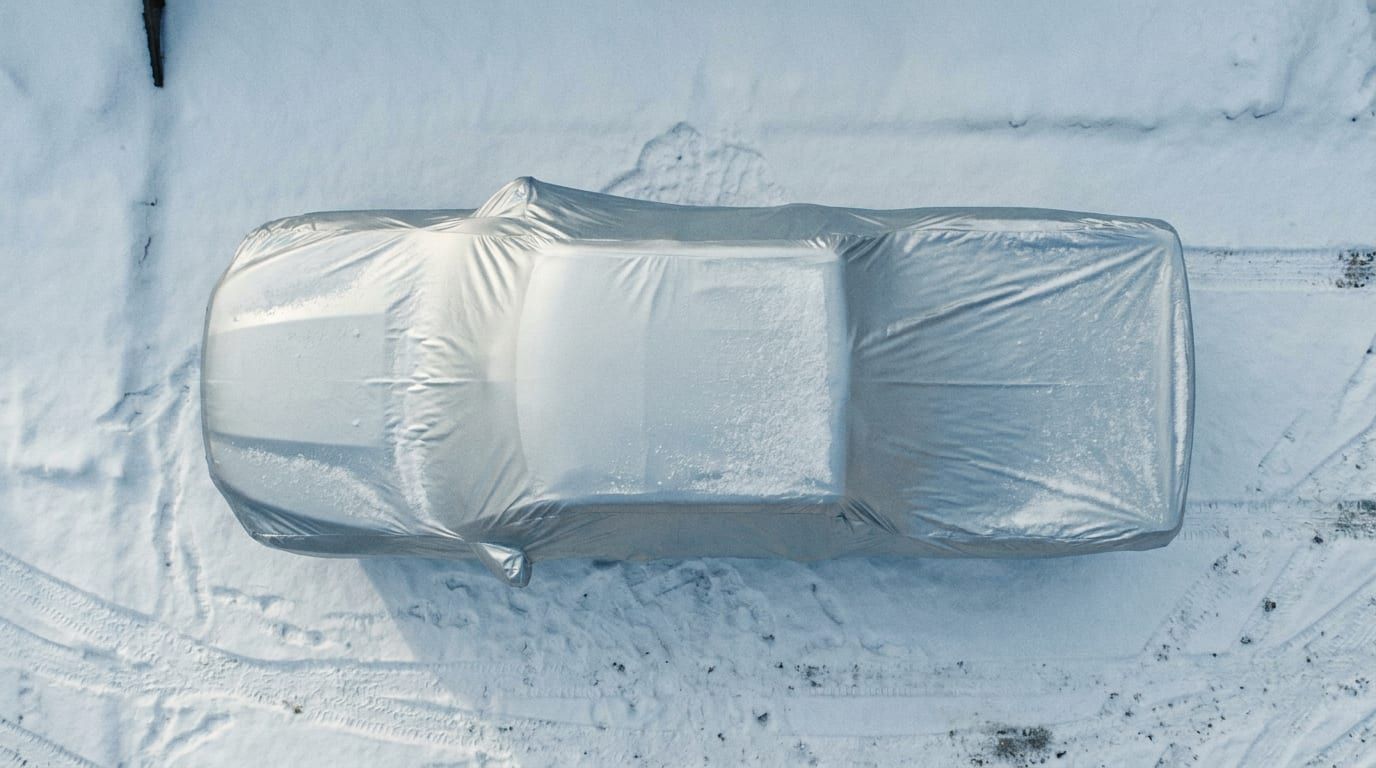
Not every Silverado owner needs the same cover. If your truck sits outside every day, rain or shine, waterproofing and UV resistance matter most. Without it, you'll see clear-coat fade on the hood and roof first, then water spotting that etches into the paint over a season or two. A waterproof outdoor cover earns its keep here.
Live somewhere in the hail corridor, think Texas, Oklahoma, or the Colorado Front Range, and waterproofing alone isn't enough. Step up to a heavier padded layer built for hail protection. It won't stop a direct hit from a golf-ball-sized stone, but it absorbs a lot of the smaller impacts that would otherwise leave dents across the hood and roof.
Garage-kept trucks or ones in seasonal storage don't need that heft. A lighter indoor-rated layer is easier to fold, easier to throw on and off, and honestly more pleasant to deal with if you're covering the truck nightly.
One more thing worth flagging: if you've got a toolbox, bed rack, or lift kit, that changes the fit profile. A cover sized for a stock Silverado won't clear a raised suspension or a bed-mounted toolbox cleanly. Check accessory compatibility before you order, not after it shows up too small.
Custom-Fit vs. Universal Cover for a Silverado: What Actually Changes
Here's the part people underestimate. A custom-fit cover for Chevrolet Silverado trucks follows the factory lines at the mirrors and at the cab-to-bed seam. A universal cover just doesn't have that shape built in, so it gaps at the mirrors or bunches up at the seam where the cab meets the bed rail. That gap is exactly where wind gets underneath and starts working the cover loose.
Tie-downs matter too. A custom-fit cover places grommets and strap points where the Silverado's body actually needs them, which cuts down on flapping if you're parked near a highway or in an open lot with regular crosswind.
Bed coverage is the other big one. Get the bed length wrong and you either leave the tailgate exposed to weather or you've got several inches of extra material dragging on the ground, picking up dirt and abrading against the bumper every time the wind moves it.
And long-term wear tracks all of this. A cover that fits properly spreads friction evenly across the surface. A mismatched one concentrates rubbing at the same few edges, and that's usually where you'll see the fabric wear thin first. Regular cleaning and care extends the life of either type, but it can't fix a fit problem that's baked in from day one.
Installing and Securing the Cover on a Silverado
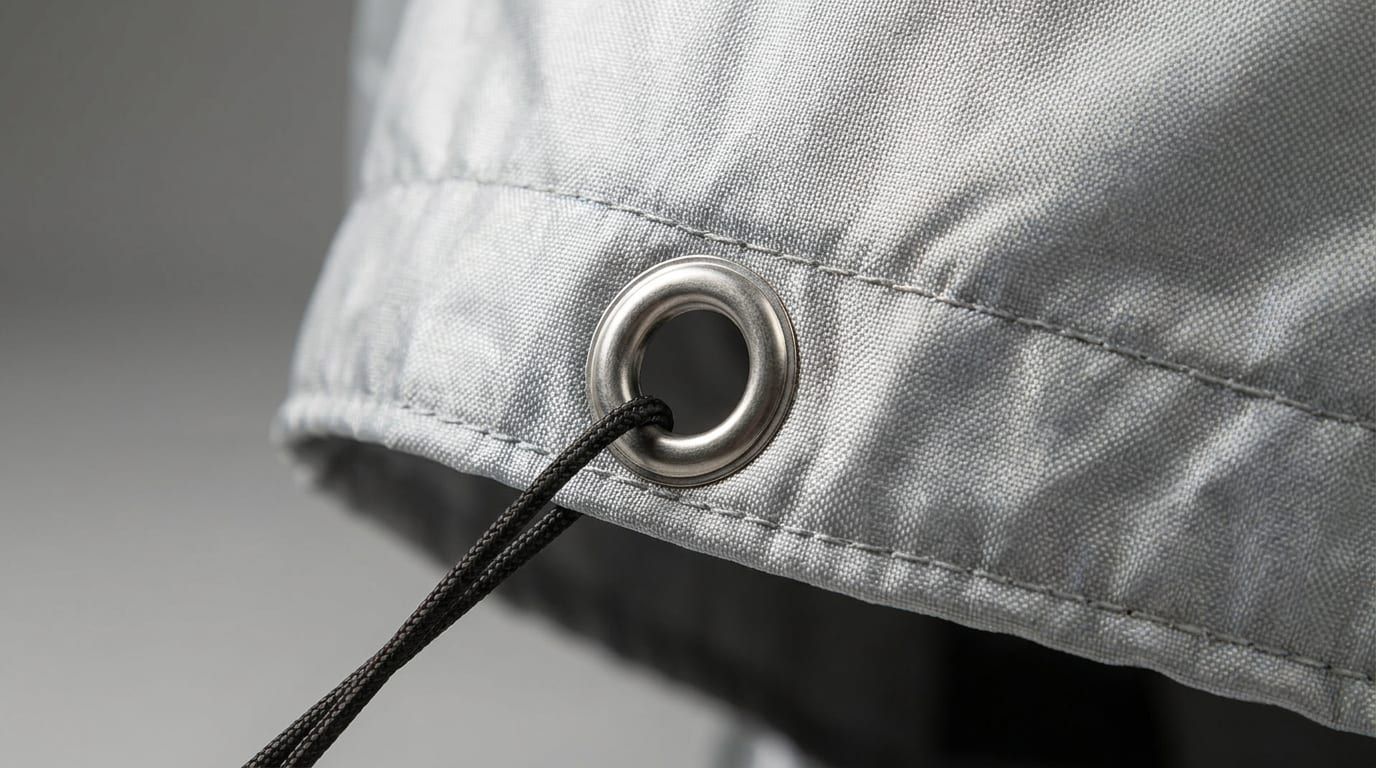
The routine for a pickup is a little different from a sedan. Start at the mirrors, since that's where the cover anchors and keeps everything aligned as you work backward. Pull it back over the cab, then across the bed, and cinch the front and rear hems last so the whole thing sits snug rather than shifting as you go.
If your Silverado sits in an open driveway or lot exposed to crosswind, a gust strap is worth the extra two minutes. It runs underneath the truck and clips back to itself, and it's the difference between a cover that stays put overnight and one you find balled up against the fence in the morning.
Got a shark-fin antenna, or a flat tonneau cover that tends to pool water? A support pole keeps the cover tented up in the middle so water runs off instead of collecting in a low spot and stressing the fabric.
If the truck's parked on the street overnight, consider a lock cable too. It won't stop a determined thief, but it does stop the cover itself from walking off, which happens more than people expect. For the full walkthrough on any of this, the installation guides page covers each step in more detail.
Warranty, Returns, and Ordering the Right Fit the First Time
A custom-fit cover backed by a lifetime warranty means if the stitching or material fails under normal use, that's on the manufacturer, not something you have to eat the cost on. Read the terms before you buy so you know exactly what "normal use" covers and what it doesn't.
If you order the wrong cab and bed combination, don't panic, just go back through the size table above, confirm your truck's actual configuration, and process the exchange. It's a lot less painful than living with a cover that doesn't fit for the next three years.
Factor in free shipping when you're comparing total cost against a generic big-box universal cover. The sticker price on a universal option looks cheaper until you account for the fact that it won't fit right and you'll likely replace it sooner.
Ready to lock in the right size? Head over to the Chevrolet truck cover product page, punch in your year, cab style, and bed length, and get a cover built for your Silverado instead of one that just sort of fits. And if you're still weighing waterproofing against hail protection, or you're curious about care tips for whichever cover you land on, poke around the rest of our articles. There's more worth reading before you check out.
Updated