


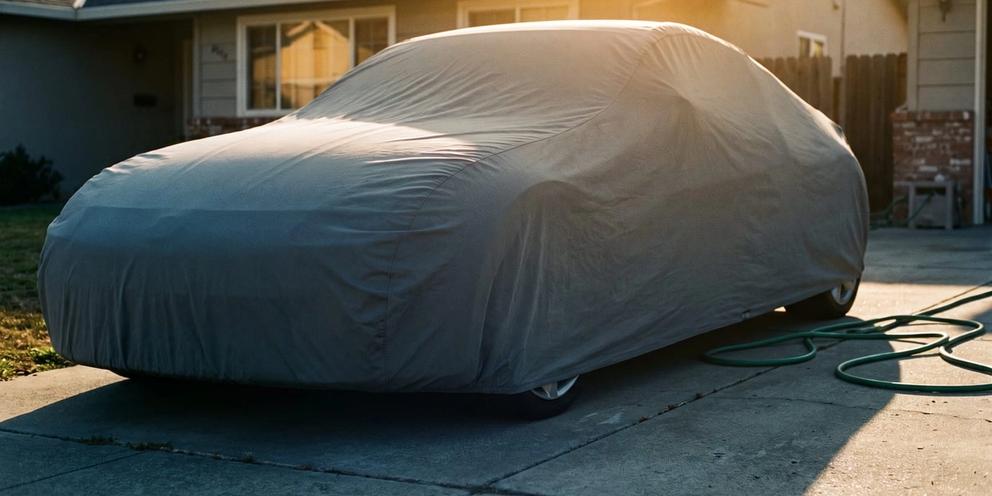
The Right Car Cover for a Hyundai Sonata: Fit Guide & Size Chart by Year
The Hyundai Sonata has changed shape more than most midsize sedans over the last two decades. The low, wide nose on the newer DN8 generation is nothing like the rounder front end of the NF-era cars from the mid-2000s, and the sloped fastback roofline Hyundai introduced on the sixth generation throws off covers designed for a boxier trunk. If you're shopping for a car cover for a Hyundai Sonata, matching the cover to your exact model year matters more than it does on cars that haven't changed body language generation to generation. Get it wrong and you end up with a cover that looks like it's wearing someone else's clothes.
Why Your Hyundai Sonata Needs a Cover Built for Its Exact Shape
A generic "midsize sedan" cover is built to a length and width range, not to your car. That's the problem. The Sonata's mirror placement, its low front fascia, and that sloped rear roofline on later generations all sit outside where a one-size cover expects them to be. The result is gaps at the mirrors, a hood that bunches up instead of laying flat, and a trunk lip that the fabric never quite reaches.
Those gaps aren't cosmetic annoyances. UV rays get into any exposed section of hood or roof and start fading clear coat within a season or two of daily sun exposure. Tree sap and bird droppings sit on unprotected panels and etch into paint faster than most owners realize. And loose fabric that isn't cinched down properly pools water in its folds overnight, which is exactly the setup for water spots and mildew smell that never fully airs out.
This guide is here to help you land on the right size and generation match, and to point you to the Hyundai cover options so you can buy with confidence instead of guessing. A cover for a Hyundai Sonata should fit like it was made for the car, because it was.
Custom-Fit vs. Universal Cover for the Hyundai Sonata
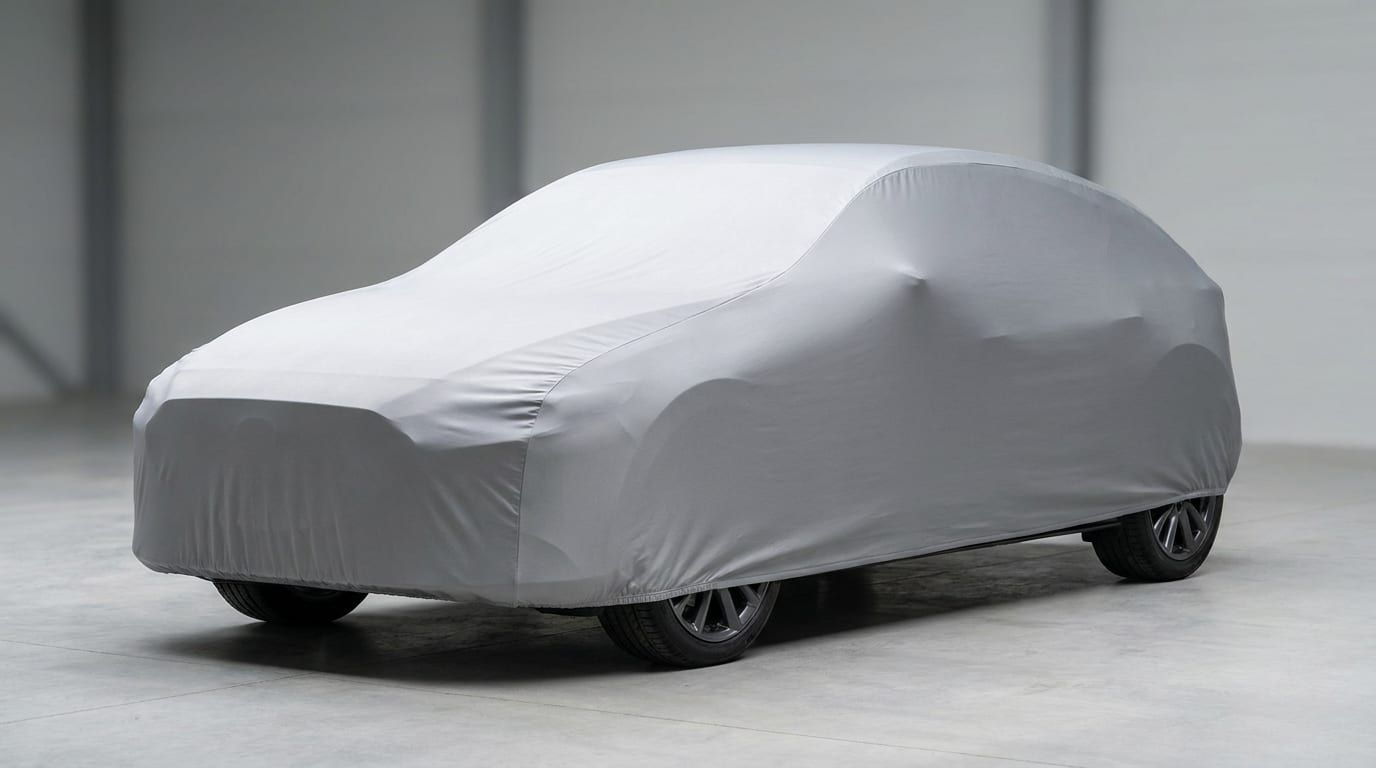
Here's the honest difference. A custom-fit car cover is patterned off the Sonata's actual body lines, mirror pockets included, with antenna cutout options where needed. A universal cover is built to a length and width bracket that a Sonata happens to fall inside of, along with a dozen other cars that don't share its proportions at all.
That gap shows up first in wind. A tailored cover holds its line because there's no slack fabric to catch a gust. Universal covers billow, and that flapping fabric rubs against the clear coat over and over, which is how you get fine paint-swirl marks that weren't there before you started using a cover to protect the paint in the first place. Universal covers usually need extra straps just to stay put, which is more gear to manage every time you park.
Storage flexibility is the other split. A custom-fit cover works fine whether your Sonata sits in the driveway every night or gets tucked away for months in a garage. Universal covers are really only dependable for short-term or indoor use, where wind and precision fit matter less.
Cost-wise, universal covers are cheaper to buy once. But the poor fit wears them out faster, since fabric that shifts and rubs abrades quicker than fabric that stays put, and a loose hem seals against weather worse than a tailored one. You end up replacing a universal cover more often than you'd replace a well-fitted one.
Hyundai Sonata Car Cover Size & Fit Table
Sonatas have gone through four distinct body generations since the mid-2000s, and each one calls for a different cover pattern. Here's how they break down.
4th Generation (2006 to 2010, NF)
- Body profile: Rounder nose, more conventional trunk deck
- Cover match: Sized to the earlier Sonata's shorter overall length and higher rear deck
5th Generation (2011 to 2014, YF)
- Body profile: Sportier, more sculpted body lines, longer overall length
- Cover match: Sized for the YF's extended wheelbase and lower front fascia
6th Generation (2015 to 2019, LF)
- Body profile: More conservative styling than the YF, still a traditional trunk (not a fastback)
- Cover match: Sized for the LF's dimensions, check spoiler trim before ordering
7th Generation (2020 to present, DN8)
- Body profile: Sloped fastback-style rear roofline, lower and wider stance
- Cover match: Sized specifically for the DN8's longer rear overhang and lower nose
A few things to check before you order. Sport, SE, and Limited trims sometimes add a rear spoiler that base trims don't have, and that changes how much clearance the cover needs around the trunk lid. A sunroof shouldn't affect exterior fit, but it's worth confirming if you're between sizes. If you're not sure which generation your Sonata falls into, cross-check your year against the vehicle sizing guide before you add anything to your cart.
And if your exact model year isn't showing up as an option, don't guess. Reach out to support first. Ordering the wrong size and hoping it stretches to fit is how you end up with a cover for a Hyundai Sonata that fits a Sonata from three generations ago.
Picking the Right Material for Where You Park
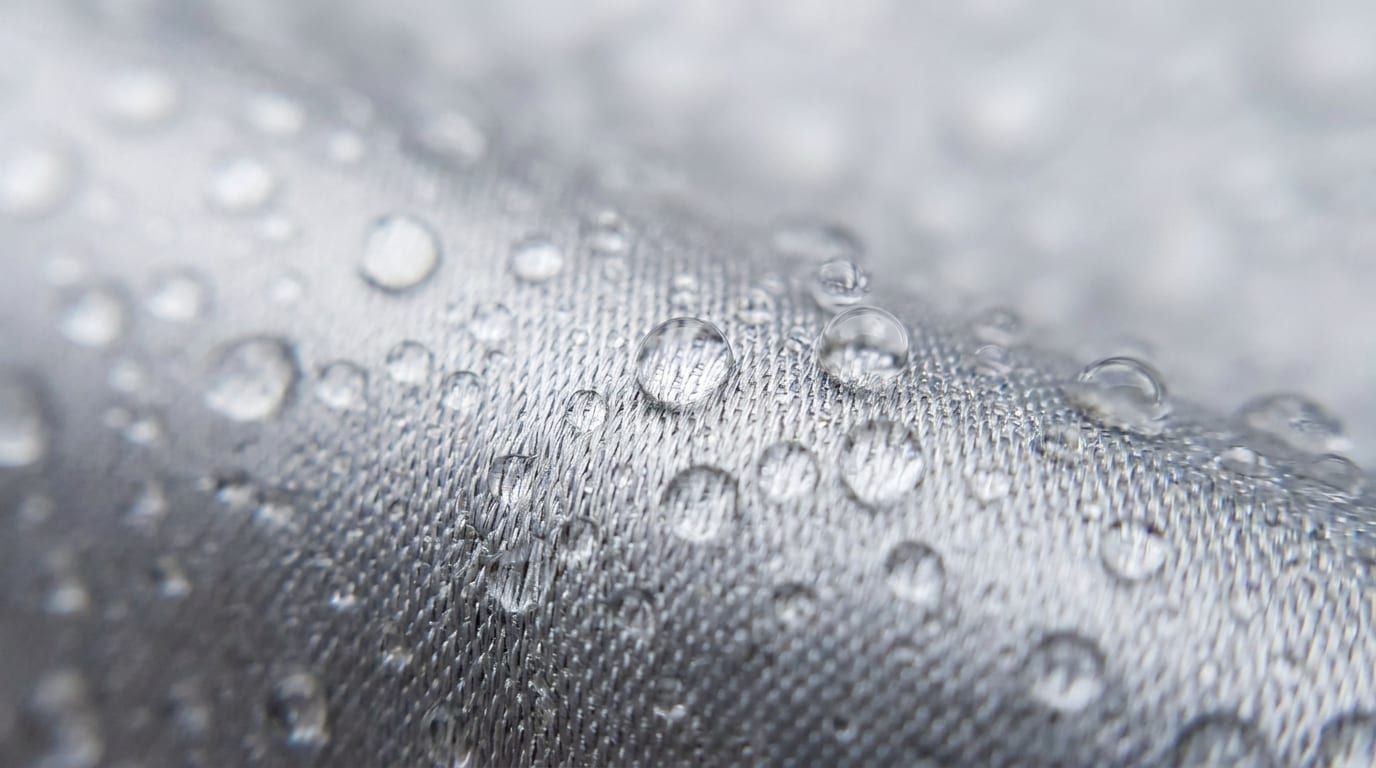
Fit is half the equation. Material is the other half, and it depends entirely on where your car actually sleeps at night.
If your Sonata lives outside, whether that's a driveway, a street spot, or an open lot at work, you want an outdoor-rated cover that's waterproof and UV-resistant. This is the tier doing the real work against sun fade, rain, and whatever falls out of the tree above your parking spot.
If your Sonata spends its life in a garage, you don't need heavy waterproofing. A softer indoor cover prioritizes gentleness on the clear coat over weather resistance, since dust and stray scratches are the bigger threat inside than rain ever will be.
Live somewhere that gets real hailstorms? There's a padded hail protection option built with extra cushioning for exactly that. It's not something every Sonata owner needs, but if you're in a hail-prone region, it's worth the upgrade over a standard outdoor cover.
Match the tier to your actual parking situation, not the one that sounds the most premium. An indoor-rated cover on a car that lives outside will let you down fast, and an outdoor-rated cover in a garage is more cover than you need.
Installing and Securing the Cover on Your Sonata
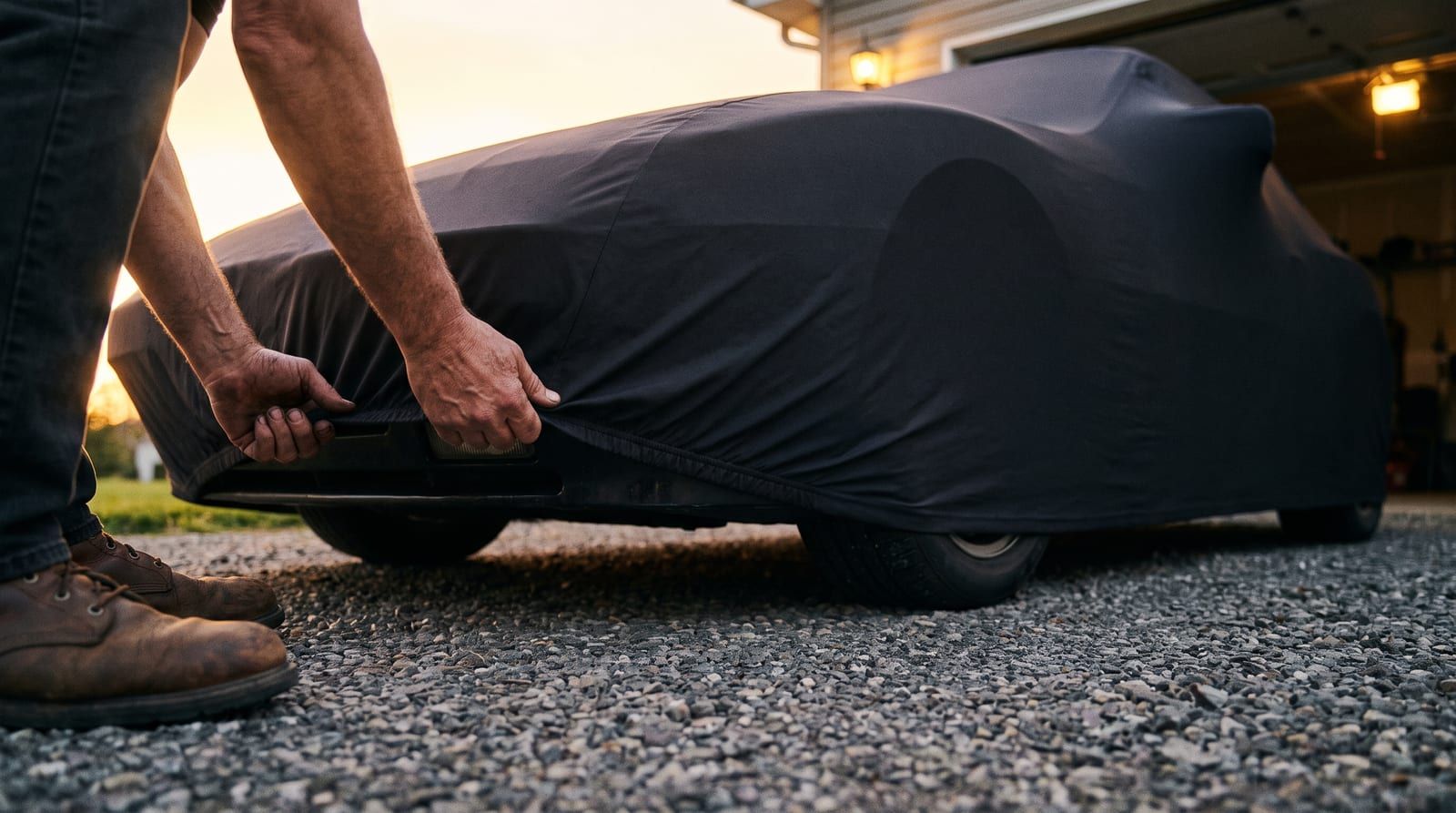
Installation isn't complicated, but doing it in order matters. Drape the cover from front to back, not the other way around. Line up the mirror pockets before you pull anything tight, since fighting a misaligned pocket after the cover's already draped is a waste of ten minutes. Then secure the elastic hems front and rear, tucking them under the bumper line so wind can't get a grip on the edge.
If you're in a windy or coastal area, a gust strap add-on is worth the extra few dollars. It keeps the cover from working itself loose overnight, which matters more on a Sonata parked outside than one tucked in a garage.
For driveway parking, a cable lock is a cheap deterrent against someone walking off with the cover itself. It happens more than people expect.
If you want to see the whole process before you try it on your own car, the step-by-step installation guide walks through it visually.
Cleaning, Storing, and Warranty Coverage
Cleaning a car cover wrong is how you kill its water repellency early. Cold water, mild soap, air dry. Skip the harsh detergents and definitely skip the dryer, since high heat breaks down the coating that makes the fabric shed water in the first place. There's a full cleaning walkthrough if you want the exact steps.
When you're not using the cover, fold it loosely or bag it, keep it dry, and keep it out of direct sun. Stuffing a damp cover into a tight ball is basically an invitation for mildew, and creases that sit for months can weaken the fabric along the fold lines.
On coverage: check the warranty terms for what's actually protected on your specific cover tier, and register it after purchase so you're covered if something goes wrong. It's not a blank check against every kind of wear, but it does back the product against manufacturing defects. Worth knowing what it covers, and what it doesn't, before you need it.
Get the Right Cover for Your Sonata
Confirm your generation and trim first. Pick outdoor, indoor, or hail-rated based on where the car actually parks, not where you wish it parked. Add a gust strap or cable lock if your situation calls for it.
Once you've got that sorted, check the size table above one more time, then head to the Hyundai cover lineup and pick the option that matches your Sonata's year. If the fit isn't quite right once it arrives, that's what the return policy is there for, so you're not stuck with a cover that doesn't sit the way it should. And if you're still weighing options or just want more car care reading, the CarCovers articles section has more guides worth a look before you decide.
Updated