


Waterproof Car Cover for Toyota Prius: Climate-Specific Protection Guide
Why Your Prius Needs Climate-Matched Weather Protection
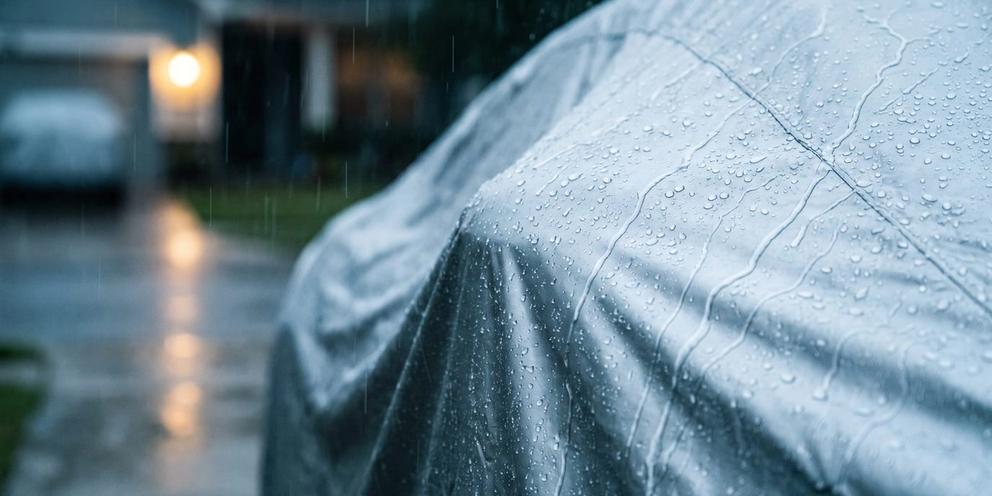
Most Prius owners aren't pulling into a garage every night. You're parking on the street, in a driveway, at a park-and-ride lot for your commute. That means daily exposure to whatever the sky throws at it, rain, UV, sudden temperature swings, all of it hitting the same paint job and the same hybrid components underneath the hood.
That last part matters more than people think. The battery pack and electronics tucked under a Prius aren't as exposed as, say, an old carbureted engine, but prolonged moisture and heat cycling still take a toll on seals, wiring, and the factory clear coat over years of outdoor storage. A cover isn't just about keeping the car looking clean for the neighbors.
Here's the thing about a waterproof car cover for Toyota Prius owners specifically: "waterproof" isn't a single spec you can shop by. A cover engineered for Phoenix sun behaves nothing like one built for Seattle drizzle, and neither would survive a Minnesota winter the way a dedicated snow cover would. Rain and humidity, snow and ice, heat and UV, each demands a different set of trade-offs. That's what the rest of this guide walks through.
What Actually Makes a Car Cover Waterproof
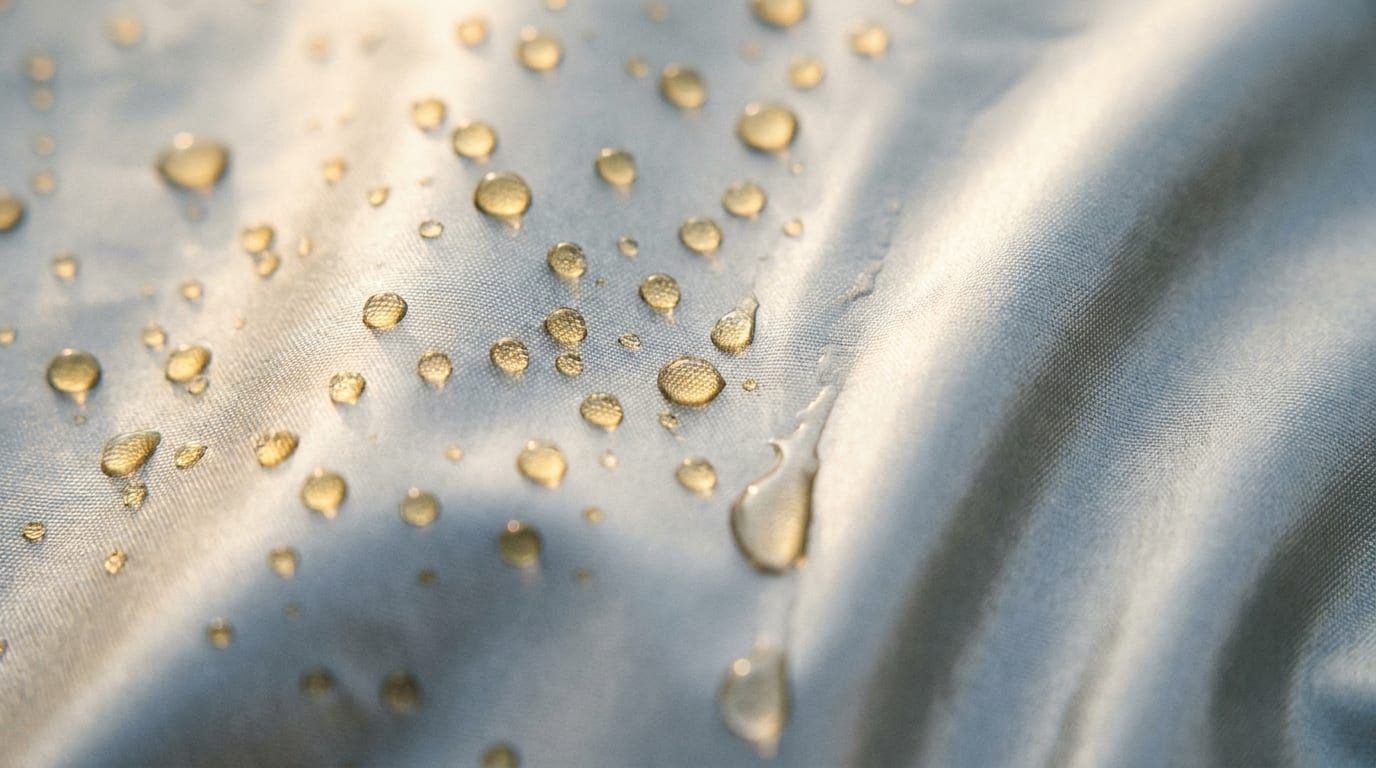
People use "water-resistant" and "waterproof" interchangeably, and that's where a lot of buyers get burned. Water-resistant fabric repels light moisture, a bit of dew or a passing sprinkle, while staying breathable. Waterproof means fully sealed layers that block moisture penetration entirely, even in sustained rain. Different job, different construction.
Good waterproof covers use a multi-layer build: an outer shell that handles wind and abrasion, a waterproof barrier in the middle, and a soft inner layer that won't scratch your Prius's paint during install or removal. Skip any one of those layers and you've compromised the whole system.
Then there's seam sealing, the detail everyone skips over and shouldn't. A cover can be made from genuinely waterproof fabric and still let water in at the stitching if the seams aren't taped or sealed. Water finds the weak point. It always does.
One trade-off worth knowing before you buy: full waterproofing needs proper ventilation built in, or you trap condensation underneath the cover instead of keeping it out. A well-designed cover balances sealed protection against airflow so moisture doesn't just get relocated to the space between the cover and your paint. Reading up on waterproof fabric types before you commit helps you understand what you're actually paying for.
Protecting Your Prius in Rain-Heavy or Coastal Climates
If you're in the Pacific Northwest, the Gulf Coast, or anywhere salt air is a daily fact of life, your priorities shift. Water pooling on the Prius's sloped hatchback roofline is a real issue, that angle collects runoff differently than a sedan's flatter roof. Salt-air corrosion near coastal areas adds another layer of risk to exposed trim and metal. And a cover that isn't breathable enough will trap moisture against the car and grow mildew, which defeats the purpose entirely.
For this climate, sealed seams aren't optional, they're the baseline. You also want a snug fit around the Prius's steeply raked rear glass, since that's exactly where water tends to collect and where a loose cover will sag and pool instead of shedding rain.
Reinforced grommets and tie-downs matter more here than almost anywhere else. Wind-driven rain doesn't just fall, it gets pushed sideways under a loose edge, and a cover that flaps works water underneath even if the fabric itself is fully sealed. Pairing your cover with gust strap wind tie-downs keeps it locked down through coastal storms instead of billowing like a sail. If your Prius has a roof-mounted antenna, it's worth confirming the cover you're eyeing has antenna patch compatibility so you're not forcing a design flaw where there doesn't need to be one.
Protecting Your Prius Through Snow, Ice, and Freezing Winters
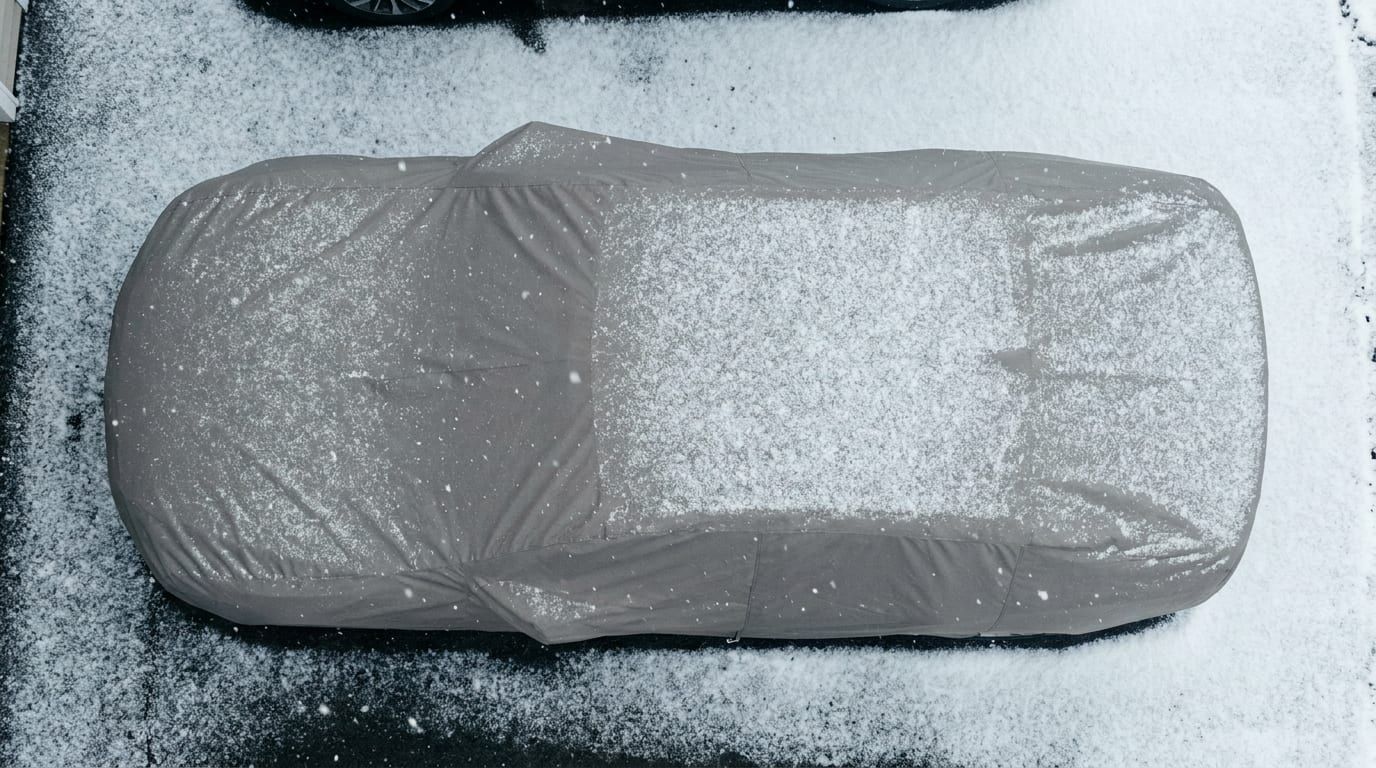
Winter is a different animal. A cover rated for summer rain typically isn't built to handle snow load or ice buildup, it's thinner, and it wasn't designed with cold-weather flexibility in mind. Snow-rated covers use heavier insulating layers and a tougher outer shell specifically because ice is abrasive and heavy in a way rain never is.
Cold flexibility is the detail nobody thinks about until it bites them. A cover that isn't designed for freezing temps can go stiff overnight and crack when you pull it off in the morning, which ruins the cover and defeats the whole point of buying one.
Fit matters just as much here as it does in coastal climates, maybe more. An elasticized hem that stays snug keeps wind and snow load from working the cover loose while you sleep. Nothing's worse than waking up to find half your cover blown back and the windshield buried anyway.
Get the fit right, though, and mornings get a lot easier. A properly fitted winter cover means less time scraping ice off the windshield and mirrors before you can even back out of the driveway. That's not a small thing when you're doing it every day from November through March.
Protecting Your Prius from Sun, Heat, and Dry Climates
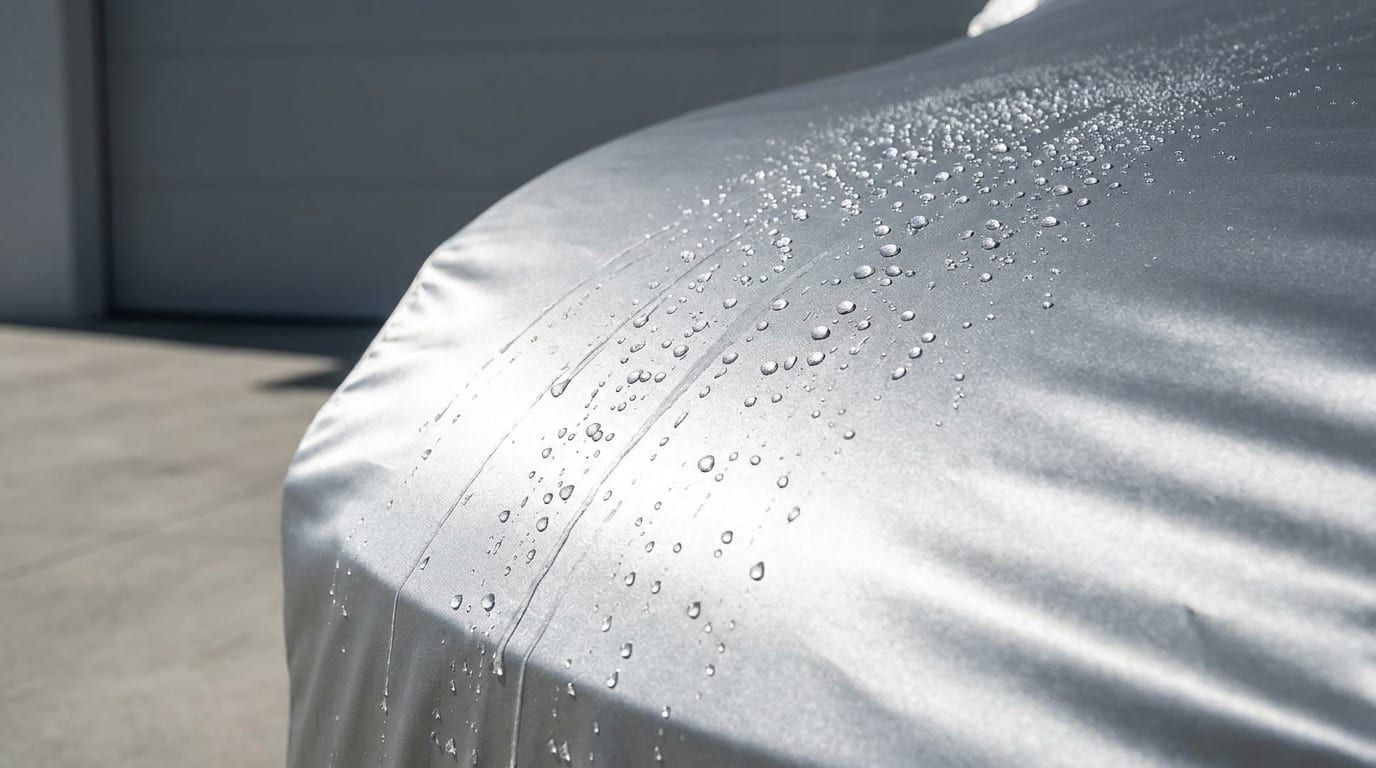
In Arizona, Nevada, and similar dry-heat regions, waterproofing isn't the headline concern, but the same cover often has to handle both jobs anyway. UV exposure degrades interior plastics and fades or chalks exterior paint over time, and a Prius parked outside all day in that kind of sun takes a beating regardless of rainfall.
If you're in a hot, dry climate, look for a reflective or UV-treated outer layer, even on a cover that's rated waterproof. You want the UV protection doing the daily work while the waterproofing sits in reserve for the occasional monsoon downpour desert states are known for.
Breathability actually matters more here than in wetter climates, not less. Trapped heat and moisture under a sealed cover sitting in full sun can do more damage to paint than the sun itself would. So the goal isn't just "waterproof," it's a cover that vents heat while still shedding water when a storm rolls through. A cover rated for both UV resistance and waterproofing covers that exact scenario, sun most days, sudden rain some days, without you needing two different covers for one car.
Fit Considerations for the Toyota Prius Specifically
The Prius has a distinct shape: hatchback body, steeply angled rear windshield, a silhouette that's changed noticeably across generations. That's exactly the kind of profile where generic, universal covers fail. They're cut for an average sedan shape and leave gaps at the rear glass and hatch, which is precisely where water and wind want to get in.
Before buying, check whether a cover is semi-custom or custom-fit for your specific Prius generation and model year. The second-gen Prius (2004-2009) has a different roofline and hatch angle than the current model, and a cover built for one won't sit right on the other. If you're not sure what you're working with, a sizing guide for your vehicle is worth five minutes before you check out, not after your cover arrives and doesn't sit flush.
Fit isn't just cosmetic, either. A cover that hugs the body reduces wind lift, and wind lift is the actual mechanism behind most water intrusion in storms. Loose fabric flaps, flapping fabric loosens further, and eventually water works its way under an edge that should have stayed sealed. Tight fit is a waterproofing feature, not just a look.
Features Worth Comparing Before You Buy
Once you've narrowed down climate and fit, compare the details: seam sealing, layer count, where the grommets and tie-downs sit, whether the hem is elasticized, and whether a storage bag is included. These aren't marketing fluff, they're the difference between a cover that lasts three winters and one that tears at the seams by spring.
A lifetime warranty is also worth paying attention to. It's a decent signal that the manufacturer expects the waterproofing to hold up over years of real use, not just survive a showroom demo. Check the lifetime warranty terms on any cover you're seriously considering.
Also worth asking yourself: are you storing this outdoors full-time, or is it just backup for the occasional night outside a garage? Full waterproofing matters a lot less if your Prius spends most of its life under a roof. In that case an indoor cover built for dust and light scratches makes more sense than paying for heavy-duty weatherproofing you won't use, whereas full-time outdoor storage is where the waterproof features actually earn their keep.
Whichever you land on, how you treat the cover affects how long the waterproofing lasts. Regular cleaning keeps the coating from breaking down early, and proper storage between uses prevents creases and mildew from setting in while it's balled up in your trunk.
Choosing the Right Cover for Your Climate
The short version: match the cover to your dominant weather threat, not to whatever's most expensive on the page. Coastal rain calls for sealed seams and secure tie-downs. Snow calls for insulation and cold flexibility. Dry heat calls for UV protection with waterproofing as a backup, not the main event.
Whatever climate you're in, a genuinely waterproof car cover for Toyota Prius owners protects more than the paint. It's guarding the same hybrid components and electronics that are expensive to repair and easy to overlook until moisture damage shows up as a warning light. For a fit built around your exact generation, Toyota-specific cover options are the place to start.
If you're still weighing which build fits your situation, it's worth browsing the full range of waterproof car cover options before deciding. And if you want more climate-specific guides like this one as they come out, stick around and keep reading through the rest of the site's car care articles.
Updated