


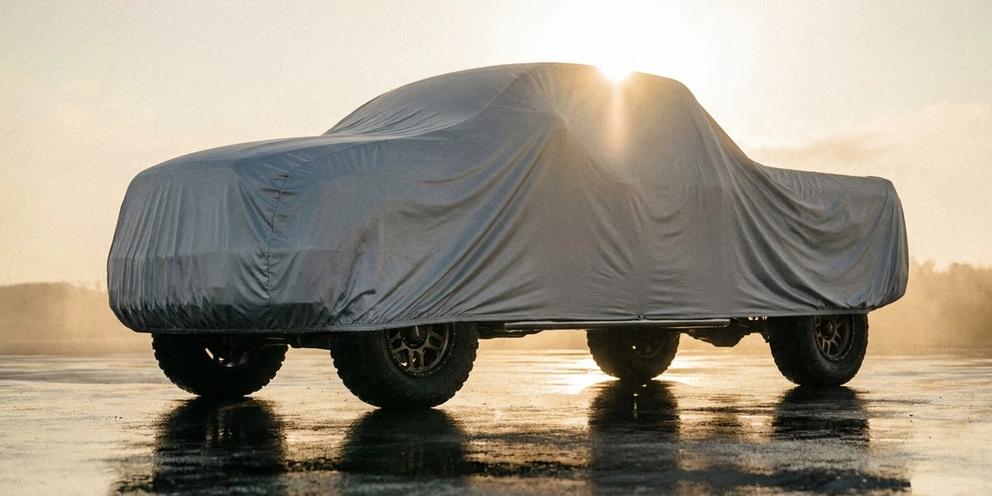
Waterproof Car Cover for Toyota Tacoma: Climate-Specific Protection Guide
Why Your Tacoma Needs Climate-Specific Waterproof Protection
Most Tacomas don't sleep in garages. They sit in driveways, job site lots, trailheads, and street parking, taking on far more weather than the average commuter sedan ever sees. A truck's shape doesn't help matters either. The exposed bed, the tailgate, the extra ground clearance, all of it adds surface area where rain pools, snow piles up, and UV rays cook the paint day after day.
That's the problem with grabbing any old "weatherproof" cover off a shelf. A cover that shrugs off a Seattle drizzle might turn brittle and crack during a Minnesota cold snap. One built for snow load might bake and degrade in an Arizona summer. The right waterproof car cover for Toyota Tacoma ownership isn't the one with the flashiest label, it's the one built for the weather you actually deal with, in your zip code, most months of the year. That's the whole point of this guide: match the cover's construction to your climate, not to a generic marketing claim.
What 'Waterproof' Actually Means in a Cover's Construction
Here's something a lot of shoppers get wrong: "waterproof" and "water-resistant" are not the same claim. Water-resistant, breathable fabrics shed light rain while letting moisture vapor escape from underneath. Fully waterproof covers are sealed tight, no moisture gets through in either direction. Both have a place, but they solve different problems.
Fabric alone doesn't make a cover waterproof. Seam construction matters just as much, maybe more. Double-stitched seams that are also taped or sealed keep water from wicking through the needle holes, which is the number one way "waterproof" covers leak in practice. A single row of stitching on cheap tarps is basically an invitation for water to seep straight through.
Good covers layer materials: an outer shell built to take wind and abrasion, a waterproof membrane in the middle, and a soft inner lining that won't scratch the clear coat. Single-layer tarp-style covers skip all of this, and they show it fast, usually within a season. Worth reading through waterproof fabrics explained in more depth if you want to know what's actually inside the material before you buy.
One tradeoff to keep in mind: a fully sealed, non-breathable cover in a humid climate can trap condensation underneath it. Sealed doesn't automatically mean better, it depends on where you live.
Protecting a Tacoma in Rainy or Humid Climates
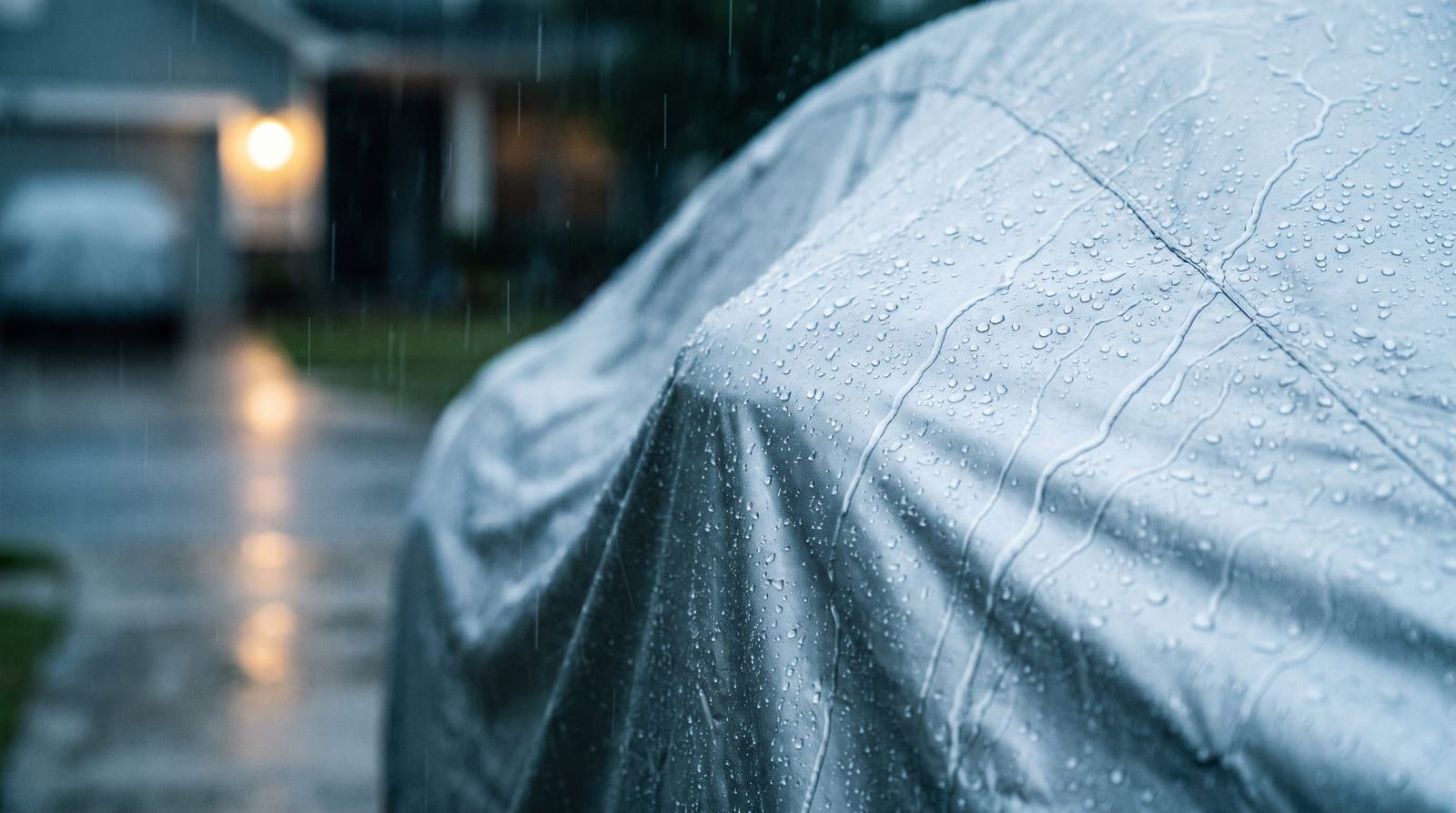
If you're in the Pacific Northwest, the Gulf Coast, or anywhere that gets weeks of steady rain, sealed seams aren't optional. But so is a bit of breathability. Fully sealed, zero-breathe fabric traps moisture against the paint in humid climates, and that's exactly the setup that leads to mildew smells and dull spots on the clear coat after a few soggy months.
Look for a cover with a soft inner lining. It cuts down on the moisture buildup that quietly marrs paint over long rainy stretches, especially if the Tacoma sits for days between drives.
Here's the Tacoma-specific failure point people miss: the bed. A cover that only drapes over the cab and hood but leaves the bed and tailgate exposed is asking for standing water to pool right where you don't want it. Make sure whatever you buy is cut to extend fully over the tailgate and bed rails, not just the cab.
Wind-driven rain finds gaps fast, so grommets and tie-downs matter more than people expect. A cover that shifts even an inch in gusty rain creates a channel for water to work its way underneath. Pairing your cover with gust strap wind straps keeps it locked down instead of flapping loose every time a storm rolls through. For a broader rundown on how outdoor covers handle wind, rain, and UV together, this guide to using a car cover outdoors is worth a look.
Protecting a Tacoma in Snow and Freezing Conditions
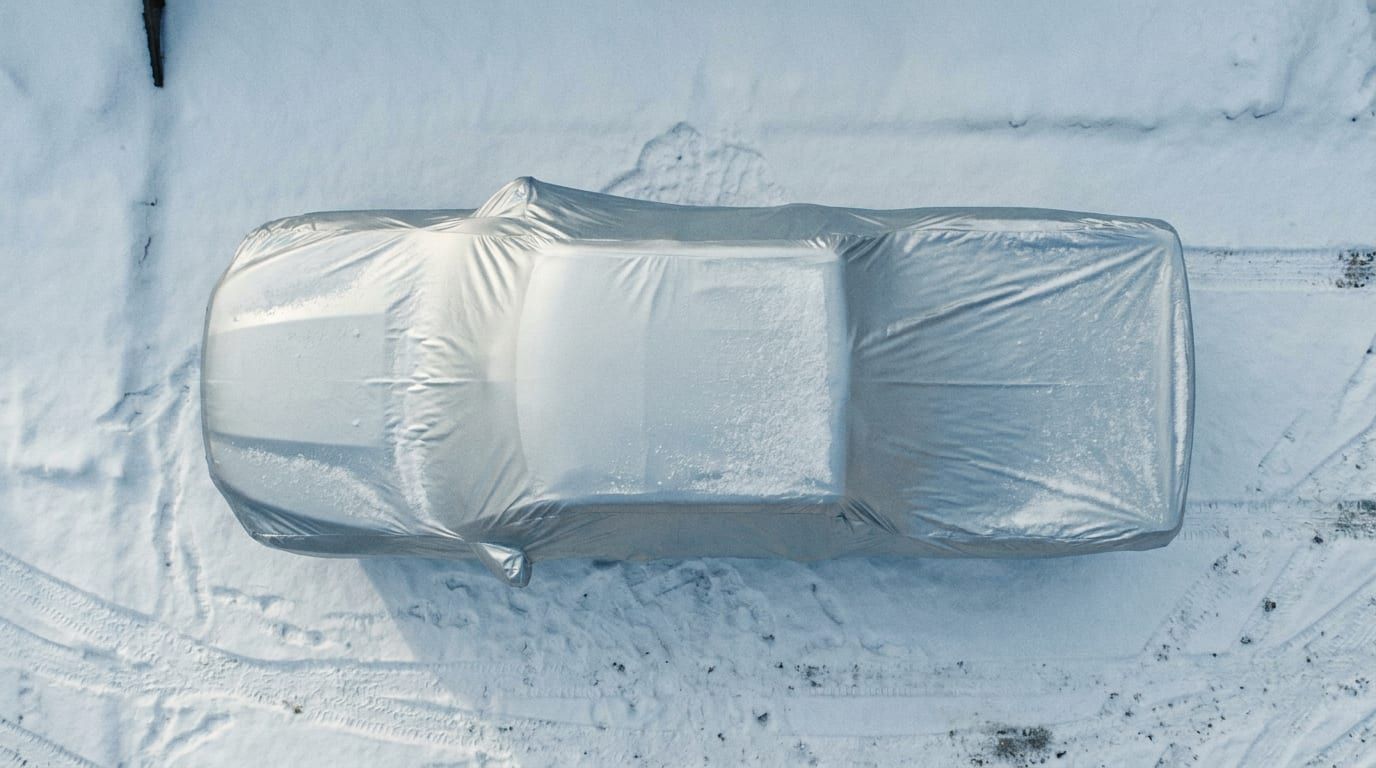
Cold does something rain never has to deal with: it makes fabric brittle. A cover that performs fine at 50 degrees can stiffen up and crack at 10 degrees if the material isn't rated for it. Don't assume "waterproof" covers cold-weather performance, check the spec directly.
Snow load is a bigger deal on a truck than most people realize. A sedan's sloped roofline sheds snow on its own. A Tacoma's flat hood and bed cover area doesn't, so weight accumulates right where the fabric is stretched the most. Reinforced fabric weight in those zones matters more here than on any passenger car cover.
Ice is the other risk. A loose cover that ripples in the wind will freeze into those ripples overnight, and now you've got sharp ice edges pressed against the paint every time the truck moves. A snug fit, secured with tie-downs, prevents that scenario entirely.
In regions that get real snow accumulation, not just an occasional dusting, pair the cover with a support pole. It keeps weight from pooling in the middle of the cab roof and collapsing the fabric under a heavy snowfall. Installation is straightforward. Check the truck support pole installation guide before your first big storm, not during it.
Protecting a Tacoma from Sun, Heat, and UV Damage
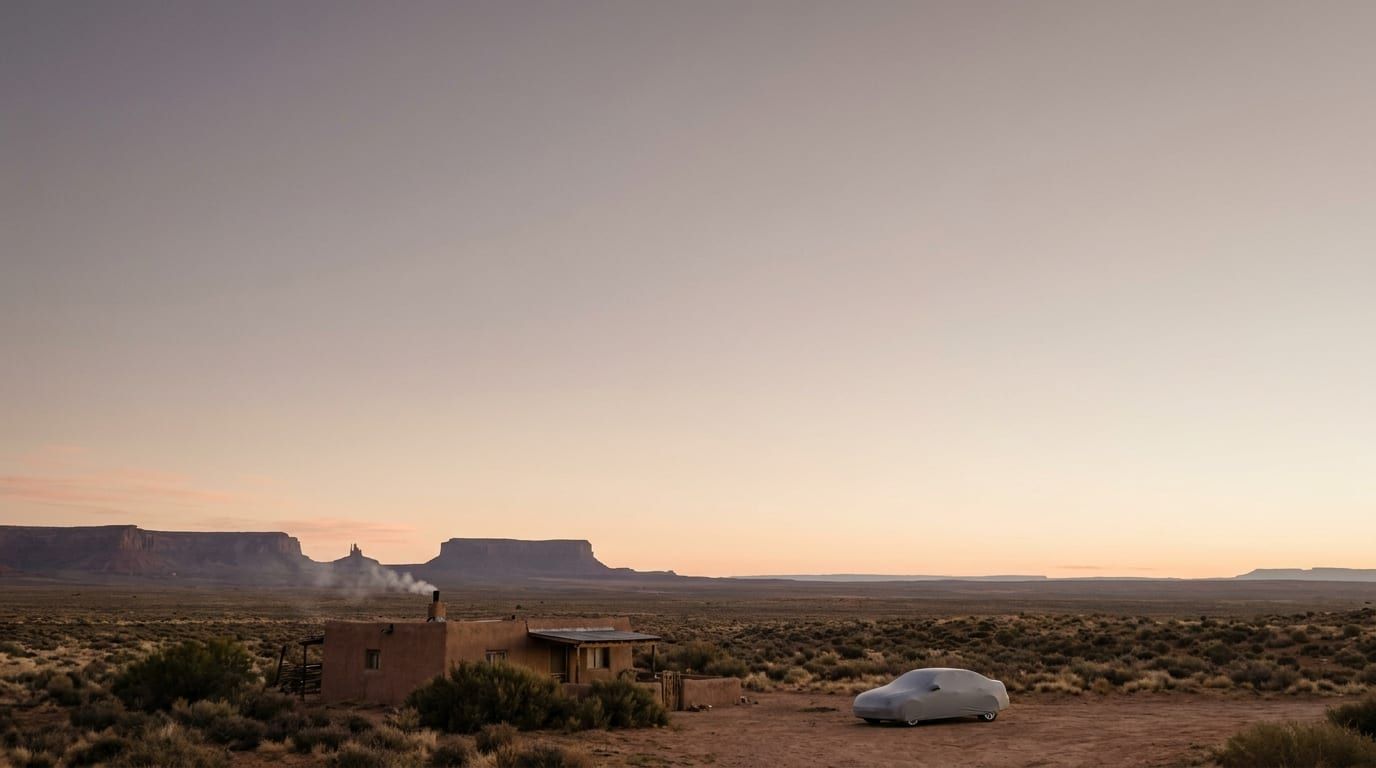
Flip the climate around and the priorities flip too. In the Southwest, Southern California, and anywhere else the sun is relentless, UV resistance matters just as much as the waterproof rating. Sun bakes clear coat and breaks down cheap cover fabric at the same time, so you're protecting two things at once.
A reflective or light-colored outer layer isn't just cosmetic. It reduces how much heat builds up in the cab for owners who park outside every single day, which matters if you're the one climbing into a scorching driver's seat every afternoon.
Heat cycling, hot during the day, cooler at night, dries out lower-quality waterproof coatings faster than steady moderate weather ever would. UV stabilizers baked into the fabric slow that breakdown, extending the life of both the cover and the paint underneath it. If UV exposure is your main concern, start with the baseline info on waterproof car covers and look specifically for UV-treated options rather than just "waterproof" ones.
Ventilation panels earn their keep in hot climates too. Even a sealed, waterproof cover needs somewhere for trapped heat and condensation to go, or you're back to the same moisture problem rainy climates deal with, just caused by heat instead of rain.
Getting the Fit Right for Your Tacoma's Configuration
None of the waterproofing above means much if the cover doesn't actually fit. Tacomas come in Access Cab and Double Cab configurations, plus short and long bed options, and that changes what size cover you need. A cover cut for a short-bed Double Cab will leave a long-bed Access Cab exposed at the tailgate, and vice versa.
Universal-fit covers are the usual culprit here. They're built to a rough estimate of "truck-sized," so they run loose, flap in wind, and let slack fabric pool water right where it shouldn't. A semi-custom or model-specific fit for your Tacoma performs better across the board, in any climate, because the fabric sits close to the body instead of billowing.
Before you buy, confirm your actual bed length and cab style rather than guessing. The sizing guide for your vehicle walks through how to measure, and the pickup truck bed size guide breaks down Tacoma bed dimensions specifically if you're not sure which trim you're working with.
Elastic hems and cinch points at the front and rear do a lot of quiet work here too. They keep the cover pulled snug against the body regardless of whether you're fighting wind, rain, or snow load, which ties directly back into everything covered above.
Features Worth Checking Before You Buy
A few features separate a cover that lasts from one you'll be replacing next season:
Grommets and tie-down straps
- Secure the cover against wind gusts, not just rain or snow
- Reinforced grommets hold up longer than fabric eyelets alone
Cable and lock compatibility
- Worth it if you park on the street or at a job site, where weather exposure and theft risk overlap
- Adds a real deterrent without needing a garage
Warranty coverage
- A longer warranty is a decent proxy for how confident the manufacturer actually is in their waterproofing
- Check the lifetime warranty details to see what's actually covered before assuming "lifetime" means what you think it means
Included storage bag
- Keeps the cover itself from degrading in a garage corner or truck bed between uses
- Small detail, but it extends the life of the whole investment
Once you've got a cover, keeping it clean actually matters for waterproofing too. Dirt and grime can wear down coatings over time, so it's worth a glance at how to clean a car cover so you're not undoing the fabric's protection with the wrong cleaning method.
Choosing the Right Cover for Where You Actually Park
The short version: figure out your dominant weather risk first, rain, snow, or sun, and let that decide the fabric weight and waterproof-versus-breathable balance you buy. The highest-spec cover on the shelf isn't automatically the right one for your driveway.
And skip the generic truck cover if you can help it. A Tacoma-specific fit outperforms a one-size-fits-all option in basically every climate scenario above, because fit is what keeps water, snow, and wind from finding the gaps generic covers leave behind.
If you're ready to compare options, browse Tacoma-fit covers built for your region's weather, and feel free to poke around the rest of our guides while you're at it if you want to get the fit and features dialed in before you buy.
Updated