What a Breathable Membrane in a Car Cover Actually Does (and Why It Matters)
Published
A car cover's job sounds simple: keep water off the paint. But a cover that's too good at keeping water out can trap moisture underneath it, and that's where a breathable membrane earns its keep. A car cover with breathable membrane construction lets trapped humidity escape through the fabric itself, while still blocking rain from getting in. It's a small detail on a spec sheet that makes a real difference to your paint over a few seasons.
What "Breathable Membrane" Really Means
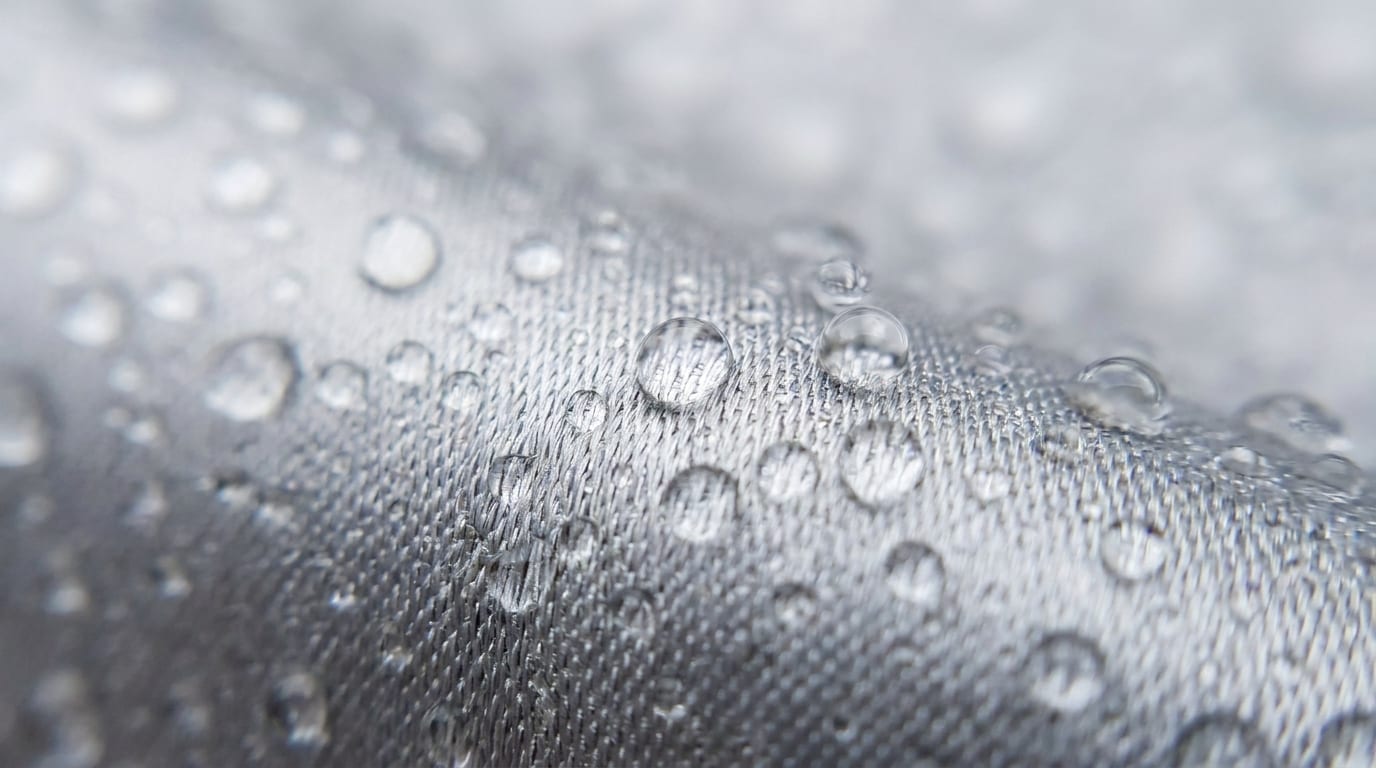
Strip away the marketing language and it's this: a fabric layer built with microscopic pores, small enough to stop liquid water from pushing through, large enough to let water vapor pass. Rain stays out. Humidity gets out. That's the whole mechanism.
This isn't the same thing as a cover being thin, loose-woven, or mesh-like. Plenty of cheap covers feel airy and still trap moisture, because breathability isn't about how light the fabric feels in your hands. It's an engineered property, usually built through multi-layer laminates or a microporous coating bonded to the outer shell. The structure is doing the work, not the weave alone.
You'll see this described a few different ways: breathable, vapor-permeable, moisture-wicking. Different words, same underlying idea. If a listing uses any of them, it's talking about a car cover with breathable membrane fabric, not just a loose or lightweight one.
The Science in Plain Language: Vapor Out, Water In... Not Both Ways

Fabric engineers talk about moisture vapor transmission rate, or MVTR. You don't need the formula. Just know this: a higher MVTR means the fabric releases trapped humidity faster. Lower MVTR, and moisture sits there longer.
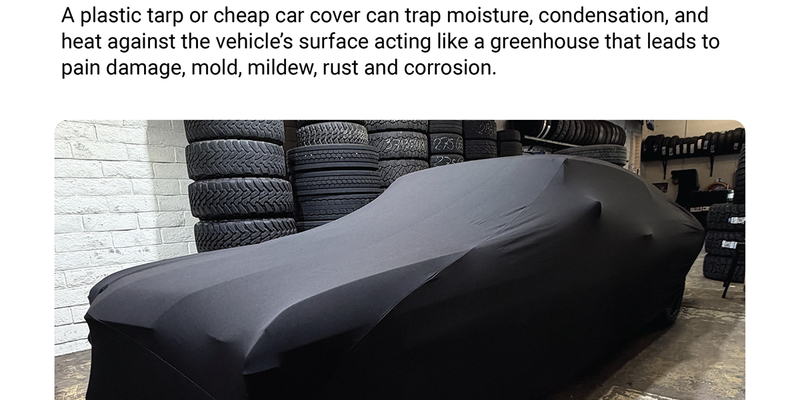
Here's what that looks like in real life. Park your car overnight under a non-breathable cover, something like a basic tarp-style vinyl sheet. Temperatures drop. Moisture in the air condenses on the car's surface, same as it would on a cold window. Except there's nowhere for it to go. It sits against the paint until morning, then the cycle starts over the next night. Day after day, that moisture never really leaves.
A breathable membrane changes that loop. Condensation still forms, because temperature swings are temperature swings. But instead of pooling against the body panels, the vapor migrates outward through the fabric itself. The car actually gets a chance to dry out between uses.
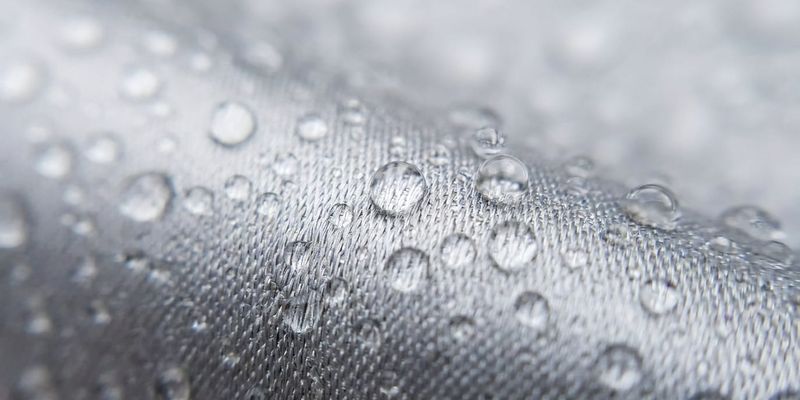
And rain still beads and rolls right off the top. That's the part people find counterintuitive: the outer surface is sealed against liquid water at the macro level, while vapor molecules slip through microscopic channels you can't see. Two different scales, two different outcomes, same piece of fabric.
Why This Feature Matters for Long-Term Paint and Finish
Trapped moisture is one of the most common, least talked-about causes of water spots and swirl marks. Leave humid air sitting against clear coat long enough and you start seeing dull patches, hazing, sometimes mildew creeping in along the edges of upholstery or trim where it's covered too.
Metal doesn't fare any better. Exposed trim, undercarriage parts, wheel wells. All of that sits closer to ground moisture and road residue, and a non-breathable cover just locks humidity in against it. Rust doesn't need much encouragement.
This matters most when a vehicle sits for a while. Seasonal cars, RVs, motorcycles parked for the winter. Weeks or months of storage gives trapped moisture plenty of time to do damage. A quick overnight cover doesn't have the same stakes.
Climate plays into it too. If you're in a humid region, or you've ever washed the car and thrown the cover on before it was fully dry, breathability stops being a nice-to-have. It's the difference between a cover that protects the finish and one that quietly works against it.
Breathable vs. Non-Breathable: What Changes in Daily Use
Non-breathable covers, the plastic tarp-style ones, are cheap and genuinely waterproof in the strict sense: nothing gets through, in either direction. That sounds like a win until you realize "nothing gets through" includes your car's own trapped humidity and heat.
A car cover with breathable membrane fabric still blocks rain and UV just as effectively. The difference is what happens to the air underneath. Instead of staying damp and stagnant, the space between cover and car actually manages humidity, so the vehicle dries out between drives instead of staying perpetually wet.
There's a feel difference too. Breathable fabrics tend to be softer, with less of that stiff plastic friction that can leave fine scratches in clear coat over repeated use. Vinyl tarps rub, breathable fabrics drape.
The trade-off some people assume exists, breathable meaning less waterproof, isn't really true. Waterproofing and breathability come from the same layered construction working together, not from a compromise between the two. You can check how that layering is explained in more detail in the waterproof fabrics breakdown if you want the material science side of it.
Indoor, Outdoor, or Both: Matching the Membrane to Your Storage Situation
If your car lives outside, especially somewhere rainy or humid, breathability isn't optional. The cover is in constant contact with moisture cycles, rain one day, dew the next, sun baking it dry by afternoon. That's exactly the environment where a non-breathable cover traps the most damage.
Garage storage is gentler, but it's not moisture-free. Enclosed spaces still swing in temperature and humidity, just with smaller peaks and valleys. A breathable membrane still helps there, it's just less of a make-or-break feature.
If you're not sure which category your situation falls into, it's worth checking the outdoor car covers and indoor car covers guides before picking a specific product. The fabric needs are genuinely different between the two.
Coastal humidity, heavy dew regions, anywhere you get rain-then-sun cycles back to back. Those are the climates where a breathable membrane shows its value fastest. If that's your area, don't treat this as a nice extra.
CarCovers Picks Built With Breathable Membrane Technology
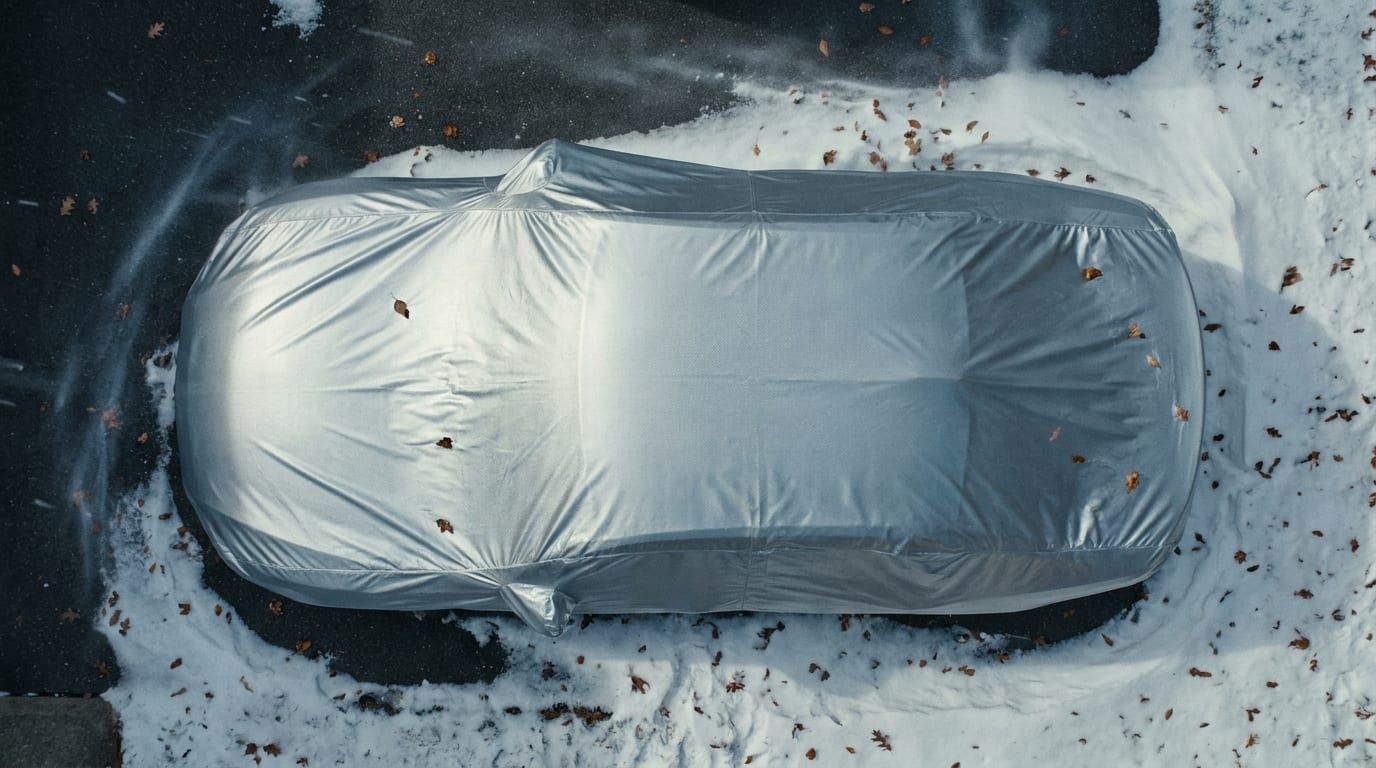
The waterproof car covers category is where this gets practical. That's the tier where breathable, weatherproof fabrics are explained and compared, so you can see what you're actually paying for at each price point.
For trucks parked outside for the long haul, the Platinum Shield Truck Cover is worth a look. It's built specifically for serious outdoor exposure, with weatherproof fabric that's also engineered to breathe, not just shed rain and call it done.
If you want the membrane benefit without any flapping, loose panels, or gaps where wind and rain sneak in, look at the custom-fit car covers line instead of a universal fit. A cover that hugs the body properly makes the breathable fabric's job easier, since there's less loose material trapping air pockets.
And if you'd rather just scan a shortlist than read every spec sheet, the top-rated car covers page rounds up the best-reviewed options across budget tiers.
Keeping a Breathable Cover Working Over Time
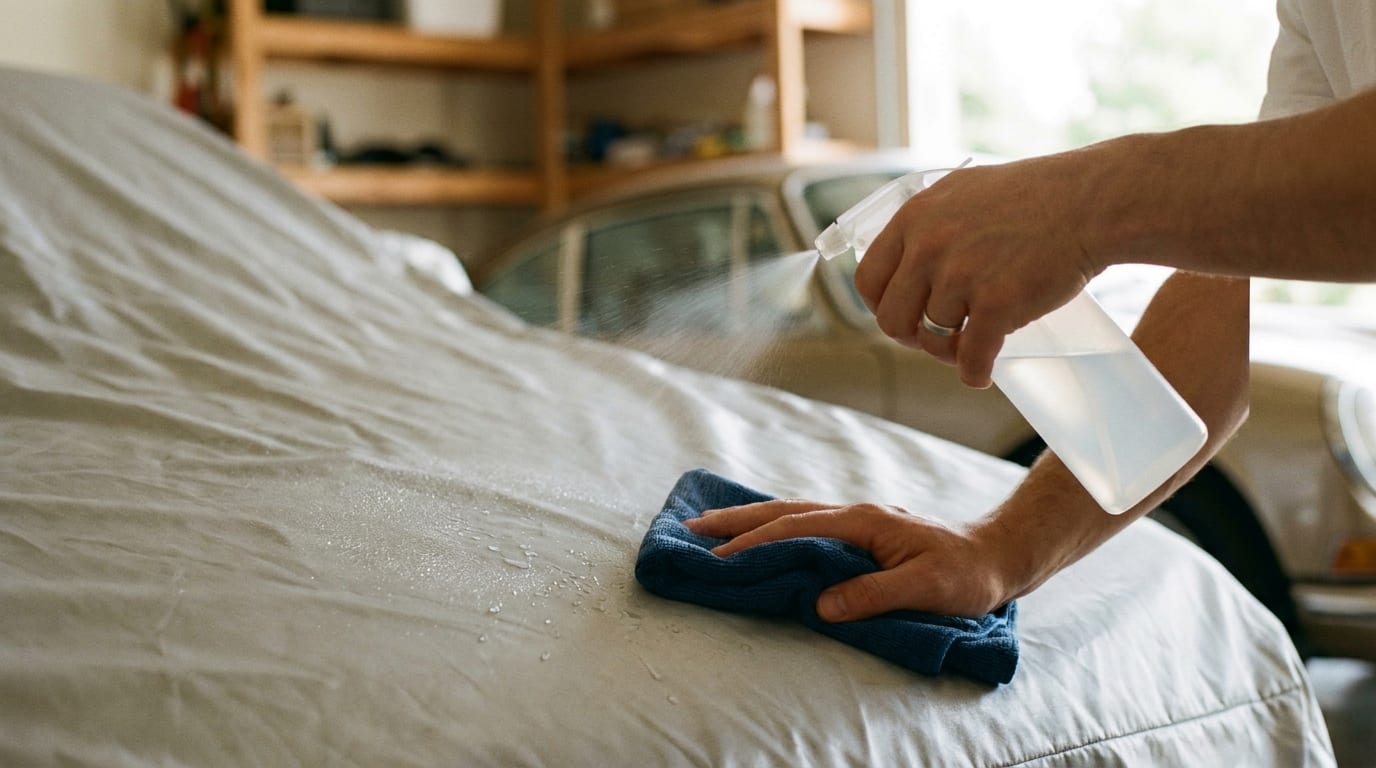
Here's the thing nobody mentions at checkout: a breathable membrane can stop breathing. Dirt, road grime, oil film, all of it can clog those microscopic pores over time. Once they're clogged, the fabric starts acting like a sealed tarp again, trapping moisture instead of releasing it.
Don't run it through a standard wash routine. Harsh detergents, high heat, aggressive scrubbing, these can all degrade the coating that makes the membrane work in the first place. Follow the cover's actual cleaning instructions instead of treating it like a bedsheet.
The cover cleaning guide walks through the steps that protect both the waterproofing and the breathability, which is really the whole point of owning one of these in the first place.
One more thing: store the cover dry, not damp. Folding it away wet, even for a day or two, gives mildew a head start growing inside the fabric itself. Let it air out fully before it goes back in the bag.
Bottom Line: Choosing a Cover That Breathes
Rain and UV stay out. Trapped moisture gets out. That's the whole trade-off a breathable membrane resolves, and it's the reason paint and finish hold up so much better over years of outdoor storage instead of just one season.
This is a feature to check for before you buy, not something to shrug off as an upgrade. If your vehicle sits outside, or sits unused for weeks at a stretch, a car cover with breathable membrane fabric is doing real work that a basic tarp simply can't.
Worth spending a few minutes browsing the waterproof and custom-fit categories before you buy, just to see what actually fits your vehicle and your climate. And if you're the type who likes to read up before any purchase, it's worth bookmarking the blog and coming back for the next one.