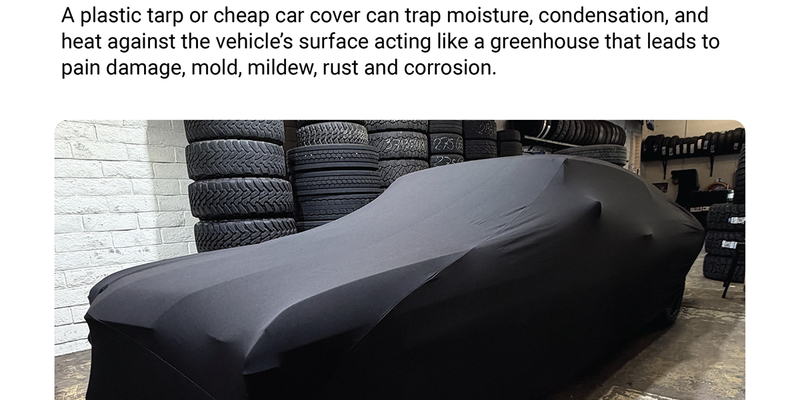
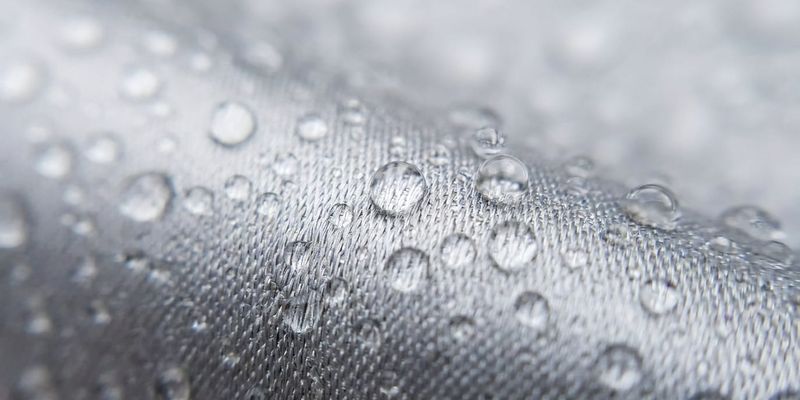
What Does Water Column Rating Mean for a Car Cover?
Water column rating is a lab measurement, expressed in millimeters, of how much water pressure a fabric can withstand before moisture starts to work its way through. That's the whole concept in one sentence, but the number behind it does a lot of heavy lifting when you're trying to figure out if a car cover will actually keep your car dry.
The number comes from a standardized hydrostatic head test. Testers place a column of water directly on top of the fabric and let it rise. They measure the height, in millimeters, the water reaches before it starts leaking through to the other side. A fabric that holds up to 3,000mm of water pressure gets a 3,000mm rating. Simple math, but it tells you something real about the material's density and weave.
Here's a detail that trips people up: this is a fabric-specific spec, not a whole-cover rating. Two panels on the same cover, say the top versus the underside, can carry different ratings depending on what each one's designed to do. A premium waterproof car cover might use a high-rated fabric on top where rain hits directly, paired with something more breathable underneath.
None of this is unique to car covers, either. Tents, rain jackets, and other outdoor gear have used water column ratings for decades. Car cover manufacturers borrowed the same test because the physics are identical: fabric sitting under standing water, under pressure, for a sustained period.
How the Water Column Test Actually Works
The setup is straightforward, almost crude in a good way. A clear tube gets attached to a sample of the fabric, sealed at the edges so water can't sneak around the sides. Testers fill the tube with water and watch the level climb. Once three drops seep through within a set timeframe, they stop and record the height.
That final height, in millimeters, becomes the rating you see printed on a product page. A fabric rated 3,000mm held back water pressure up to that mark before it gave in. Nothing mysterious about it, just a controlled way to quantify leak resistance.
What the test doesn't measure matters just as much. It's checking resistance to static water pressure, meaning water sitting still and pressing down. It's not simulating wind-driven rain hitting at an angle, splashing from a passing car, or the slow wear a fabric takes after two years of sun and folding. Those are separate failure points, tested (or not tested) separately. A high water column number tells you the fabric resists standing pressure. It doesn't promise anything about how the cover holds up after 18 months outside.
What the Numbers Mean in Practical Terms
Ratings fall into rough bands, and knowing where a fabric lands tells you what it's actually built for.
- Under 1,000mm: water-resistant, not waterproof. Fine for light mist or morning dew, not much else.
- 1,000mm to 5,000mm: handles moderate rain reasonably well. This is where a lot of mid-tier covers sit.
- 5,000mm to 10,000mm and up: considered fully waterproof, built for sustained heavy rain and the weight of sitting snow.
A basic cotton or light poly cover usually lives in that lower range, good enough for a garage or a covered carport. A dedicated outdoor car cover is engineered toward the higher end on purpose, because it has to survive actual weather, not just dust.
Higher isn't automatically better, though. That's worth saying plainly. A cover rated at 10,000mm in a climate that gets maybe ten rainy days a year is overbuilt for the job, and overbuilt often means less breathable. You're trading airflow for waterproofing you don't need. Match the rating to the actual weather, not to whatever the biggest number on the page happens to be.
Why This Spec Matters More for Outdoor-Parked Cars
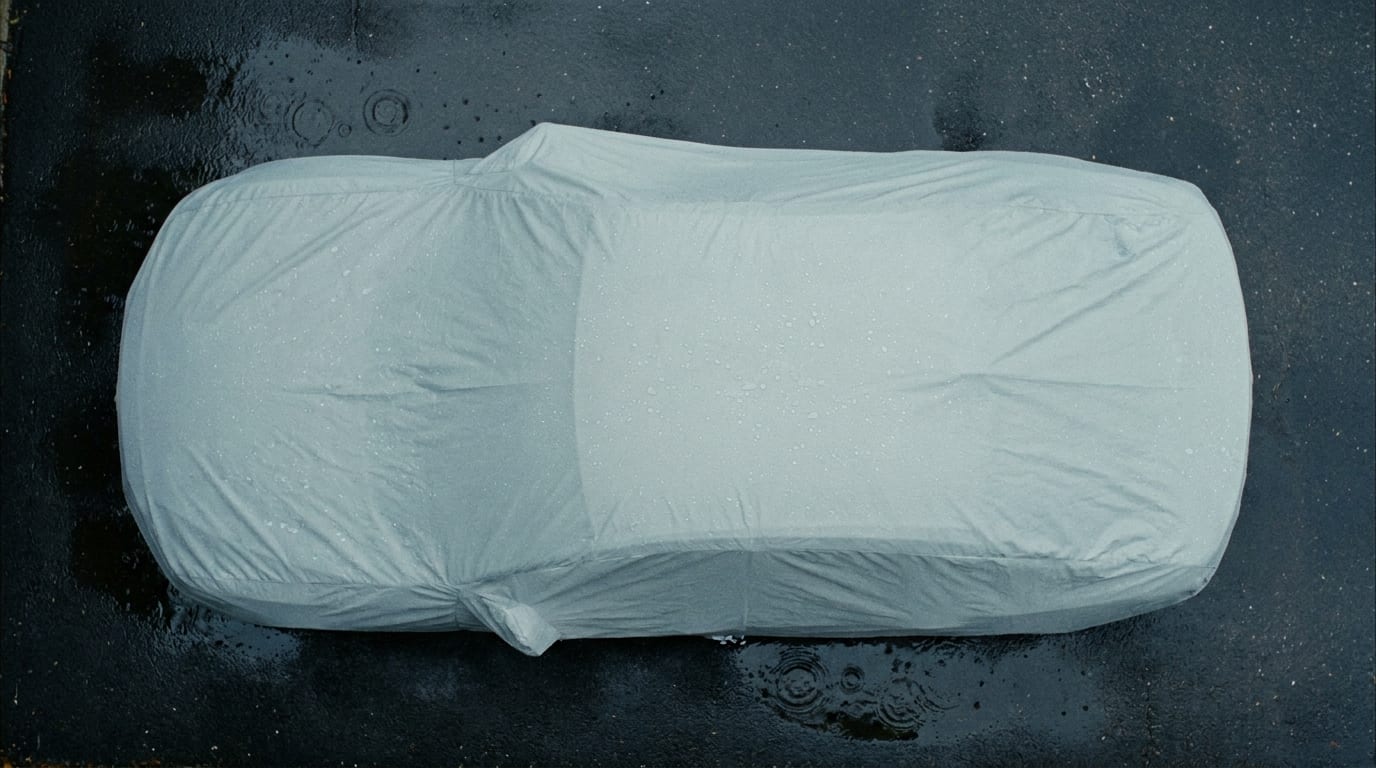
Water column rating turns from a nice-to-know spec into a make-or-break one the moment a car sits outside, unprotected, for extended stretches. Rain, sprinklers, snowmelt dripping off a roofline, they all test a cover's fabric the same way the lab test does: sustained water pressure sitting on the surface.
Compare that to indoor storage. A cover living in a garage has one job: keep dust off and prevent scratches from accidental bumps. A low water column rating is completely fine there, because there's no water to resist in the first place. Spending extra on a high-rated indoor car cover buys you nothing useful.
Ponding is the detail people miss. Flat sections of a car, the hood, the roof, the trunk, collect standing water during a long rain instead of shedding it immediately. That pooled water sits there for hours, pressing down the whole time. A quick downpour that runs off fast is a much easier test than a puddle sitting on the hood overnight. If you're parking outside regularly, the rating needs to hold up to the second scenario, not the first.
Water Column Rating vs. Breathability and UV Protection
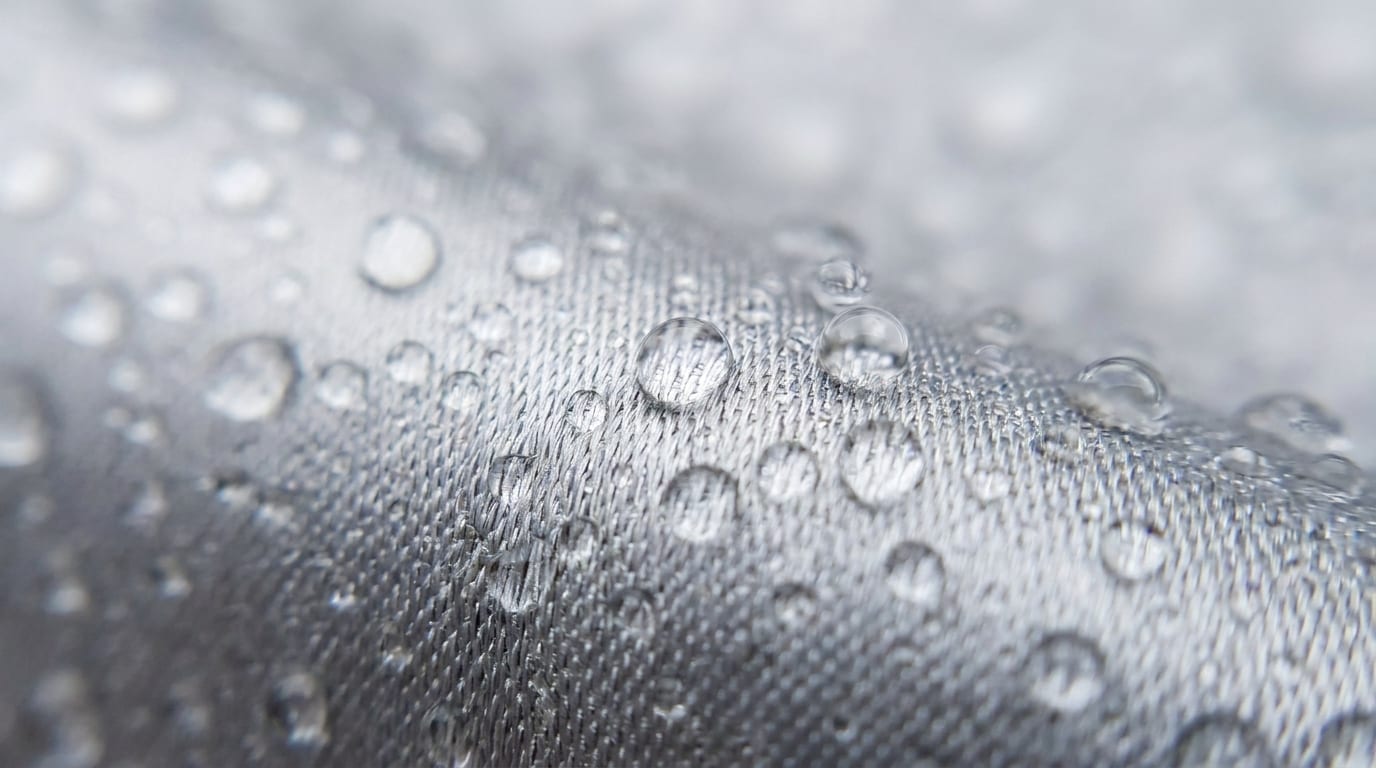
Here's the tension nobody puts on the label: the tighter and more waterproof a fabric gets, the more it risks trapping moisture underneath instead of keeping it out. Water can't get in, sure, but humidity from temperature swings, or moisture that was already on the car, has nowhere to go either. That's how you end up with condensation pooling under a "waterproof" cover, and condensation left alone turns into mold and mildew fast.
A well-built outdoor cover solves this by pairing a solid water column rating with a breathable layer underneath, so trapped humidity can still escape even while rain bounces off the top. This balance is really the whole engineering problem of a decent cover, not just picking the highest-rated fabric available. For a deeper look at how these layers work together, the guide on waterproof fabrics breaks down the material side in more detail.
One more thing the water column number says nothing about: UV resistance. A fabric can be excellent at blocking rain and still fade, crack, or weaken under direct sun with no UV treatment at all. These are tested and rated completely separately. If your car sits outside in a hot, sunny climate, you need both numbers, waterproofing and UV protection, considered together. Picking one and ignoring the other leaves a real gap.
Choosing the Right Water Column Rating for Your Situation
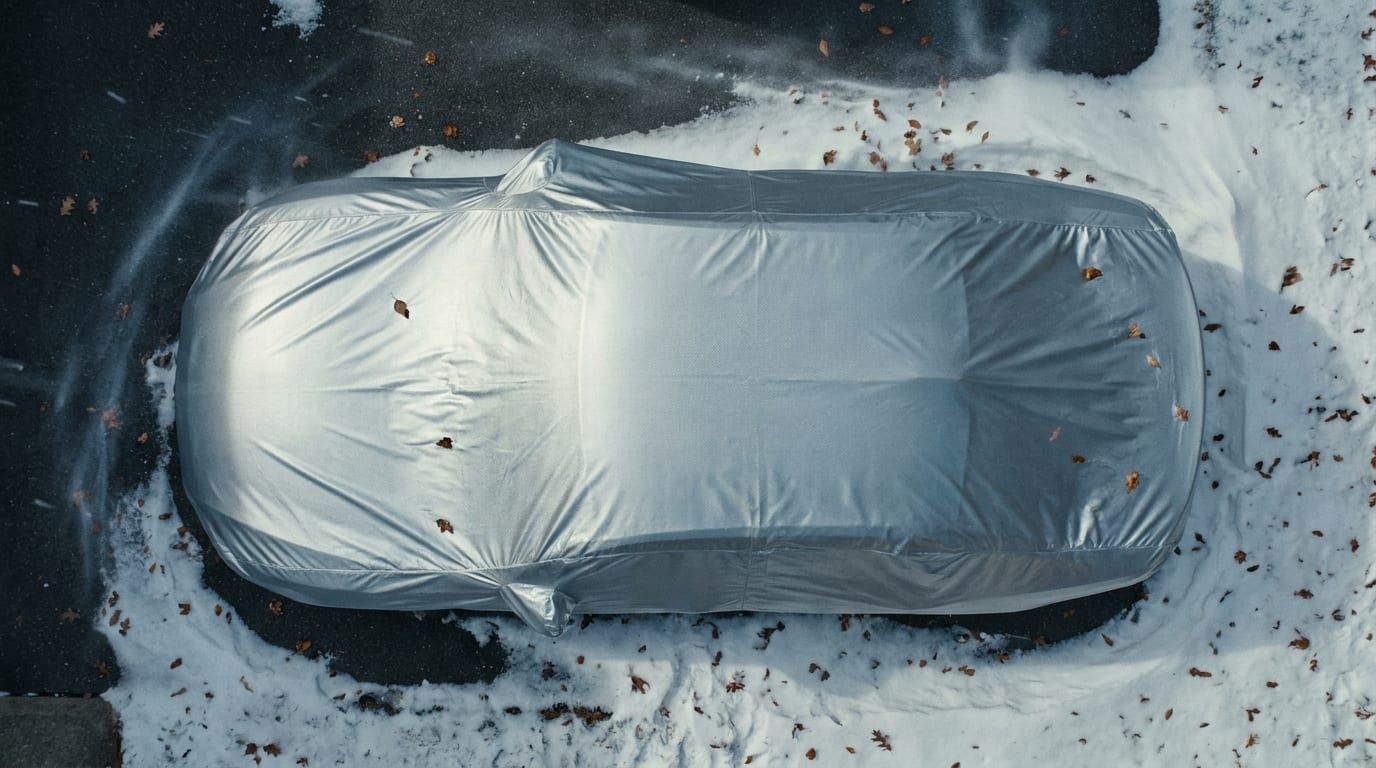
Treat it as a simple decision, not a spec-sheet chase. Occasional outdoor exposure, light rain a few times a month, is well served by a mid-range rating in the 1,000mm to 5,000mm band. Heavy rain regions, snowy climates, or coastal areas with constant humidity push you toward the higher end, 5,000mm and up, where the fabric needs to hold up to sustained pressure day after day.
Before buying, check the cover's full guide to using a car cover outdoors. Water column rating is only part of the outdoor equation. Wind straps, tie-downs, and a snug fit all matter just as much in storm-prone areas, because a cover that leaks at the seams or blows loose in gusts won't save you no matter what the fabric rating says.
And resist picking by the biggest number on the page. Compare the waterproof rating alongside breathability and UV specs together. A cover that nails all three for your actual climate beats one that maxes out a single spec and ignores the rest. If you're still narrowing down options, the car cover and vehicle cover category pages break down fit and material by vehicle type, which makes the comparison easier than guessing from a spec sheet alone.
Bottom Line on Water Column Rating
The number tells you one specific thing: how much water pressure the fabric resists before it leaks. That's useful, but matching it to where and how you actually park matters more than chasing the highest rating you can find. A 10,000mm cover in a dry garage is wasted money. A 1,000mm cover left outside through a rainy winter is a problem waiting to happen.
If you're shopping for something built for real outdoor exposure, it's worth browsing waterproof cover options sized and rated for the kind of weather you're actually dealing with, and maybe subscribing to the blog if you want more of these breakdowns before you buy.
CarCovers backs its covers with a lifetime warranty, which gives you a low-risk way to test a rating against whatever your actual weather throws at it, rather than taking the spec sheet on faith.